Knee Replacement on Ozempic: Before and After Surgery
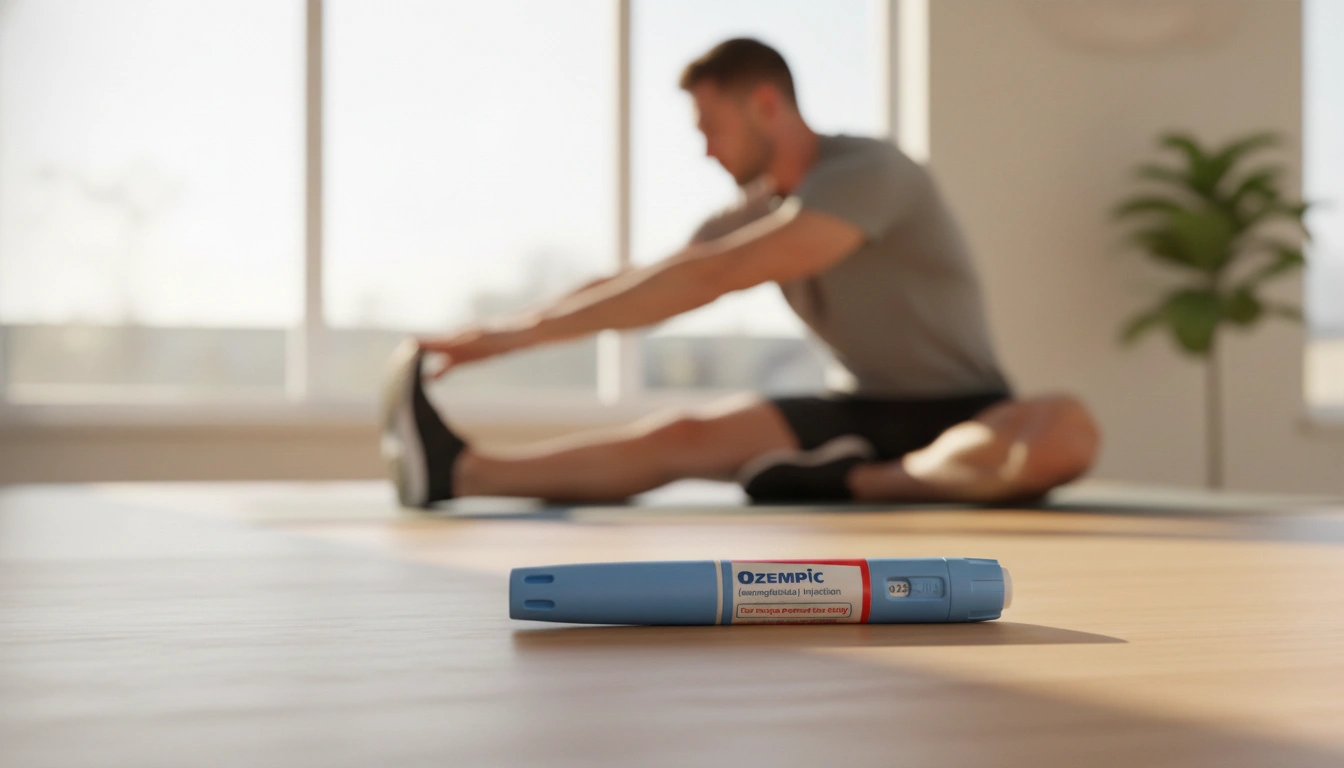
Many people with painful knee or hip arthritis find themselves in a frustrating loop. Their joint hurts too much to exercise, their weight makes the joint hurt more, and their surgeon has asked them to lose weight before a joint replacement.
Many orthopedic surgeons take body weight into account when planning joint replacement, and some set a weight or BMI threshold before they will operate. For some people, Ozempic or another GLP-1 is what finally makes that possible. This article covers how to lose weight before surgery without losing the strength you will need to recover, and what to plan for afterward.
Ask your surgeon the right questions first
Before you start, or as soon as you can, ask your surgeon:
- Is there a specific weight or BMI you want me to reach, and why?
- How soon before surgery should I be there?
- Is there anything about how I lose weight that matters to you, such as how fast?
- Who will decide what to do with my GLP-1 around the operation?
Every surgeon’s approach is different, so get their answer rather than relying on general rules.
Lose weight, keep muscle
Weight lost on these medications is not purely fat. A 2024 review of lean body mass changes with GLP-1 based therapies found that the proportion of total weight loss made up by lean tissue varied widely across studies. Eating very little for long stretches is the situation most likely to cost you more than you intended, including strength and energy.
That matters a great deal before joint replacement. The muscles around your knee and hip, particularly your thigh muscles, are what get you out of bed, up from a chair, and through physical therapy after surgery. Arriving at surgery lighter but weaker is not the goal.
Eat protein at every meal, even when your appetite is small.
Do not crash diet to hit a number. Rapid loss on very little food is the most likely way to lose muscle along with fat.
Ask about prehabilitation. Many surgeons and physical therapists recommend exercises before surgery to strengthen the muscles around the joint. Low-impact options such as cycling, swimming, water exercise, and seated strength work are often possible even when walking hurts.
Track strength, not only weight. Our guide on tracking your progress on semaglutide or tirzepatide covers measures beyond the scale, such as how easily you rise from a chair or climb stairs.
Our guide on getting the most out of your GLP-1 treatment covers why protein and resistance exercise matter so much on these medications.
Around the operation
These medications slow how quickly the stomach empties, which matters for anesthesia. Your surgical and anesthesia teams will decide whether and when to hold your medication, and give you instructions about eating and drinking beforehand.
Tell them you take Ozempic as soon as the surgery is booked, not on the day.
Follow their instructions exactly. Do not stop or change anything on your own because of what you have read.
After surgery: the first weeks
Recovery from joint replacement puts real demands on your body, and several things can work against you on these medications.
Appetite. Pain, pain medication, and inactivity can all reduce appetite further. But your body needs protein and energy to heal and rebuild strength during physical therapy. Small, frequent meals with protein are easier than large ones.
Constipation. Opioid pain medications are well known for causing constipation, and constipation is also a common side effect of GLP-1 medications. Ask your care team before discharge what to take to prevent it, drink water, and move as much as you are allowed.
Dizziness and falls. Getting up with a walker, on pain medication, after eating little, is a setup for lightheadedness. Stand up slowly, have someone nearby for the first few days, and keep your home clear of trip hazards.
Physical therapy. Eat something before each session. Therapy is hard work, and doing it on an empty stomach makes it harder.
Restarting your medication
If your medication was held around the operation, ask your surgeon or prescriber when to restart and at what dose. If you went several weeks without it, restarting at your previous dose can bring back strong side effects, which is the last thing you want while recovering. Our guide on taking a break and restarting covers why restarting after a gap usually means stepping back down. Our guide on the Ozempic starting dose covers what those early steps look like.
After recovery
Many people find that, once their new joint has healed, they can finally exercise in ways their arthritis prevented. That is often the best time to build strength, walk more, and protect the weight loss.
Consider this scenario: someone is told they need to lose 40 pounds before a knee replacement. On Ozempic, they eat very little to hit the target quickly, skip the prehabilitation exercises, and reach their goal weight in a few months. But they arrive at surgery noticeably weaker, struggle to get out of bed afterward, and find physical therapy exhausting. Eating protein at every meal, losing weight more steadily, and doing the strengthening exercises would have given them a much easier recovery.
The short version
Ask your surgeon for their specific target and timeline. Lose weight steadily, eat protein at every meal, and do prehabilitation exercises to protect the muscles around your joint. Tell your surgical and anesthesia teams you take Ozempic as soon as surgery is booked, and follow their instructions. After surgery, eat small protein-rich meals, prevent constipation, stand up slowly, and eat before therapy. Ask before restarting your medication after a gap.
If you want a provider who will work alongside your surgical team, TrimRx includes ongoing provider access alongside treatment.
This information is for educational purposes and is not medical advice. Consult with a healthcare provider before starting any medication. Individual results may vary.

Transforming Lives, One Step at a Time
Keep reading

State Fair on Ozempic: Fair Food, Heat and Rides
The state fair, or the county fair, is a celebration of food that exists nowhere else: deep-fried butter, funnel cakes, corn dogs, turkey legs,…

Real Estate Agents on Ozempic
Real estate has no typical day. A morning of paperwork turns into four showings across town, a client calls with an offer at dinner,…

Call Center Job on Ozempic: Managing Side Effects on Shift
Call center and customer service work has a rhythm that few other jobs share. Your breaks are scheduled to the minute, adherence targets track…


