Running an Obstacle Course Race on Zepbound
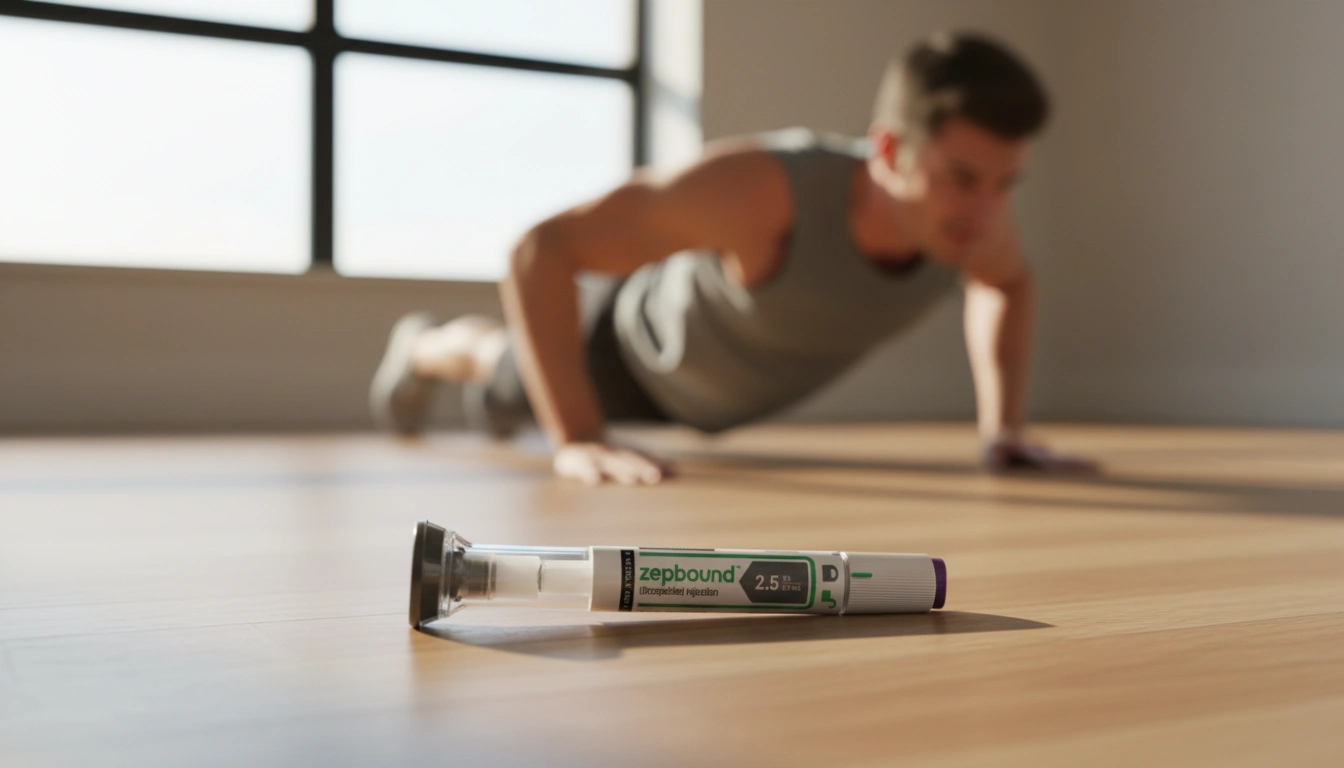
Obstacle course races, such as Spartan races, Tough Mudders, and local mud runs, have become a favorite goal for people who have lost weight and want to prove what their body can do. They combine running with walls, rope climbs, carries, crawls, and plunges into muddy or icy water. Depending on the distance, you may be on the course for an hour or most of a day.
If you take Zepbound or compounded tirzepatide, the challenge is fueling and hydrating enough for a long, hard effort while your appetite is smaller. Here is how to prepare.
Why hydration matters most
The prescribing information for Zepbound advises: “Monitor renal function in patients reporting adverse reactions to ZEPBOUND that could lead to volume depletion.” In the trials for Zepbound, nausea was reported by 25% to 29% of adults across the three doses, compared with 8% on placebo, and diarrhea by 19% to 23%, compared with 8%. Hours of hard effort and sweating, on top of any of those side effects, can dehydrate you quickly.
Drink steadily in the days before the race, not only on the morning.
Sip at every water station on the course, and carry water on longer races.
Stop and get help if you feel dizzy, confused, or stop sweating in the heat.
Fuel before and during
Running on empty is the most common way to fade halfway through. Eat a meal with carbohydrate and some protein a few hours before your start time, something familiar like oatmeal with a banana or toast with eggs. On longer races, carry small snacks you can eat on the move, such as energy chews, a gel, or a few bites of a bar, and eat a little every 30 to 45 minutes. Our guide on what to eat after an injection has ideas for foods that tend to sit well.
Plan your dose around race day
Side effects tend to be strongest in the first weeks and after each dose increase, and many people notice them most in the day or two after an injection. Do not step up your dose in the week or two before a race. Ask your provider to hold it until afterward. Our guide on when to increase your tirzepatide dose covers how those decisions are usually made.
The label allows the injection day to be changed if doses stay at least 3 days apart, but ask your provider before you change it.
Strength is what gets you over the wall
Carries, climbs, and monkey bars depend on grip, back, and leg strength. Some of the weight lost on these medications is muscle. Eat protein at every meal, and keep strength training in your plan alongside your running. Our guide on getting the most out of your GLP-1 treatment covers why that matters.
Train, and track it
Build up your training gradually over weeks, practicing both running and obstacles. Keep notes on distance, grip strength, and how you feel. If your training is going backward, you may not be eating enough. Our guide on tracking your progress covers ways to record more than your weight.
Watch for the signs of under-eating: persistent fatigue, feeling cold, hair shedding, dizziness when you stand, losing strength, and losing weight faster than you and your provider intended.
Heights and dizziness
Walls, cargo nets, and rope climbs put you off the ground. If you feel lightheaded at the base of an obstacle, do not climb. Most races offer a penalty or alternative for obstacles you skip, and no medal is worth a fall from the top of a wall.
Cold water and mud
Ice baths and muddy water plunges can be a shock, especially if you are lean and underfed. Get in and out quickly, keep moving afterward, and have warm, dry clothes waiting at the finish.
After the finish
Eat a meal with protein soon after you finish, and keep drinking. Change into dry clothes before you get chilled. Check any cuts or scrapes, since mud courses are rough on skin, and avoid injecting into scraped or bruised areas for the next dose.
Consider this scenario: a woman on Zepbound steps up her dose four days before her first obstacle race. On race morning she feels queasy, eats half a banana, and skips the early water stations to avoid side stitches. Two hours in, at the base of the rope climb, she is dizzy and shaking and has to be helped off the course. Holding the dose increase, eating a familiar breakfast, sipping at every water station, and carrying snacks for the second half would very likely have gotten her to the finish line.
Choosing your first race
If this is your first obstacle race, start with a shorter course. Many race series offer a sprint distance of a few miles alongside longer formats, and a shorter race lets you learn how your body handles hard effort on Zepbound before you commit to a full day on the course. Running with a friend or a team helps too: someone can boost you over walls, share snacks, and notice if you are fading. Sign up with enough lead time to train, and check the course map for water stations so you can plan when to eat and drink.
The short version
For an obstacle course race on Zepbound, hold any dose increase until after the race, eat a familiar meal a few hours before, and carry snacks for longer courses. Drink steadily before and during the race, skip obstacles if you feel lightheaded, and build strength alongside your running. Eat and change into dry clothes soon after the finish.
If you want a provider who will support your training as well as your weight, TrimRx includes ongoing provider access alongside treatment.
This information is for educational purposes and is not medical advice. Consult with a healthcare provider before starting any medication. Individual results may vary.

Transforming Lives, One Step at a Time
Keep reading
Surfing on Zepbound: Paddling Strength, Cold Water, and Dawn Patrol
Surfing asks a lot of your body. Paddling out through broken waves takes shoulder, back, and core strength. Cold water drains energy. Dawn sessions…
Skydiving on Zepbound: Planning a Tandem Jump
For many people who have lost weight, a skydive is a goal they set years ago and finally feel ready for. Some dropzones have…
A Day at the Renaissance Faire on Zepbound
A Renaissance faire is a full day out: jousts, stage shows, artisan stalls, dusty lanes, and food built for spectacle, from giant turkey legs…


