What to Eat After Your Ozempic Injection to Minimize Nausea
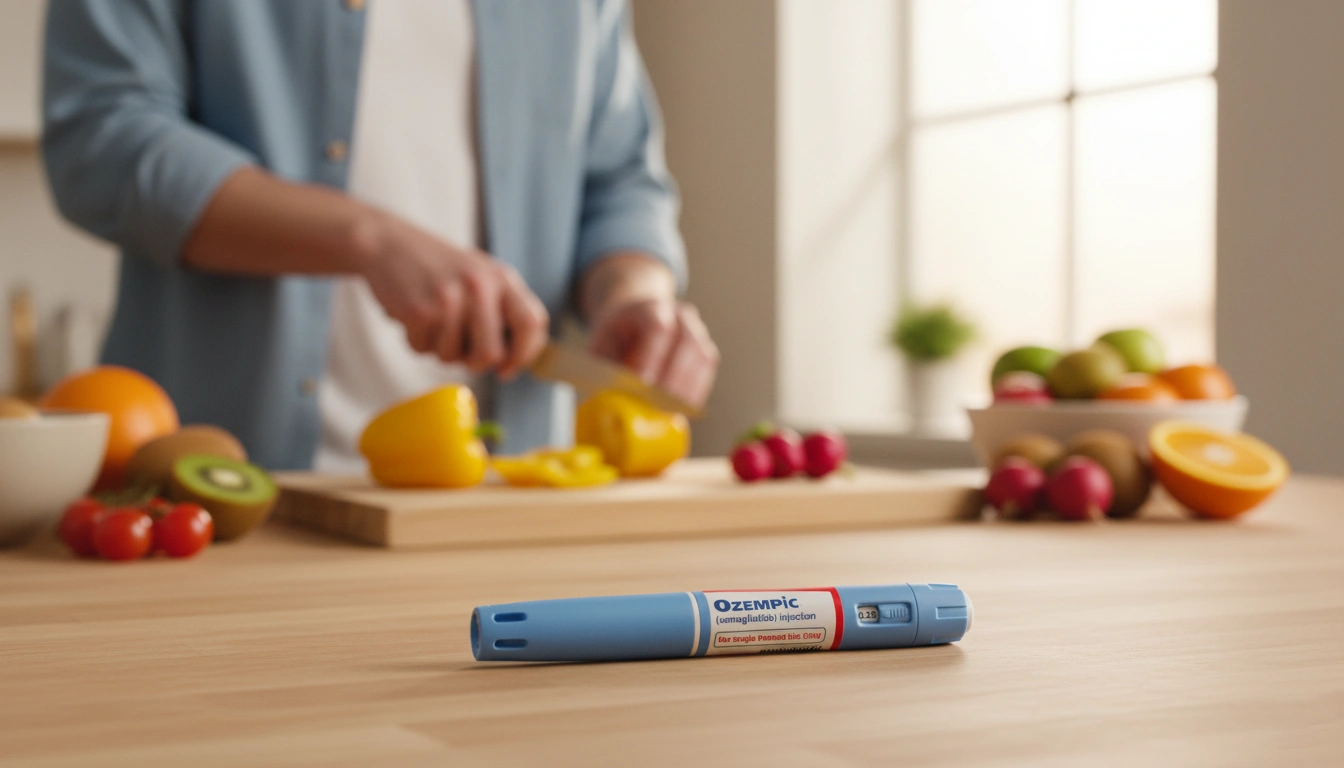
Injection day on Ozempic has a rhythm that most patients figure out through trial and error. The 12 to 36 hours after your shot tend to be the most challenging from a GI standpoint: nausea peaks, appetite drops to nearly nothing, and the wrong food choice can turn an uncomfortable day into a genuinely miserable one. The good news is that strategic food choices around your injection can make a meaningful difference in how you feel, and most patients find a routine that works within the first few weeks of treatment.
Why Injection Day Feels Different
To understand why what you eat after your Ozempic shot matters, it helps to understand what’s happening physiologically in those first hours post-injection.
Semaglutide slows gastric emptying as one of its core mechanisms. Food moves out of your stomach more slowly than it normally would, which is part of how it produces satiety and reduces appetite. In the hours after an injection, when semaglutide levels are rising in your system, this slowing effect is at its most pronounced. Add to that the nausea that many patients experience as a side effect during dose escalation, and you have a digestive system that is genuinely more sensitive than usual and less equipped to handle large, heavy, or complex meals.
The foods that cause the most trouble on injection day are generally those that require the most digestive work: high-fat meals, large portions, highly spiced dishes, and anything carbonated or acidic. The foods that tend to work best are those that are gentle, bland, easy to digest, and consumed in small amounts.
Before Your Injection: Setting Yourself Up
What you eat in the hours before your injection can influence how the post-injection period feels. Going into your shot on a completely empty stomach tends to worsen nausea for many patients, because semaglutide’s effects hit a digestive system with nothing in it to buffer them.
A small, low-fat meal or snack one to two hours before your injection tends to work better than injecting fasted. Something simple: a piece of toast with a thin spread of peanut butter, a small bowl of oatmeal, or a few crackers with a little hummus. The goal is to have something in your stomach without creating a heavy digestive load at the moment your medication peaks.
That said, injecting immediately after a large meal creates its own problems. A full stomach combined with semaglutide’s slowing effect and rising nausea is a recipe for significant discomfort. The sweet spot for most patients is a light meal or snack consumed one to two hours before the injection, not immediately before and not on a completely empty stomach.
The First Two Hours After Your Injection
In the immediate post-injection window, most patients do best eating nothing at all or something extremely minimal. This is the period when semaglutide is beginning to absorb and GI sensitivity is starting to rise. Giving your digestive system a short rest before asking it to process food makes the transition easier.
If you feel genuinely hungry in this window, which is less common on Ozempic but does happen, small amounts of easily digestible foods are the right choice. A few plain crackers, a small portion of plain rice, or a few bites of banana are reasonable options. The key words are small and plain.
Water and clear fluids are fine and actually helpful in this window. Staying hydrated on injection day is important both for managing nausea and for supporting the renal excretion effects that semaglutide promotes. Sipping water steadily throughout the day, rather than drinking large amounts at once, tends to be better tolerated.
The Best Foods to Eat on Injection Day
Once you’re ready to eat a proper meal post-injection, the following food categories consistently work well for Ozempic patients navigating injection day nausea.
Plain, simple carbohydrates are the foundation of an injection-day eating strategy for most patients. Plain white rice, plain pasta, toast, crackers, oatmeal, and boiled or baked potato are all easy on a sensitive stomach. These foods digest easily, don’t linger long in the stomach, and provide enough energy to function without creating significant digestive demand. White rice in particular is one of the most universally tolerated foods on injection day.
Mild proteins in small amounts help you maintain your protein intake without overwhelming your digestive system. Scrambled eggs, plain poached chicken, white fish like cod or tilapia, and Greek yogurt are all good injection-day protein options. The key is preparation method: steamed, boiled, or baked rather than fried or heavily seasoned. A few bites of scrambled egg alongside a piece of toast represents a practical injection-day breakfast that most patients tolerate well.
Bland fruits provide nutrients and are easy to eat in small amounts when appetite is low. Bananas are the standout option here: easy to digest, gentle on the stomach, and nutritionally useful. Applesauce, melon, and canned peaches in juice (not syrup) are other options that tend to work well. Acidic fruits like oranges, grapefruit, and tomatoes are more likely to worsen nausea on injection day and are better saved for later in the week.
Broth and soups are practical on injection day because they’re hydrating, easy to consume in small amounts, and available in forms that are easy to prepare even when you feel unwell. Plain chicken broth, vegetable broth, or a very simple broth-based soup with a small amount of noodles or rice provides warmth and hydration without significant digestive demand.
Ginger in any form is worth mentioning specifically because of its well-established anti-nausea properties. Ginger tea, ginger chews, and ginger ale (flat, not carbonated) are tools many Ozempic patients keep on hand for injection day. The evidence for ginger’s effectiveness against nausea is solid, and it’s a safe, low-effort option worth keeping available.
Foods to Avoid on Injection Day
Certain foods reliably worsen injection-day nausea for most patients, and avoiding them is one of the simplest ways to improve your experience.
High-fat meals are the primary culprit. Fatty foods require more digestive processing, stay in the stomach longer, and combine poorly with semaglutide’s gastric slowing effect. Fried foods, heavy cream sauces, large portions of red meat, full-fat cheese in significant quantities, and anything greasy or oily are best avoided on injection day and ideally the day after as well.
Large portions of anything are problematic on injection day regardless of the food involved. Your stomach is already moving slowly. Putting a large volume of food into it on top of rising semaglutide levels is a straightforward path to significant nausea. Even foods that are normally well tolerated can cause problems in large amounts on injection day. Think in terms of half your normal portion size, or less, and eat slowly.
Spicy or heavily seasoned foods irritate a digestive system that is already sensitive. The heat and complexity that might be enjoyable on a normal day can trigger nausea and reflux much more easily post-injection. Saving strongly flavored foods for later in the week when GI sensitivity has eased is the practical approach.
Carbonated beverages cause bloating and gas that are amplified by slowed gastric emptying. Many Ozempic patients give up sparkling water and soda entirely during treatment, but avoiding them specifically on injection day is especially important.
Alcohol combines particularly poorly with injection-day physiology. Semaglutide already affects how alcohol is processed, and on a day when your GI system is most sensitive, alcohol adds significant additional irritation. The article on Ozempic and alcohol covers the broader interaction between semaglutide and drinking, but the injection-day-specific advice is simply to avoid it.
Injection Timing as a Nausea Management Tool
The food choices you make matter, but so does when you inject. Many patients find that injecting in the evening, typically after dinner, means the worst of the post-injection nausea occurs overnight when they’re asleep and less aware of it. By morning, the peak has often passed and the day ahead is more manageable.
The article on does injection day matter for Ozempic or semaglutide covers the timing question in more detail, including how to shift your injection day if your current timing isn’t working well.
Injecting in the morning is perfectly valid and works well for many patients, particularly those who prefer to be aware of how they’re feeling rather than dealing with nausea disrupting their sleep. The right timing is the one that fits your schedule and minimizes disruption to your daily function. Experimentation in the first few weeks helps you find your pattern.
When Nausea Persists Beyond Injection Day
For most patients, injection-day nausea is most intense in the first two to six weeks of treatment and at each dose escalation, then gradually eases as the body adapts. If you’re finding that nausea persists well beyond injection day or is severe enough to prevent you from eating adequate nutrition for several days at a stretch, that’s worth discussing with your prescribing provider.
Dose escalation timing can often be adjusted to allow more adaptation time between increases, and some patients benefit from remaining at a lower dose longer before moving up. Adjusting injection timing and food choices in the ways described above makes a significant difference for most patients, but persistent severe nausea that doesn’t improve over time is a clinical issue rather than just a management challenge.
For patients building their broader approach to eating on semaglutide, the article on meal prep on Ozempic covers how to structure your weekly food preparation around the variability that injection day creates, which pairs naturally with the injection-day-specific strategies here.
If you’re navigating the early weeks of Ozempic treatment and want clinical support alongside your prescription, TrimRx’s intake assessment connects you with a team that can guide you through the adjustment period.
This information is for educational purposes and is not medical advice. Consult with a healthcare provider before starting any medication. Individual results may vary.

Transforming Lives, One Step at a Time
Keep reading
How to Keep an Ozempic Routine on Rotating Shifts
The good news is that the injection is the easiest part of this. Semaglutide is dosed weekly and has a long duration of action,…

Was Your Weight Gain Really Menopause? What Ozempic Working Tells You
It tells you almost nothing about the cause, and that is worth understanding before you draw conclusions about the last several years. A treatment…

Ozempic and Social Isolation: When Food Was How You Connected
This is a real cost of treatment and it does not get discussed much, partly because it sounds minor next to the medical benefits….


