Celebrating Sukkot on Ozempic
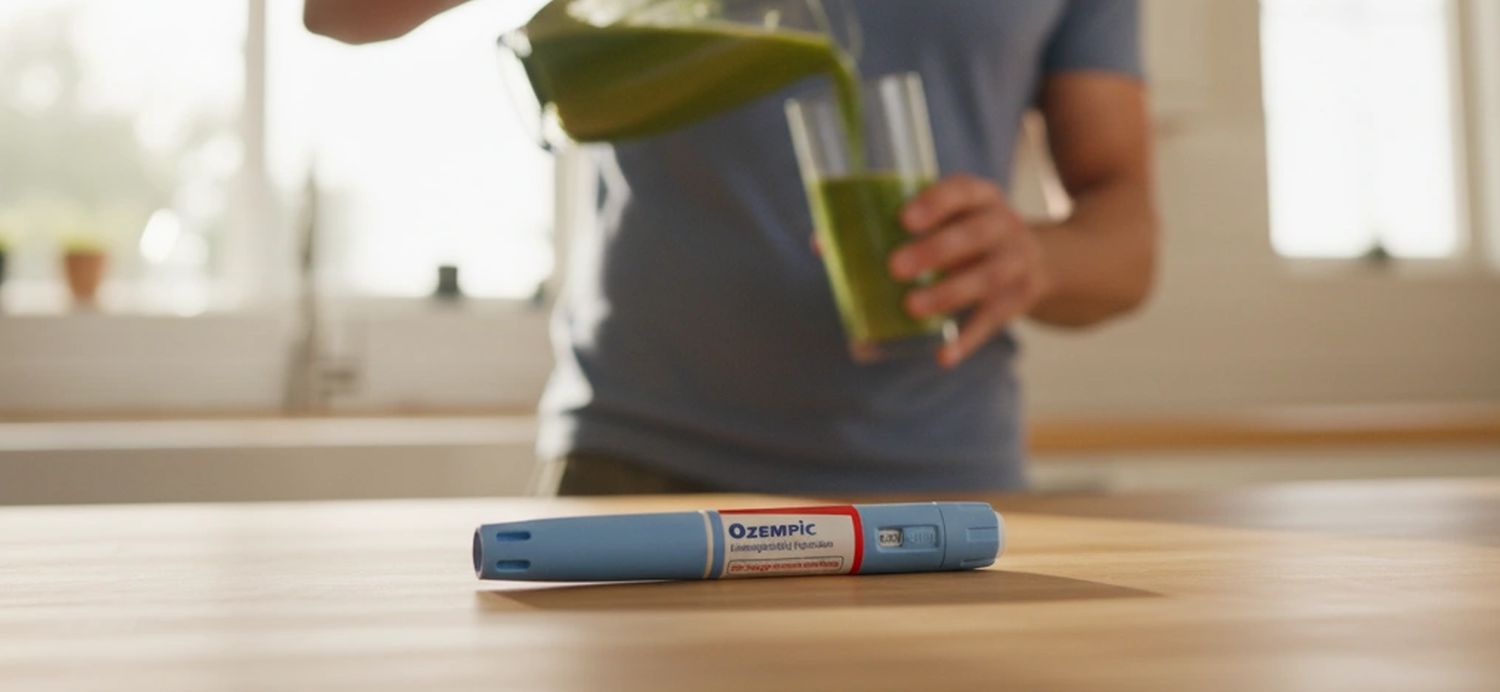
Sukkot comes just days after Yom Kippur and lasts a week, followed by Shemini Atzeret and Simchat Torah. Families build a sukkah and eat their meals in it, often with guests every night: brisket, roast chicken, stuffed cabbage, kugels, challah, and harvest desserts. Evenings can be chilly, the meals are long, and the season ends with hours of joyful dancing with the Torah. Customs vary by community and family.
If you take Ozempic or another GLP-1, a week of festive meals in a row on a smaller appetite is a different challenge than a single holiday dinner. Here is how to pace yourself.
Pace the week, not just the meal
The hardest part of Sukkot is repetition. Several big meals close together can leave you uncomfortable for days. Plan to eat modestly at most meals, choose one or two you will really enjoy, and keep the others simple. Start every plate with protein, such as chicken, brisket, fish, or eggs, and keep kugel, challah, and dessert to small portions. Our guide on what to eat after an injection has ideas for foods that tend to sit well.
Plan your dose around the holiday
Side effects tend to be strongest in the first weeks and after each dose increase, and many people notice them most in the day or two after an injection. If a step up would fall at the start of Sukkot, ask your provider whether to hold it until after Simchat Torah. Ask your provider before moving your injection day. Our guide on semaglutide dose escalation covers how dose steps usually work, and if you are new to treatment, our guide on the Ozempic starting dose covers what the first weeks usually look like.
Coming off Yom Kippur
Sukkot often begins only four or five days after the fast. If the fast and the meal that broke it left you queasy, give your stomach a few gentle days before the first sukkah dinner.
If you have diabetes
The prescribing information for Wegovy, which contains semaglutide, the same active ingredient as Ozempic, notes that patients with diabetes mellitus taking it in combination with insulin or an insulin secretagogue, such as a sulfonylurea, may have an increased risk of hypoglycemia, including severe hypoglycemia. Long services and late meals can shift your usual eating times. If that is you, eat something before long services, keep glucose tablets with you, and never change those medications on your own.
Chilly evenings in the sukkah
Meals outside in autumn can be cold. Feeling cold more easily can be a sign you are not eating enough, and it is worth noticing if you shiver through dinner when others are comfortable. Dress in layers, bring a blanket, and have a warm drink.
Hosting guests every night
If you are hosting, a week of cooking and serving can mean tasting all day and never sitting down to eat. Cook ahead, accept offers of dishes from guests, and sit down to a small plate yourself. You do not owe anyone an explanation for eating less than you serve.
Wine and kiddush
A sip for kiddush is part of every meal. For more than that, have wine with food, alternate with water, and know that some people find alcohol affects them differently on these medications.
If you feel queasy
Several rich meals in a row can bring on nausea or reflux. Eat slowly, stop at the first sign of fullness, and take a short walk rather than lying down after dinner. If you switched from a tirzepatide medication, our guide comparing tirzepatide and semaglutide side effects covers how they differ.
Simchat Torah dancing
Hakafot can mean hours of dancing in a crowded, warm room. Eat before you go, drink water, and step out for air if you feel lightheaded. Stand up slowly after sitting.
Protein through the week
Holiday meals can be rich but still short on protein if you fill up on challah and kugel. Make protein the first thing on your plate every meal. Some of the weight lost on these medications is muscle, and protein helps protect it. Our guide on getting the most out of your GLP-1 treatment covers why that matters.
Watch for the signs of under-eating: persistent fatigue, feeling cold, hair shedding, dizziness when you stand, losing strength, and losing weight faster than you and your provider intended.
Consider this scenario: a woman on Ozempic who also takes a sulfonylurea steps up her dose right after Yom Kippur and hosts guests in the sukkah every night of Sukkot. She cooks all day, tastes constantly, and eats large portions of kugel and challah at each meal to keep up with her guests. By the fourth night she is nauseated and exhausted, and on Simchat Torah she feels shaky while dancing. Holding the dose increase, pacing the week with protein-first plates, sitting down to eat during cooking days, and carrying glucose tablets would very likely have made the holiday easier.
Long holiday services
Hoshana Rabbah, Shemini Atzeret, and Simchat Torah bring long services, and Yizkor is often said on Shemini Atzeret. Standing for long stretches after a short night or a late meal can leave you lightheaded. Eat something small before you go, sit when you can, and stand up slowly. If you have diabetes, keep glucose tablets in your pocket during services too.
The short version
For Sukkot on Ozempic, pace the whole week, start every plate with protein, and keep kugel, challah, and dessert small. Ask your provider about holding a dose increase, give your stomach a few gentle days after Yom Kippur, and carry glucose tablets if you take insulin or a sulfonylurea. Dress warmly in the sukkah, sit down to eat when hosting, and eat before Simchat Torah dancing.
If you want a provider who will help you plan treatment around the holidays you celebrate, TrimRx includes ongoing provider access alongside treatment.
This information is for educational purposes and is not medical advice. Consult with a healthcare provider before starting any medication. Individual results may vary.

Transforming Lives, One Step at a Time
Keep reading
Celebrating Songkran on Ozempic
In mid-April, Thai, Lao, Cambodian, Burmese, and other Southeast Asian communities celebrate the New Year. Songkran in Thailand, Pi Mai in Laos, Choul Chnam…
Moving In With Your Adult Children on Ozempic
More families are living under one roof across three generations. A parent moves in with a grown child after retirement, a health change, a…
Ice Fishing on Ozempic
Ice fishing means long, quiet days on a frozen lake: drilling holes, setting tip-ups, sitting in a shanty or a pop-up shelter with a…


