Can You Eat Pork Chops on a GLP-1?
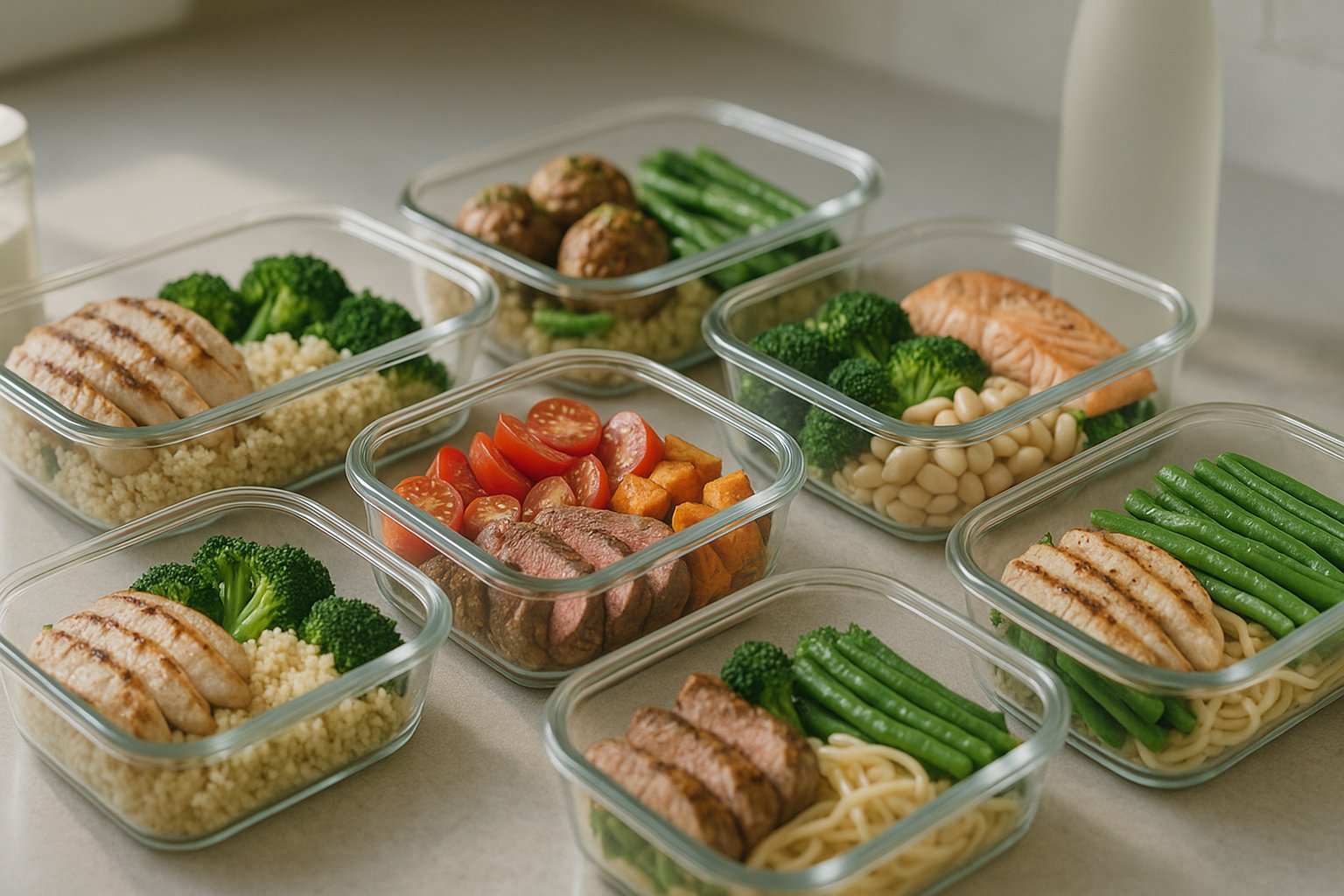
Pork chops are a weeknight staple in many homes: affordable, quick to cook, and high in protein. If you take a GLP-1 medication such as semaglutide or tirzepatide, they can be a good part of your meals. But thick, dry, or fatty chops can feel heavy and hard to finish on a small appetite.
Here is how to choose and cook pork chops that work for you.
The short answer
Yes, you can eat pork chops on a GLP-1. Lean, tender chops in smaller portions, cooked so they stay moist, usually sit well. Thick fatty chops, breaded and fried chops, and heavy gravies are more likely to feel heavy.
Why protein helps
A 2024 review of lean body mass changes with GLP-1 based therapies found that the proportion of total weight loss made up by lean tissue varied widely across studies. Getting enough protein, along with strength training, is one of the main things you can do to protect muscle. Pork chops deliver a good amount of protein in a modest portion.
Choose leaner cuts
- Boneless loin chops and center-cut chops are leaner.
- Pork tenderloin is one of the leanest cuts and very tender.
- Rib chops and blade chops have more fat and flavor.
Trim visible fat before or after cooking.
Keep them tender
Dry, chewy meat can be harder to eat on a slower stomach. To keep chops moist:
- Choose thinner chops, or slice thick ones in half.
- Brine or marinate before cooking.
- Cook to a safe internal temperature without overcooking, then rest a few minutes.
- Slice thinly before eating.
Lighter cooking methods
Grill, bake, pan-sear in a little oil, or air-fry. Breaded and deep-fried chops and smothered chops in heavy gravy are richer. Our guide on what to eat to minimize nausea has gentle food ideas for upset days.
Portion
A smaller chop, or half a large one, with vegetables may be a full meal. Eat the pork first, and stop when you are comfortable. Our guide on tracking your progress covers ways to notice whether protein is showing up across your meals.
Sides
Roasted vegetables, a small baked potato, applesauce, or a salad pair well. Keep heavy sides like scalloped potatoes or mac and cheese small.
Leftovers
Cooked pork keeps for a few days in the fridge and is great sliced into salads, wraps, or fried rice. Keep containers from crowding your medication on the middle shelf. Our guide on storing compounded semaglutide or tirzepatide at home covers the basics.
Dose increases
These medications are started at a low dose and increased gradually, and side effects tend to be strongest early and after each increase. In those days, thin slices of tender pork tenderloin may sit better than a thick chop. If you are comparing medications, our guide on tirzepatide and semaglutide side effects covers how they differ.
If you have diabetes
The prescribing information for Wegovy, a semaglutide medication, notes that patients with diabetes mellitus taking it in combination with insulin or an insulin secretagogue, such as a sulfonylurea, may have an increased risk of hypoglycemia, including severe hypoglycemia. A protein-only meal may not keep your blood sugar steady, so include some carbohydrate as your provider advises, check your blood sugar as directed, and never change those medicines on your own.
Watch for the signs of under-eating too: persistent fatigue, feeling cold, hair shedding, dizziness when you stand, losing strength, and losing weight faster than you and your provider intended.
Pork chops are also easy to batch-cook. Season several thin chops or a whole tenderloin at the start of the week, cook them together, and slice them for meals over the next few days. Having ready-cooked protein in the fridge makes it much more likely you will eat it on busy or low-energy days, instead of reaching for crackers or toast.
Simple flavors go a long way with pork. A rub of garlic, paprika, and a little brown sugar, a mustard and herb crust, or a quick pan sauce made with broth and a splash of apple cider adds flavor without heavy gravy. Pairing pork with fruit, such as sliced apples or a spoonful of applesauce, is a classic combination that also adds a little fiber.
If you are cooking for a family, pork chops make it easy to portion. Others can take a full chop while you take half, and leftovers can be sliced for lunch the next day.
Consider this scenario: a man on a GLP-1 cooks a thick, bone-in pork chop until it is dry and tough, smothers it in gravy, and serves it with a big helping of scalloped potatoes. He manages a few bites before feeling heavy and leaves most of the pork. Choosing a thinner boneless chop, brining it, cooking it just until done, slicing it thinly, and serving it with roasted vegetables would very likely have given him a satisfying dinner with plenty of protein.
The short version
You can eat pork chops on a GLP-1, and they are an affordable, protein-rich dinner. Choose leaner cuts like loin chops or tenderloin, trim fat, keep them moist with brining and careful cooking, and slice thinly. Grill, bake, or air-fry rather than deep-fry, keep heavy sides small, and eat the pork first.
If you want a provider who will help you build simple, protein-rich dinners, TrimRx includes ongoing provider access alongside treatment.
This information is for educational purposes and is not medical advice. Consult with a healthcare provider before starting any medication. Individual results may vary.

Transforming Lives, One Step at a Time
Keep reading
Can You Eat Trail Mix on a GLP-1?
Trail mix is a classic portable snack: nuts, seeds, dried fruit, and often chocolate candies or pretzels. It keeps without refrigeration, travels well, and…
Can You Eat Frozen Yogurt on a GLP-1?
Frozen yogurt is a popular treat, especially at self-serve shops where you fill your own cup and pile on toppings. It is cold, smooth,…
Can You Eat Muffins on a GLP-1?
Muffins are an easy grab-and-go breakfast: a coffee shop blueberry muffin, a banana nut muffin from the bakery, or a homemade batch on the…


