Is It Normal to Have a Headache After Taking Ozempic?
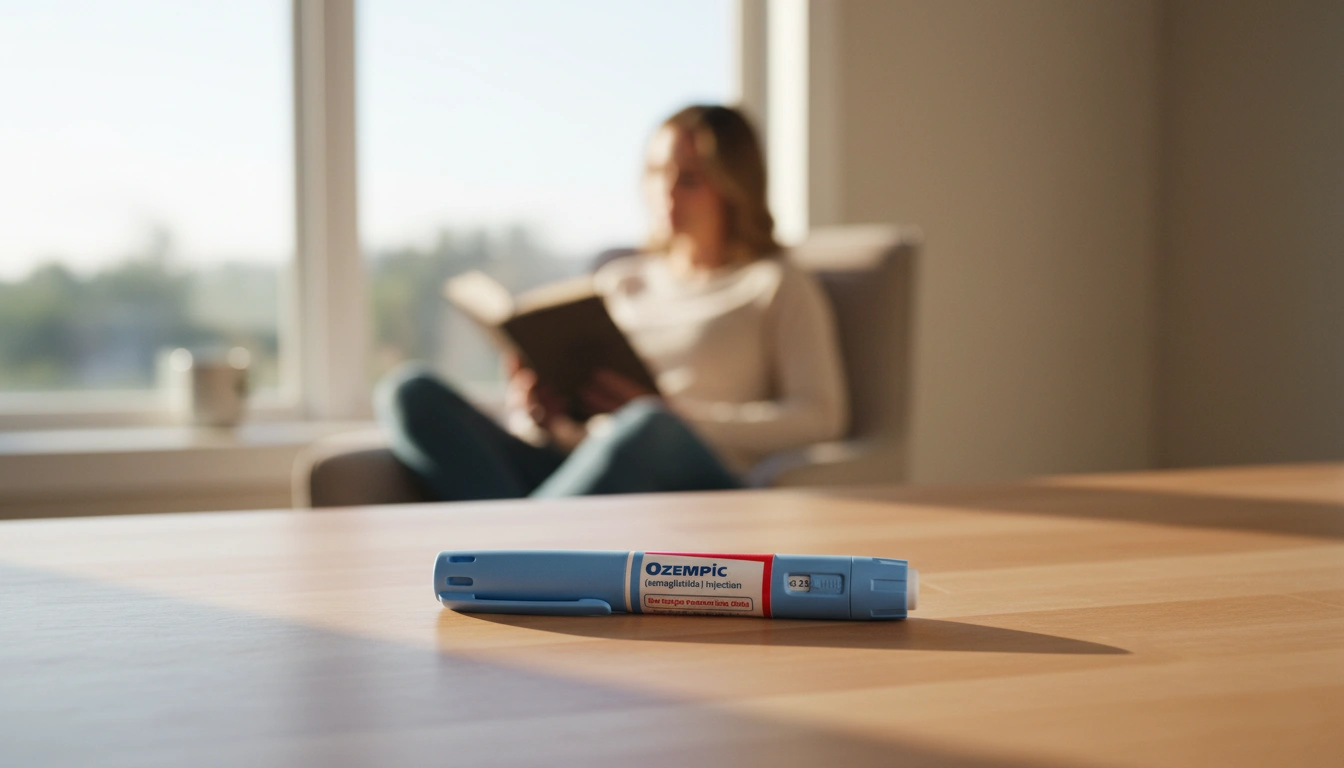
A dull, nagging headache is one of the things people often notice in the first days or weeks on Ozempic or another GLP-1. It can show up the day after an injection, after a dose increase, or on days when you have barely eaten. Most of the time it is mild and improves as your body adjusts and you get your eating and drinking back on track. Occasionally, it is a sign that something else needs attention.
Here is what is behind it and what helps.
The short answer
Yes, a mild headache can be a normal, usually temporary experience on Ozempic, especially early in treatment and after dose increases. Headaches that are severe, sudden, or come with other worrying symptoms are not something to wait out.
Why headaches can happen
Headaches on these medications are usually linked to everyday causes that the medication makes more likely:
- Drinking less. A smaller appetite often means less fluid, too.
- Eating much less, or skipping meals. Long gaps without food are a common headache trigger.
- Nausea, vomiting, or diarrhea, which can cause fluid loss.
- Caffeine changes. Drinking less coffee or tea than usual can cause withdrawal headaches.
- Poor sleep during the adjustment period.
Dehydration matters
The prescribing information for Wegovy, which contains semaglutide, the same active ingredient as Ozempic, at a higher dose, warns about acute kidney injury due to dehydration, and notes that the majority of reported events occurred in people who had gastrointestinal side effects such as nausea, vomiting, or diarrhea. A headache is often one of the first signs you are low on fluids, so it is worth taking seriously.
What helps
- Sip fluids through the day, rather than large amounts at once.
- Eat something small and often, with protein, instead of going many hours without food.
- Keep your caffeine steady, or cut back gradually.
- Rest in a dark, quiet room if the headache is strong.
- Ask your pharmacist or provider which over-the-counter pain reliever is safe for you.
Our guide on tracking your progress covers simple ways to note when headaches happen and what you had eaten and drunk.
Gentle foods on headache days
When a headache comes with nausea, plain foods like crackers, toast, broth, bananas, and rice may be easier. Our guide on what to eat to minimize nausea has more ideas.
When a headache is not normal
Seek care right away for a sudden, severe headache, a headache with fever and a stiff neck, confusion, weakness or numbness on one side, trouble speaking, vision changes, or fainting. Also contact your provider if headaches are getting worse, waking you up, or not improving after a few weeks. If you are comparing medications, our guide on tirzepatide and semaglutide side effects covers how they differ.
Dose increases
Side effects tend to be strongest early and after each dose increase. If headaches return each time you step up, tell your provider. They may suggest holding your dose for longer. Our guide on semaglutide dose escalation covers how dose steps usually work, and our guide on the Ozempic starting dose covers what the first weeks usually look like.
If you have diabetes
The prescribing information for Wegovy notes that patients with diabetes mellitus taking it in combination with insulin or an insulin secretagogue, such as a sulfonylurea, may have an increased risk of hypoglycemia, including severe hypoglycemia. A headache with shakiness, sweating, hunger, or confusion can be a sign of low blood sugar. Check your blood sugar when this happens, and never change those medicines on your own.
Do not stop on your own
If headaches are making daily life hard, talk to your provider before stopping or skipping doses. Our guide on taking a break and restarting covers why stopping and restarting is more involved than it sounds. Keep your medication stored properly, too. Our guide on storing compounded semaglutide or tirzepatide at home covers the basics.
Watch for the signs of under-eating as well, since they often travel with headaches: persistent fatigue, feeling cold, hair shedding, dizziness when you stand, losing strength, and losing weight faster than you and your provider intended.
Consider this scenario: a woman on Ozempic gets a dull headache most afternoons in her second week. She has been skipping breakfast, drinking only one coffee instead of her usual three, and sipping very little water. Eating a small breakfast with protein, keeping her coffee closer to her usual amount, carrying a water bottle, and mentioning the headaches to her provider would very likely have eased them within days.
The short version
A mild headache after taking Ozempic is common, especially early on and after dose increases. It is often linked to drinking less, eating less, skipping meals, caffeine changes, or fluid loss from nausea or diarrhea. Sip fluids, eat something small and often, keep caffeine steady, and ask your pharmacist about pain relief. Seek care right away for sudden, severe, or unusual headaches, and check your blood sugar if you have diabetes.
If you want a provider who will help you through the early side effects, TrimRx includes ongoing provider access alongside treatment.
This information is for educational purposes and is not medical advice. Consult with a healthcare provider before starting any medication. Individual results may vary.

Transforming Lives, One Step at a Time
Keep reading

Is It Normal for Blood Pressure to Drop on Ozempic?
Your home blood pressure readings are lower than they have been in years. That can be good news. But if you also feel lightheaded…

Is It Normal to Need Less Insulin on Ozempic?
Your usual insulin dose kept you in range for years. Now, a few weeks or months into Ozempic or another GLP-1, you are seeing…

Is It Normal to Be Gassy on Ozempic?
Rumbling after meals, burping that will not settle, or passing far more gas than usual: being gassy is a side effect many people on…


