Is It Normal for Nausea to Come Back on Ozempic?
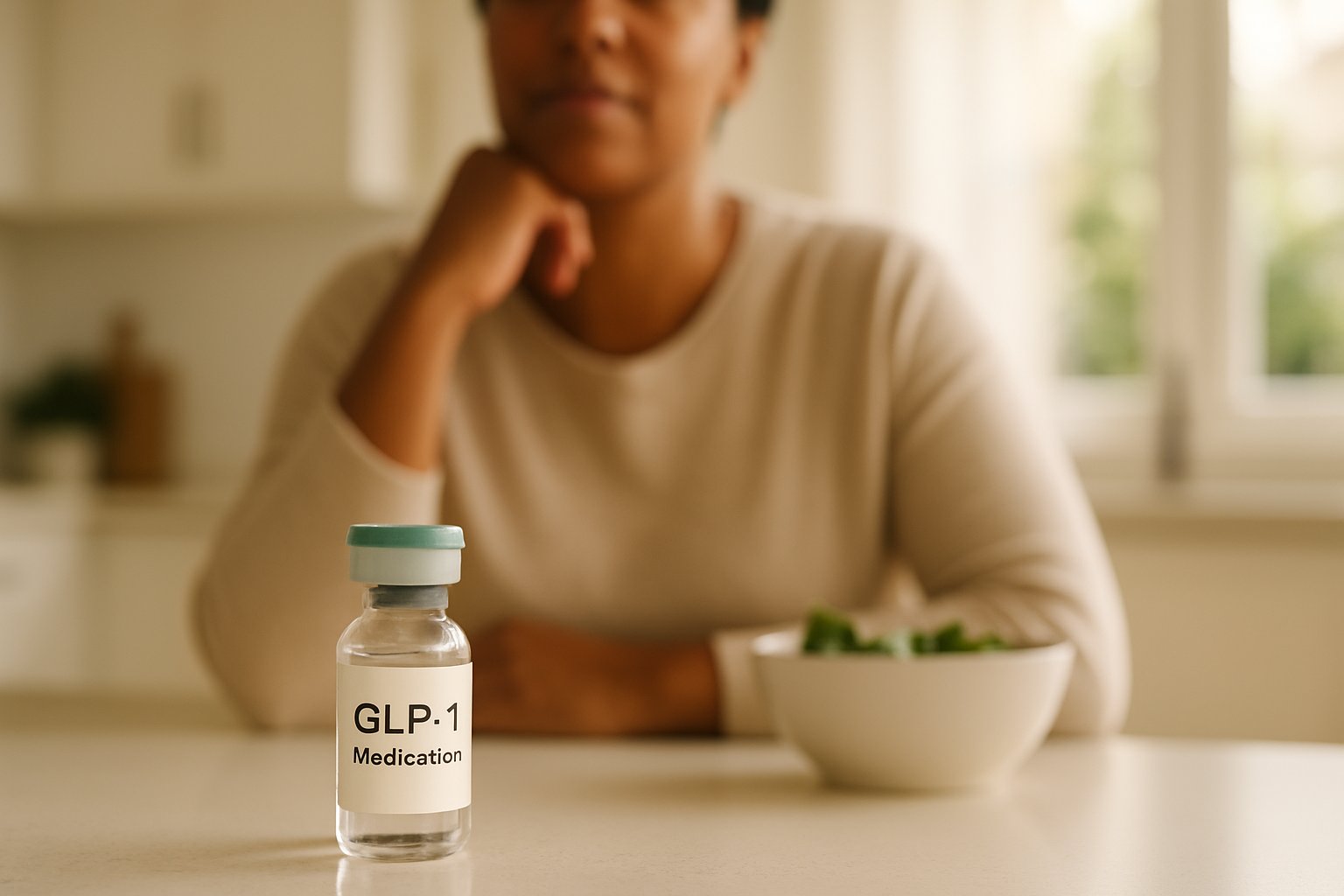
Many people on Ozempic or another GLP-1 have a rough first few weeks, then settle in and feel much better. So it can be discouraging when nausea suddenly returns weeks or months later. The good news is that there is usually a clear reason, and most of the time it settles again. Occasionally, returning nausea is a sign of something else that needs attention.
The short answer
Yes, it is common for nausea to come back on Ozempic, most often after a dose increase, larger or richer meals, or changes in routine. It usually eases again within days to weeks. Nausea with severe pain, repeated vomiting, or other new symptoms needs medical attention.
How common is nausea?
The prescribing information for Wegovy, which contains semaglutide, the same active ingredient as Ozempic, at a higher dose, reports that in clinical trials nausea was reported by 44% of people on the medication against 16% on placebo, and vomiting by 24% against 6%. Side effects tend to be strongest early and after each dose increase.
Common reasons nausea returns
- A dose increase. The most common trigger. Our guide on semaglutide dose escalation covers how dose steps usually work.
- Eating larger meals again as you get used to treatment.
- Richer or greasier food, like a holiday meal, takeout, or a party.
- Eating late and lying down soon after.
- Alcohol.
- A missed dose and restart, which can feel like starting over.
- An unrelated illness, like a stomach bug.
What helps
- Go back to small, gentle meals for a few days.
- Eat slowly and stop at the first sign of fullness.
- Avoid greasy, spicy, and very rich foods while it settles.
- Sip fluids through the day.
- Give yourself time before lying down after eating.
Our guide on what to eat to minimize nausea has gentle food ideas.
When returning nausea is not normal
Seek care right away for severe stomach pain that does not go away, especially if it spreads to your back, pain in the upper right side of your stomach with fever or yellowing of the skin or eyes, repeated vomiting, vomiting blood, or signs of dehydration. Tell your provider if nausea lasts more than a week or two without a clear cause. If there is any chance you could be pregnant, take a test and talk to your provider.
Talk to your provider about your dose
If nausea returns after each increase and is hard to manage, your provider may suggest staying at your current dose longer. Our guide on the Ozempic starting dose covers what the first weeks usually look like. If you are comparing medications, our guide on tirzepatide and semaglutide side effects covers how they differ.
Keep a steady routine
A consistent injection day and site rotation help you see patterns. Our guide on rotating injection sites covers how to build a simple rotation.
If you have diabetes
The prescribing information for Wegovy notes that patients with diabetes mellitus taking it in combination with insulin or an insulin secretagogue, such as a sulfonylurea, may have an increased risk of hypoglycemia, including severe hypoglycemia. If nausea keeps you from eating, check your blood sugar as directed, contact your provider, and never change those medicines on your own.
Do not stop on your own
If nausea is making life hard, talk to your provider before stopping or skipping doses. Skipping doses and restarting can bring nausea back again.
Watch for the signs of under-eating too: persistent fatigue, feeling cold, hair shedding, dizziness when you stand, losing strength, and losing weight faster than you and your provider intended.
Keeping a simple note of when nausea returns can help you spot the trigger quickly. Write down the date, how many days after your injection it started, what you ate the day before, and whether your dose recently changed. After a few weeks, many people see a clear pattern, which makes it easier to plan meals and to have a useful conversation with their provider.
It also helps to plan ahead around events you know are coming. If a dose increase is due near a holiday, a wedding, or a trip, ask your provider whether it makes sense to time it differently, and keep meals at those events small and simple. Never skip a dose to enjoy a big meal, since restarting can bring nausea back.
Consider this scenario: a man on Ozempic feels great for two months, then has nausea for several days after a dose increase and a large, greasy birthday dinner. Worried something is wrong, he considers stopping. Going back to small, gentle meals for a few days, avoiding rich food and alcohol, sipping fluids, and asking his provider whether to stay at his new dose a little longer before moving up would very likely have helped the nausea settle again.
The short version
Nausea coming back on Ozempic is common, most often after a dose increase, bigger or richer meals, eating late, alcohol, or restarting after a missed dose. Go back to small, gentle meals, eat slowly, sip fluids, and give it a few days. Seek care right away for severe pain, repeated vomiting, or signs of dehydration, and talk to your provider if it lasts more than a week or two.
If you want a provider who will help you through ups and downs in treatment, TrimRx includes ongoing provider access alongside treatment.
This information is for educational purposes and is not medical advice. Consult with a healthcare provider before starting any medication. Individual results may vary.

Transforming Lives, One Step at a Time
Keep reading

Is It Normal to Not Feel Anything After Taking Ozempic?
You have heard stories about people losing interest in food overnight or feeling queasy after their first dose. Then you take your own first…

Is It Normal to Have Dark Urine on Ozempic?
Noticing that your urine is darker than usual can be worrying. On Ozempic or another GLP-1, the most common reason is simple: you are…

Is It Normal to Feel Like Food Is Stuck on Ozempic?
Some people on Ozempic or another GLP-1 describe a heavy, pressured feeling after eating, as if food is sitting high in the stomach or…


