How to Lose Weight at Home Without a Gym
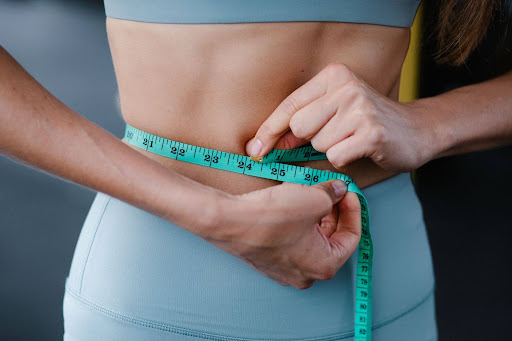
Losing weight does not require a gym membership or expensive equipment. With the right approach, you can make progress at home by focusing on your eating habits, daily movement, strength exercises, and other simple lifestyle changes.
The key is creating habits you can maintain consistently. Whether you prefer home workouts, walking, bodyweight exercises, or simply becoming more active throughout the day, there are several practical ways to support weight loss without going to the gym.
Can People Lose Weight at Home Without a Gym?
Yes. Weight loss does not require a gym. The body burns calories through movement and daily activity, whether that happens on a treadmill or in a hallway. What matters is the size of the gap between calories consumed and calories burned. That gap can be created through food choices, walking, bodyweight movements, or lifting weights at home. A gym membership can help, but it is not a requirement. Anyone trying to lose weight knows that consistency is the hardest part, and a home setup often makes consistency easier because there is no travel time and no crowd. The first step is a realistic goal and one small change.
How to Lose Weight at Home Without a Gym
1. Create a Calorie Deficit
Weight loss requires a calorie deficit, which means eating fewer calories than the body uses. This reduces calorie intake and pushes the body to draw on stored fat for energy. A deficit of 300 to 500 calories per day is enough for most adults. Cutting high-calorie drinks and snacks is often the fastest way to reduce calorie intake without feeling deprived.
The number of calories a body needs depends on age, size, and activity level, so expert advice from a doctor or dietitian is worth seeking. Tracking food for a week usually reveals where the extra calories hide. Swapping soda for water, for example, can remove several hundred calories a day with almost no effort.
2. Increase Protein
Protein helps with satiety, the feeling of being full. The body also spends more energy digesting protein than it does digesting fat or carbohydrates, a process known as the thermic effect of food. Adding protein to each meal is one of the simplest ways to increase protein intake, and it keeps hunger pangs in check between meals. Eggs, chicken, fish, beans, tofu, and Greek yogurt all work. A target of 20 to 30 grams per meal supports fullness and helps preserve muscle while fat comes off. Muscle mass burns more calories at rest, so protecting it keeps progress from stalling.
3. Focus on Whole Foods
Whole foods are minimally processed. Vegetables, fruits, whole grains, lean meats, nuts, and seeds carry fiber, water, and nutrients that help the stomach feel full. Whole grains such as oats, brown rice, and quinoa digest slowly and steady blood sugar. Processed foods tend to pack added sugar, salt, and fat, and they are easy to overeat. A useful starting rule is to fill half the plate with vegetables, then add a protein and a grain. Low-calorie choices such as leafy greens add volume to a meal, so it is possible to eat fewer calories and still feel satisfied. People who eat whole foods most of the time usually find that hunger is easier to manage and that overall health improves along the way.
4. Control Portion Sizes
Portion control matters even when the food is healthy. Nuts, avocado, and olive oil are nutritious but calorie dense. Smaller plates and bowls can help, and so can waiting ten minutes before going back for more. Measuring cups or a food scale teach what a normal serving looks like. Someone who eats rice or pasta regularly can keep both on the menu while measuring the amount. Serving smaller portions reduces calorie intake without removing favorite foods.
5. Drink More Water
Staying hydrated supports weight loss in a few ways. Water contains no calories, and a glass before a meal can take the edge off hunger. Thirst is often mistaken for hunger, which leads to unnecessary snacking. Water also aids digestion and helps the body absorb nutrients. Eight to ten cups a day is a reasonable target, with more needed during exercise or hot weather. Drinking lemon water in the morning is a popular habit, though plain water works just as well.
6. Limit Sugary Drinks and Processed Foods
Sugary drinks are one of the largest sources of empty calories in a typical diet. Soda, sweet tea, and juice can add hundreds of calories daily without providing any real nutrition. Reducing sugar intake is one of the highest-value changes a dieter can make.
Processed snacks such as chips, cookies, and fast food are high-calorie and low in nutrients, and they tend to trigger cravings. Replacing them with fruit, nuts, or yogurt is a practical swap. Nobody needs a perfect diet. Many people follow a 90/10 approach, eating healthy foods most of the time and allowing treats occasionally.
Best Exercises for Weight Loss at Home
Exercise helps burn calories and build strength, and none of it requires a gym. The options below cover most fitness levels, and each one contributes to the overall energy balance that allows the body to burn fat.
1. Walking
Walking is the easiest way to lose weight for most beginners. It burns calories, requires no equipment, and is gentle on the joints. Walking first thing in the morning sets a productive tone for the day. A brisk pace gets the heart rate up enough to matter, and a step counter can make progress visible. Aiming for 7,000 to 10,000 steps a day is a reasonable target. Walking is available at home, in a hallway, or around the block, which removes most excuses.
2. Bodyweight Exercises
Bodyweight exercises use the body’s own resistance. Squats, push-ups, lunges, and planks cover most of the major muscle groups. Squats target the glutes and hamstring muscles, push-ups work the chest and arms, and lunges build leg strength and balance.
Planks train the core, and keeping the back straight protects the spine. These movements build strength and burn calories with no equipment at all. Three sets of 10 to 15 repetitions per movement is a good starting point. No amount of targeted work can reduce abdominal fat on its own, so full-body training is the better strategy.
3. Strength Training
Strength training, also called weight training or lifting weights, builds and keeps muscle. Muscle burns more calories at rest, so it plays a direct role in boosting metabolism. Dumbbells, resistance bands, or filled water bottles all work at home. Training major muscle groups two or three times a week is enough. Common movements include squats, deadlifts, rows, and presses. Form matters more than load at the beginning. Strength work also supports bone health and improves overall function, which is why it belongs in any long-term plan.
4. Cardio Workouts
Cardio workouts raise the heart rate and burn a meaningful number of calories. Dancing, jogging in place, jumping jacks, and stair climbing all qualify. Twenty to thirty minutes most days is a solid target. Short sprint intervals are another option, such as 20 seconds of hard effort followed by 40 seconds of rest. That pattern produces a high calorie burn in a short window. Cardio is flexible, inexpensive, and easy to scale to any fitness level.
5. HIIT Workouts
HIIT stands for high-intensity interval training. It alternates short bursts of hard effort with brief recovery. A full session can be finished in 15 to 20 minutes, which makes it useful for busy schedules. Common movements include burpees, mountain climbers, squat jumps, and plank jacks.
High-intensity work produces an afterburn effect, so the fat-burning response continues after the session ends. Two sessions a week is a sensible starting point. Recovery matters, so pairing HIIT with walking and strength work usually produces better long-term results than doing it daily.
How to Create a Weight Loss Routine at Home
1. Set Realistic Goals
It helps to set goals that are specific and reachable. Losing 1 to 2 pounds per week is considered safe and sustainable on the path to a healthy weight. Fast results are not the measure of a good plan. A goal such as walking 30 minutes five days a week is easy to track and easy to achieve, and meeting it builds momentum for harder targets.
Habit goals matter too, such as eating vegetables with lunch. Progress can also be measured against current weight, waist measurements, and energy levels rather than the scale alone.
2. Schedule Workouts
Workouts are more likely to happen when they are scheduled. Putting a session on the calendar turns it into an appointment rather than an intention. Some people prefer mornings, others evenings, and either works as long as the time is realistic. Laying out clothes the night before removes a small but real barrier. A predictable schedule helps anyone stay active through busy weeks.
3. Increase Daily Movement
Daily movement adds up faster than most people expect. Household chores, walking to the store, and taking stairs all burn calories. Standing during phone calls, walking after meals, and parking farther from a door are easy additions. A short break to move every hour keeps energy up and adds to the weekly total. A daily routine that includes more movement makes formal exercise less of a burden.
4. Plan Meals
Meal planning makes balanced meals easier to assemble. Three meals and two snacks, each built around protein, vegetables, and a grain, cover most needs. Cooking once and eating twice saves time. Washing and cutting vegetables on the weekend makes weekday meals faster. Planning also reduces the chance of ordering high-calorie takeout. Keeping simple staples on hand, such as eggs, oats, and frozen vegetables, makes the plan work on days when motivation is low.
How Much Exercise Is Needed to Lose Weight?
For weight loss, most adults need 150 to 250 minutes of moderate exercise per week. That works out to roughly 30 to 50 minutes on five days. Someone with a larger goal may need more. Strength training should appear two or three times a week, and daily movement should fill in the rest.
Exercise alone rarely produces large weight loss. Diet and exercise work best together. Starting with 10 minutes a day and adding time each week is a safe progression. Consistency matters more than intensity.
How to Stay Consistent With Weight Loss at Home

1. Track Progress
Tracking shows whether the plan is working. Weight, measurements, and photos all provide useful information. Weighing at the same time each week is more reliable than daily checks, since water weight fluctuates. A notebook or an app works equally well. When progress stalls, tracking reveals whether food intake or activity slipped. Tracking is a tool for adjustment, not a source of guilt.
2. Build Sustainable Habits
Habits outlast motivation. Extreme diets rarely survive a birthday party or a holiday. Small changes, such as eating a healthy breakfast, walking after dinner, and drinking water throughout the day, can be kept for years. Dropping soda alone has helped many people lose weight steadily. Changing one habit at a time works better than changing everything at once. Sustainable habits lead to lasting weight management.
3. Get Enough Sleep
Sleep influences hunger and appetite. Short sleep raises cortisol, a stress hormone, and chronic stress increases appetite and encourages fat storage. Seven to nine hours a night is the usual recommendation. A regular sleep schedule, a cool dark room, and less screen time before bed all help. Good sleep supports weight loss and improves recovery from training.
4. Manage Stress
Stress often leads to emotional eating. Walking, deep breathing, and talking with a friend are healthy alternatives. Yoga and stretching also help. Lower cortisol reduces stress on the body and makes it easier to stay on plan. Food should not be the main coping tool. A short list of non-food activities, prepared in advance, can be useful when a difficult day arrives.
5. Stay Consistent
Setbacks are normal. One missed workout or one heavy meal does not undo weeks of work. The best response is to return to the routine the next day. Small wins boost motivation, and long-term thinking beats perfection. The weight loss journey is rarely a straight line, and the people who succeed are usually the ones who stay consistent through the flat stretches.
Common Mistakes to Avoid When Losing Weight at Home
1. Eating Too Little
Eating too few calories can slow metabolism and cause muscle loss. Energy drops, hunger rises, and binge eating often follows. Going below 1,200 calories a day without medical supervision is not advisable. A moderate deficit with adequate protein and vegetables is more effective over time and easier to maintain.
2. Relying Only on Exercise
Exercise burns calories, but diet usually decides the outcome. It is very hard to out-train a high-calorie diet. Someone who exercises daily but eats poorly may see little change. Food intake and activity both deserve attention. Tracking calories consumed for a week or two is often eye-opening.
3. Skipping Strength Training
Cardio alone can lead to muscle loss along with fat loss, which lowers resting metabolism. Strength training helps preserve muscle and keeps the metabolic rate higher. Two or three sessions a week is enough. Body weight, bands, or dumbbells all work. Basic movements such as squats and push-ups cover most of what is needed.
4. Following Extreme Diets
Extreme diets are difficult to maintain and often lead to nutrient gaps. Weight may come off quickly, then return. A balanced diet that includes all food groups is easier to sustain. Cutting entire food groups without a medical reason is rarely necessary. Favorite foods can stay in the plan in smaller amounts.
5. Expecting Fast Results
Early weight loss is often water weight, and real fat loss takes time. One to two pounds a week is a realistic pace. Comparing progress to someone else’s results is rarely helpful. Energy, sleep quality, and strength are also signs that the plan is working.
Frequently Asked Questions
1. Can someone lose weight without going to the gym?
Yes. A home workout, walking, and strength training all burn calories, and diet supplies most of the deficit. No expensive gym is required. A plan and consistency matter far more than a membership.
2. What is the best exercise for losing weight at home?
There is no single best exercise. Walking, bodyweight exercises, strength training, cardio, and HIIT all contribute. The most effective choice is the one that gets done regularly. A mix of strength and cardio covers the most ground.
3. Can walking at home support weight loss?
Yes. Walking burns calories and is easy to repeat. Thirty to sixty minutes most days is enough to make a difference, especially when paired with a sensible diet. It is low impact and requires nothing but shoes.
4. How many days a week should exercise happen at home?
Five days a week is a reasonable target. Moderate cardio can fill most of those days, with strength training two or three times. Rest days matter for recovery and should be built into the schedule.
5. How much weight can be lost without going to the gym?
One to two pounds a week is a safe and sustainable rate. Early losses may be larger because of water weight. Over months, diet and exercise determine the result.

Transforming Lives, One Step at a Time
Keep reading

How to Maintain Weight Loss Long Term
Losing weight is one goal, but keeping it off long term can be just as challenging. Once you reach your target weight, the focus…
Does Bupropion Cause Weight Gain or Loss?
Bupropion, better known by the name Wellbutrin, has been prescribed for depression for more than three decades. It is also used to treat seasonal…
Top 5 Best Weight Loss Programs for Beginners in 2026
Starting a weight loss journey means sorting through GLP-1 medication ads, apps that gamify your groceries, and online weight management programs promising a doctor…


