Is It Normal to Sweat More on Ozempic?
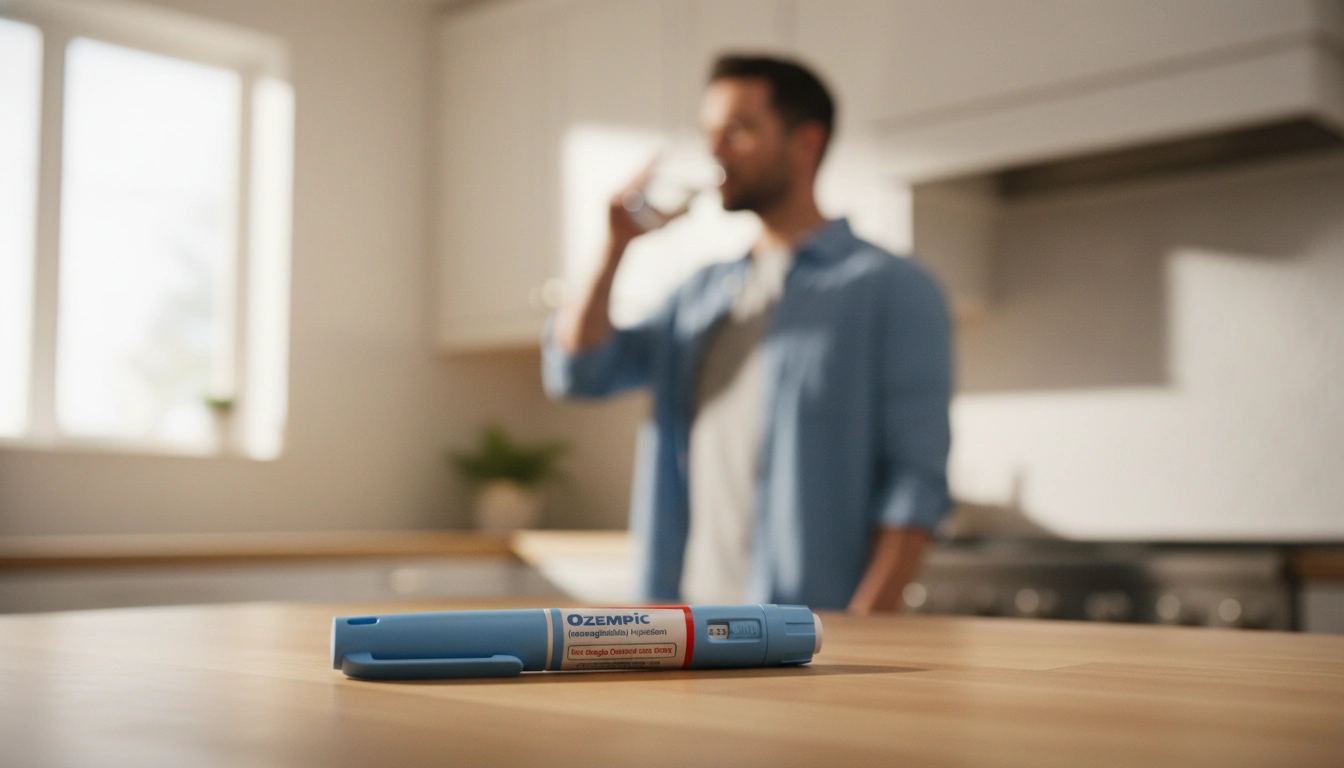
Waking up damp, feeling clammy after your injection, or sweating more than usual during the day can be unsettling when you have just started a new medication. Some people on Ozempic or another GLP-1 describe exactly this. Sweating is not one of the most talked-about side effects, but it has a handful of understandable causes. For people with type 2 diabetes, one of them, low blood sugar, is worth ruling out first.
The short answer
Sweating more is not one of the most common side effects of Ozempic, but some people notice it, especially early in treatment, around injection day, or when they have eaten very little. It is often linked to nausea, low food intake, poor sleep, or changes in routine. Sweating with shakiness, confusion, or a racing heart can be a sign of low blood sugar and needs attention right away.
Low blood sugar comes first if you have diabetes
The prescribing information for Wegovy, which contains semaglutide, the same active ingredient as Ozempic, at a higher dose, notes that patients with diabetes mellitus taking it in combination with insulin or an insulin secretagogue, such as a sulfonylurea, may have an increased risk of hypoglycemia, including severe hypoglycemia. Sweating, shakiness, hunger, a fast heartbeat, irritability, or confusion can all be signs. Check your blood sugar when this happens, treat a low as your care team has advised, tell your provider, and never change those medicines on your own. Night sweats or waking with a headache can be signs of a low overnight.
Other possible causes
- Nausea. Feeling sick often comes with clamminess and sweating.
- Eating very little, or going many hours without food.
- Poor sleep, reflux, or waking often at night.
- Hot drinks, spicy food, alcohol, or caffeine.
- Other causes unrelated to the medication, such as hormonal changes, infections, or other medicines.
Sweating with nausea
When nausea is the trigger, sweating usually eases as the nausea passes. Eat something small and often, sip cool fluids, get fresh air, and avoid strong smells. Our guide on what to eat to minimize nausea has gentle food ideas for unsettled days.
What helps
- Eat regularly, with protein at each meal.
- Sip fluids through the day, since sweating means losing fluid.
- Keep your bedroom cool and use light, breathable bedding.
- Go easy on alcohol, caffeine, and spicy food, especially in the evening.
- Keep notes on when sweating happens.
When sweating is not normal
Call 911 for chest pain, fainting, sudden shortness of breath, or confusion. Seek care promptly for sweating with fever, unexplained weight loss beyond what you and your provider expect, a very fast or irregular heartbeat, or severe stomach pain. Tell your provider if night sweats keep happening, soak your sheets, or come with other new symptoms.
Dose increases
Side effects tend to be strongest early and after each dose increase. Our guide on the Ozempic starting dose covers what the first weeks usually look like. If you notice sweating mostly after an increase, mention it to your provider.
Track when it happens
Write down when you sweat, what you ate, your blood sugar if you check it, and how many days after your injection it was. Our guide on tracking your progress covers ways to keep notes your provider can use.
Your injection routine
Some people feel clammy right after injecting, usually from nerves rather than the medication. Sit somewhere calm, breathe slowly, and give yourself a minute. Our guide on GLP-1 injection sites covers where and how to inject comfortably.
Watch for the signs of under-eating too, since going long stretches without food can trigger sweating: persistent fatigue, feeling cold, hair shedding, dizziness when you stand, losing strength, and losing weight faster than you and your provider intended.
It is also worth thinking about what else has changed. Starting a new medication often coincides with a new exercise routine, a different sleep schedule, more stress, or new supplements. Sweating can come from any of these, and your provider can help sort out which is most likely.
Small changes can make nights more comfortable while you work out the cause. Keep a glass of water and a spare T-shirt by the bed, use a light cotton or moisture-wicking layer, and try a fan or a slightly cooler room. If sweating happens mostly in the hours after your injection or on days you barely ate, that pattern is a useful clue to share with your provider, because it points toward side effects or low intake rather than something unrelated.
Consider this scenario: a man with type 2 diabetes who takes a sulfonylurea starts Ozempic and begins waking at night drenched in sweat, with a pounding heart. He has been skipping dinner because he rarely feels hungry. Checking his blood sugar when he wakes, eating a small balanced dinner, and calling his provider, who could review his diabetes medicines, would very likely have uncovered and fixed the overnight lows.
The short version
Sweating more is not one of the most common Ozempic side effects, but some people notice it, often linked to nausea, eating very little, poor sleep, or other changes. If you have diabetes and take insulin or a sulfonylurea, check your blood sugar first, since sweating can be a sign of a low. Eat regularly, sip fluids, keep your bedroom cool, and tell your provider if night sweats keep happening.
If you want a provider who will look at the whole picture when new symptoms appear, TrimRx includes ongoing provider access alongside treatment.
This information is for educational purposes and is not medical advice. Consult with a healthcare provider before starting any medication. Individual results may vary.

Transforming Lives, One Step at a Time
Keep reading

Is It Normal for an Ozempic Injection to Sting?
The needle is often barely noticeable. It is the few seconds afterward, when the medication goes in, that can bring a sharp sting or…

Is It Normal to Have Brain Fog on Ozempic?
Walking into a room and forgetting why, rereading the same paragraph three times, or feeling like your head is wrapped in cotton wool: brain…

Is It Normal to Have Vivid Dreams on Ozempic?
Waking up from a dream that felt completely real, remembering strange dreams every morning, or having more nightmares than usual: some people on Ozempic…


