Do You Have to Pinch Your Skin When Injecting Mounjaro?
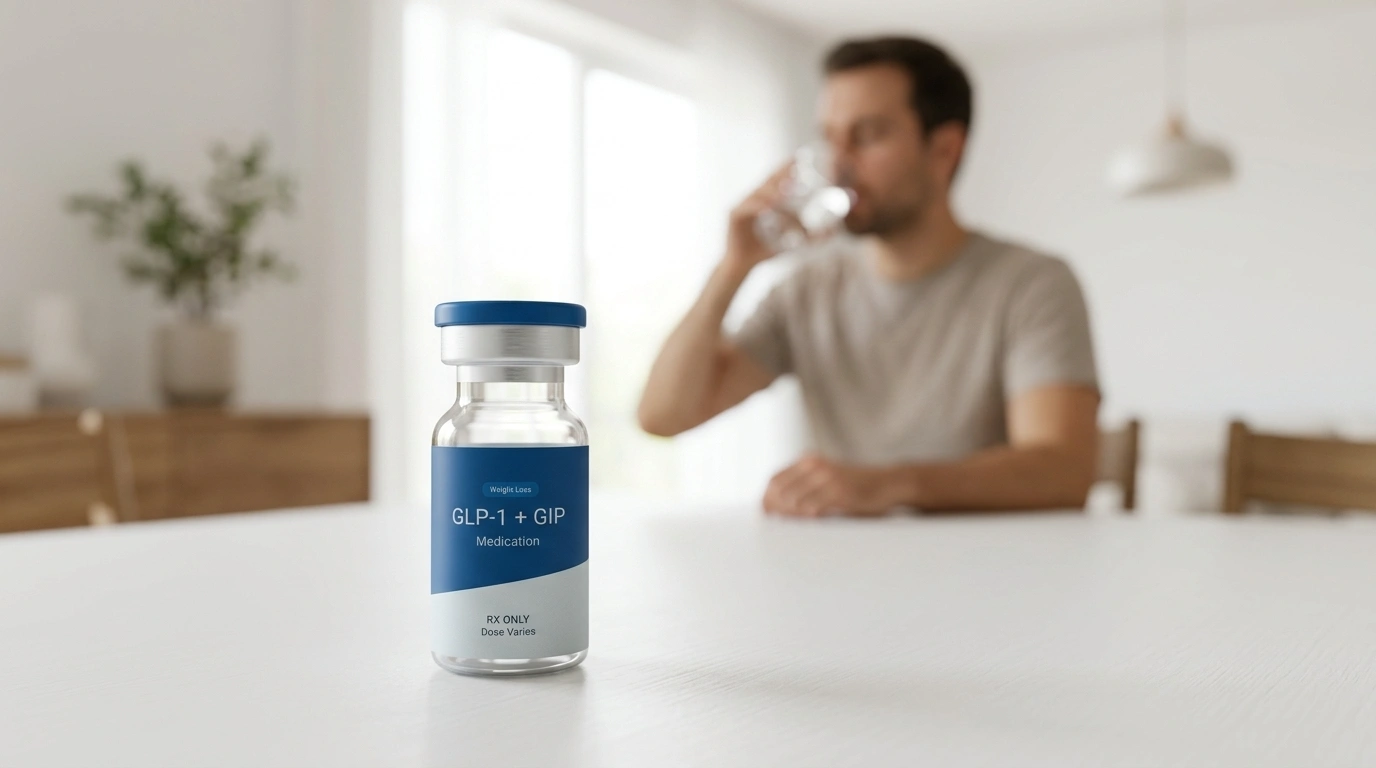
Table of Contents
- Introduction
- The Short Answer: To Pinch or Not to Pinch?
- Understanding Subcutaneous Injections
- How to Use the Mounjaro® Pen Correctly
- Choosing and Rotating Injection Sites
- Compounded Medications vs. Branded Pens
- Maximizing Comfort and Reducing Anxiety
- Common Injection Mistakes to Avoid
- Moving Forward with Your Personalized Program
- The Role of Supportive Supplements
- Conclusion
- FAQ
Introduction
Starting a new medication like Mounjaro® often marks a significant turning point in a health journey, but it frequently comes with a side of “needle nerves.” You might have experience with other types of injections where a “pinch an inch” technique was the standard rule. At TrimRx, we believe that understanding the technical mechanics of your treatment is the first step toward clinical confidence and long-term success. This article explores whether you really need to pinch your skin during your weekly dose, how the delivery device is designed to function, and the best practices for a comfortable, effective experience. While many traditional injections involve gathering the skin, the standard U.S. autoinjector pen is engineered to deliver the medication precisely into the subcutaneous fat layer when held flat against the injection site.
If you are considering whether a personalized prescription program may be appropriate for your needs, you can complete a free eligibility assessment.
The Short Answer: To Pinch or Not to Pinch?
The quick answer for most individuals using the branded Mounjaro® autoinjector is no. The official instructions provided by the manufacturer do not require you to pinch your skin. Instead, the device is designed to be placed flat against the skin of your chosen injection site.
Quick Answer: You do not have to pinch your skin when using the standard U.S. Mounjaro® single-dose pen. The device is designed to be held flat against your skin at a 90-degree angle to deliver the medication into the fatty tissue.
The reason you don’t need to pinch is found in the design of the autoinjector. The needle inside the pen is extremely short and thin. It is specifically measured to reach the subcutaneous fat—the layer of fat just under your skin—without going deep enough to hit the muscle. When you press the clear base of the pen firmly and flatly against your skin, the device handles the depth and delivery automatically.
For additional context, review this guide on whether skin pinching is needed for Mounjaro injections.
Why Some People Still Pinch
Even though it is not a requirement, some people find that a light pinch makes them feel more secure during the process. This is often a habit carried over from using other medications like insulin or from following the advice of healthcare providers who were trained on different types of delivery systems.
If you have a very low body fat percentage, a healthcare provider might suggest a light pinch to ensure the medication stays within the fatty tissue. However, for the majority of people using this medication for weight management or metabolic health, the “flat-against-the-skin” method is the most reliable way to ensure the pen functions as intended.
Understanding Subcutaneous Injections
To understand why pinching is or isn’t necessary, it helps to understand what a subcutaneous injection actually is. Subcutaneous means “under the skin.” This type of injection targets the tissue layer between the skin and the muscle.
Mounjaro® is a dual agonist that mimics two natural hormones in the body: glucagon-like peptide-1 (GLP-1) and glucose-dependent insulinotropic polypeptide (GIP). These hormones help regulate appetite and blood sugar. Because these medications are designed for slow, steady absorption into the bloodstream, they must be deposited into the fatty tissue rather than the muscle. Muscle tissue has a much higher blood flow, which would cause the medication to be absorbed too quickly, potentially increasing side effects and reducing how long the dose lasts.
For a broader explanation of the process, read this step-by-step tirzepatide injection guide.
Key Takeaway: Subcutaneous injections target the fat layer under the skin to ensure the medication is absorbed slowly and steadily, which is essential for the effectiveness of GLP-1 and GIP medications.
How to Use the Mounjaro® Pen Correctly
Using the autoinjector is designed to be a straightforward process. Because the needle is hidden inside the device until the moment of injection, many people find it much less intimidating than a traditional syringe.
Step 1: Preparation.
Wash your hands thoroughly with soap and water. Inspect the pen to ensure the liquid is clear and colorless. If it is cloudy or contains particles, do not use it. Check the expiration date on the label.
Step 2: Choose Your Site.
Select an injection site from the three approved areas: the abdomen, the front of the thigh, or the back of the upper arm. If you choose the abdomen, stay at least two inches away from your belly button.
Step 3: Clean the Skin.
Wipe the chosen area with an alcohol swab and let it air dry completely. Injecting into wet alcohol can cause a slight stinging sensation.
Step 4: Unlock the Pen.
Remove the base cap only when you are ready to inject. Place the clear base flat and firm against your skin. Turn the lock ring to the “unlock” position.
Step 5: Inject and Wait.
Press and hold the purple button. You will hear a loud click, which signals the start of the injection. Continue holding the pen firmly against your skin. You will hear a second click several seconds later. This indicates the injection is complete. You may also see a gray plunger in the window.
Step 6: Disposal.
Once you hear the second click and see the gray plunger, you can remove the pen from your skin. Dispose of the used pen in a sharps container immediately.
For more practical guidance, see this guide to giving tirzepatide injections correctly.
Choosing and Rotating Injection Sites
The location where you choose to inject can influence your comfort and, in some cases, the intensity of your experience with the medication. While the medication is equally effective regardless of the site, individual responses can vary.
The Abdomen
The stomach is the most common site because it is easy to reach and usually has an adequate fat layer. Research suggests that appetite suppression may be slightly more pronounced when injecting into the abdomen, but this site may also be associated with a slightly higher incidence of gastrointestinal side effects like nausea.
The Thigh
The front of the thigh is another popular option. Some patients report that injecting into the thigh reduces the severity of nausea compared to the abdomen. This may be a good choice for those who are particularly sensitive to the initial effects of a dose.
The Upper Arm
The back of the upper arm is an approved site, but it is generally recommended only if you have someone else to administer the injection. It can be difficult to maintain the necessary 90-degree angle and firm pressure when trying to reach your own arm.
Note: Regardless of which area you prefer, you must rotate your injection site every week. This means choosing a different quadrant of the stomach or switching legs.
For additional site-selection information, review this practical guide to GLP-1 injection sites.
Why Rotation Matters
Injecting into the exact same spot every week can lead to a condition called lipohypertrophy. This is a buildup of fatty tissue under the skin that can become hard or lumpy. Not only can this be uncomfortable, but it can also interfere with how well the medication is absorbed. By moving the injection site at least one inch each week, you allow the tissue time to recover.
Learn more about why changing tirzepatide injection sites matters.
Compounded Medications vs. Branded Pens
While many people use branded autoinjector pens, others may be prescribed compounded versions of these medications. It is important to distinguish between these options. Compounded Semaglutide and Compounded Tirzepatide are not FDA-approved, though they are prepared and shipped by FDA-registered, inspected compounding pharmacies to meet specific patient needs.
If you are using a compounded medication, you will likely be using a traditional vial and syringe rather than an autoinjector pen. In this scenario, the rules for pinching often change.
When using a manual syringe, healthcare providers often recommend the “pinch” technique. Gently pinching a fold of skin helps to pull the subcutaneous fat away from the underlying muscle. This ensures the needle, which you are controlling manually, goes into the correct tissue layer. This type of personalization is something we facilitate at TrimRx by connecting patients with licensed providers who determine the most appropriate delivery method for their needs.
Myth: Compounded medications and branded pens are used exactly the same way.
Fact: Branded pens are autoinjectors that usually require a flat-surface technique, while compounded medications often involve a manual syringe that may require a skin pinch for safety.
If you are unsure which treatment format may fit your health profile, you can see if you qualify for a personalized program.
Maximizing Comfort and Reducing Anxiety
If you are nervous about your weekly dose or find that the injection is slightly uncomfortable, there are several steps you can take to improve the experience.
Allow the Medication to Reach Room Temperature.
Injecting cold liquid straight from the refrigerator can sometimes cause a stinging sensation. Many people find it helpful to take the pen out of the fridge about 30 minutes before they plan to use it. This allows the medication to reach room temperature, which often makes the process much smoother.
Use Numbing Techniques.
If you have a significant fear of needles or skin sensitivity, you can use an ice cube to numb the area for a minute before cleaning it with alcohol. Just ensure the skin is dry and clean before you begin the injection process.
Don’t Rush the Button.
One of the most common mistakes is pulling the pen away too early. The second click is your signal that the process is finished. If you pull away before the second click, you may not receive the full dose of medication. Counting to five or ten after the second click can provide extra peace of mind that the medication has been fully delivered.
Expect a Small Drop.
It is perfectly normal to see a tiny drop of liquid or a small speck of blood at the injection site after you remove the pen. This does not mean the injection failed. Simply blot the area with a cotton ball or gauze if needed, but avoid rubbing the site, as this can irritate the tissue.
For more comfort strategies, read why Mounjaro injections may hurt and how to reduce discomfort.
Common Injection Mistakes to Avoid
Even though the device is designed for ease of use, errors can still happen. Being aware of these common pitfalls can help you avoid wasting a dose.
- Injecting into Damaged Skin: Avoid areas with scars, stretch marks, bruises, or redness. These areas may have tougher tissue or altered blood flow, which can affect absorption and cause more pain.
- The Wrong Angle: The pen should be held at a 90-degree angle (straight up and down) to the skin. Holding it at a slanted angle can prevent the needle from reaching the correct depth or may cause the device to malfunction.
- Moving the Pen: Once you press the button, keep the pen perfectly still. Shifting or tilting the pen during the delivery can cause discomfort or lead to a partial dose.
- Forgetting to Unlock: It sounds simple, but many people press the button while the pen is still locked. If the button doesn’t move, check the lock ring.
Bottom line: Success with Mounjaro® injections comes down to three things: a flat 90-degree angle, waiting for the second click, and rotating your site every week.
Moving Forward with Your Personalized Program
A successful weight loss journey involves more than just the injection itself. It requires a comprehensive approach that considers your unique health profile and lifestyle. We understand that navigating the world of GLP-1 and GIP medications can be complex, which is why our platform focuses on more than just access.
At TrimRx, we connect you with licensed healthcare providers who supervise your journey through a telehealth-first model. This means you have access to professional guidance without the need for in-person waiting rooms. Whether you are using Compounded Tirzepatide or navigating the logistics of branded medications, our team is there to support you.
Our programs are fully personalized, meaning your dosage and treatment plan are tailored to your specific goals and medical history. We also offer unlimited support to help you manage side effects, refine your injection technique, and stay on track with your metabolic health goals.
If you are ready to explore whether a medically supervised prescription program fits your needs, complete a free assessment quiz.
The Role of Supportive Supplements
As you adapt to your medication, you might find that certain side effects like occasional nausea or changes in digestion occur. These are common as the body adjusts to the hormones that regulate hunger. To support this transition, we offer quick-access products like GLP-1 Daily Support.
These supplements are designed to work alongside your program to support gut health and nutrient intake. While they are not a replacement for your medication, they can be a valuable part of a holistic approach to wellness, helping you feel your best as you move toward your target weight.
Conclusion
Navigating the specifics of Mounjaro® injections doesn’t have to be a source of stress. While you do not have to pinch your skin when using the standard autoinjector pen, focusing on proper site rotation and holding the device flat against your skin will ensure you get the most out of every dose. At TrimRx, we are committed to making this process as transparent and supportive as possible. Our mission is to combine clinical expertise with the convenience of modern technology to help you achieve sustainable, healthy results.
By choosing a personalized, medically supervised path, you are taking a proactive step toward better metabolic health. If you are ready to see which program is right for your needs, the best next step is to take the free assessment quiz. This allows us to understand your health profile and connect you with the right resources to start your journey.
FAQ
Does it hurt more if I don’t pinch my skin?
For most people, the sensation is the same whether they pinch or not. The Mounjaro® needle is so thin and short that it typically feels like a very brief, minor prick. Using the “flat-against-the-skin” method as instructed often results in less tissue trauma than an aggressive pinch.
What happens if I accidentally hit muscle?
Because the autoinjector needle is very short, hitting muscle is unlikely for the average person. If it does happen, the medication may be absorbed more quickly, which could temporarily increase side effects or decrease the duration of appetite suppression for that week. Always try to inject into areas with visible fatty tissue to avoid this.
Can I inject Mounjaro through my clothes?
No, you should never inject through clothing. The pen must be placed directly against clean, dry skin. Injecting through fabric can introduce bacteria into the injection site, increasing the risk of infection, and may interfere with the pen’s delivery mechanism.
How do I know for sure the injection worked?
A successful injection is confirmed when you hear the second click and see the gray plunger in the pen’s window. If these two things happen, the medication has been delivered. A tiny drop of liquid on the skin afterward is normal and does not mean the dose failed. If you are still unsure about your technique or whether a personalized program may be appropriate, you can complete a free eligibility assessment.
Disclaimer: This content is for informational purposes only and does not constitute medical advice. It is not intended to diagnose, treat, cure, or prevent any disease or condition. Individual results may vary. Always consult a qualified healthcare professional before starting any weight loss program or medication.

Transforming Lives, One Step at a Time
Keep reading
Purim on Mounjaro: The Fast, the Seudah, and the Drinking
Purim celebrates the story of Esther with some of the most joyful customs of the Jewish year. The Fast of Esther, from dawn until…
Celebrating Nowruz on Mounjaro
Nowruz, the New Year celebrated at the spring equinox, is one of the most joyful times of the year for Iranian, Afghan, Kurdish, Azerbaijani,…
Memorial Day Weekend at the Lake on Mounjaro
For many families, Memorial Day weekend opens the summer at the lake. There are boat rides, tubing, swimming off the dock, coolers full of…


