What Happens if You Accidentally Inject Mounjaro Into Muscle
Introduction
The first time you hold an injection pen, a wave of nervousness is completely normal. You might worry about the angle, the depth, or whether you are choosing the right spot. A very common question for those starting their journey is what happens if you accidentally inject Mounjaro into muscle instead of the intended fatty tissue. At TrimRx, we understand that mastering the technical side of your treatment is just as important as the medication itself. This post covers the physiological differences between fat and muscle injections, how your body processes the medication in each scenario, and how to ensure your weekly dose is as effective as possible. While hitting the muscle is usually not a medical emergency, it can change how you feel and how well the medication works for that week. Our goal is to help you feel confident and informed every step of the way.
If you are still exploring whether prescription GLP-1 treatment may be appropriate for you, you can complete a free eligibility assessment.
Understanding Subcutaneous vs. Intramuscular Injections
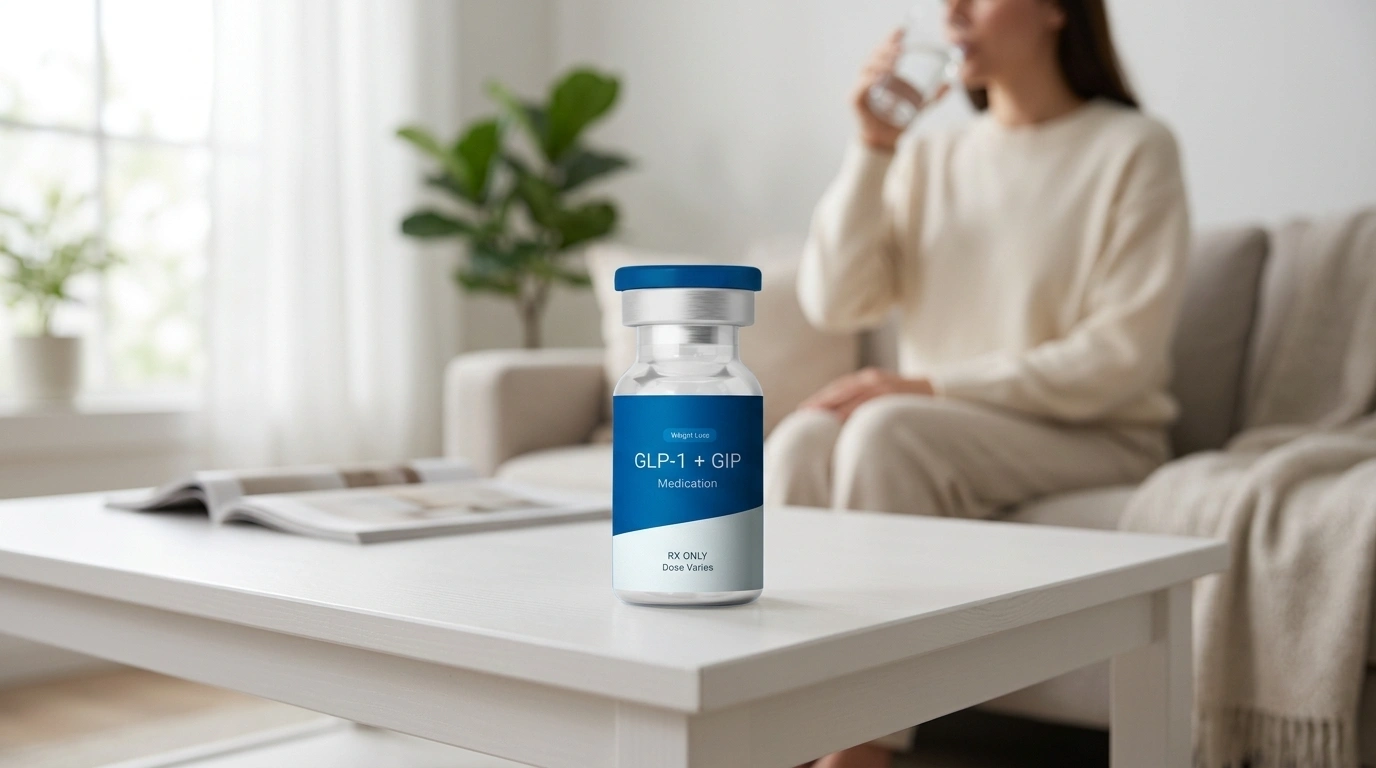
To understand why the injection site matters, we first need to look at how Mounjaro® (tirzepatide) is designed to move through your body. Tirzepatide is a dual-acting receptor agonist. This means it mimics two hormones: glucagon-like peptide-1 (GLP-1) and glucose-dependent insulinotropic polypeptide (GIP). These hormones help regulate your blood sugar and signal to your brain that you are full.
The medication is intended for subcutaneous injection. This means it should be delivered into the layer of fat located just below your skin but above the muscle. For additional guidance, review this complete guide to self-injecting tirzepatide.
The Role of Subcutaneous Fat
Fat tissue has fewer blood vessels than muscle tissue. This is a deliberate choice for medications like tirzepatide. When the medication is placed in the fat, it creates a small “reservoir” or depot. Because there is limited blood flow in the fat layer, the medication leaks slowly and steadily into your bloodstream. This slow release is what allows the drug to stay active in your system for an entire week.
The Role of Muscle Tissue
Muscle tissue is highly vascularized, meaning it is packed with blood vessels. It is designed to move substances quickly. If a medication is injected directly into a muscle (an intramuscular injection), the high blood flow carries the drug into the general circulation much faster than a subcutaneous injection would.
Key Takeaway: Subcutaneous injections are designed for a “slow-drip” effect, while intramuscular injections act more like a “fast-pass” into your bloodstream.
What Happens During a Muscle Injection?
If the needle goes past the subcutaneous fat and enters the muscle, the primary change is the speed of absorption. Your body does not “lose” the medication; rather, it processes the entire dose on a different timeline than the manufacturer intended.
The Medication Spike
When tirzepatide enters the muscle, it is absorbed rapidly. Instead of the gradual rise in blood concentration that occurs over 24 to 48 hours, you may experience a sharp “spike” in medication levels shortly after the injection. This sudden surge can overwhelm the receptors in your digestive system and brain.
For a deeper look at injection depth and how to keep the medication in the fatty tissue, read this guide to how deep tirzepatide injections should go.
Increased Side Effect Intensity
Most of the common side effects of GLP-1 and GIP medications—such as nausea, stomach upset, or lightheadedness—are related to how quickly the medication levels rise. This is why providers typically start patients on a very low dose and increase it gradually over several months. By accidentally injecting into the muscle, you are essentially giving your body a “fast-acting” version of a long-acting drug. This often leads to more intense gastrointestinal distress during the first day or two after the shot.
Reduced Duration of Action
Because the medication is absorbed so quickly, it may also be cleared by your body faster than usual. Mounjaro® is designed to provide consistent appetite suppression for seven days. If the dose hits the muscle and spikes early, you might find that the “food noise” or hunger returns by day four or five of your cycle. The steady, level concentration needed for the best results is disrupted.
Bottom line: An intramuscular injection causes the medication to peak too high and fade too soon, which can lead to a “rollercoaster” of side effects and hunger throughout the week.
Signs You May Have Hit the Muscle
It can be difficult to tell exactly where the needle landed, especially since the needles used in modern injection pens are quite short. However, there are a few physical clues that suggest you may have gone deeper than the fat layer. This overview of what happens when Mounjaro is injected in the wrong place provides additional context.
- Sharp, Localized Pain: Subcutaneous fat has relatively few nerve endings. While a small prick is normal, a sharp, stinging pain or a deep “aching” sensation during the injection often indicates the needle has reached the muscle.
- Bleeding at the Site: While a tiny drop of blood is common if you nick a surface capillary, significant bleeding usually suggests the needle hit the more vascular muscle layer.
- Immediate Bruising: Muscle tissue bleeds more easily when punctured. If you notice a dark bruise forming within minutes or a deep, sore bruise the next day, it is a strong sign of an intramuscular injection.
- Rapid Onset of Nausea: If you typically feel the effects of your medication a day later but suddenly feel intense nausea within an hour or two, your body may have absorbed the dose too rapidly via the muscle.
Note: If you experience severe, worsening pain, spreading redness, or heat at the injection site, consult a healthcare provider immediately. These could be signs of an infection or an allergic reaction.
Potential Risks and Long-Term Concerns
While a single accidental injection into the muscle is generally not cause for alarm, it is important to understand why consistency matters for your long-term health and weight loss goals.
Nerve and Tissue Irritation
Muscles contain more significant nerves than the fat layer. Repeatedly hitting the muscle in the same area can lead to localized inflammation or nerve irritation. In very rare cases, an improperly placed injection in the buttock or thigh could interfere with major nerves, though this is highly unlikely with the short needles used for GLP-1 treatments.
Scar Tissue Development
Injecting into the muscle can cause small amounts of internal scarring over time. This scar tissue is tougher than healthy muscle or fat, and it does not absorb medication well. If you develop scar tissue (often felt as a hard lump under the skin), future injections in that spot may not be absorbed correctly, even if you follow the right technique.
Blood Sugar Fluctuations
For individuals using tirzepatide specifically to manage type 2 diabetes, a muscle injection can cause more significant fluctuations in blood sugar. The rapid absorption might cause a sharper drop in glucose than expected, followed by a rise later in the week as the medication wears off early.
How to Ensure a Subcutaneous Injection Every Time
Avoiding the muscle is largely a matter of selecting the right site and using the correct technique. Most injection pens are designed with needles between 4mm and 8mm long, which makes hitting the muscle difficult for most people, but certain factors can increase the risk.
1. Choose the Right Site
The three primary areas recommended for Mounjaro® injections are chosen because they typically have the most subcutaneous fat. For more detail, review this practical guide to where to inject tirzepatide in the stomach.
- The Abdomen: This is often the most reliable site. Aim for at least two inches away from your belly button. This area generally has a consistent layer of fat and is easy to reach.
- The Thighs: Focus on the front and outer parts of the upper thigh. Avoid the inner thigh, as it has more blood vessels and less fat.
- The Upper Arm: This site targets the fatty tissue over the triceps. Because it is harder to reach, it is often best to have someone else administer the injection here to ensure the correct angle.
2. The “Pinch” Technique
If you have a lower body fat percentage or are injecting into a leaner area like the thigh, you can use the pinch technique. Gently grasp a fold of skin and fat between your thumb and forefinger and pull it slightly away from your body. This “lifts” the fat layer away from the muscle, creating a safer target for the needle.
3. Maintain a 90-Degree Angle
Insert the needle straight into the skin at a 90-degree angle. Some people try to “aim” the needle at an angle to stay shallow, but this can actually lead to the medication being deposited in the dermis (the skin layer), which can cause irritation or “leaking” of the medicine back out of the tiny hole.
4. Rotate Your Sites
Never inject into the exact same spot two weeks in a row. Imagine a grid on your stomach or thighs and move to a different “square” each week. This prevents the buildup of scar tissue and ensures the fat stays healthy and receptive to the medication. You can also review this tirzepatide injection-site rotation guide for another practical approach.
Step-by-Step for a Perfect Injection:
- Step 1: Clean the area with an alcohol swab and let it air dry completely.
- Step 2: If you are lean, gently pinch the skin to isolate the fat.
- Step 3: Place the pen or needle firmly against the skin at a 90-degree angle.
- Step 4: Deploy the medication and hold the needle in place for a full 10 seconds to ensure the entire dose is absorbed.
- Step 5: Remove the needle and dispose of it in a sharps container immediately.
What to Do If You Think You Hit Muscle
If you realize shortly after your injection that you likely hit the muscle, do not panic. Do not attempt to take a second dose. Even if the medication is absorbed faster, your body will still utilize the tirzepatide.
Manage the Side Effects
Since you may experience a “peak” in side effects, be proactive. Stay hydrated, eat small and bland meals, and rest if you feel nauseous. Most people find that the increased side effects from a muscle injection subside within 24 to 48 hours as the initial spike in medication levels drops.
Monitor Your Hunger
Be prepared for the possibility that your appetite suppression might not last the full seven days. If you find yourself feeling hungrier toward the end of the week, focus on high-protein, high-fiber foods to help bridge the gap until your next scheduled dose.
Consult Your Provider
If you are consistently having trouble with injections or if you are experiencing severe pain, it is important to speak with a healthcare professional. They can review your technique or suggest different needle lengths or injection sites that better suit your body type.
Personalized Support Through TrimRx
Navigating the world of GLP-1 and GIP medications can feel overwhelming, especially when questions about injection technique arise. At TrimRx, we provide more than just access to a platform; we offer a personalized experience designed to take the guesswork out of your health journey. Our program connects you with licensed providers who can guide you through the process, from the initial assessment to ongoing support.
We understand that every person’s body is different. Whether you are using compounded medications shipped from FDA-registered pharmacies or navigating branded options like Mounjaro®, our team is dedicated to ensuring you have the tools to succeed. By prioritizing education and transparent communication, we help you focus on what really matters: achieving sustainable health and wellness.
If you are considering prescription treatment, you can see whether you qualify for a personalized program.
Key Takeaway: Success with tirzepatide is about consistency and technique. If you hit the muscle once, learn from it, adjust your method, and keep moving forward.
Conclusion
Accidentally injecting Mounjaro® into the muscle is a common concern, but it is rarely a reason to worry. The primary result is a faster absorption rate, which might lead to a temporary increase in side effects and a shorter duration of appetite control for that week. By choosing the right injection sites, using the pinch technique, and rotating your locations, you can ensure that your medication works exactly as intended. Remember that this journey is a marathon, not a sprint, and occasional technical hiccups are part of the learning process. Our mission at TrimRx is to support you with science-backed guidance and a personalized approach that makes weight management feel manageable and sustainable.
If you are ready to take the next step toward a healthier lifestyle, we invite you to take the free assessment quiz to see which personalized program is right for you.
FAQ
Will the medication still work if I inject it into my muscle?
Yes, the medication will still be absorbed into your bloodstream and will function in your body. However, it will likely be absorbed much faster than intended, which can lead to a shorter duration of action and a higher likelihood of experiencing intense side effects like nausea during the first few days.
Should I take another dose if I think I hit the muscle?
No, you should never take an extra dose of your medication in the same week, regardless of how you injected it. Your body will still process the full dose you administered. Taking a second dose could lead to dangerously high levels of the medication in your system and severe gastrointestinal distress.
Is it dangerous to hit a vein during an injection?
While hitting a small capillary is common and may cause a drop of blood, hitting a major vein with the short needles used for tirzepatide is very unlikely. If you do happen to inject into a small vein, the medication will simply enter your bloodstream immediately, which may cause a sudden but temporary feeling of nausea or lightheadedness.
How can I tell the difference between fat and muscle when injecting?
Fat tissue generally feels softer and more pliable, while muscle tissue feels firmer, especially if it is tensed. To ensure you are hitting fat, choose areas with visible subcutaneous tissue like the abdomen, and use the “pinch” technique to lift the fat away from the underlying muscle before inserting the needle. If you are unsure about your technique, you can complete a free eligibility assessment.
Disclaimer: This content is for informational purposes only and does not constitute medical advice. It is not intended to diagnose, treat, cure, or prevent any disease or condition. Individual results may vary. Always consult a qualified healthcare professional before starting any weight loss program or medication.

Transforming Lives, One Step at a Time
Keep reading

Mounjaro Alternatives: What Else to Consider
If Mounjaro isn’t the right fit, the closest alternatives are other GLP-1 medications, chiefly semaglutide (Ozempic for diabetes, Wegovy for weight), along with a…

Mounjaro vs Zepbound: Same Drug, Two Brands
Like their semaglutide counterparts, Mounjaro and Zepbound are the same medication (tirzepatide) sold under two names for two purposes: Mounjaro is approved for type…

Retatrutide vs Mounjaro: Triple Agonist vs Dual Agonist
The core difference between retatrutide and Mounjaro comes down to how many hormone targets each hits: retatrutide activates three receptors, while Mounjaro (tirzepatide) activates…


