How Deep to Inject Tirzepatide for Best Results
Introduction
Starting a weight loss journey with injectable medication often brings a mix of excitement and hesitation. Many people feel a bit nervous about the prospect of self-administering a weekly dose. One of the most common questions we hear is exactly how deep the needle needs to go to ensure the medication works correctly. At TrimRx, we believe that understanding the practical steps of your treatment is essential for building confidence and achieving long-term success.
This post will cover everything you need to know about the depth and technique of tirzepatide injections. We will look at the anatomy of a subcutaneous injection, the best places on your body to use, and how to make the process as comfortable as possible. Our goal is to provide you with a clear roadmap so you can focus on your health goals rather than the mechanics of the needle. Mastering the proper injection technique ensures that your body absorbs the medication effectively. For an additional visual walkthrough, review this complete guide to self-injecting tirzepatide.
Understanding Subcutaneous Injections
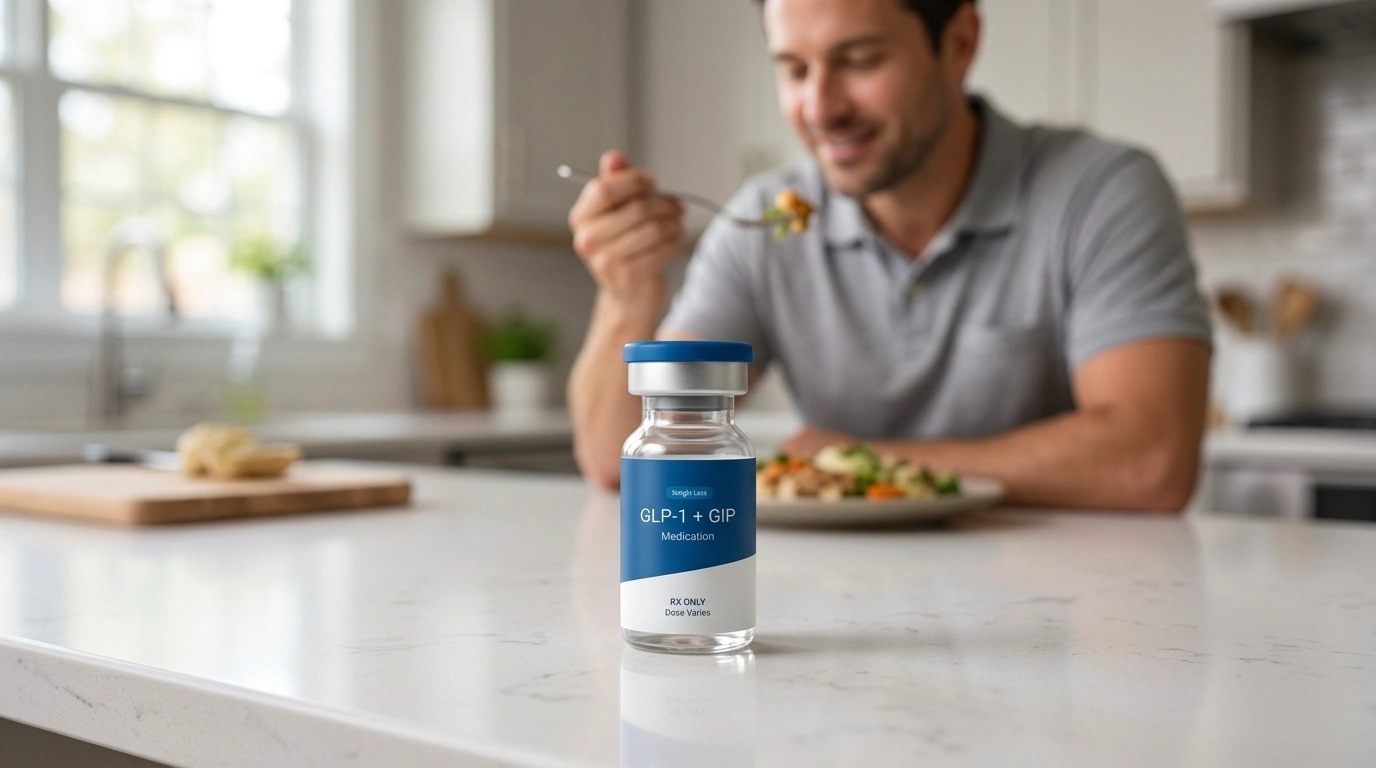
Tirzepatide is a medication known as a GLP-1 (glucagon-like peptide-1) and GIP (glucose-dependent insulinotropic polypeptide) receptor agonist. These are hormones naturally found in the body that help regulate blood sugar and signal to the brain that you are full. To work properly, this medication must be delivered into the subcutaneous fat layer. If you are considering whether prescription treatment is appropriate for you, you can complete a free eligibility assessment.
The subcutaneous layer is the area of fatty tissue located directly between your skin and your muscle. This layer has fewer blood vessels than muscle tissue. When you inject medication here, it is absorbed slowly and steadily into your bloodstream. This slow absorption is crucial for medications like tirzepatide, which are designed to stay in your system for a full week.
If the medication is injected too shallowly, it may stay in the skin layers (intradermal), which can cause irritation or poor absorption. If it is injected too deeply, it could reach the muscle (intramuscular). Intramuscular injections absorb much faster, which could increase the risk of side effects or reduce how long the dose lasts.
Exactly How Deep to Inject Tirzepatide
When people ask how deep they should go, they are often surprised by how shallow the target actually is. The needles used for tirzepatide are typically very short and thin. Most of these needles are between 4 millimeters and 8 millimeters in length. For context, 4 millimeters is about the thickness of two nickels stacked together.
The goal is to go through the outer layers of the skin to reach the fatty tissue beneath. Because the needles are so short, you usually need to insert the entire length of the needle at a 90-degree angle to the skin. This ensures the tip of the needle rests firmly in the subcutaneous fat. This guide to GLP-1 injection sites provides additional information about appropriate injection locations.
Quick Answer: Tirzepatide should be injected into the subcutaneous fat layer, which is just below the skin. This typically requires a needle length of 4mm to 8mm, inserted fully at a 90-degree angle to ensure the medication is absorbed correctly over time.
For most individuals, the fatty layer is easily accessible in several parts of the body. Even for those with lower body fat percentages, these specific areas typically have enough subcutaneous tissue to safely accommodate a small needle. If you are concerned about your specific body composition, a healthcare provider can give you personalized guidance on the best angle for your frame.
Choosing the Right Injection Sites
To ensure the medication is delivered to the correct depth, you must choose a site with an adequate fat layer. There are three primary areas recommended for tirzepatide injections. This detailed tirzepatide injection-site guide explains how to choose among these locations.
The Abdomen
The stomach is the most common site for self-injection. It is easy to see and reach. You should aim for the area at least two inches away from your belly button. This area generally has a consistent layer of fat, making it ideal for reaching the correct depth without hitting muscle. Avoid areas with scars, moles, or skin irritation.
The Front of the Thigh
The top and outer areas of the thigh are also excellent choices. This site is particularly useful for people who find it uncomfortable to inject in the abdomen. When using the thigh, ensure you are relaxed. If you tense your leg muscles, it can make the injection feel more difficult or uncomfortable.
The Back of the Upper Arm
The fatty area on the back of the upper arm can be used, but it is often the most difficult site for self-administration. It usually requires a bit of reaching or the assistance of a partner or caregiver. If you choose this site, make sure you can maintain a 90-degree angle with the needle to reach the proper depth.
The Science of the Subcutaneous Layer
The subcutaneous tissue, also known as the hypodermis, serves several functions. It stores energy, provides insulation, and protects your internal organs. For GLP-1 and GIP medications, its most important role is acting as a reservoir.
When tirzepatide enters this fatty layer, it binds to the tissue and is slowly released. This allows the medication to maintain a steady level in your blood. This consistency is what helps manage your appetite throughout the week. If you were to inject into a more vascular area, like a muscle, the “peak” of the medication would happen too quickly. This could lead to a sudden drop in blood sugar or more intense nausea. Learn more about how injection location may affect tirzepatide treatment.
Key Takeaway: The fatty tissue under the skin acts as a slow-release system. Proper injection depth ensures the medication works for the full seven days between doses.
Preparing for Your Weekly Dose
Preparation is just as important as the injection itself. Taking a few minutes to set up your space can reduce anxiety and ensure safety.
First, ensure your medication has been stored correctly. Tirzepatide is typically kept in the refrigerator. Some people prefer to take the medication out of the fridge about 30 minutes before injecting. Bringing it to room temperature can sometimes reduce the slight stinging sensation that cold liquid may cause. However, you should never use external heat sources like a microwave or hot water to warm it up.
Next, gather your supplies. You will need your medication, an alcohol swab, and a sharps container for safe disposal. Ensuring you have everything in front of you prevents unnecessary stress during the process. We provide the necessary supplies through our partner pharmacies to make this as straightforward as possible.
Step-by-Step Injection Guide
Following a consistent routine helps make the process feel like a natural part of your week. Here is the standard process for a safe, correctly-deep injection. If you are ready to see whether a personalized prescription program may be appropriate for you, take the free assessment quiz.
Step 1: Clean your hands. / Wash your hands thoroughly with soap and warm water to prevent any risk of infection at the site.
Step 2: Choose and clean the site. / Select an area on your abdomen, thigh, or arm and wipe the skin with an alcohol swab. Let the skin air dry completely before proceeding.
Step 3: Prepare the needle. / If you are using a syringe and vial from one of our partner pharmacies, draw the prescribed amount of medication. If using a pre-filled pen, remove the cap and follow the manufacturer’s specific priming instructions.
Step 4: Insert the needle. / Hold the needle at a 90-degree angle to your skin. Insert it quickly and firmly all the way to its base to ensure it reaches the subcutaneous fat.
Step 5: Deliver the dose. / Depress the plunger or activate the pen button. Hold the needle in place for about 5 to 10 seconds after the medication is delivered to ensure nothing leaks out.
Step 6: Safe disposal. / Pull the needle straight out and place it immediately into a sharps container. Do not throw needles in the regular trash.
Common Mistakes and How to Avoid Them
Even with the best intentions, it is easy to make small errors when you are first learning. Being aware of these common pitfalls can help you stay on track.
Injecting into the Same Spot One of the most frequent mistakes is using the exact same spot every week. This can lead to a condition called lipohypertrophy, where small lumps of fat form under the skin. These lumps can change how the medication is absorbed. You should rotate your sites every week. For example, if you use your right abdomen one week, move to the left abdomen or a thigh the next week. Read more about why changing tirzepatide injection sites matters.
Pinching the Skin Incorrectly Some people are taught to “pinch an inch” of fat before injecting. While this can help ensure you aren’t hitting muscle, you must be careful. If you pinch too tightly, you might actually compress the tissue and make the injection feel more painful. If you have a significant amount of subcutaneous fat, pinching is often unnecessary when using the short needles provided with these treatments.
Using the Wrong Angle If you enter the skin at a shallow angle (like 45 degrees), the needle may not reach the fatty layer. This can result in the medication being deposited in the skin. Always aim for a straight, 90-degree entry. This is the most direct path to the target depth.
Note: If you notice a small drop of blood or a tiny bit of clear liquid at the site after injecting, don’t worry. This is normal and does not mean you missed the dose or didn’t go deep enough.
Managing Side Effects and Skin Reactions
While the depth of the injection is designed to minimize discomfort, some people may experience local reactions. These are usually mild and go away on their own. For more practical technique guidance, review this tirzepatide injection walkthrough.
- Redness or Itching: Some individuals have a mild allergic reaction to the preservatives in the medication or the needle itself. This often looks like a small red circle or a hive.
- Bruising: This happens if the needle accidentally nicks a tiny blood vessel near the surface of the skin. It does not affect how the medication works.
- Tenderness: The site may feel slightly sore for a day or two.
If you experience severe pain, swelling that spreads, or a fever, you should contact a healthcare provider immediately. While rare, these can be signs of a skin infection. Most people find that their skin adapts over time, and reactions become less frequent as they continue the program.
Why Precision Matters in Your Weight Loss Journey
Precision in your injection technique is a small part of a much larger picture. Tirzepatide is a powerful tool, but it works best when it is part of a structured, medically supervised program. At TrimRx, we focus on the whole person. We don’t just provide access to medications; we provide the clinical support and resources needed to navigate the entire process.
The medications shipped from FDA-registered, inspected compounding pharmacies are part of a personalized plan tailored to your health history. By following the correct injection depth and technique, you are ensuring that your body gets the full benefit of the treatment. This helps you manage your appetite more effectively and supports the metabolic changes necessary for sustainable weight loss.
Bottom line: Proper injection technique, including reaching the correct depth, is the foundation of a successful GLP-1 or GIP treatment plan.
Tips for a Painless Injection
If you are particularly sensitive to needles, there are a few tricks you can use to make the process easier. These small adjustments can change your psychological approach to the weekly dose.
- Numb the area: You can apply an ice cube to the injection site for about 30 seconds before cleaning it with alcohol. This numbs the surface nerves.
- Breathe through it: Take a deep breath in and exhale slowly as you insert the needle. This helps relax your muscles.
- Be swift: A quick, firm insertion is usually less painful than a slow, hesitant one.
- Vary your sites: If you find one area (like the thigh) is more sensitive than another (like the abdomen), rotate between the less sensitive spots more frequently.
The Role of Personalized Support
Navigating weight loss alone is difficult. The science behind GLP-1 and GIP medications is complex, and the logistics of treatment can be overwhelming. This is why our platform exists. We connect you with licensed providers who can evaluate your eligibility and guide you through the nuances of the program. If you want to explore your options, begin the free health assessment.
Our 24/7 access to specialists means you never have to guess if you are doing something correctly. Whether you have a question about injection depth, side effects, or nutrition, our team is there to support you. We handle the lab work and the doctor consultations all online, so you can manage your health from the comfort of home.
Understanding the Medications Involved
When you begin a program through our platform, you may be prescribed compounded versions of tirzepatide or semaglutide. It is important to understand the difference between these and branded medications.
Branded medications like Mounjaro® and Zepbound® (which contain tirzepatide) or Ozempic® and Wegovy® (which contain semaglutide) are FDA-approved for specific uses. While we do not provide these branded products directly, the providers on our platform may prescribe compounded versions of these medications.
Compounded medications are prepared by licensed pharmacists in FDA-registered, inspected compounding pharmacies. These are often used when a patient has a specific need or when there are shortages of branded drugs. While the compounded versions themselves are not FDA-approved, the pharmacies that create them are subject to strict quality and safety regulations. This allows patients to continue their weight loss journey even when commercial supplies are limited.
Optimizing Your Results
While the injection depth ensures the medication gets into your system, your lifestyle choices determine how much you get out of the program. Tirzepatide is a tool that makes healthy choices easier to sustain.
Many of our participants find that adding targeted supplements can help manage the transition. For example, our GLP-1 Daily Support is designed to provide essential nutrients that may be lacking when your appetite decreases. Similarly, the Weight Loss Boost supplement can help maintain energy levels as your body adjusts to a lower caloric intake.
Combining medical support with proper nutrition and physical activity is the most effective way to achieve lasting results. The goal isn’t just to lose weight; it is to improve your metabolic health and feel better in your daily life.
Frequently Asked Questions About Injection Technique
Navigating the details of a new medication often leads to specific questions about the daily or weekly routine. Below are some of the most common concerns regarding the administration of tirzepatide.
What happens if I inject into muscle instead of fat?
Injecting into the muscle usually causes the medication to be absorbed into your bloodstream much faster than intended. This can lead to a higher risk of side effects like nausea or dizziness and may cause the medication to wear off before your next dose is due. While a single accidental injection into the muscle is generally not dangerous, you should try to ensure you are hitting the fatty layer for the best results.
Does the needle need to go all the way in?
Yes, for the short needles (4mm to 8mm) typically used for tirzepatide, you should insert the needle all the way to the base. This ensures that the tip of the needle reaches the subcutaneous fat layer. If you only insert it partially, the medication may stay in the skin layers, which can cause irritation or poor absorption.
Can I inject into my stomach if I have a lot of abdominal fat?
The abdomen is actually the preferred site for many because the layer of subcutaneous fat is usually quite thick there. You do not need to worry about the needle going too deep in the stomach area, as it is very unlikely to reach the muscle with the short needles provided. Just stay at least two inches away from your belly button to avoid tougher fibrous tissue.
Should I pinch my skin when I inject?
Pinching the skin is not strictly necessary for most people, but it can be helpful if you are very lean. If you choose to pinch, gently lift a fold of skin and fat between your thumb and forefinger and inject into the “peak” of that fold. Be careful not to pinch so hard that you compress the tissue, and remember to release the pinch after you have inserted the needle but before you push the plunger.
Conclusion
Understanding how deep to inject tirzepatide is a vital step in taking control of your weight loss journey. By targeting the subcutaneous fat layer with a simple, 90-degree injection, you ensure the medication is absorbed steadily and effectively. Remember to rotate your sites, prepare your skin properly, and stay consistent with your weekly schedule.
At TrimRx, our mission is to provide you with the science-backed tools and empathetic support you need to succeed. We are here to simplify the process, from the initial medical assessment to the delivery of your personalized treatment plan. Sustainable weight loss is about more than just a needle; it is about a comprehensive approach to your metabolic health. If you are ready to take the next step, our free assessment quiz is the best place to start.
Disclaimer: This content is for informational purposes only and does not constitute medical advice. It is not intended to diagnose, treat, cure, or prevent any disease or condition. Individual results may vary. Always consult a qualified healthcare professional before starting any weight loss program or medication.

Transforming Lives, One Step at a Time
Keep reading

Should You Taper Off Tirzepatide or Just Stop? What the Evidence Says
There is very little direct evidence either way, and anyone who tells you otherwise is filling a gap with confidence. The withdrawal trials that…
Stalled on Tirzepatide Even After a Dose Increase: Your Options
The first thing to check is how long it has been since the increase, because most people ask this question too early. A dose…

Why Did Tirzepatide Stop Working After Three Months of Fast Loss?
Five things explain almost all of it, and the first is the least satisfying: the fast stretch was never going to last. Weight loss…


