Do You Inject Mounjaro Cold? Tips for a Comfortable Experience
Introduction
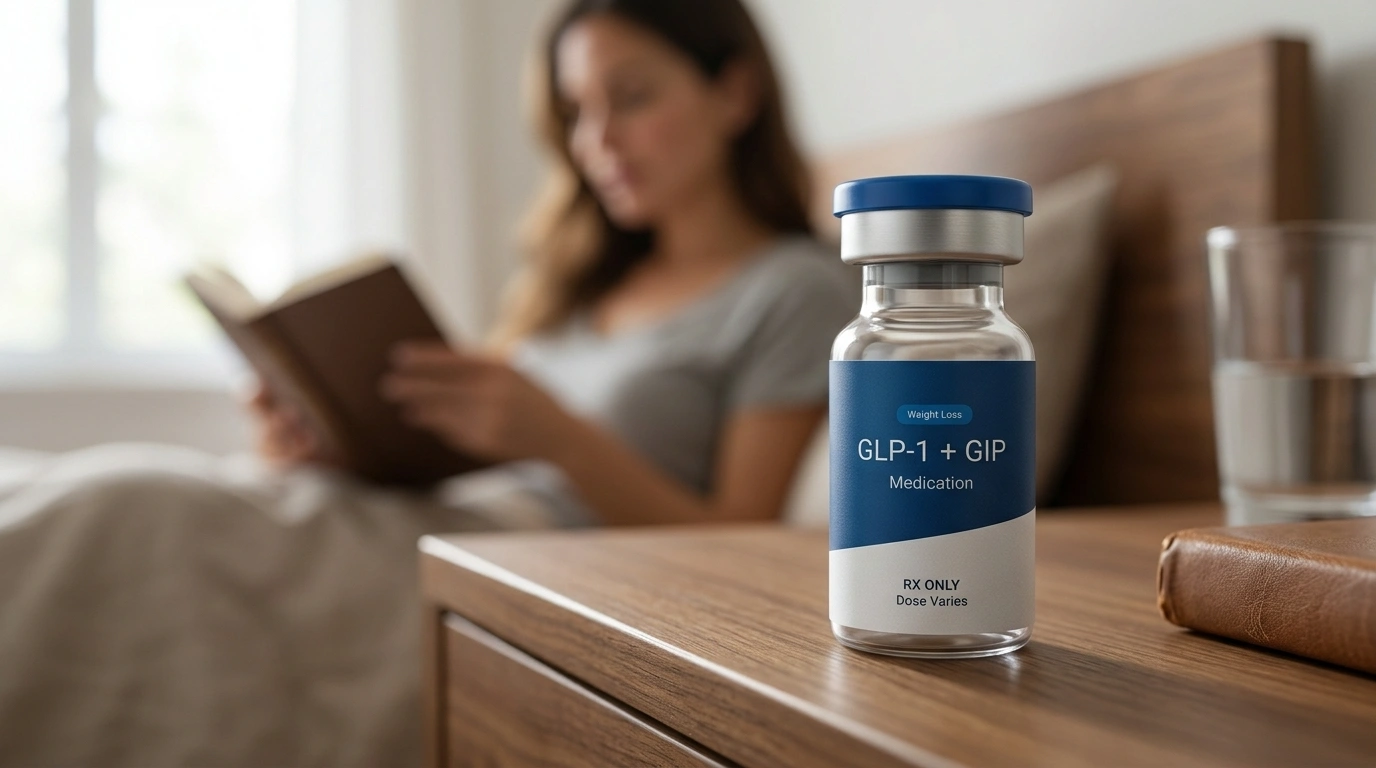
Taking the first step toward a healthier weight often involves navigating the specifics of new medications. If you have been prescribed Mounjaro®, you might find yourself standing at the refrigerator door, pen in hand, wondering about the temperature. At TrimRx, we understand that these small details can feel overwhelming when you are focused on long-term results. The question of whether to inject your medication while it is still chilled or wait for it to reach room temperature is one of the most common concerns for those starting their journey. This article will explain the safety and comfort factors involved in using your medication at different temperatures. We will also cover storage guidelines, injection techniques, and how our personalized programs help you manage every aspect of your treatment.
If you are considering whether a prescription weight loss program may be appropriate for you, you can take the free assessment quiz.
Quick Answer: You can safely inject Mounjaro® while it is cold, but letting it sit at room temperature for about 30 minutes may reduce the “sting” or discomfort during the injection.
The Short Answer on Injection Temperature
It is medically safe to inject Mounjaro® (tirzepatide) while it is still cold from the refrigerator. Tirzepatide is a dual-acting medication that mimics two hormones in the body: glucagon-like peptide-1 (GLP-1) and glucose-dependent insulinotropic polypeptide (GIP). These hormones work together to help regulate blood sugar and reduce appetite. Whether the liquid is 40 degrees or 70 degrees, the active ingredients remain effective and will work the same way once they enter your system.
For a deeper look at this question, read our guide to injecting tirzepatide cold or at room temperature.
However, safety and comfort are two different things. Many people report that a cold injection feels more noticeable. The cold liquid can cause a sharp, stinging sensation or a brief burning feeling as it enters the subcutaneous fat (the layer of fat just under the skin). If you have a low tolerance for needles or find the sensation unpleasant, waiting for the pen to warm up is a simple way to improve your experience.
Why Mounjaro Needs to Stay Chilled
To understand why we talk about injecting it cold, we must first look at why it lives in the fridge. Mounjaro® is a protein-based medication. Proteins are delicate and can break down if they are exposed to high heat or constant light.
Standard Refrigeration Requirements
Your medication should ideally be stored in the refrigerator between 36°F and 46°F (2°C to 8°C). Keeping the pens in their original carton is also important because it protects the medication from light exposure. When stored correctly in the fridge, the pens are stable until the expiration date printed on the box.
For a broader overview of storage requirements, review this tirzepatide storage and handling guide.
The Stability of Tirzepatide
Tirzepatide is the active ingredient in Mounjaro® and its compounded versions. In a clinical setting, we see that this molecule is designed to be sturdy, but it has its limits. If the medication gets too warm for too long, the molecular structure can change. This does not necessarily make it “poisonous,” but it can make it less effective. This is why we emphasize proper storage through the TrimRx platform and our pharmacy partners.
The 21-Day Room Temperature Rule
While refrigeration is the gold standard for long-term storage, the manufacturers of Mounjaro® recognize that life happens. You might travel, or you might simply prefer to keep your current pen on your nightstand.
You can keep your Mounjaro® pen at room temperature for up to 21 days. This “room temperature” should not exceed 86°F (30°C). Once a pen has been out of the refrigerator for more than 21 days, it should be disposed of, even if there is still medication inside or the expiration date has not passed.
Key Takeaway: Refrigeration is for long-term shelf life, while room temperature storage is a 21-day window of flexibility for the pen you are currently using.
How to Properly Warm Your Medication
If you decide that you prefer a room-temperature injection, you must warm the pen safely. The goal is to let the medication reach a comfortable temperature naturally without damaging the tirzepatide.
The 30-Minute Routine
The most effective method is the “countertop” method. Take your pen out of the refrigerator approximately 30 to 60 minutes before you plan to inject. Place it on a clean, flat surface away from direct sunlight. By the time you have finished your morning routine or caught up on the news, the liquid will have reached a temperature that is much more “invisible” to your nerves during the injection.
For additional comfort guidance, see these practical tips for injecting GLP-1 medications.
What to Avoid
Never attempt to speed up the warming process with external heat sources.
- No Microwaves: This will instantly destroy the medication.
- No Hot Water: Submerging the pen in hot water can compromise the mechanical components and the drug itself.
- No Direct Sunlight: UV rays can degrade the proteins in the formula.
Note: If you forget and leave your pen on the counter overnight, do not panic. As long as your home stayed below 86°F, the pen is still safe to use for up to 21 days from the moment it left the fridge.
Step-by-Step Guide to a Comfortable Injection
Whether you choose to inject cold or warm, your technique matters just as much as the temperature. Following a consistent process can reduce anxiety and ensure you get your full dose.
Step 1: Inspect the Medication
Look at the liquid through the transparent window of the pen. It should be clear and colorless to slightly yellow. If you see particles, cloudiness, or if the liquid has been frozen, do not use it. Frozen medication is no longer effective because the freezing process breaks the protein bonds.
Step 2: Choose Your Site
You have three primary options for a subcutaneous injection:
- The Abdomen: At least two inches away from the belly button.
- The Thigh: The front or side of the upper thigh.
- The Upper Arm: The back of the arm (this usually requires a partner to help).
Step 3: Clean the Area
Use an alcohol swab to clean the skin where you plan to inject. Let the alcohol air dry completely. If you inject while the skin is still wet with alcohol, the needle may carry the alcohol into the puncture, causing a stinging sensation that has nothing to do with the temperature of the medicine.
Step 4: The Injection
Remove the base cap. Place the base flat against your skin. Unlock the pen. Press and hold the purple button. You will hear a loud click, which means the injection has started. Continue holding until you hear a second click or see the gray plunger. This usually takes about 10 seconds.
Managing Injection Site Reactions
Sometimes, even with perfect temperature and technique, you might notice a small red bump or a bit of itching at the site. These are common injection site reactions.
For more information, read our guide to tirzepatide injection side effects.
Why They Happen
Your body’s immune system is reacting to a foreign substance being introduced under the skin. This is a natural response. Most reactions are mild and disappear within a few days.
Tips for Relief
- Do Not Rub: It might be tempting to rub the area if it stings, but this can increase irritation.
- Cool Compress: If there is swelling, a cool (not ice-cold) compress can help.
- Rotate Sites: Never inject into the exact same spot two weeks in a row. Rotate between your stomach and thighs to give the tissue time to recover.
Comparing Injection Sites: Stomach vs. Thigh
Research and patient reports suggest that the location of your injection can influence how you feel. While the medication works systemically (throughout your whole body), the “entry point” matters.
| Injection Site | Reported Sensation | Potential Side Effect Impact |
|---|---|---|
| Abdomen | Generally easy to access; may feel slightly more “pinch.” | Some patients report stronger appetite suppression but slightly higher nausea. |
| Thigh | Often described as the least painful site. | May result in fewer gastrointestinal side effects for some users. |
| Upper Arm | Harder to do alone; sensation varies. | Similar to the abdomen in terms of efficacy. |
Many people who experience significant nausea on tirzepatide find that switching from the abdomen to the thigh helps them manage those symptoms better. If you find that injecting cold in the stomach is too uncomfortable, try a room-temperature injection in the thigh for your next dose.
Traveling with Your Medication
Maintaining the “cold chain” can be a challenge when you are on the go. If you are traveling for less than 21 days, you can simply carry your pen in your hand luggage at room temperature. However, if you are traveling to a hot climate or will be away for a month, you need a plan.
Our GLP-1 medication travel guide covers storage, carry-on packing, and temperature considerations while traveling.
Travel Cases
Small, insulated medical bags designed for insulin work perfectly for Mounjaro® pens. These cases often include small gel packs that keep the medication at refrigerator temperatures for several hours.
Flight Safety
Always keep your medication in your carry-on bag. The luggage hold of an airplane can reach freezing temperatures or extreme heat, both of which will ruin the pen. Additionally, keeping it with you ensures it doesn’t get lost if your checked bags go missing.
The Role of Personalized Support
Navigating the nuances of GLP-1 and GIP medications is easier when you have a dedicated team behind you. Our mission at TrimRx is to simplify this process. We provide a telehealth-first platform where you can connect with licensed healthcare providers who understand the journey you are on.
If you are ready to explore whether a personalized prescription program may be appropriate for you, complete the free eligibility assessment.
When you join a program through us, you aren’t just getting a prescription. You are getting a comprehensive support system. This includes access to medications like compounded tirzepatide, which are prepared by FDA-registered, inspected compounding pharmacies. These medications provide a flexible alternative when branded options are in short supply. Our specialists can guide you on everything from injection techniques to managing the common side effects of weight loss medications.
Understanding Compounded Tirzepatide
It is important to understand the difference between branded medications like Mounjaro® and the compounded versions often used in personalized programs. Branded Mounjaro® is FDA-approved for the treatment of type 2 diabetes. While it is often prescribed off-label for weight management, it is a specific trademarked product.
Compounded tirzepatide, on the other hand, is a customized medication prepared by a pharmacist. While compounded medications themselves are not “FDA-approved” in the way a mass-produced branded drug is, they are an essential part of the US healthcare system. They allow for personalized dosages and help ensure patients can continue their treatment during national drug shortages. The pharmacies we partner with at TrimRx are highly regulated and follow strict safety protocols to ensure the quality of every vial or pen.
Common Myths About Cold Injections
Myth: Cold medication is more “potent.”
Fact: The temperature does not change the strength of the medication. It only changes the physical sensation of the fluid entering your tissue.
Myth: You should shake the pen to warm it up.
Fact: You should never shake a Mounjaro® pen. Shaking can cause the proteins to denature (break down). If you need to mix the contents of a vial (in the case of some compounded versions), a gentle “swirl” is all that is required.
Myth: If the pen is cold, the needle won’t work.
Fact: The mechanical components of the KwikPen® or single-dose pens are designed to function at both refrigerator and room temperatures. The cold does not make the spring or the needle stick.
When to Contact a Healthcare Provider
While most questions about temperature are related to comfort, some situations require professional guidance. You should reach out to a licensed provider if:
- You experience an intense allergic reaction (hives, swelling of the face, difficulty breathing).
- The injection site becomes extremely painful, hot to the touch, or shows signs of infection.
- You accidentally injected medication that had been frozen and thawed.
- You are unsure if your medication stayed within the safe temperature range during a power outage.
At TrimRx, our telehealth specialists are available to answer these types of questions, ensuring you never feel alone in your treatment.
Bottom Line: Finding Your Comfort Zone
Ultimately, whether you inject Mounjaro® cold or at room temperature is a matter of personal preference. There is no right or wrong answer, only what works best for your body and your schedule. If you are in a rush, a cold injection is perfectly fine. If you have a few extra minutes and want a smoother experience, let it sit out for half an hour.
Bottom line: Temperature affects comfort, not clinical results. Focus on consistency and proper storage to get the most out of your weight loss journey.
Embracing a Healthier Lifestyle
Sustainable weight loss is about more than just a weekly injection. It is about a holistic approach that combines modern science with daily habits. We believe in empowering you with the knowledge to take control of your metabolic health. By understanding how your medication works—down to the temperature of the pen—you can approach your program with confidence and clarity.
Our approach at TrimRx is built on transparency and empathy. We know that the road to health isn’t always a straight line, but with the right tools and a personalized plan, it is a journey you can successfully navigate. Whether you are curious about starting a GLP-1 program or looking for ways to optimize your current treatment, find out if GLP-1 medications may be right for you.
FAQ
Can I put Mounjaro back in the fridge after it reaches room temperature?
Yes, you can put the pen back in the refrigerator after it has reached room temperature. However, doing so does not “reset” the 21-day clock. Once a pen has been kept at room temperature, it should still be used within that 21-day window for optimal safety and efficacy.
What happens if Mounjaro gets too hot?
If the medication is exposed to temperatures above 86°F (30°C), the tirzepatide molecule can begin to break down. This may make the medication less effective at controlling your appetite or blood sugar. If your pen was left in a hot car or in direct sunlight, it is best to consult your healthcare provider or pharmacist before using it.
Does injecting Mounjaro cold cause more side effects like nausea?
There is no clinical evidence that the temperature of the injection affects systemic side effects like nausea or diarrhea. Those side effects are related to how the medication interacts with your gut and brain. However, a cold injection may cause more localized “side effects” like temporary stinging or redness at the site.
Can I warm the pen by holding it in my hands?
Yes, you can gently hold the pen in your hands to take the chill off, but do not rub it vigorously or apply intense body heat. The safest and most recommended method is simply letting it sit on a clean counter for 30 minutes to reach room temperature naturally.
If you are considering treatment and want to discuss your eligibility with a licensed provider, start with the free assessment quiz.
Disclaimer: This content is for informational purposes only and does not constitute medical advice. It is not intended to diagnose, treat, cure, or prevent any disease or condition. Individual results may vary. Always consult a qualified healthcare professional before starting any weight loss program or medication.

Transforming Lives, One Step at a Time
Keep reading
Purim on Mounjaro: The Fast, the Seudah, and the Drinking
Purim celebrates the story of Esther with some of the most joyful customs of the Jewish year. The Fast of Esther, from dawn until…
Celebrating Nowruz on Mounjaro
Nowruz, the New Year celebrated at the spring equinox, is one of the most joyful times of the year for Iranian, Afghan, Kurdish, Azerbaijani,…
Memorial Day Weekend at the Lake on Mounjaro
For many families, Memorial Day weekend opens the summer at the lake. There are boat rides, tubing, swimming off the dock, coolers full of…


