When Do Zepbound Side Effects Go Away? Your Management Timeline
Introduction
Starting a weight loss journey with a new medication often brings a mix of excitement and apprehension. For many, the focus shifts quickly from weight loss goals to managing the physical adjustments the body makes during the early weeks of treatment. If you are experiencing digestive discomfort or fatigue, you may want to take the free assessment quiz to see whether a personalized program is right for you. At TrimRx, we understand that managing these initial symptoms is a critical part of staying consistent and achieving long-term success. This post covers what to expect regarding symptom duration, why these changes occur, and how to support your body as it adapts to the medication. We will explore the common adjustment period and provide actionable strategies to help you feel your best. Understanding the timeline of these side effects can help you stay motivated and focused on your metabolic health.
The Typical Timeline for Symptom Relief
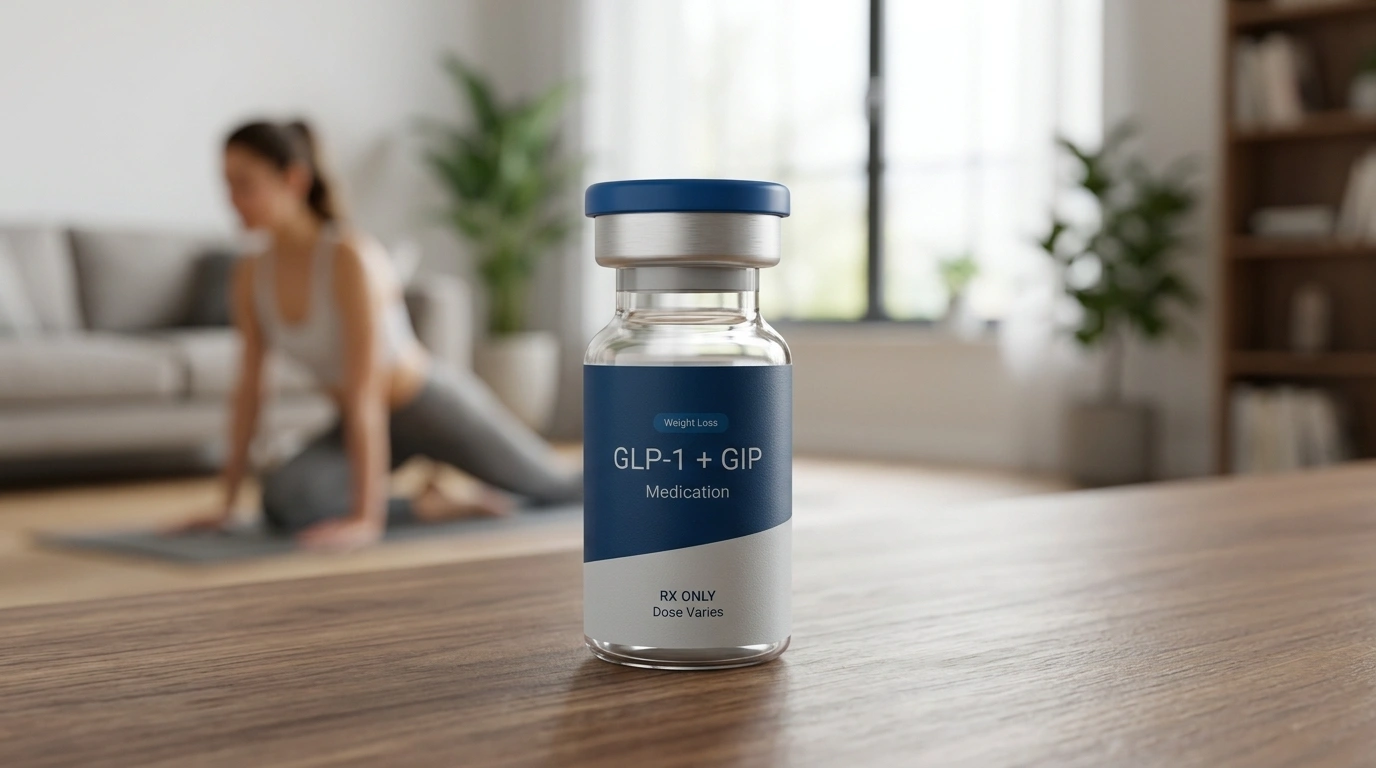
For most individuals, the side effects associated with Zepbound®—the branded version of tirzepatide—are temporary. Tirzepatide is a dual agonist, meaning it works on two different hormone receptors in the body: the glucagon-like peptide-1 (GLP-1) and the glucose-dependent insulinotropic polypeptide (GIP). Because these receptors are found in the digestive tract and the brain, your body needs time to recalibrate its natural processes. For a fuller look at the broader side-effect profile, read our guide to compounded tirzepatide side effects.
Most patients report that mild to moderate side effects begin within the first 24 to 48 hours after the initial injection. These symptoms typically persist for a few days to a few weeks. In clinical settings, the majority of gastrointestinal issues peak during the first month of treatment or shortly after a dose increase. Once your body becomes accustomed to a specific dosage level, these symptoms often diminish or disappear entirely.
Key Takeaway: Most gastrointestinal side effects are most prominent during the first two to four weeks of treatment and tend to subside as your body adjusts to the medication.
The Role of Dose Titration
The duration of side effects is closely linked to the “start low and go slow” approach used by healthcare providers. Most treatment plans involve a titration schedule, which is a gradual increase in the amount of medication used over several months. Typically, a provider may start a patient at 2.5 mg for the first four weeks to allow the body to adapt. For a closer look at the early adjustment phase, see your first dose of tirzepatide.
When you move up to a higher dose, such as 5 mg or 7.5 mg, you may experience a brief resurgence of side effects. This does not mean the medication is “resetting” its impact, but rather that your digestive system is adjusting to a stronger hormonal signal. These re-emerging symptoms usually resolve much faster than the initial ones, often lasting only a few days after the new dose is administered.
Individual Variability
It is important to remember that every person’s biology is unique. Some individuals may experience no side effects at all, while others may find that symptoms linger throughout the first few months. Factors such as your baseline diet, hydration levels, and pre-existing digestive health play a significant role in how long it takes for side effects to go away. If symptoms persist beyond the first few weeks of a consistent dose, it is essential to consult with a licensed healthcare provider to discuss your options.
Common Side Effects and Why They Happen
To understand when side effects will go away, it helps to understand why they occur in the first place. Tirzepatide influences how your body processes food and signals fullness. This transition can lead to several common experiences.
Nausea and Vomiting
Nausea is the most frequently reported side effect. It occurs because the medication slows down gastric emptying, which is the speed at which food leaves your stomach. Because food stays in the stomach longer, you feel full sooner, but your brain may also receive signals that the stomach is overextended. This can lead to a “queasy” feeling, especially if you eat beyond the point of initial fullness.
Diarrhea and Constipation
Because the medication changes the speed of digestion, the transit time of waste through the intestines can fluctuate. For some, this results in diarrhea as the body reacts to new hormonal signals. For others, the slowed movement leads to constipation. These symptoms generally stabilize once the digestive tract finds its new rhythm under the influence of the medication.
Fatigue and Headaches
Many people report feeling unusually tired during the first few weeks of treatment. This fatigue is often a secondary effect of eating fewer calories or a change in blood sugar regulation. Headaches may also occur, frequently linked to dehydration. As the body loses weight and sheds excess water, electrolyte balances can shift, leading to tension or dull aches in the head.
Strategies for Managing Nausea
While waiting for side effects to subside, there are several steps you can take to minimize discomfort. Managing nausea is often about changing how and when you eat. For GLP-1-specific tips, our guide on nausea and GLP-1 medications breaks down what helps.
- Eat Smaller, More Frequent Meals: Rather than three large meals, try five or six small snacks throughout the day. This prevents the stomach from becoming too full, which can trigger nausea due to slowed gastric emptying.
- Prioritize Bland Foods: During the first few weeks, stick to simple foods that are easy to digest. The BRAT diet—bananas, rice, applesauce, and toast—can be helpful during particularly difficult days.
- Stay Upright After Eating: Avoid lying down immediately after a meal. Staying upright for at least 30 to 60 minutes can help gravity assist the digestive process.
- Avoid Strong Odors: Some patients find they become more sensitive to smells. Cooking in a well-ventilated area or choosing cold foods with less aroma can help.
Quick Answer: Nausea typically improves within the first month of treatment. You can manage it by eating smaller portions, avoiding high-fat foods, and staying hydrated with clear liquids.
Addressing Digestive Changes
Changes in bowel habits are common but can be managed with proactive lifestyle adjustments. The goal is to support the digestive system as it adapts to the new hormonal environment created by the medication.
Managing Constipation
If you find that things are moving too slowly, increasing your fiber intake is essential. Focus on soluble fiber from sources like oats, beans, and certain fruits. However, increase fiber gradually; adding too much too quickly can lead to gas and bloating, which may worsen other side effects.
Managing Diarrhea
If you experience loose stools, focus on hydration. Diarrhea can quickly lead to dehydration, which can cause secondary symptoms like dizziness or kidney strain. Choose fluids that contain electrolytes to replace what is lost. Avoid high-fat or greasy foods, as these are often harder for the body to process and can exacerbate diarrhea.
The Importance of Hydration
Hydration is perhaps the most critical factor in managing nearly all side effects. Water helps move fiber through the digestive tract, supports kidney function, and can even reduce the sensation of nausea. Many individuals find that carrying a water bottle throughout the day and taking small sips is more effective than trying to drink large amounts at once.
Managing Fatigue and Brain Fog
Feeling tired or “foggy” is a common complaint during the early stages of weight loss. This is often due to the body adjusting to a lower caloric intake. When you consume fewer calories, your body has less immediate energy to draw from.
To combat this, ensure you are prioritizing protein. Protein helps maintain muscle mass during weight loss and provides a more sustained source of energy than simple carbohydrates. Additionally, check your electrolyte levels. A lack of sodium, potassium, or magnesium can lead to profound fatigue. If fatigue persists for more than a few weeks, it may be worth discussing your nutritional intake with a professional through the TrimRx platform.
When to Contact Your Healthcare Provider
While most side effects are mild and temporary, it is vital to know when a symptom requires medical attention. Telehealth-first programs make it easy to reach out to a professional for guidance without needing an in-person visit.
Serious Gastrointestinal Concerns
If you experience severe abdominal pain that radiates to your back, persistent vomiting that prevents you from keeping fluids down, or severe bloating, contact your provider immediately. These could be signs of more serious conditions such as pancreatitis (inflammation of the pancreas) or gallbladder issues, which are rare but documented risks.
Kidney Health and Dehydration
Severe vomiting or diarrhea can lead to fluid loss, which may impact kidney function. If you notice a significant decrease in urination, dark-colored urine, or swelling in your ankles or legs, seek medical advice. Keeping your provider informed about the severity of your symptoms allows them to adjust your dosage or provide supportive care.
Boxed Warning: Thyroid Health
It is important to note that medications containing tirzepatide, such as Zepbound®, carry a boxed warning regarding the risk of thyroid C-cell tumors. This risk was primarily observed in animal studies, and it is unknown if the medication causes such tumors in humans. Patients with a personal or family history of medullary thyroid carcinoma (MTC) or Multiple Endocrine Neoplasia syndrome type 2 (MEN2) should not use these medications. Always report any lumps in the neck, hoarseness, or difficulty swallowing to your healthcare provider.
How TrimRx Supports Your Journey
The TrimRx platform connects you with licensed healthcare providers who specialize in medical weight loss. We believe that weight loss is not a one-size-fits-all process. Our program is designed to provide personalized care that takes your unique medical history and health goals into account. If you want a prescription program tailored to your goals, take the free assessment quiz.
Through our telehealth-first model, you have 24/7 access to a dedicated team. This means if you are struggling with side effects or wondering when your symptoms will go away, you don’t have to wait for an appointment weeks away. If you want to understand the process more fully, see our guide to how to order GLP-1 medications for effective weight loss. We provide the clinical expertise and ongoing support needed to help you navigate the titration process safely. Our mission is to help you achieve sustainable results while ensuring you feel supported every step of the way.
Nutrition as a Tool for Side Effect Management
What you eat has a direct impact on how long your side effects last and how severe they feel. A “GLP-1 friendly” diet focuses on nutrient density and ease of digestion.
Focus on Lean Protein
Protein is the building block of muscle and a key component of metabolic health. Sources like chicken breast, turkey, fish, tofu, and legumes are excellent choices. Protein also helps you feel satiated, which works in harmony with your medication.
Incorporate Supportive Supplements
Sometimes, dietary changes alone aren’t enough to bridge the gap during the adjustment phase. Supplements like GLP-1 Daily Support supplement can provide the targeted nutrients your body needs to maintain balance while on a calorie-restricted program.
Additionally, Weight Loss Boost supplement may assist in optimizing your metabolism as you work toward your goals.
Avoid Inflammatory Triggers
Certain foods are known to worsen the side effects of tirzepatide. These include:
- Fried and greasy foods
- High-sugar snacks and beverages
- Excessive caffeine
- Spicy dishes (if you are prone to heartburn)
By minimizing these triggers, you give your digestive system the best chance to adapt quickly to your new program.
The Role of Compounded Medications
In some cases, a provider may determine that a compounded version of a medication is appropriate for a patient’s specific needs. Compounded Semaglutide and Compounded Tirzepatide are prepared by FDA-registered, inspected compounding pharmacies. While these compounded versions are not themselves FDA-approved, they are an option for patients who require specific dosages or when branded medications are in short supply.
Our platform facilitates access to these compounded options, ensuring that every medication is shipped from reputable, licensed facilities. This ensures a consistent supply and allows for a seamless transition through the different dosage strengths required for effective weight management.
Expectations for Long-Term Success
As you move past the initial adjustment phase, the focus shifts from managing side effects to optimizing your results. Once the side effects go away, most patients find that the medication becomes a “quiet” partner in their weight loss journey. The intense food cravings often diminish, and the feeling of fullness becomes a natural part of the day. For a broader look at the expected timeline, see tirzepatide weight loss results month-by-month.
This is the ideal time to establish long-term habits. Regular physical activity, stress management, and consistent sleep patterns all contribute to the effectiveness of the medication. For readers thinking ahead to the long haul, maintain weight loss after tirzepatide covers what happens after the adjustment phase. The goal is to use the period where side effects have subsided to build a lifestyle that supports a healthier weight for years to come.
Key Takeaway: The period after side effects diminish is the “golden window” for establishing the lifestyle habits that will maintain your weight loss results long-term.
Summary of Action Steps
If you are currently struggling with the initial stages of your program, follow these steps to help your side effects resolve more quickly:
- Hydrate Consistently: Aim for small sips of water or electrolyte-rich fluids throughout the day.
- Monitor Your Portions: Stop eating before you feel full to avoid overtaxing your slowed digestive system.
- Prioritize Protein: Ensure every meal includes a lean protein source to maintain energy and muscle mass.
- Communicate with Your Team: Use the 24/7 access through us to report any bothersome symptoms to your provider.
- Be Patient: Remember that your body is undergoing a significant hormonal shift; give it the two to four weeks it needs to adapt.
Conclusion
Navigating the side effects of weight loss medication can be challenging, but for the vast majority of people, these symptoms are a temporary hurdle on the path to better health. Most gastrointestinal issues and fatigue will subside within a few weeks as your body finds its new balance. Our mission at TrimRx is to provide a science-backed, empathetic, and personalized approach to weight loss that prioritizes your comfort and safety. If you want a data-driven look at outcomes, GLP-1 Weight Loss Results: What Our 2026 Data Really Shows offers broader context for what to expect from a medically supervised program. We are here to ensure you have the tools, the medication, and the clinical support necessary to make your health goals a reality.
If you are ready to take the next step toward a healthier version of yourself, we invite you to begin your journey with our personalized assessment.
Next Step: Take our free assessment quiz to see which personalized weight loss program is right for you.
FAQ
How many days after my injection will the side effects stop?
Most people experience the peak of side effects within the first 48 hours after their weekly injection. These symptoms typically resolve within 3 to 4 days as the medication level in the bloodstream stabilizes. Over several weeks, the body adapts, and the symptoms often disappear completely until the next dose increase.
Is it normal to feel extremely tired on Zepbound?
Yes, fatigue is a common side effect, especially during the first month of treatment. This is often caused by the body adjusting to a lower calorie intake and changes in blood sugar regulation. Ensuring you stay hydrated, eat enough protein, and get adequate sleep can help improve energy levels as your body adapts.
Can I drink alcohol while taking this medication?
While there is no direct contraindication, many people find that alcohol worsens side effects like nausea, headaches, and dizziness. Alcohol can also irritate the stomach and contribute to dehydration. If you choose to drink, it is best to do so in moderation and observe how your body responds while on the medication.
Will my side effects come back every time the dose is increased?
It is common to experience a brief return of mild side effects when you move to a higher dose. However, these symptoms are usually less severe and resolve much faster than the ones experienced when you first started the medication. Following a gradual titration schedule under the guidance of a healthcare provider helps minimize this discomfort.
Disclaimer: This content is for informational purposes only and does not constitute medical advice. It is not intended to diagnose, treat, cure, or prevent any disease or condition. Individual results may vary. Always consult a qualified healthcare professional before starting any weight loss program or medication.

Transforming Lives, One Step at a Time
Keep reading

Surfing on Zepbound: Paddling Strength, Cold Water, and Dawn Patrol
Surfing asks a lot of your body. Paddling out through broken waves takes shoulder, back, and core strength. Cold water drains energy. Dawn sessions…

Skydiving on Zepbound: Planning a Tandem Jump
For many people who have lost weight, a skydive is a goal they set years ago and finally feel ready for. Some dropzones have…

A Day at the Renaissance Faire on Zepbound
A Renaissance faire is a full day out: jousts, stage shows, artisan stalls, dusty lanes, and food built for spectacle, from giant turkey legs…


