What’s in Semaglutide Compound: Ingredients and Safety
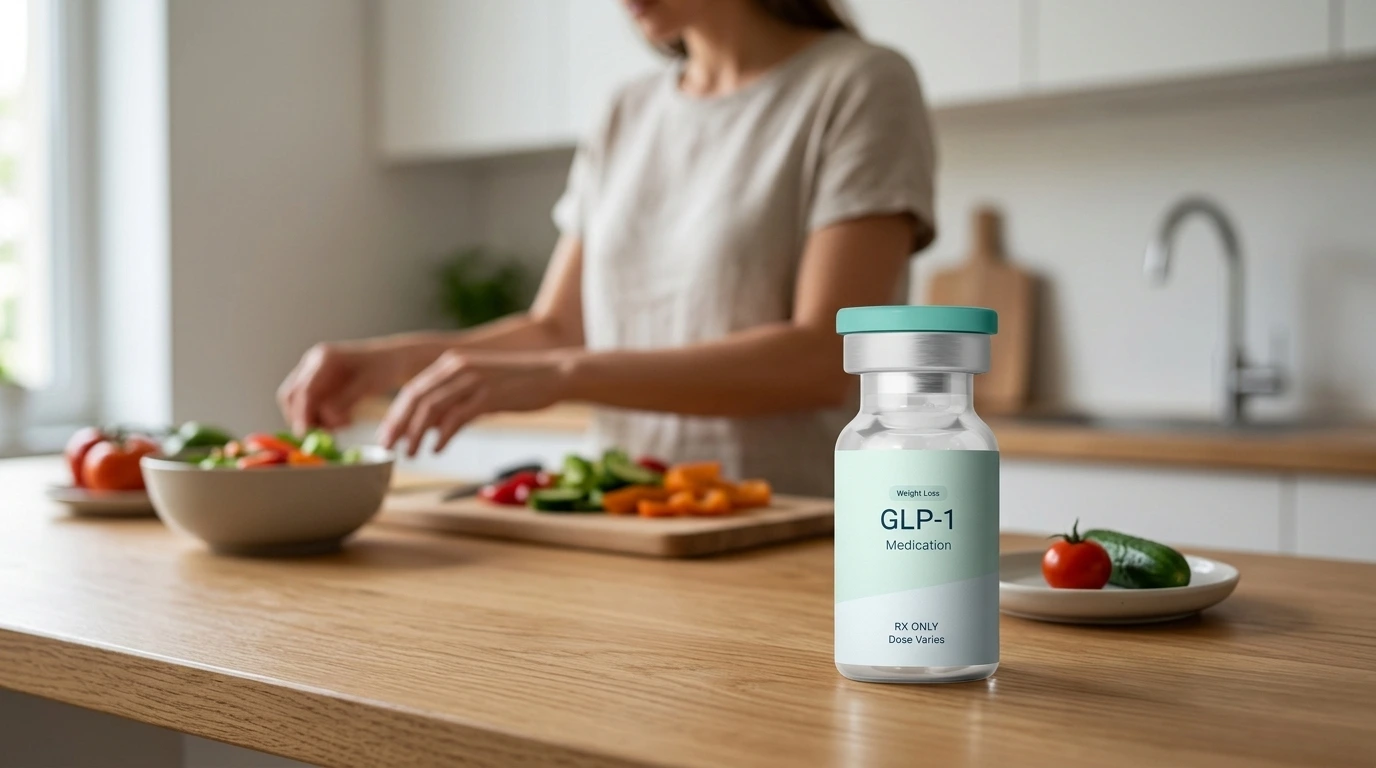
Table of Contents
- Introduction
- The Primary Active Ingredient: Semaglutide Base
- Supporting Ingredients and Additives
- Compounded vs. Branded Medications
- The Standards of Sterile Compounding
- How Semaglutide Works in Your Body
- Managing the Journey with TrimRx
- Safety and Realistic Expectations
- The Future of Compounded GLP-1s
- FAQ
Introduction
If you have spent any time researching modern weight loss solutions, you have likely encountered a sea of clinical terms, brand names, and conflicting information about “compounded” medications. It is common to feel a mix of hope and hesitation when considering a new treatment path, especially when you want to know exactly what you are putting into your body. Understanding what’s in semaglutide compound is essential for any individual looking to take control of their metabolic health with confidence.
At TrimRx, we believe that transparency is the foundation of a successful health journey. This article will break down the specific components of compounded semaglutide, the role of supporting ingredients like Vitamin B12, and the rigorous standards that high-quality compounding pharmacies must follow. By the end of this guide, you will have a clear picture of how these medications are formulated and how a personalized program can support your long-term goals. If you are considering prescription treatment, you can complete a free eligibility assessment.
The Primary Active Ingredient: Semaglutide Base
The most important component of any semaglutide compound is the active pharmaceutical ingredient (API) itself: semaglutide. Semaglutide belongs to a class of medications known as GLP-1 receptor agonists (glucagon-like peptide-1 receptor agonists).
In simple terms, a GLP-1 receptor agonist is a molecule designed to mimic a hormone that your body naturally produces in the gut. This hormone plays a vital role in managing how your body processes food and signals fullness to the brain. When we talk about “what’s in semaglutide compound,” the “base” form of the medication is what medical experts look for.
For additional context, read this guide to what compounded semaglutide is made of.
The Science of the Peptide
Semaglutide is technically a peptide, which is a short chain of amino acids. Specifically, it is a 31-amino acid sequence that has been slightly modified from the natural human GLP-1 hormone. These modifications allow the medication to last much longer in the bloodstream—roughly seven days—compared to the natural hormone, which breaks down in minutes.
Base vs. Salt Forms
It is crucial to distinguish between the semaglutide base and semaglutide salts (such as semaglutide sodium or semaglutide acetate). High-quality compounding pharmacies utilize the base form, which is the same active molecule found in major branded medications. The FDA has issued warnings regarding the use of salt forms in compounding, as their safety and effectiveness have not been established in the same way as the base molecule.
For more information about sourcing and formulation, review this semaglutide base and salt forms safety guide.
Key Takeaway: The primary active ingredient in a high-quality compound is the semaglutide base, a peptide designed to mimic the body’s natural hunger-regulating hormones.
Supporting Ingredients and Additives
Compounded medications are often “custom-made” to meet specific patient needs. This is one of the primary reasons a licensed healthcare provider might prescribe a compounded version rather than a standard branded product. When examining what’s in semaglutide compound, you will often find one or two supporting ingredients.
Vitamin B12 (Cyanocobalamin)
One of the most common additions to semaglutide compounds is Vitamin B12. There are two main reasons providers include B12 in a formulation:
- Side Effect Management: Many patients experience mild nausea or fatigue when they first start a GLP-1 medication. Vitamin B12 is well-known for its role in energy metabolism and may help some individuals manage these initial transition symptoms.
- Nutrient Balance: Research suggests that GLP-1 medications can sometimes lead to a slight decrease in B12 levels over long periods of use, so including it in the compound can be a proactive step for overall wellness.
For a closer look at B12 and GLP-1 treatment, explore Vitamin B12 and GLP-1 medications.
Vitamin B6 (Pyridoxine)
In some cases, Vitamin B6 may be used instead of, or in addition to, B12. Similar to B12, B6 is often included to help mitigate the gastrointestinal discomfort that can occur as the body adjusts to the medication.
Inactive Ingredients: Preservatives and Buffers
To ensure the medication remains sterile and stable, small amounts of inactive ingredients are necessary. These typically include:
- Preservatives: Most multi-dose vials contain a preservative like phenol or benzyl alcohol to prevent the growth of bacteria after the vial is first punctured.
- Buffers and pH Adjusters: Ingredients like sodium phosphate or disodium phosphate are used to keep the liquid at a neutral pH level, which makes the injection more comfortable and keeps the peptide stable.
- Sterile Water: The base liquid for the injection is always highly purified, medical-grade sterile water.
Compounded vs. Branded Medications
A common source of confusion is the difference between branded medications like Ozempic® or Wegovy® and compounded semaglutide. While they may share the same primary active ingredient, there are distinct differences in how they are regulated and distributed.
For a broader overview, read about how compounded GLP-1 medications work.
Regulatory Distinctions
- Branded Medications: Ozempic®, Wegovy®, Mounjaro®, and Zepbound® are FDA-approved branded drugs. They are manufactured in large-scale facilities and sold in specific, fixed dosages.
- Compounded Medications: Compounded semaglutide is not FDA-approved. Instead, it is prepared by licensed pharmacists in specialized facilities. These medications are legal to produce when an individual patient has a specific medical need (such as an allergy to a preservative in the branded version) or when a drug is listed on the FDA’s official shortage list.
Why Compounding Exists
Compounding pharmacies serve a vital role in the US healthcare system. They provide access to medications when major manufacturers cannot keep up with demand or when a patient requires a personalized dosage that is not available in a standard “pen” format. We ensure our patients are connected with pharmacies that prioritize quality and safety in every vial.
| Feature | Branded (e.g., Wegovy®) | Compounded Semaglutide |
|---|---|---|
| FDA Status | FDA-Approved | Not FDA-Approved |
| Ingredients | Fixed formula | Customizable (e.g., +Vitamin B12) |
| Availability | Subject to supply chain shortages | Often available during shortages |
| Source | Single manufacturer (Novo Nordisk) | Licensed compounding pharmacies |
| Administration | Pre-filled auto-injector pens | Vials and syringes |
The Standards of Sterile Compounding
Because semaglutide is an injectable medication, the environment in which it is created must be exceptionally clean. When you ask what’s in semaglutide compound, you should also be asking where it was made.
For more guidance, read this compounding pharmacy safety guide for semaglutide.
503A vs. 503B Pharmacies
Compounding pharmacies in the US generally fall into two categories:
- 503A Pharmacies: These are state-licensed pharmacies that prepare medications for specific, individual patients based on a prescription. They are overseen by state boards of pharmacy.
- 503B Outsourcing Facilities: These are larger facilities that can manufacture in bulk and are held to “Current Good Manufacturing Practice” (cGMP) standards. They are directly registered with and inspected by the FDA.
Quality Control Measures
A reputable pharmacy will perform several tests on every batch of semaglutide they produce:
- Potency Testing: Ensuring the concentration of semaglutide matches exactly what is on the label.
- Sterility Testing: Verifying that the medication is free from bacteria, fungi, or other contaminants.
- Endotoxin Testing: Checking for specific byproducts that could cause a fever or reaction.
Note: Always ensure your medication comes from a pharmacy that is licensed and, ideally, ships from an FDA-registered and inspected facility. This ensures the highest level of oversight for your treatment.
How Semaglutide Works in Your Body
Understanding what is inside the vial is only half the story. The other half is how those ingredients interact with your biology to support weight loss. Once injected, the semaglutide molecule travels through the bloodstream to target three primary areas.
1. The Brain: Hunger and Satiety
Semaglutide crosses into the areas of the brain that regulate appetite. It stimulates the GLP-1 receptors that tell your body you are full. This helps quiet “food noise”—the constant intrusive thoughts about eating—making it much easier to adhere to a healthy, reduced-calorie diet.
2. The Stomach: Gastric Emptying
The medication slows down the rate at which food leaves your stomach. This “delayed gastric emptying” means that you feel physically full for a much longer period after eating a small meal. This is also why many of the side effects, like nausea, occur; the body is adjusting to food staying in the stomach longer.
3. The Pancreas: Insulin Regulation
Semaglutide helps the pancreas release the right amount of insulin when your blood sugar is high. While originally developed for type 2 diabetes, this function also helps people without diabetes by stabilizing blood sugar levels and preventing the “crashes” that often lead to sugar cravings.
Key Takeaway: Semaglutide works through a “triple-action” approach—reducing brain-level hunger, slowing stomach emptying, and stabilizing blood sugar.
Managing the Journey with TrimRx
Starting a GLP-1 medication is a significant decision, and you should never have to navigate it alone. Our platform is designed to make the process as transparent and supportive as possible. We focus on a telehealth-first model that prioritizes your safety and convenience.
The Personalized Program Path
Every individual’s body reacts differently to semaglutide. This is why a “one-size-fits-all” approach rarely works for sustainable weight loss. Our program focuses on matching you with a licensed provider who can tailor the treatment to your health profile.
Step 1: The Health Assessment
You start by taking a free assessment quiz. This helps us understand your medical history, your goals, and any previous weight loss attempts. This information is vital for the provider to determine if you are a candidate for the program.
Step 2: Provider Consultation
A licensed healthcare professional reviews your profile. They will discuss the potential benefits and risks of semaglutide with you. If they determine it is clinically appropriate, they will write a prescription for the specific formulation that fits your needs.
Step 3: Medication Delivery
The prescription is sent to one of our partner compounding pharmacies. These pharmacies are FDA-registered and inspected, ensuring that the medication you receive meets rigorous safety standards. The medication is then shipped directly to your door in discreet packaging with all necessary supplies included.
Step 4: Ongoing Support
Weight loss is not a sprint. We provide 24/7 access to specialists who can answer questions about your dosage, side effects, or progress. Whether you are using compounded semaglutide or considering GLP-1 Daily Support, we are here to guide you.
Safety and Realistic Expectations
While the ingredients in semaglutide compound are scientifically backed, it is important to maintain realistic expectations. These medications are powerful tools, but they work best when combined with lifestyle changes.
Common Side Effects
Because semaglutide affects the digestive system, most side effects are gastrointestinal. Many patients report:
- Mild to moderate nausea
- Occasional vomiting
- Diarrhea or constipation
- Abdominal discomfort
In most cases, these symptoms are temporary and occur primarily when you first start the medication or when your dose is increased. Most providers use a “titration” schedule, starting you at a very low dose and gradually increasing it over several months to allow your body to adjust.
Nutrient Support
To optimize your results and feel your best, we often recommend focusing on high-quality nutrition. Because you will be eating less, the food you do consume needs to be nutrient-dense. Some patients find that adding our Weight Loss Boost supplement or GLP-1 Daily Support supplements helps provide the vitamins and minerals their body needs during this transition.
For additional nutrition guidance, review these vitamin considerations for people using GLP-1 medications.
When to Consult a Provider
While the ingredients are generally well-tolerated, you should always stay in close contact with your healthcare provider. If you experience severe abdominal pain, persistent vomiting, or signs of an allergic reaction (like a rash or trouble breathing), seek medical attention immediately.
Bottom line: Safety in a semaglutide program comes from three things: high-quality ingredients, professional medical supervision, and a commitment to healthy lifestyle habits.
The Future of Compounded GLP-1s
The landscape of weight loss medication is constantly evolving. As of 2025, the FDA has noted changes in the availability of branded semaglutide. While the official shortage for some versions has been declared “resolved,” many patients still struggle to find branded products at their local pharmacies.
Compounded semaglutide continues to provide a vital bridge for those who have found success on the medication and wish to continue their journey under medical supervision. At TrimRx, our mission is to ensure that this path remains safe, transparent, and accessible. We believe that by providing science-backed education and empathetic care, we can help you achieve sustainable, long-term health.
FAQ
What is the most common ingredient added to semaglutide compounds?
Vitamin B12 is the most common additive. It is often included to help patients manage potential side effects like fatigue and nausea while supporting overall energy metabolism during their weight loss journey.
Are the ingredients in compounded semaglutide the same as Ozempic?
The active ingredient, semaglutide base, is chemically the same as the active ingredient in Ozempic®. However, the “inactive” ingredients—such as preservatives, buffers, and added vitamins like B12—may differ between the branded pen and the compounded vial.
How should I store my semaglutide compound to keep the ingredients stable?
Injectable semaglutide is a peptide that is sensitive to heat and light. You should keep your vial refrigerated at all times (between 36°F and 46°F) and avoid exposing it to direct sunlight or extreme temperatures to ensure the ingredients remain effective.
Can a compounding pharmacy use different “forms” of semaglutide?
While some pharmacies may attempt to use “salt” forms like semaglutide sodium, the FDA has warned against this practice. High-quality compounding pharmacies only use the semaglutide base form, which has been established as the standard for safety and efficacy in clinical research.
If you are evaluating whether prescription treatment is appropriate for you, you can complete a free eligibility assessment.
Disclaimer: This content is for informational purposes only and does not constitute medical advice. It is not intended to diagnose, treat, cure, or prevent any disease or condition. Individual results may vary. Always consult a qualified healthcare professional before starting any weight loss program or medication.

Transforming Lives, One Step at a Time
Keep reading
Semaglutide vs Tirzepatide: Comparing Weight Loss, Blood Sugar, and Side Effects
Semaglutide and Tirzepatide are one of the most common comparisons in medical weight loss. The two medications share a clear family resemblance. Both are…

How Much Weight Can You Lose on Semaglutide?
How much weight can you lose on semaglutide? The answer varies depending on your starting weight, dosage, treatment duration, and individual response to the…

Hair Shedding Months Into Semaglutide
It shows up in the shower drain first, then on the pillow, then in the brush. By the time most people search this, they…


