Does Zepbound Make You Not Want to Eat?
Introduction
For many people struggling with weight management, the constant hum of hunger—often called “food noise”—is a daily reality. You might finish a meal only to find yourself thinking about the next one, or struggle with cravings that feel impossible to ignore. When exploring modern medical options, a common question arises: does Zepbound® make you not want to eat? At TrimRx, we focus on helping you understand how these treatments interact with your body to create a different relationship with food. This article will explain the biological mechanisms that change your appetite, the role of dual-agonist medications, and what it feels like to experience increased satiety. By the end, you will understand how this medication helps reduce hunger signals to support a more sustainable, personalized weight loss journey.
How Zepbound Influences Your Appetite
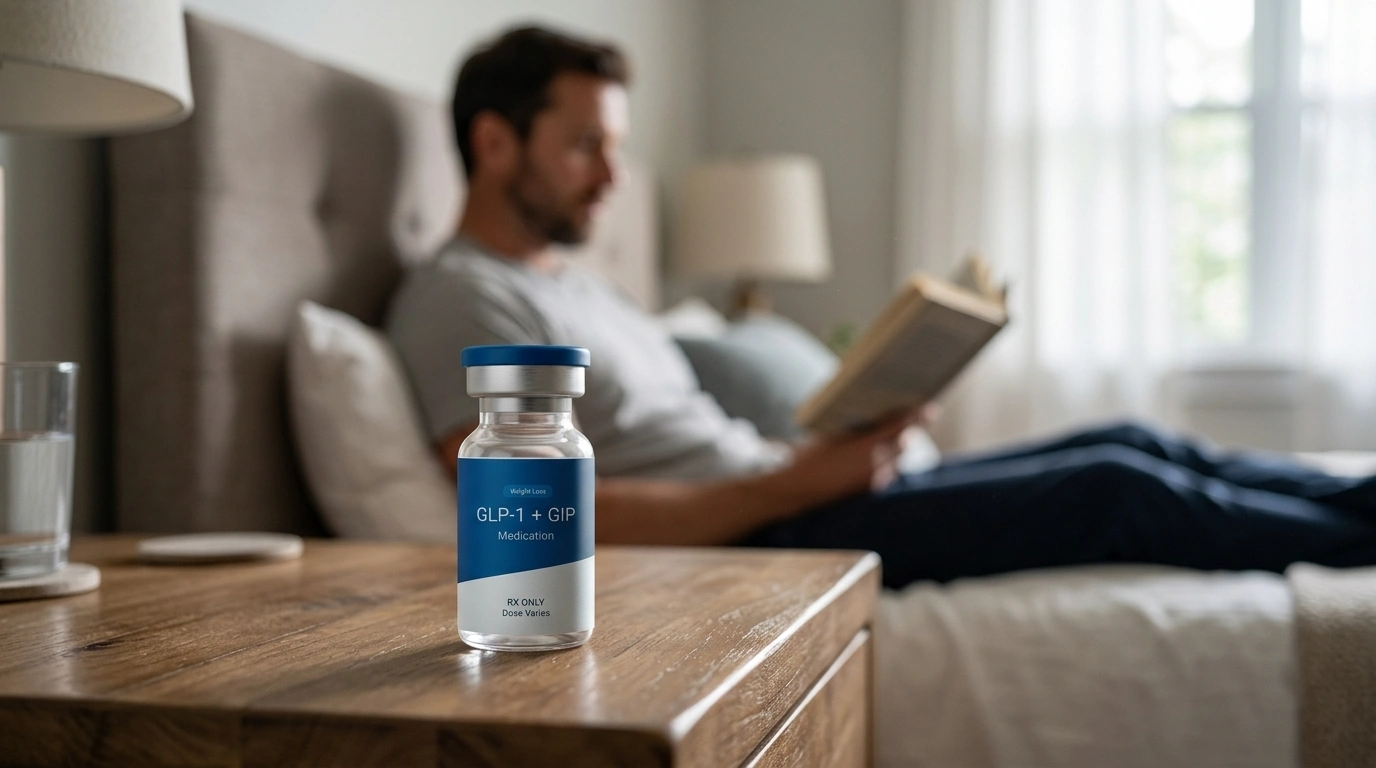
Zepbound® is a medication known as a dual glucose-dependent insulinotropic polypeptide (GIP) and glucagon-like peptide-1 (GLP-1) receptor agonist. While that sounds technical, it essentially means the medication mimics two natural hormones in your body that regulate how you process food and how your brain perceives hunger. Unlike earlier medications that only targeted one hormone, this dual-action approach provides a more comprehensive signal to the body.
The primary way the medication affects your desire to eat is by interacting with the receptors in the brain that control appetite and satiety, which is the clinical term for feeling full. When these receptors are activated, the brain receives a clear signal that the body has enough energy. This doesn’t necessarily mean you will never want to eat again, but rather that the intensity of your hunger is significantly lowered. If you are considering prescription treatment, you can take the free assessment quiz to see whether a personalized program may be appropriate for you.
Quick Answer: Yes, Zepbound® typically reduces your desire to eat by mimicking hormones that signal fullness to the brain and slowing the rate at which food leaves your stomach. This leads to reduced hunger, smaller portion sizes, and a decrease in persistent thoughts about food.
The Role of GLP-1 and GIP Hormones
To understand why your appetite shifts, it is helpful to look at the two hormones involved. GLP-1 (glucagon-like peptide-1) is a hormone naturally released by your intestines when you eat. Its job is to tell your brain you are full and to help your pancreas release the right amount of insulin. By mimicking this hormone, the medication extends that feeling of fullness long after you have finished your meal.
GIP (glucose-dependent insulinotropic polypeptide) is the second hormone involved. Research suggests that GIP may work alongside GLP-1 to improve how the body breaks down sugar and fat. It may also have an effect on the brain’s “reward” centers. When these two pathways work together, they create a powerful internal signal that reduces the urge to snack or overeat.
For an individual who has spent years fighting biological hunger signals, this shift can feel like a significant weight has been lifted. Instead of relying solely on willpower, the body’s own chemistry begins to support the goal of eating less. For more context, read how tirzepatide can influence hunger and food noise.
Slowing Down Gastric Emptying
Another reason why people feel like they “don’t want to eat” while on this medication is a physical change in digestion. Gastric emptying refers to the speed at which food moves from your stomach into the small intestine.
Tirzepatide, the active ingredient in Zepbound®, slows this process down. When food stays in your stomach longer, the physical sensation of “fullness” persists for several hours. This physical feedback loop is a key component of weight management. If your stomach still feels occupied, the brain is less likely to trigger hunger pangs. Learn more about how Zepbound affects gastric emptying.
Key Takeaway: The combination of brain-level appetite suppression and the physical slowing of digestion creates a dual “fullness” effect that makes it much easier to adhere to a reduced-calorie diet.
Understanding “Food Noise” Reduction
One of the most frequently reported experiences by patients using GLP-1 or GIP medications is the disappearance of “food noise.” Food noise is the persistent, intrusive thoughts about eating, cravings for specific foods, or the constant mental planning of the next meal.
For many, this mental chatter is the hardest part of losing weight. When you are on a medication that targets these hormonal pathways, that noise often goes quiet. You may find that you can walk past a plate of snacks without a second thought, or that you simply forget to snack between meals because the urge isn’t there.
This is not the same as a total loss of interest in food. Most people still enjoy their meals, but they find they are satisfied with much smaller portions. The “drive” to eat for emotional comfort or out of habit is often diminished, allowing for more intentional food choices. You can also explore what to expect during the first week on Zepbound.
The Difference Between Fullness and Aversion
It is important to distinguish between a healthy reduction in appetite and a complete aversion to food. Ideally, the medication should make you feel satisfied with less food, not make the thought of eating repulsive.
- Healthy Satiety: You feel full after a small, nutritious meal. You don’t feel the need to snack. You have steady energy throughout the day.
- Appetite Aversion: You feel nauseated at the sight of food. You struggle to eat even small amounts of protein or vegetables. You feel weak because you aren’t consuming enough calories.
If the medication makes you feel like you truly cannot eat at all, it may be a sign that the dosage needs adjustment or that you are experiencing side effects. Our platform, TrimRx, connects you with licensed providers who can help monitor these sensations to ensure your weight loss is happening in a healthy, sustainable way.
Why You Might Feel Nauseated
While the goal is to reduce hunger, sometimes the medication can cause nausea, which can certainly make you “not want to eat.” This usually happens because the stomach is slowing down more than the body is used to. If you eat a large or heavy meal, the food sits in the stomach longer, which can lead to discomfort, bloating, or a feeling of being “overly stuffed.”
Most side effects are mild and occur when first starting the medication or when increasing the dose. Common symptoms include:
- Nausea
- Occasional vomiting
- Diarrhea or constipation
- Heartburn
To manage these feelings, many providers recommend eating smaller, more frequent meals and avoiding high-fat or fried foods, which can be harder for a “slowed” stomach to process. For additional information, review why tirzepatide may cause nausea.
The Importance of Nutritional Support
Because you will likely be eating less, every bite becomes more important. When your appetite is suppressed, you run the risk of not getting enough protein, vitamins, and minerals. This can lead to muscle loss or fatigue.
Even when you don’t feel like eating, focusing on high-quality nutrition is vital. We often suggest prioritizing protein to protect your muscle mass and staying hydrated to help your kidneys and digestive system function properly. For those who need an extra boost to maintain their health while on a GLP-1 or Tirzepatide program, we offer GLP-1 Daily Support and Weight Loss Boost supplements. These can help bridge the gap when your food intake is lower than usual.
How the TrimRx Program Works
At TrimRx, we believe that medication is most effective when it is part of a structured, medically supervised program. We provide a telehealth-first approach that removes the barriers of traditional weight loss clinics.
Step 1: Complete the Free Assessment. You start by taking our online health quiz. This helps us understand your medical history, your BMI, and your previous weight loss attempts.
Step 2: Provider Consultation. A licensed healthcare provider reviews your profile. If appropriate, they will prescribe a treatment plan tailored to your needs. This might include branded medications like Zepbound® or compounded alternatives.
Step 3: Medication Delivery. Once prescribed, your medication is shipped directly to your door from an FDA-registered, inspected compounding pharmacy.
Step 4: Ongoing Support. You have 24/7 access to specialists who can answer questions about appetite changes, side effects, or dosing.
Note: Compounded Semaglutide and Compounded Tirzepatide are prepared by licensed pharmacies to meet specific patient needs. While the pharmacies are FDA-registered and inspected, these compounded versions themselves are not FDA-approved. Branded medications like Zepbound® and Wegovy® are FDA-approved but are not shipped directly by our platform; they are filled at your local pharmacy.
Is This Right for You?
Not everyone who wants to lose weight is a candidate for these medications. Generally, they are intended for adults with a Body Mass Index (BMI) of 30 or greater, or a BMI of 27 or greater with at least one weight-related health condition such as high blood pressure or type 2 diabetes.
If you have a history of certain medical conditions, such as medullary thyroid carcinoma or Multiple Endocrine Neoplasia syndrome type 2, these medications are generally not recommended. A thorough consultation with a healthcare provider is the only way to determine if a GLP-1 or GIP agonist is safe for your specific health profile. To discuss your eligibility, complete a free eligibility assessment.
Comparing Appetite Suppression Across Medications
While Zepbound® (Tirzepatide) is known for its dual-hormone action, other medications also affect appetite through the GLP-1 pathway.
| Medication | Hormone Targets | Primary Effect on Eating |
|---|---|---|
| Zepbound® / Mounjaro® | GIP & GLP-1 | Dual-signal satiety; significantly reduced food noise. |
| Wegovy® / Ozempic® | GLP-1 Only | Strong satiety signal; slowed gastric emptying. |
| Compounded Tirzepatide | GIP & GLP-1 | Same biological targets as branded versions; personalized dosing. |
| Compounded Semaglutide | GLP-1 Only | Same biological targets as branded semaglutide; accessible telehealth options. |
Every individual reacts differently. Some may find that one medication reduces their appetite more effectively than another, which is why a personalized approach is so important.
Managing the Transition to Lower Appetite
When you start a program through a platform like TrimRx, the shift in your hunger can be surprising. You might find that you can’t finish a plate of food you previously would have polished off easily. This requires a mental adjustment as much as a physical one.
Tips for eating when your appetite is low:
- Prioritize Protein: Eat your chicken, fish, or tofu first to ensure you get the building blocks your muscles need.
- Eat Slowly: Give your brain time to receive the satiety signals from your stomach.
- Stay Hydrated: Sometimes thirst can be mistaken for hunger, but even when hunger is low, your body needs plenty of water.
- Stop When Full: Learn to listen to the new “stop” signal your body is sending. Overeating while on these medications often leads to discomfort.
For additional guidance on eating after taking Zepbound, read how to manage meals and appetite changes.
Bottom line: Zepbound® and similar medications work by resetting your body’s internal hunger thermostat, making it possible to eat less without the constant struggle of intense cravings.
Common Misconceptions About Appetite Loss
There are several myths surrounding the use of GLP-1 and GIP medications and how they affect your desire to eat.
Myth: You will never be hungry again.
Fact: You will still experience hunger, but it will likely be less frequent and less intense. It becomes a manageable physical signal rather than an overwhelming urge.
Myth: The medication “starves” you.
Fact: The medication does not prevent you from eating; it simply helps you feel satisfied with a normal, healthy amount of food. You are still in control of your nutritional intake.
Myth: If you don’t feel nauseous, the medication isn’t working.
Fact: Nausea is a side effect, not the primary mechanism of action. Many people experience excellent weight loss results and appetite suppression without ever feeling sick.
Why Personalization Matters
Weight loss is not a one-size-fits-all journey. Your metabolic health, genetics, and lifestyle all play a role in how you respond to medication. This is why TrimRx focuses on a comprehensive service model. We don’t just provide access to a prescription; we provide a program that includes doctor consultations and unlimited support.
By monitoring how your appetite changes, a provider can adjust your dosage to find the “sweet spot”—where your hunger is controlled, but you still have the energy and desire to eat the nutrients your body needs. This balance is the key to sustainable, long-term success rather than a quick fix that is hard to maintain.
Realistic Expectations for Your Journey
When you start a medication that makes you not want to eat as much, the weight loss often begins relatively quickly. However, it is a marathon, not a sprint. The goal is to use the period of reduced appetite to build better habits.
In the first few weeks, you may notice a significant drop in cravings. As your body adjusts to the medication, your appetite may stabilize. This is normal. The medication is still working to regulate your blood sugar and satiety signals even if the initial “total loss of appetite” softens slightly.
It is also important to remember that these medications are intended for long-term use in many cases. Because they address the biological roots of weight management, stopping the medication may cause the “food noise” and hunger signals to return. Working with a dedicated team helps you plan for every stage of the process.
Conclusion
The answer to whether Zepbound® makes you not want to eat is a nuanced yes. By mimicking the GIP and GLP-1 hormones, it effectively quietens the brain’s hunger centers and physically slows digestion. This combination allows you to feel full faster and remain satisfied longer, which is a powerful tool for anyone who has struggled with traditional dieting. At TrimRx, we are committed to being your partner in this process, providing the clinical expertise and personalized care needed to navigate these changes safely. Our mission is to help you embrace a healthier lifestyle through science and empathy, ensuring you have the support to achieve sustainable results.
To see if a personalized weight loss program is right for you, the best first step is to take our free assessment quiz. This allows our partner providers to evaluate your health profile and determine the most effective path forward for your unique needs.
FAQ
Does the loss of appetite happen immediately?
Many people notice a decrease in hunger and food noise within the first few days of their first dose. However, the medication is usually started at a low dose to allow the body to adjust, so the full effect on appetite typically increases over several weeks as the dosage is gradually raised. For more detail, read what to expect after the first dose of Zepbound.
Can I still eat my favorite foods while on Zepbound®?
You can still eat the foods you enjoy, but you will likely find that you want them less often or are satisfied with much smaller portions. It is often recommended to focus on nutrient-dense foods first to ensure you are getting proper nutrition while your overall intake is reduced.
What should I do if I have no appetite at all?
If you find it impossible to eat enough to maintain your energy, you should consult your healthcare provider. It may be a sign that your dosage needs to be adjusted, as the goal is a healthy reduction in hunger, not a complete inability to consume food. If reduced appetite makes it difficult to maintain nutritional intake, GLP-1 Daily Support may provide an additional nutritional option to discuss with your healthcare professional.
Will my appetite return if I stop taking the medication?
Research suggests that for many people, the hormonal signals for hunger and food noise return once the medication is discontinued. This is why many healthcare providers view these treatments as long-term tools for managing metabolic health and weight.
Disclaimer: This content is for informational purposes only and does not constitute medical advice. It is not intended to diagnose, treat, cure, or prevent any disease or condition. Individual results may vary. Always consult a qualified healthcare professional before starting any weight loss program or medication.

Transforming Lives, One Step at a Time
Keep reading

Massage on Zepbound: What to Know Before Your Appointment
A massage or a spa day should be relaxing. If you take Zepbound or compounded tirzepatide, a few simple steps make sure it is:…

College Move-In Day on Zepbound
Moving a child into college is one of the bigger days in a parent’s life. It is also physically demanding: a long drive, waiting…

Dental Hygienists on Zepbound
Dental hygiene is close, physical work. You see a patient roughly every hour, spend most of the day leaning over the chair, wear a…


