What to Eat on Zepbound When Not Hungry
Introduction
It is a common scenario for those starting their journey with Zepbound®: you know you need to fuel your body, but the very thought of a full meal feels overwhelming. This medication is highly effective at reducing “food noise” and slowing digestion, which often leads to a significant drop in appetite. While eating less is the goal for weight loss, eating too little—or missing out on essential nutrients—can lead to fatigue, muscle loss, and a stalled metabolism. At TrimRx, we believe that successful weight management is about more than just eating fewer calories; it is about choosing the right fuel to support your body while it undergoes these biological changes. This article covers practical strategies for maintaining nutrition when your hunger signals are quiet, focusing on protein-dense foods, liquid nutrition, and meal-timing techniques. By prioritizing quality over quantity, you can support your health and ensure sustainable results.
If you are considering prescription treatment, you can complete a free eligibility assessment to learn whether a personalized program may be appropriate for you.
The Mechanism of Appetite Suppression
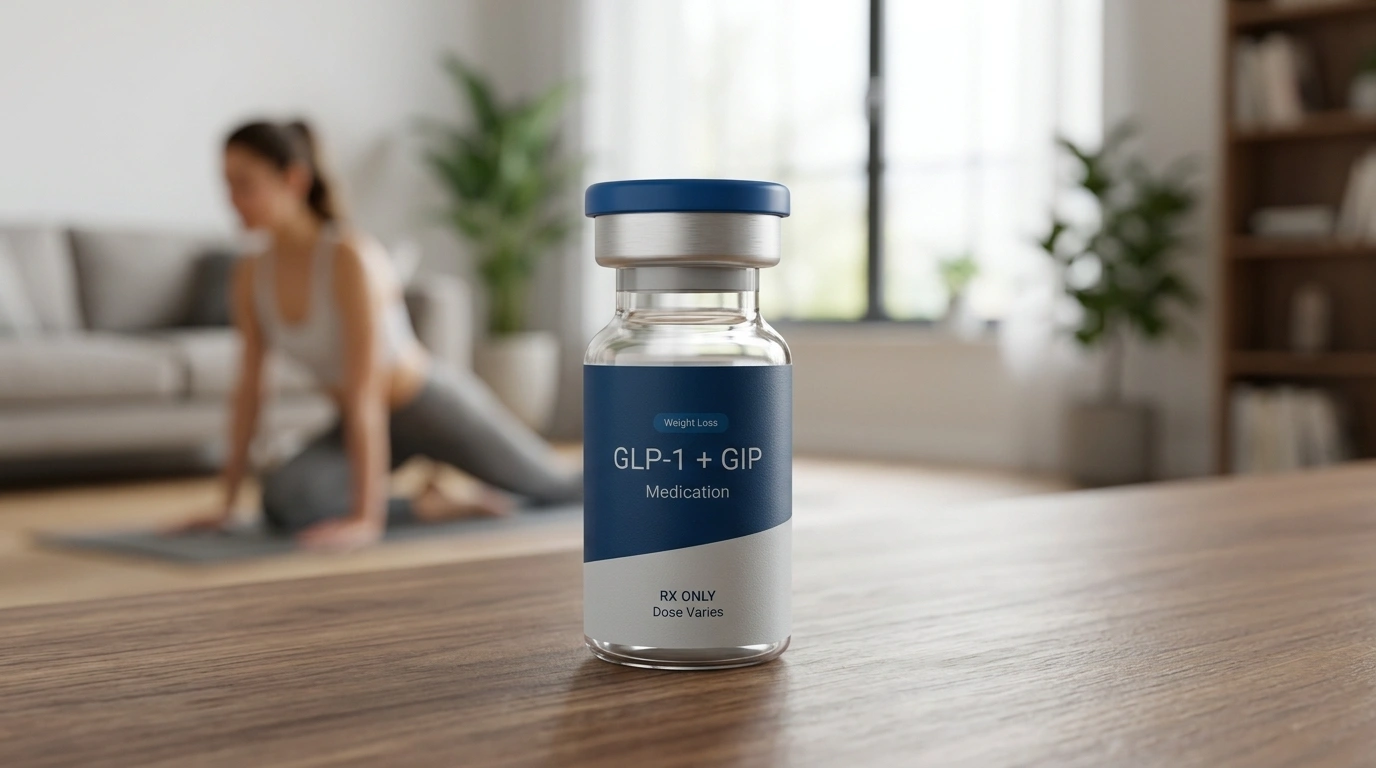
To understand what to eat, it helps to understand why you aren’t hungry. Zepbound® contains tirzepatide, a dual-acting medication that mimics two hormones naturally produced by the body: glucagon-like peptide-1 (GLP-1) and glucose-dependent insulinotropic polypeptide (GIP). These hormones work together to regulate blood sugar and signal the brain that you are full.
One of the primary ways this medication works is by slowing down gastric emptying. This means food stays in your stomach longer than usual. When your stomach remains physically full for an extended period, the vagus nerve continues to send “satiety” signals to your brain. Additionally, the medication acts directly on the hypothalamus, the part of the brain responsible for hunger and cravings. The result is a profound decrease in interest in food, which is why many patients find themselves “forgetting” to eat or feeling full after only a few bites.
For a deeper explanation, read this guide to how long food can stay in your stomach on Zepbound.
Key Takeaway: The medication slows digestion and changes brain chemistry to reduce hunger, making intentional, nutrient-dense eating essential to avoid malnutrition or muscle loss.
The Importance of Eating When You Aren’t Hungry
It might seem counterintuitive to force yourself to eat when you are trying to lose weight. However, your body still requires a baseline of vitamins, minerals, and macronutrients to function. If you consistently consume too few calories, your body may enter a “starvation” state, where it begins to break down muscle tissue for energy instead of just burning fat.
Muscle preservation is critical. Muscle is metabolically active tissue. The more muscle you maintain, the higher your resting metabolic rate remains. When patients lose weight too rapidly without adequate protein intake, a significant portion of that weight loss can come from muscle mass. This can lead to a “plateau” where weight loss stops, and it can also cause physical weakness and hair thinning. Eating small, frequent, and nutrient-rich portions ensures your organs, brain, and muscles have the resources they need to keep you feeling your best during your treatment program.
Learn more about preserving muscle during GLP-1-assisted weight loss.
Prioritizing Protein Above All Else
When your appetite is limited, protein should be the first thing you reach for at every meal. Protein is the most important macronutrient for preserving lean muscle mass and supporting immune function. It also has a high thermic effect, meaning your body burns more energy digesting it than it does for fats or carbohydrates.
For additional guidance, review this breakdown of how much protein to eat per day on Zepbound.
High-Quality Lean Proteins
Lean animal proteins are excellent because they provide all the essential amino acids your body cannot produce on its own. If you can only manage a few bites, make them count with these options:
- Grilled or roasted chicken breast or turkey
- White fish like cod, tilapia, or halibut
- Shrimp or scallops
- Extra-lean ground beef or bison
- Egg whites or whole eggs
Plant-Based Protein Options
For those who prefer a plant-forward diet or find heavy meats difficult to digest while on medication, there are several high-density options:
- Tofu and tempeh (often easier on the stomach than fibrous beans)
- Greek yogurt (specifically plain, non-fat versions which are very high in protein)
- Low-fat cottage cheese
- Edamame
Bottom line: If you only have room for a small amount of food, eat the protein portion first before moving on to vegetables or starches.
The Role of Liquid Nutrition
On days when solid food feels particularly unappealing, liquid nutrition can be a literal lifesaver. Shakes and smoothies allow you to sip on nutrients over an hour or two, rather than trying to sit down for a formal meal.
Meal Replacement Shakes
Look for shakes that are high in protein (at least 20–30 grams) and low in added sugars. Many patients find that cold liquids are more palatable when they are feeling slight nausea or extreme fullness.
Bone Broth
Bone broth is an excellent “bridge” food. It is rich in protein and collagen, and the warmth can be soothing to the digestive system. It also helps with hydration and provides essential electrolytes like sodium and potassium, which are vital when your food intake is low.
Nutrient-Dense Smoothies
You can “hide” many nutrients in a smoothie. Consider blending:
- A scoop of high-quality whey or plant-based protein powder.
- A handful of spinach (you won’t taste it, but you’ll get the iron and fiber).
- A tablespoon of chia seeds or flaxseeds for healthy fats.
- Half a cup of berries for antioxidants.
- Water, almond milk, or coconut water as a base.
Incorporating Healthy Fats and Fiber
While protein is the priority, you still need fiber to keep your digestive system moving. A common side effect of GLP-1 medications is constipation, largely due to the slowed gastric emptying mentioned earlier.
For more information about managing digestive discomfort, explore this guide to tirzepatide side effects and management strategies.
Fiber Without the Bulk
High-fiber foods can be very filling, which is a challenge when you aren’t hungry. Focus on small amounts of fiber-dense foods:
- Raspberries and blackberries: These are lower in sugar and higher in fiber than many other fruits.
- Chia seeds: These can be added to yogurt or smoothies and expand to help keep things moving through the colon.
- Cooked vegetables: Raw vegetables can be difficult to digest and very bulky. Steaming or roasting vegetables like broccoli, zucchini, or carrots makes them easier to eat in small quantities.
Healthy Fats for Energy
Fats are calorie-dense, which is useful when you can only eat small amounts. However, greasy or fried fats can worsen nausea. Stick to “clean” fats:
- Avocado: A few slices on a piece of whole-grain toast or added to a smoothie.
- Nut butters: A tablespoon of almond or peanut butter provides healthy fats and a bit of extra protein.
- Olive oil: Drizzling a teaspoon of high-quality olive oil over your vegetables can add necessary calories without adding much volume.
Meal Timing and Small Bites Strategy
The traditional “three square meals a day” model rarely works for individuals on Zepbound®. Attempting to eat a large dinner often leads to discomfort, acid reflux, or waking up feeling overly full the next morning.
Transition to a “grazing” mindset. Instead of three meals, aim for five or six “mini-meals” or snacks throughout the day. This keeps your blood sugar stable and ensures a steady drip of nutrients into your system.
This small-meal approach is also discussed in what to expect during the first week on Zepbound.
A Sample Day of Eating for Low Appetite
- 8:00 AM: A small serving of Greek yogurt with a few berries.
- 11:00 AM: Half a protein shake or a cup of bone broth.
- 1:00 PM: Two ounces of grilled chicken and three slices of cucumber.
- 4:00 PM: A hard-boiled egg or a small handful of almonds.
- 7:00 PM: A small portion of white fish with steamed zucchini.
- Before Bed: The remaining half of your protein shake if you didn’t reach your protein goal.
Bottom line: Frequency is more important than volume. Use a timer on your phone if you find that you truly forget to eat for 6–8 hours at a time.
Managing Nausea and Texture Aversions
Appetite suppression is often accompanied by changes in how food tastes or feels in your mouth. Many people report a sudden “aversion” to the texture of meat or find that very sweet foods become cloying.
The “Bland” Approach
If you are struggling with nausea, stick to the BRAT-adjacent diet but with a protein twist. Instead of just “Bananas, Rice, Applesauce, and Toast,” try:
- Plain crackers with a slice of low-fat cheese.
- Scrambled egg whites.
- Plain cold tofu with a dash of soy sauce.
- Cold deli turkey slices.
Temperature Matters
Cold or room-temperature foods often have less of an aroma than hot foods. Since smell is closely linked to appetite and nausea, switching to cold plates can help you get through a meal. Cold chicken salad (made with Greek yogurt instead of heavy mayo) or a cold quinoa salad are often better tolerated than a steaming plate of food.
Hydration and Electrolytes
When you aren’t eating much, you are also not getting the water that is naturally found in food. This makes it very easy to become dehydrated. Dehydration often mimics the feeling of hunger or, conversely, can make nausea feel much worse.
The Role of Electrolytes
It isn’t just about water; it is about balance. When you lose weight quickly, your body sheds excess water, and with it, electrolytes. If you feel dizzy, have a headache, or experience muscle cramps, you may be low on sodium, magnesium, or potassium.
- Drink at least 80–100 ounces of water daily.
- Consider an electrolyte powder or drop (ensure it is sugar-free).
- Sip water throughout the day rather than gulping large amounts at once, which can contribute to feeling “too full.”
Note: Always consult with a healthcare provider if you experience persistent dizziness or signs of severe dehydration, as your medication or dosage may need adjustment.
Supplements to Fill the Gaps
Even with the best intentions, it can be difficult to meet all your nutritional requirements through food alone when your appetite is significantly suppressed. This is where high-quality supplements can provide a safety net.
At TrimRx, we suggest looking into targeted support. For example, our GLP-1 Daily Support supplement is formulated to provide the essential micronutrients that are often missed when caloric intake drops. Additionally, if you find your energy levels flagging despite your efforts to eat, a Weight Loss Boost supplement may help support metabolic function.
Myth: You don’t need vitamins if you are losing weight.
Fact: Weight loss puts stress on the body. Micronutrient deficiencies can lead to hair loss, brittle nails, and weakened immunity. Supplementation is a key pillar of a personalized weight loss program.
Listening to Your Body’s Cues
While it is important to eat, it is equally important not to “over-stuff” yourself. Because Zepbound® slows digestion, the point between “satisfied” and “painfully full” is very thin.
Learn the “Stop” Signal
The moment you feel a slight pressure in your chest or a sense that one more bite will be too much—stop. Unlike before you were on the medication, your body may not give you a loud “I’m full” signal until it is too late. Overeating on these medications can lead to significant gastric distress, including vomiting or “sulfur burps.”
Keep a Food Journal
Tracking what you eat for a week can be eye-opening. You might think you are eating enough, but a log may show you are only getting 40 grams of protein and 800 calories. This data is invaluable for you and your clinical team to help adjust your nutrition plan or your medication dosage.
How to Start Your Journey
Navigating the world of GLP-1 and GIP medications can feel complex. A personalized approach is the most effective way to ensure you are losing weight safely and sustainably. We provide access to licensed healthcare providers who specialize in these treatments.
Through a telehealth-first model, you can receive a medical evaluation, lab work, and a customized treatment plan without ever stepping into a waiting room. This program includes ongoing support to help you manage side effects and optimize your nutrition as your body changes.
Steps to Begin Your Program
Step 1: Complete the free assessment quiz. / This helps our partner providers understand your medical history, goals, and current health profile.
Step 2: Consult with a licensed provider. / You will receive a personalized recommendation, which may include compounded tirzepatide or other GLP-1 medications if eligible.
Step 3: Receive your medication and support. / Medications are shipped directly from FDA-registered, inspected compounding pharmacies to your door.
Step 4: Ongoing monitoring. / You have 24/7 access to specialized support to help you adjust your diet and manage your progress.
Conclusion
Managing your nutrition while on Zepbound® requires a shift in perspective. Instead of eating for pleasure or out of habit, you are eating to provide your body with the structural components it needs to stay healthy while burning fat. By focusing on high-quality proteins, utilizing liquid nutrition, and opting for small, frequent meals, you can navigate appetite suppression without compromising your well-being. Our mission is to provide you with the clinical expertise and personalized tools necessary to make this journey successful and sustainable. We are here to guide you through every stage, from your first dose to achieving your ultimate health goals.
If you are ready to explore whether prescription treatment fits your needs, find out if you qualify for a personalized program.
Key Takeaway: Success on Zepbound® is a balance of the medication’s power and your commitment to nutrient-dense, protein-forward eating. Focus on small bites, stay hydrated, and prioritize your body’s long-term health.
FAQ
Is it okay to skip meals if I am not hungry on Zepbound®?
While it may be tempting to skip meals, it is generally not recommended to go long periods without any nutrition. Consistently skipping meals can lead to muscle loss, severe fatigue, and nutrient deficiencies. Instead of skipping, try to consume a small amount of protein or a nutrient-dense liquid, like bone broth or a protein shake, to keep your body fueled.
How much protein should I eat daily while on this medication?
Most experts recommend aiming for at least 60 to 90 grams of protein per day to help preserve lean muscle mass during weight loss. However, the exact amount can vary based on your body weight, activity level, and health goals. Consulting with a healthcare provider through our platform can help you determine a specific protein target that is right for your personalized program.
What should I do if I feel nauseous when trying to eat?
If nausea is making it difficult to eat, focus on bland, cold foods like Greek yogurt, chilled protein shakes, or simple crackers. Eating smaller portions more frequently throughout the day rather than large meals can also help reduce the burden on your digestive system. If nausea persists or becomes severe, you should contact your healthcare provider to discuss potential adjustments to your treatment plan. You can also review these tirzepatide side effect management strategies.
Can I just take a multivitamin instead of eating when I have no appetite?
A multivitamin is an excellent tool for filling nutritional gaps, but it cannot replace the macronutrients—like protein, healthy fats, and fiber—that your body needs to function. Think of supplements as a “safety net” rather than a replacement for food. Prioritize small, nutrient-dense bites of real food and use high-quality supplements to ensure you are meeting your daily requirements. For additional nutritional support during treatment, consider the GLP-1 Daily Support supplement.
Disclaimer: This content is for informational purposes only and does not constitute medical advice. It is not intended to diagnose, treat, cure, or prevent any disease or condition. Individual results may vary. Always consult a qualified healthcare professional before starting any weight loss program or medication.

Transforming Lives, One Step at a Time
Keep reading

Can You Lower Your Zepbound Dose Without Losing Your Progress?
Often yes, and the honest caveat is that the evidence for dose reduction specifically is thinner than the evidence for stopping. We know a…
Why Is There a Bruise Where I Injected My Zepbound?
A bruise means a small blood vessel was disturbed under the skin and blood spread into the surrounding tissue. It is one of the…

My Zepbound Pen Won’t Click Past a Certain Dose
Start by checking which device you are holding, because the answer depends entirely on that. Zepbound has commonly been supplied in the United States…


