What Happens If You Don’t Eat Enough on Zepbound
Introduction
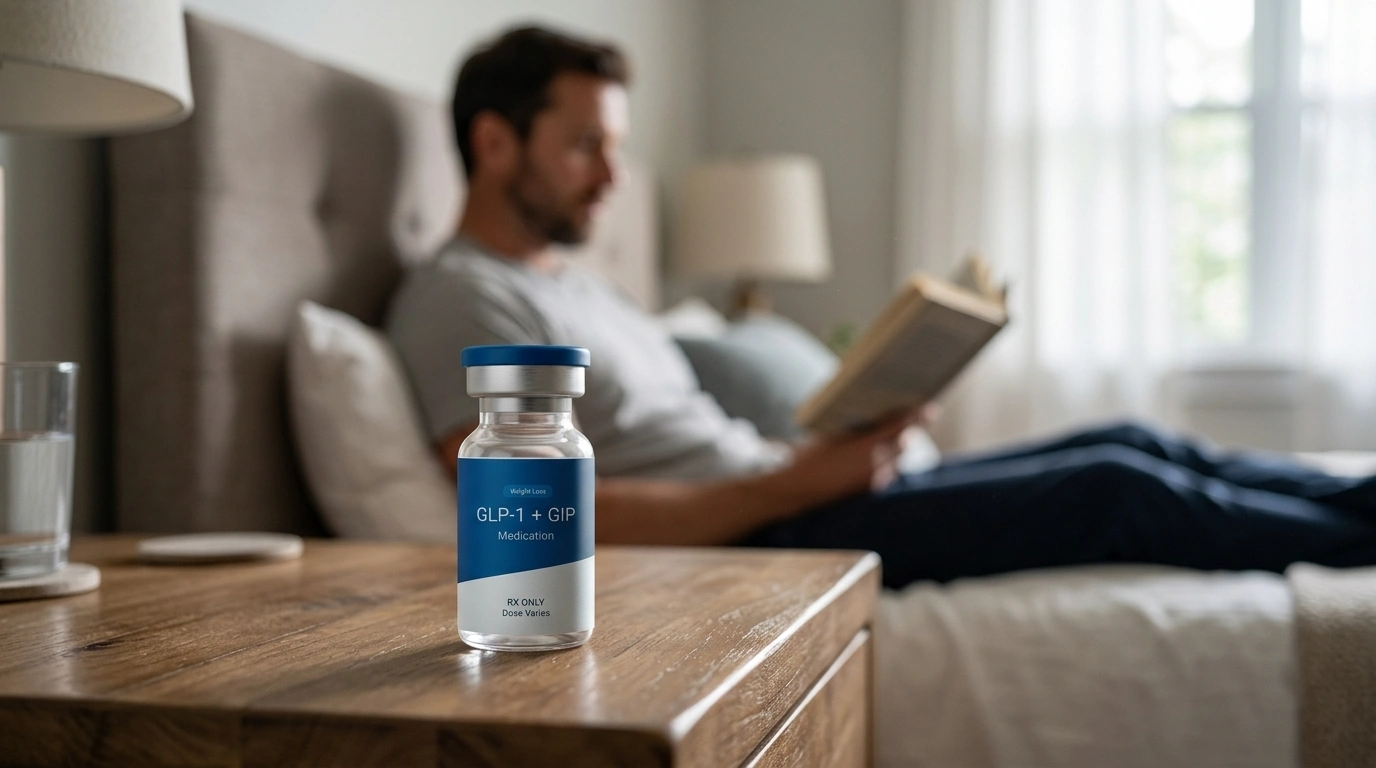
Finding yourself staring at a plate of food, unable to take more than two bites, is a common experience for those starting a new weight loss journey. While the goal of a weight management program is to reduce caloric intake, there is a fine line between a healthy deficit and dangerous undereating. When using medications like Zepbound®, which significantly suppress appetite, it is easy to inadvertently consume too few calories. At TrimRx, we believe that sustainable weight loss is about nourishing your body properly, not just seeing a lower number on the scale. This article explores the physiological risks of undereating while on a GLP-1 and GIP receptor agonist, from muscle loss and metabolic slowing to severe fatigue. We will cover how to identify the signs of malnutrition and provide actionable strategies to ensure your body gets the fuel it needs for long-term health. If you are considering prescription support, you can complete a free eligibility assessment.
Quick Answer: Not eating enough on Zepbound® can lead to muscle wasting, severe fatigue, hair loss, and nutrient deficiencies. It may also paradoxically stall weight loss as your metabolism slows down significantly to conserve energy in response to a perceived period of starvation.
The Science of Suppressed Appetite
Zepbound® belongs to a class of medications known as dual GIP (glucose-dependent insulinotropic polypeptide) and GLP-1 (glucagon-like peptide-1) receptor agonists. These are hormones naturally produced by the body that regulate hunger and blood sugar. By mimicking these hormones, the medication signals the brain that you are full while simultaneously slowing down gastric emptying, the process by which food leaves the stomach. For additional context, read this guide to how to eat while on Zepbound.
This dual action is highly effective for weight management, but it can sometimes work too well. When your brain constantly receives “fullness” signals and your stomach stays occupied for longer, the natural drive to eat can vanish entirely. For many individuals, the physical sensation of hunger—the “growling” stomach or the “lightheadedness” associated with needing food—is completely silenced. Without these cues, it is easy to skip meals or consume portions that are far below what the body requires to maintain basic biological functions.
The Risk of Muscle Loss (Sarcopenia)
One of the most significant risks of undereating on a powerful weight loss medication is the loss of lean muscle mass. When the body is in a severe calorie deficit, it looks for alternative energy sources. If it does not receive enough protein and energy from food, it begins to break down muscle tissue to access amino acids and glucose. You can also review this guide to how protein supports weight loss.
Muscle is metabolically active tissue. This means that the more muscle you have, the more calories you burn at rest. Losing muscle while losing weight is a common pitfall that can lead to a “skinny fat” appearance and a significantly lowered metabolism.
- Protein Sparing: To protect muscle, the body needs a consistent supply of dietary protein.
- Physical Strength: Muscle loss leads to weakness, making it harder to stay active and exercise.
- Long-term Maintenance: Maintaining a healthy muscle-to-fat ratio is the key to keeping weight off after you reach your goal.
Key Takeaway: Rapid weight loss without adequate nutrition often results in the loss of muscle rather than just fat, which can damage your long-term metabolic health and physical strength.
Metabolic Adaptation and Weight Loss Plateaus
It may seem counterintuitive, but eating too little can actually stop you from losing weight. This phenomenon is known as metabolic adaptation, or “starvation mode.” When your body detects a massive drop in caloric intake without an end in sight, it shifts into a survival state.
In this state, the body becomes incredibly efficient at holding onto stored energy (fat). It lowers your basal metabolic rate (BMR), which is the number of calories you burn just by existing. You may find that even though you are eating very little, the scale refuses to move. This is your body’s way of protecting itself from what it perceives as a famine. For more discussion of plateaus, see why you may not be losing weight on Zepbound.
Furthermore, extreme undereating can increase the production of cortisol, the body’s primary stress hormone. Elevated cortisol levels are often linked to water retention and an increase in visceral fat storage, particularly around the midsection. Balancing your intake ensures that your body feels “safe” enough to continue burning fat stores.
Nutrient Deficiencies and Physical Symptoms
When you are unable to eat enough volume, it becomes difficult to hit your requirements for essential vitamins and minerals. These micronutrients are the “spark plugs” for your cellular processes. Without them, your body begins to show signs of wear and tear.
Fatigue and Brain Fog
Glucose is the primary fuel for the brain. When you don’t eat enough, your blood sugar levels may become unstable, leading to cognitive fatigue, difficulty concentrating, and a general sense of “fogginess.” Physical exhaustion is also common, as the body lacks the raw materials needed to produce ATP, the energy currency of your cells.
Hair Thinning and Brittle Nails
The body views hair and nails as non-essential. If nutrients like iron, zinc, and biotin are in short supply, the body will divert them away from your scalp to your vital organs. This can lead to a condition called telogen effluvium, a temporary form of hair loss caused by physical stress or rapid weight loss.
Weakened Immune System
Consistent undereating deprives the immune system of the protein and vitamins needed to produce white blood cells and antibodies. You may find yourself catching colds more frequently or taking longer to recover from minor illnesses.
Bone Density Concerns
Long-term undereating, especially a lack of calcium and vitamin D, can lead to a decrease in bone mineral density. This increases the risk of fractures and osteopenia as you age.
Gastrointestinal Complications
Ironically, not eating enough can actually worsen the side effects of medications like Zepbound®. Many people skip meals because they feel slightly nauseated, but an empty stomach can often make nausea worse. For more guidance, explore these strategies for managing persistent nausea on GLP-1 medications.
The Bile Acid Issue: When you don’t eat, your gallbladder doesn’t contract as often to release bile. This can lead to the formation of gallstones, a known risk factor during rapid weight loss. Providing the body with healthy fats and fiber at regular intervals keeps the digestive system moving and reduces the risk of gallbladder stasis.
Acid Reflux: In some cases, a completely empty stomach can lead to an accumulation of stomach acid, which may cause heartburn or reflux. Eating small, frequent bites can help neutralize this acid and provide relief.
Signs You Are Not Eating Enough
It is important to monitor your body for warning signs that your caloric intake has dropped too low. While some adjustment period is normal when starting a medication, the following symptoms should be discussed with a healthcare provider:
- Extreme Lightheadedness: Feeling faint when standing up quickly.
- Constant Coldness: Feeling chilled even in warm environments, as the body stops prioritizing heat production.
- Irritability: “Hangry” feelings that persist even when you don’t feel “hungry.”
- Irregular Menstrual Cycles: For women, a loss of a period (amenorrhea) is a major red flag for low energy availability.
- Slow Wound Healing: Scrapes or bruises that take an unusually long time to fade.
Note: If you experience persistent vomiting or the inability to keep any food or liquids down for more than 24 hours, contact your healthcare provider immediately.
Strategies to Ensure Adequate Nutrition
When your appetite is suppressed, you have to move from “intuitive eating” to “intentional eating.” You can no longer rely on your stomach to tell you when it is time to fuel up. Instead, you must follow a structured plan that prioritizes nutrient density over volume.
Prioritize Protein
Protein should be the star of every meal. It is the most important macronutrient for preserving muscle and supporting metabolic function. Aim for lean sources such as chicken, fish, tofu, Greek yogurt, or eggs. For many on this journey, getting enough protein through whole foods alone is difficult. This is where high-quality protein shakes can be a valuable tool, as liquids are often easier to tolerate when you feel full. Our guide to the best protein choices for weight loss offers additional ideas.
Small, Frequent Meals
Instead of trying to eat three large meals, aim for five or six “mini-meals” throughout the day. A handful of almonds, a string cheese, or half an apple with peanut butter can provide steady energy without making you feel uncomfortably stuffed.
Hydration and Electrolytes
Proper hydration is crucial, but drinking large amounts of water right before a meal can fill up your stomach and prevent you from eating. Try to sip water throughout the day rather than gulping it at mealtime. Additionally, medications that affect insulin can sometimes cause the body to shed electrolytes like sodium and potassium. Ensure you are replenishing these to avoid muscle cramps and fatigue.
Supplement Support
Because it is difficult to get a full spectrum of vitamins from a restricted diet, many people benefit from targeted supplementation. We offer products like GLP-1 Daily Support, which is designed to help fill the nutritional gaps that often occur when your appetite is significantly reduced. This can provide peace of mind that your body is getting essential micronutrients even on days when your food intake is lower than usual.
The Importance of Professional Guidance
Weight loss is a clinical process that requires more than just a prescription. This is why a telehealth-first approach can be so beneficial. Having access to a dedicated team of specialists allows you to adjust your program as your body changes.
If you find that your appetite is so suppressed that you cannot meet basic nutritional needs, your provider may need to adjust your dosage or offer specific dietary counseling. Our personalized programs are designed to monitor your progress holistically, ensuring that your weight loss is safe, steady, and sustainable. We focus on your entire health profile, not just the number on the scale. If you are ready to discuss whether a personalized program may fit your needs, take the free assessment quiz.
Bottom line: Success on Zepbound® is measured by healthy body composition changes and improved vitality, not just the absence of hunger. Eating enough is a requirement for, not a hindrance to, your success.
How to Get Started with a Personalized Program
If you are ready to begin a medically supervised journey, the process is straightforward and designed to fit into your life without the need for waiting rooms or in-person visits.
Step 1: Complete the Assessment Take our free online health quiz to provide information about your medical history, weight loss goals, and current health status. This helps determine if a GLP-1 or GIP medication is right for you.
Step 2: Provider Consultation A licensed healthcare provider will review your profile. If appropriate, they will develop a personalized treatment plan tailored to your specific needs. This includes determining the right medication and starting dosage.
Step 3: Receive Your Medication Once prescribed, your medication is prepared by an FDA-registered, inspected compounding pharmacy and shipped directly to your door. All shipping and supplies are included in your program.
Step 4: Ongoing Support You gain 24/7 access to a team of specialists who can help you navigate side effects, answer nutritional questions, and provide the encouragement you need to stay on track.
Conclusion
Losing weight is a significant health milestone, but doing so at the expense of your underlying biology is counterproductive. What happens if you don’t eat enough on Zepbound® is a cascade of metabolic and physical adaptations that can make the journey harder and the results less permanent. By prioritizing protein, eating small frequent meals, and utilizing supplements like Weight Loss Boost or GLP-1 Daily Support, you can protect your muscle mass and keep your energy levels high.
Our mission at TrimRx is to provide a bridge between clinical expertise and your daily life. We offer the tools, medications, and professional support necessary to ensure your weight loss journey is as healthy as it is effective. True transformation happens when you work with your body, not against it.
Key Takeaway: Proper fueling is the foundation of long-term weight maintenance. If you cannot eat enough to support your daily activities, it is time to consult with your care team to adjust your strategy.
FAQ
Is it okay to skip meals if I am not hungry on Zepbound®?
It is generally not recommended to skip meals entirely, as this can lead to severe energy crashes and nutrient deficiencies. If you aren’t hungry, try to eat a small, protein-rich snack or drink a meal replacement shake to provide your body with the essential building blocks it needs to function and protect your muscle mass.
Can eating too little cause my weight loss to stop?
Yes, extreme calorie deprivation can trigger metabolic adaptation, where the body slows down its calorie-burning processes to conserve energy. This can lead to a weight loss plateau despite a very low food intake, as your body tries to protect its fat stores in response to what it perceives as a period of starvation.
How do I know if I am losing muscle instead of fat?
Signs of muscle loss include increased physical weakness, feeling “soft” despite a lower weight, and experiencing a significant drop in your strength during daily tasks or exercise. A personalized program that includes protein-rich nutrition and resistance training is the best way to ensure the weight you lose comes primarily from fat. For more information, read about strength training on Zepbound.
What should I do if the thought of food makes me nauseous?
If you are experiencing significant food aversion, focus on bland, cold, or liquid options which are often better tolerated. Try “grazing” on small amounts of food throughout the day rather than eating large portions, and speak with your healthcare provider about whether your medication dosage needs to be adjusted to manage these side effects. If you are exploring treatment options, you can find out whether a personalized GLP-1 program may be appropriate.
Disclaimer: This content is for informational purposes only and does not constitute medical advice. It is not intended to diagnose, treat, cure, or prevent any disease or condition. Individual results may vary. Always consult a qualified healthcare professional before starting any weight loss program or medication.

Transforming Lives, One Step at a Time
Keep reading

Kids’ Birthday Party on Zepbound
If you have young children, birthday parties are a regular part of life: your own child’s, and the steady stream of classmates’ parties most…
Water Aerobics on Zepbound
For people with painful knees, hips, or backs, water aerobics and pool exercise are often the first kind of exercise that feels possible. The…

New Year’s Eve on Zepbound
New Year’s Eve is built around staying up late. There is usually a big dinner or a party spread, drinks through the evening, champagne…


