GLP-1 Weight Loss Medications: How They Support Sustainable Change
Introduction
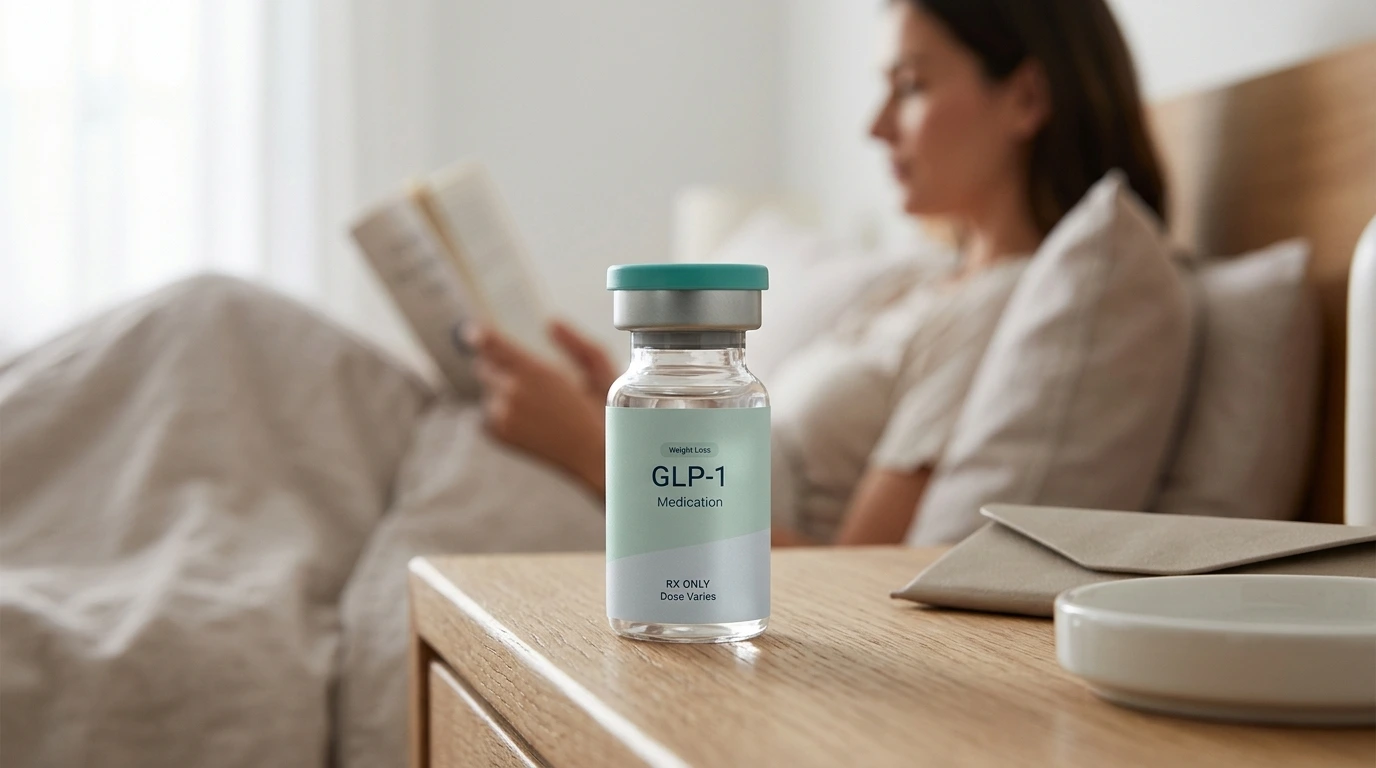
Finding a weight loss strategy that actually lasts can feel like an endless cycle of trial and error. Many people find that diet and exercise alone do not address the constant hunger or “food noise” that makes sticking to a plan so difficult. At TrimRx, we understand that weight management is a complex biological process, not just a matter of willpower. This is why many are turning to GLP-1 weight loss medications, a class of treatments that work with your body’s natural chemistry to help you feel full sooner and stay satisfied longer. This article will explain how these medications work, the differences between popular options, and how a personalized telehealth program can help you reach your goals. Understanding the science behind these treatments is the first step toward a more sustainable and compassionate approach to your health.
The Science of GLP-1 Weight Loss Medications
GLP-1 stands for glucagon-like peptide-1, which is a hormone naturally produced in your gut. This hormone plays a critical role in how your body manages hunger and processes sugar. When you eat, your intestines release GLP-1 to tell your brain that you are full. It also signals your pancreas to release insulin, which helps manage blood sugar levels. For many individuals struggling with weight, these natural signals may not be as strong as they should be, leading to overeating or constant cravings.
GLP-1 medications are known as receptor agonists. In plain English, an “agonist” is a substance that mimics something natural in your body. These medications mimic the GLP-1 hormone but are designed to last much longer in your system than the version your body makes on its own. While natural GLP-1 might disappear within minutes, the medication stays active for days, providing a steady signal of fullness to the brain.
These medications primarily target the “hunger center” of the brain. By activating specific receptors in the hypothalamus, the medication helps reduce appetite and cravings. This often results in a significant reduction in “food noise,” which is the intrusive, constant thinking about the next meal or snack. When this mental burden is lifted, making healthier food choices becomes much more manageable.
Key Takeaway: GLP-1 medications mimic a natural gut hormone to signal fullness to the brain, effectively reducing appetite and quietening persistent cravings.
How the Body Processes GLP-1 Treatments
Beyond the brain, GLP-1 medications affect the digestive system through delayed gastric emptying. This is a clinical term for slowing down the speed at which food leaves your stomach. When food stays in the stomach longer, you physically feel full for an extended period after eating a smaller portion. This physical sensation of “being stuffed” helps prevent the urge to snack between meals.
The pancreas also plays a vital role in this metabolic process. The medication encourages the pancreas to release the right amount of insulin when blood sugar levels are rising. At the same time, it helps reduce the amount of glucagon—a hormone that raises blood sugar—produced by your liver. This dual action helps stabilize blood sugar levels, which can prevent the energy crashes that often lead to sugar cravings.
This metabolic support is different from traditional weight loss stimulants. Unlike older “diet pills” that might increase your heart rate or make you feel jittery, GLP-1 medications focus on hormonal pathways. They are designed to support the body’s natural ability to regulate weight rather than forcing it into a state of high stress. This makes them a preferred option for many healthcare providers looking for a long-term management strategy. For a broader overview, explore this deep dive into how GLP-1 medications work.
Comparing Semaglutide and Tirzepatide
When looking into weight loss treatments, you will likely encounter two main active ingredients: semaglutide and tirzepatide. While they belong to the same general family of medications, they work in slightly different ways. This comparison of weight loss medications can help explain the differences.
Semaglutide is a pure GLP-1 receptor agonist. It focuses entirely on the GLP-1 pathway to control appetite and blood sugar. This was the first of the modern “weight loss” molecules to gain widespread attention. Clinical studies have shown it to be highly effective for weight reduction when combined with lifestyle changes.
Tirzepatide is a dual-acting medication. It targets the GLP-1 receptor, but it also targets a second hormone called GIP, or glucose-dependent insulinotropic polypeptide. GIP is another hormone that helps regulate fat metabolism and nausea. Some research suggests that by targeting both receptors, tirzepatide may lead to even more significant weight loss and may be better tolerated by some individuals.
| Feature | Semaglutide | Tirzepatide |
|---|---|---|
| Hormone Targets | GLP-1 only | GLP-1 and GIP |
| Primary Action | Appetite suppression & blood sugar | Dual hormone appetite & metabolism |
| Standard Delivery | Weekly injection or daily oral | Weekly injection or daily oral |
| Common Use | Weight management & Type 2 diabetes | Weight management & Type 2 diabetes |
Bottom line: Both medications are highly effective at reducing appetite, but tirzepatide adds a second hormonal pathway that may enhance results for certain individuals.
Branded Medications and Their Roles
In the landscape of weight loss, several brand names have become household words. It is important to distinguish between the brands and the actual medication they contain. This guide to Ozempic and personalized prescription treatment provides additional context.
Ozempic® and Wegovy® both contain semaglutide. Ozempic® is FDA-approved for the treatment of type 2 diabetes, though it is sometimes used for weight management. Wegovy® is FDA-approved specifically for chronic weight management in adults with obesity or those who are overweight with at least one weight-related condition. While they contain the same active ingredient, their approved uses and dosing schedules can vary.
Mounjaro® and Zepbound® both contain tirzepatide. Similar to the semaglutide brands, Mounjaro® is FDA-approved for type 2 diabetes, while Zepbound® is FDA-approved for weight loss. These medications are not affiliated with our platform, and we do not ship or sell these branded products directly. Instead, we connect patients with licensed providers who can determine which treatment path is medically appropriate.
Branded medications are often the primary focus of clinical trials. These trials provide the data that healthcare providers use to understand safety and efficacy. When a provider discusses these options with you, they are looking at your medical history to see if these specific molecules are safe for your body.
The Role of Compounding Pharmacies
Many people choose to access their weight loss journey through compounded versions of these medications. It is crucial to understand what this means for your treatment.
Compounded semaglutide and compounded tirzepatide are not FDA-approved. While the active ingredients (semaglutide and tirzepatide) are found in FDA-approved branded drugs, the specific compounded mixture itself has not gone through the same FDA brand-name approval process. However, these medications are prepared and shipped by FDA-registered and inspected compounding pharmacies. These pharmacies must follow strict quality and safety regulations.
Compounding allows for more flexible treatment options. Because these pharmacies prepare the medication on an individual basis, it can sometimes help solve supply issues or allow for specific dosage adjustments that a provider deems necessary. This can be a vital path for those who find that branded versions are unavailable or do not fit their specific clinical needs.
Safety is always the top priority in a telehealth setting. When you work through a platform like ours, the providers only work with reputable, licensed pharmacies. This ensures that the medication you receive is made to high standards, even if it is a compounded version rather than a branded one.
Eligibility and Getting Started
Not everyone is a candidate for GLP-1 medications. Licensed healthcare providers use specific criteria to ensure the treatment is safe and likely to be effective for you. If you want to explore whether treatment may be appropriate, you can complete a free eligibility assessment.
A primary factor in eligibility is Body Mass Index (BMI). Generally, these medications are considered for adults with a BMI of 30 or greater. They are also considered for those with a BMI of 27 or greater if they have weight-related health issues such as high blood pressure, type 2 diabetes, or high cholesterol. A provider will also look at your overall medical history, including any history of pancreatitis or specific thyroid conditions, which might be contraindications.
The process begins with a comprehensive health assessment. Through our platform, this starts with an online quiz that gathers your health data and goals. A licensed provider then reviews this information to see if a GLP-1 medication is right for you. This telehealth-first approach removes the need for waiting rooms and in-person visits, making the start of your journey much more convenient.
Step-by-Step: Starting Your Journey
- Complete the Assessment: Fill out our free online quiz to share your medical history and weight loss goals.
- Provider Review: A licensed healthcare professional reviews your profile to determine eligibility and the best medication path.
- Personalized Plan: If approved, a treatment plan is created specifically for your health profile and needs.
- Medication Delivery: Your medication is shipped directly to your door from a licensed pharmacy, including all necessary supplies.
- Ongoing Support: You receive continuous access to specialists to track your progress and manage any concerns.
Note: Always consult with a licensed healthcare provider to discuss your medical history and ensure a GLP-1 program is safe for your specific health needs.
Managing Common Side Effects
Like any medication that changes how your body functions, GLP-1 treatments can lead to side effects. Most of these are related to the digestive system and are usually mild to moderate. You can also review this guide to common GLP-1 side effects for additional information.
Nausea is the most frequently reported side effect. Because the medication slows down your stomach, your body may take some time to adjust to the new pace of digestion. This often happens early in the treatment or when your dose is increased. Many patients find that eating smaller, more frequent meals can help manage this sensation.
Other common issues include constipation, diarrhea, or heartburn. These are also results of the changes in your digestive tract. Staying well-hydrated is essential when taking these medications. In some cases, your provider might suggest specific supplements to support your gut health during the transition. GLP-1 Daily Support may provide additional nutritional support during treatment.
Serious side effects are rare but require immediate medical attention. These can include severe abdominal pain, which might indicate issues with the gallbladder or pancreas. While these instances are uncommon, it is vital to have a dedicated team of specialists available to answer your questions and guide you if you feel something isn’t right.
Myth: You have to suffer through severe nausea for the medication to work. Fact: While mild nausea is common, severe sickness is not the goal. Your provider can adjust your dose or offer strategies to minimize discomfort while still seeing results.
Enhancing Your Results with Lifestyle and Supplements
GLP-1 medications are designed to be a tool, not a total replacement for healthy habits. For the best and most sustainable results, they should be used alongside lifestyle changes. These principles are also discussed in this science-backed approach to sustainable weight loss.
Nutrition and protein intake are particularly important. Because you will be eating less, it is critical that the food you do eat is nutrient-dense. Many people focus on increasing their protein intake to help maintain muscle mass while they lose fat. This is where personalized guidance becomes very helpful, as it helps you navigate how to eat when your appetite is significantly lower.
Movement and exercise support your metabolic health. While the medication handles the hormonal side of weight loss, physical activity helps improve your cardiovascular health and mood. Even a daily walk can significantly impact how you feel and how your body responds to the treatment.
Targeted supplements can provide additional support. For those who want to optimize their journey, we offer products like GLP-1 Daily Support and Weight Loss Boost. These supplements are designed to provide the vitamins and nutrients your body needs while you are on a calorie-restricted path. Unlike the prescription program, these quick-access supplements are available for purchase without a medical quiz.
Why a Personalized Program Matters
Every person’s body responds to weight loss medication differently. A “one-size-fits-all” approach often leads to frustration or unmanaged side effects. This is why a personalized, medically supervised program is the most effective way to use these medications.
Dosage management is a key part of your success. Most people start on a low “loading dose” to let their body adjust. Over time, your provider will gradually increase the dose based on how well you are losing weight and how you are feeling. This “start low and go slow” method is the best way to minimize side effects and find the “sweet spot” for your metabolism.
Continuous access to care provides peace of mind. Having a dedicated team means you aren’t alone when you have questions about a side effect or a plateau in your progress. At TrimRx, our comprehensive model includes the doctor consultations and unlimited support you need to feel confident in your program. We believe that weight loss is a journey that requires both clinical expertise and genuine empathy.
Setting Realistic Expectations
It is important to remember that weight loss is a marathon, not a sprint. While some people see changes in the first few weeks, the most significant results usually happen over several months. The habits in this long-term GLP-1 weight loss guide can help reinforce a sustainable approach.
The goal is sustainable weight loss, not a “quick fix.” Losing weight too rapidly can sometimes lead to muscle loss or other health issues. A steady, gradual decline in weight is generally healthier and easier to maintain in the long run. Your provider will help you set realistic goals and track your progress through more than just the number on the scale.
You may experience “plateaus” where your weight stays the same for a while. This is a normal part of the process as your body adjusts to its new weight. During these times, your support team can help you decide if a dosage change is needed or if you simply need to stay the course.
Bottom line: Success with GLP-1 medications is measured by long-term health improvements and sustainable weight reduction, achieved through a combination of medical support and lifestyle adjustments.
The Future of Metabolic Health
The rise of GLP-1 medications represents a major shift in how we understand obesity and weight management. It is now recognized that for many, weight is a metabolic health issue rather than a lack of discipline.
This science-first approach reduces the stigma of weight loss. By treating the underlying hormonal imbalances, these medications give people the level playing field they need to make lasting changes. This shift in perspective is helping millions of people take control of their health without the shame that often accompanies traditional dieting.
Telehealth is making these advanced treatments accessible to more people. By removing the barriers of in-person visits and providing high-quality care online, more individuals can access the help they need. Our mission is to merge this clinical expertise with modern technology to deliver a transparent and effective path to health.
Conclusion
Navigating the world of GLP-1 medications can be overwhelming, but you don’t have to do it alone. These treatments offer a powerful way to work with your body’s biology to reduce hunger and support lasting weight management. Whether you are interested in semaglutide or tirzepatide, the key to success lies in a personalized, medically supervised approach. At TrimRx, we are committed to providing you with the tools, the medication, and the empathetic support you need to reach your goals. By combining science-backed treatments with a program tailored to your unique health profile, you can move past the cycle of failed diets and toward a healthier, more confident future.
Key Takeaway: Sustainable weight loss is possible when you address the biological drivers of hunger with professional guidance and personalized care.
Take the first step toward your goals by completing our free health assessment quiz. This simple process will help our providers determine if a personalized GLP-1 program is the right fit for your journey.
FAQ
How long does it take to see weight loss results on a GLP-1 medication?
Most patients begin to notice a decrease in appetite within the first few days or weeks of starting the medication. However, significant weight loss is usually seen after several months of consistent use as the dosage is gradually increased. Your provider will work with you to track your progress and ensure you are meeting your health goals at a safe and steady pace.
Do I have to stay on GLP-1 medications forever?
The duration of treatment depends on your individual health goals and the advice of your healthcare provider. Some people use the medication to reach a target weight and then transition to a maintenance plan, while others may use it longer to manage underlying metabolic issues. Your provider will help you develop a long-term strategy that supports your weight maintenance and overall health.
What is the difference between branded and compounded medications?
Branded medications like Wegovy® and Zepbound® are FDA-approved products manufactured by specific pharmaceutical companies. Compounded medications are prepared by FDA-registered, inspected compounding pharmacies to meet individual patient needs, but the compounded mixtures themselves are not FDA-approved. Both contain the same active ingredients and are prescribed by licensed providers based on your clinical needs.
Can I get GLP-1 medications without seeing a doctor in person?
Yes, through a telehealth platform like ours, you can be evaluated by a licensed healthcare provider entirely online. You will complete a comprehensive health assessment, and if a provider determines you are eligible, they can write a prescription and have the medication shipped directly to your door. This model provides the same level of medical supervision as an in-person visit but with added convenience and support. If you are ready to begin, start with a free online assessment.
Disclaimer: This content is for informational purposes only and does not constitute medical advice. It is not intended to diagnose, treat, cure, or prevent any disease or condition. Individual results may vary. Always consult a qualified healthcare professional before starting any weight loss program or medication.

Transforming Lives, One Step at a Time
Keep reading
Can the Wegovy Pill Hold the Weight You Lost on Semaglutide Injections?
Most likely yes, once you reach the maintenance dose. The risk is not the destination but the trip: switching means restarting titration on the…
Wegovy Alternatives: What Else Works for Weight Loss
If Wegovy isn’t working out, the strongest alternative is tirzepatide (Zepbound), which tends to produce more weight loss, followed by other GLP-1 options and…

VK2735 vs Wegovy: Investigational Contender vs Proven Semaglutide
VK2735 and Wegovy sit at different stages of development. VK2735, an investigational drug from Viking Therapeutics, comes in both injectable and oral forms and…


