Does Wegovy Make You Cold? Causes and Solutions
Introduction
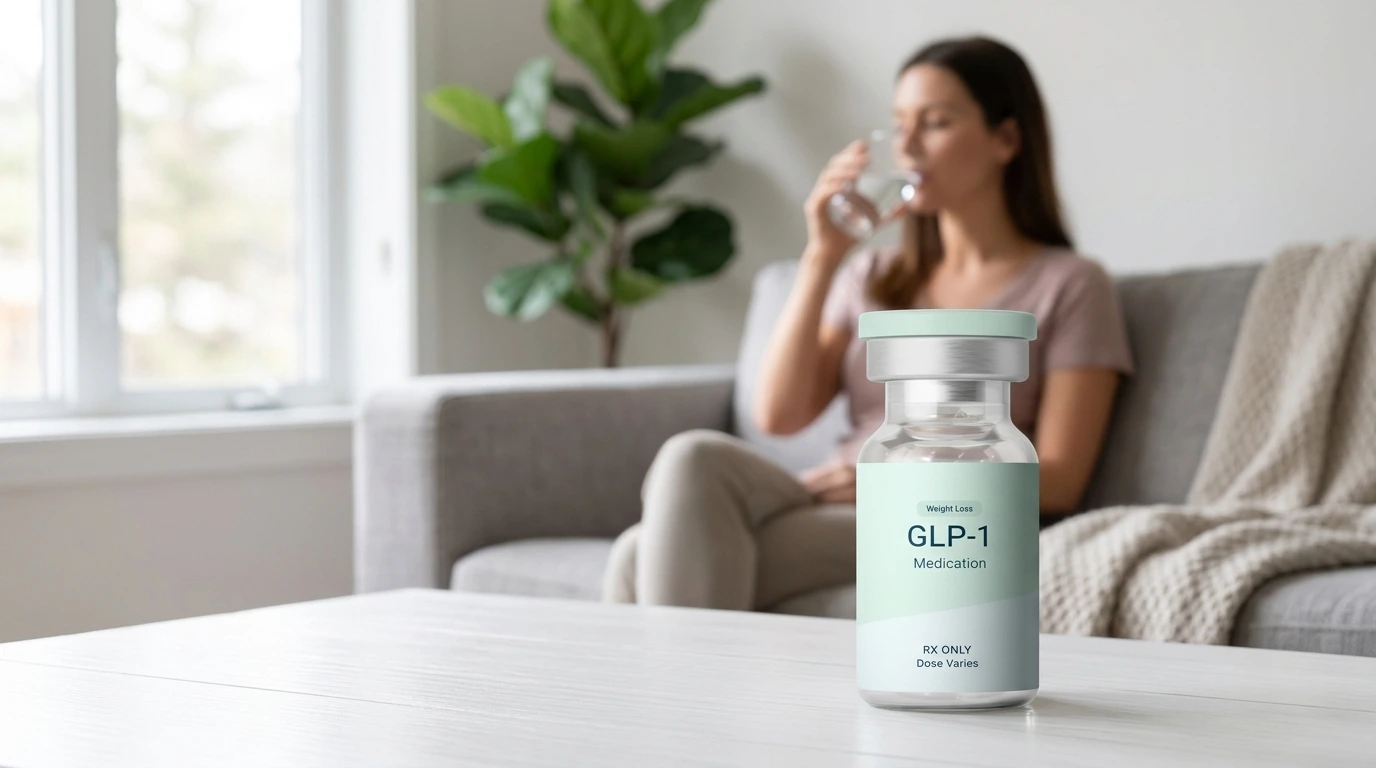
You may have reached your target weight or started seeing the scale move in the right direction, only to find yourself reaching for a sweater in the middle of summer. If you have noticed an unusual chill or frequent “cold flashes” since starting your medication, you are not alone. While most discussions around GLP-1 medications focus on digestive changes, many people report feeling significantly colder as they lose weight. At TrimRx, we recognize that managing these unexpected side effects is just as important as the weight loss itself. This article will explore why Wegovy® (semaglutide) and similar medications might lower your tolerance for cold, the biological mechanisms at play, and practical ways to stay comfortable. Understanding these changes helps you stay committed to your health goals without the distraction of constant chills.
If you are considering prescription GLP-1 treatment, you can complete a free eligibility assessment to review whether a personalized program may fit your needs.
Is Feeling Cold a Common Side Effect?
Feeling cold is a frequently reported experience among those taking semaglutide, the active ingredient in Wegovy®. While it is not always listed as a primary side effect in early clinical trials, real-world patient reports and newer observational data suggest it is a very common phenomenon. For many, this sensation manifests as cold hands and feet, a general sensitivity to air conditioning, or a feeling that they simply cannot “get warm” even when indoors.
For a broader look at this symptom, read TrimRx’s guide to chills as a possible semaglutide side effect.
This sensation is rarely a cause for medical alarm, but it can be jarring for someone who previously felt “run hot” or struggled with heat intolerance. The shift in how your body perceives temperature is often a direct result of how the medication interacts with your metabolic rate and your body’s physical structure. As your body undergoes significant changes in composition and energy usage, its internal “thermostat” must recalibrate.
Why Wegovy May Lead to Feeling Chilly
To understand why you might be reaching for an extra blanket, it is helpful to look at how GLP-1 (glucagon-like peptide-1) receptor agonists work. These medications mimic a natural hormone in the body that regulates appetite and blood sugar. However, GLP-1 receptors are not just in the gut; they are located throughout the body, including the brain. There are several primary reasons why this medication may make you feel cold.
For additional background, review how GLP-1 medications work in the body.
The Role of the Hypothalamus
The hypothalamus is a small but vital region of the brain that acts as your body’s command center for homeostasis. It regulates everything from hunger and thirst to your internal body temperature. Research suggests that GLP-1 receptors are present in the hypothalamus. When you take a medication like Wegovy®, it interacts with these receptors to signal fullness.
Because the hypothalamus also manages your “set point” for temperature, the medication may inadvertently influence how the brain perceives cold. Some researchers believe the medication might slightly lower the body’s internal temperature set point, making the ambient environment feel much colder than it actually is.
Loss of Insulating Body Fat
One of the most straightforward explanations for feeling cold is the loss of subcutaneous fat. This is the layer of fat located just beneath the skin. While we often think of fat only in terms of weight, it serves a critical biological purpose: insulation.
Subcutaneous fat acts as a thermal barrier, trapping body heat and protecting your internal organs from outside temperature drops. As you successfully lose weight on a personalized program, that insulating layer thins. For an individual who has lost a significant amount of body mass, there is simply less physical “padding” to retain heat. This is particularly noticeable in areas like the arms, legs, and torso where fat loss is often most visible.
See TrimRx’s practical guide on how to stop feeling cold on Wegovy for additional strategies.
Reduced Energy Intake and Thermogenesis
When you eat less, your body has less “fuel” to burn. Digestion itself is a process that generates heat, a phenomenon known as the thermic effect of food. Because GLP-1 medications significantly reduce appetite and slow gastric emptying, you are likely consuming fewer calories.
When the body enters a caloric deficit, it may prioritize essential functions like heart rate and lung function over “non-essential” heat production. This can lead to a slight decrease in your basal metabolic rate (BMR). As your metabolism slows down to conserve energy, your body generates less internal heat, leading to that persistent chilled feeling.
Key Takeaway: Feeling cold on GLP-1 medication is usually a combination of losing physical fat insulation and the brain’s hypothalamus recalibrating its temperature regulation in response to lower calorie intake.
Nutrient Deficiencies and Temperature Regulation
In some cases, feeling cold may be linked to specific nutrient levels rather than the medication itself. When appetite is suppressed, it is easier to miss out on vital vitamins and minerals that support blood flow and oxygen transport.
For more nutrition guidance, explore TrimRx’s overview of vitamins that may support a weight loss routine.
Iron and Anemia
Iron is a critical component of hemoglobin, the protein in red blood cells that carries oxygen to your tissues. If you are not consuming enough iron-rich foods, you may develop iron-deficiency anemia. One of the hallmark symptoms of anemia is feeling cold, particularly in the extremities. Because GLP-1 medications can change food preferences—sometimes making red meat or heavy proteins less appealing—it is important to monitor iron intake.
Vitamin B12 Levels
Vitamin B12 plays a major role in the formation of red blood cells and the health of the nervous system. A deficiency in B12 can lead to a sensation of coldness or “pins and needles” in the hands and feet. Since some metabolic health medications can interfere with the absorption of certain nutrients over the long term, ensuring your diet is nutrient-dense is essential.
We often recommend that those on a weight loss journey focus on high-quality supplementation. For instance, GLP-1 Daily Support can provide nutritional support when your total food volume decreases, helping you focus on micronutrient intake during treatment.
Metabolic Adaptation and Brown Fat
The body contains different types of fat, primarily white adipose tissue (which stores energy) and brown adipose tissue (which burns energy to create heat). Brown fat is often called “good fat” because it is highly thermogenic.
Some studies in animal models have suggested that GLP-1 medications might influence the activity of brown fat. While the research in humans is still evolving, any shift in how your body utilizes brown fat for heat production could contribute to changes in how you feel in cold environments. Furthermore, as you lose weight, your body may become more efficient, which ironically means it produces less “waste” heat during daily activities.
How to Stay Warm During Your Weight Loss Journey
If you find the chills are affecting your daily life, there are several practical steps you can take to manage your body temperature without compromising your weight loss progress.
1. Layer Your Clothing
This may seem obvious, but wearing moisture-wicking base layers can help trap body heat more effectively than a single heavy coat. Focus on high-quality materials like wool or thermal synthetics that keep the heat close to your skin.
2. Focus on Protein Intake
Protein has a higher thermic effect than fats or carbohydrates. This means your body works harder and generates more heat to digest protein. Aiming for a high-protein diet not only protects your lean muscle mass during weight loss but can also help you feel slightly warmer after meals.
3. Stay Hydrated with Warm Liquids
Dehydration can actually make you feel colder because water is essential for maintaining blood volume and circulation. If cold water is unappealing, switch to herbal teas, warm lemon water, or clear broths. These provide hydration and a direct source of internal warmth.
4. Incorporate Resistance Training
Muscle tissue is more metabolically active than fat and generates heat. By engaging in regular strength training, you can build lean muscle that helps boost your resting metabolic rate. Additionally, the act of exercising increases circulation, providing immediate relief from chills.
5. Monitor Your Iron and B12
If the coldness is accompanied by extreme fatigue or pale skin, it is worth discussing a blood panel with a healthcare provider. Ensuring your levels are within the normal range can often resolve the “bone-deep” cold feeling that clothing alone cannot fix.
When Should You Be Concerned?
While feeling chilly is a common and usually benign side effect of weight loss and GLP-1 use, there are times when it warrants a conversation with a professional. At TrimRx, we encourage all our members to stay in close contact with their clinical team to monitor their symptoms.
If you want to discuss whether a prescription program is appropriate for your situation, you can take the free TrimRx assessment quiz.
You should consult a licensed healthcare provider if your coldness is accompanied by:
- Extreme Fatigue: If you feel too tired to perform daily tasks.
- Hair Loss or Brittle Nails: This could signal a more significant nutrient deficiency or a thyroid issue.
- Thyroid Symptoms: Sometimes, rapid weight loss or changes in metabolic health can mask or trigger thyroid imbalances. If you have a history of thyroid issues, keep a close eye on these changes.
- Severe Numbness: If your fingers or toes change color (turning white or blue) in response to cold, this may be Raynaud’s phenomenon, which requires specific management.
Note: Always consult with a healthcare professional if side effects become unmanageable or if you experience symptoms that interfere with your quality of life.
Navigating Side Effects with TrimRx
The journey to better health is rarely a straight line. It often involves adjusting to a “new normal” as your body composition changes. Our approach at TrimRx is built on the foundation of personalized care. We know that no two bodies react to medication in exactly the same way.
When you participate in a program through our platform, you aren’t just receiving a prescription; you are getting a dedicated team that understands these nuances. Whether you are dealing with the “GLP-1 chills,” digestive shifts, or questions about nutrient timing, our telehealth-first model ensures you have access to guidance without leaving your home. We provide a bridge between clinical expertise and your daily reality, helping you navigate these small hurdles so you can stay focused on the bigger picture of your metabolic health.
The Science of Semaglutide and Temperature
It is important to remember that Wegovy® is a brand name for semaglutide. While many people successfully use branded medications like Wegovy® or Ozempic®, others may be prescribed compounded semaglutide through our partner pharmacies. Compounded medications are prepared by FDA-registered, inspected compounding pharmacies to meet specific patient needs, such as during national shortages or for specific dosage requirements.
Regardless of whether you are using a branded or compounded version, the active ingredient’s effect on the hypothalamus and fat stores remains the same. The “cold side effect” is a testament to the fact that the medication is working to alter your body’s energy balance.
For a broader overview of treatment options and possible side effects, read this guide to GLP-1 injections and how they work.
Bottom line: Feeling cold is a biological response to a lower-calorie environment and the loss of insulating fat. While uncomfortable, it is usually a sign that your body is successfully transitioning to a lower weight.
Conclusion
Feeling cold while taking Wegovy® is a real and documented experience. It stems from a combination of the medication’s interaction with the brain’s temperature control center, the loss of insulating body fat, and a natural decrease in the heat generated during digestion. For most, this is a manageable side effect that can be mitigated with simple lifestyle adjustments like wearing layers, increasing protein intake, and staying active.
At TrimRx, our mission is to help you navigate these changes with empathy and science-backed support. We provide the tools—from personalized programs to targeted supplements like Weight Loss Boost—to ensure your journey is as comfortable as possible. If you are ready to start a weight loss plan that considers your unique health profile and provides 24/7 specialist access, the first step is simple.
Take the free TrimRx assessment quiz today to see which personalized program is right for you.
FAQ
Is feeling cold a permanent side effect of Wegovy?
For most people, the sensation of being cold is most intense during the period of active, rapid weight loss. Once your weight stabilizes and your body adjusts to its new metabolic rate and fat percentage, the intensity of the chills often decreases, though you may find you generally have a lower tolerance for cold than before.
Can I take iron supplements to stop feeling cold on semaglutide?
You should only take iron supplements if a blood test confirms you have a deficiency, as excess iron can be harmful. However, focusing on iron-rich foods like spinach, lentils, and lean proteins is a safe way to support your body’s temperature regulation. TrimRx’s guide to vitamins and nutrients that support weight loss provides additional context.
Why are my hands and feet so cold specifically?
The body often prioritizes keeping your core and vital organs warm when it senses a calorie deficit or a drop in external temperature. This results in reduced blood flow to the extremities, making your hands and feet feel much colder than the rest of your body.
Does the dosage of Wegovy affect how cold I feel?
Higher doses of GLP-1 medications typically lead to more significant appetite suppression and faster weight loss, which can make the sensation of cold more pronounced. If the chills are accompanied by severe lethargy, your healthcare provider may choose to adjust your titration schedule.
Disclaimer: This content is for informational purposes only and does not constitute medical advice. It is not intended to diagnose, treat, cure, or prevent any disease or condition. Individual results may vary. Always consult a qualified healthcare professional before starting any weight loss program or medication.

Transforming Lives, One Step at a Time
Keep reading
Can the Wegovy Pill Hold the Weight You Lost on Semaglutide Injections?
Most likely yes, once you reach the maintenance dose. The risk is not the destination but the trip: switching means restarting titration on the…
Wegovy Alternatives: What Else Works for Weight Loss
If Wegovy isn’t working out, the strongest alternative is tirzepatide (Zepbound), which tends to produce more weight loss, followed by other GLP-1 options and…
VK2735 vs Wegovy: Investigational Contender vs Proven Semaglutide
VK2735 and Wegovy sit at different stages of development. VK2735, an investigational drug from Viking Therapeutics, comes in both injectable and oral forms and…


