How to Reconstitute 10 mg of Tirzepatide
Introduction
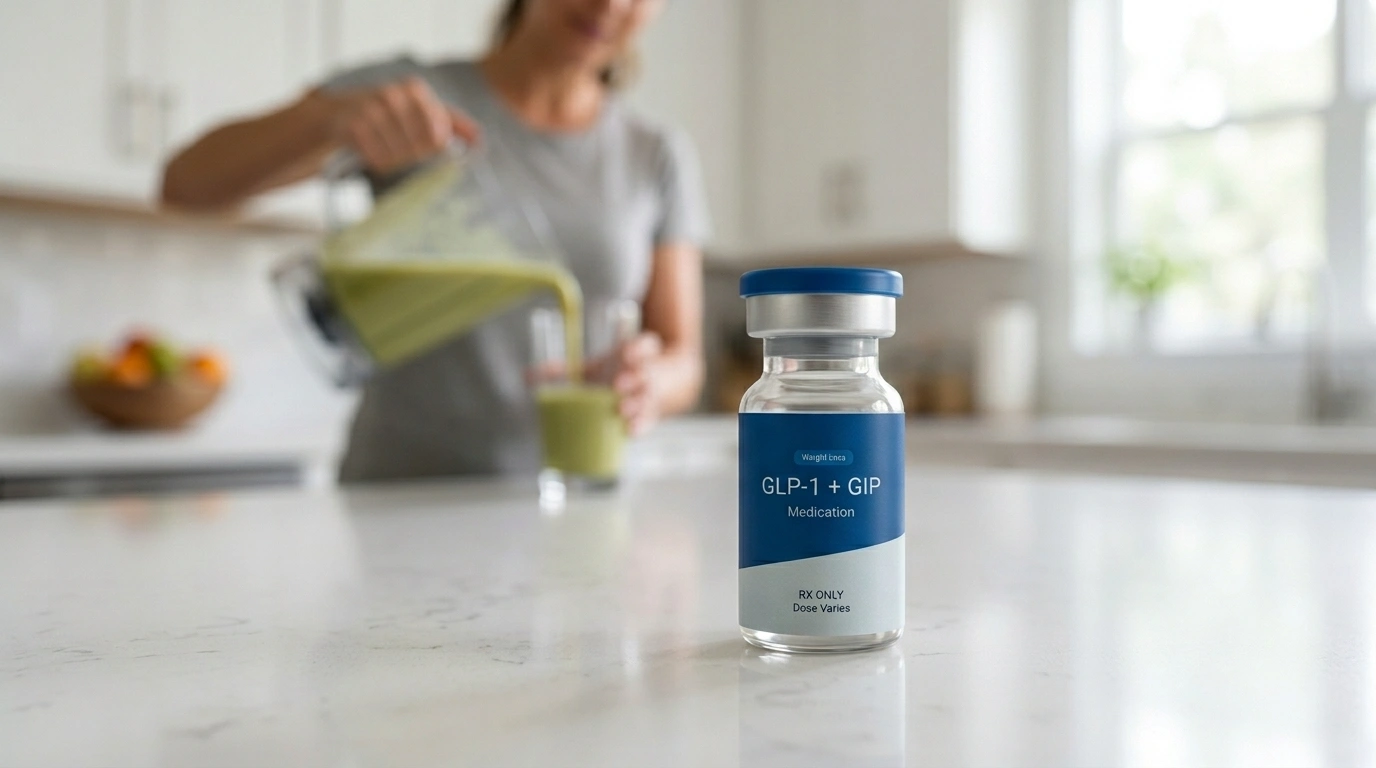
Standing in your kitchen with a small vial of white powder and a bottle of sterile water can feel a bit like a high-school chemistry project you didn’t sign up for. When you choose a weight loss path that involves compounded medications, you are often tasked with the technical step of reconstitution—the process of turning a freeze-dried powder into an injectable liquid. At TrimRx, we believe that understanding the “how” and “why” behind your treatment is essential for safety and confidence. This article will walk you through the precise steps of preparing a 10 mg vial of tirzepatide, covering everything from the supplies you need to the math required for accurate dosing. By the end of this guide, you will understand how to safely handle your medication and ensure you are supporting your metabolic health with clinical precision.
If you are considering prescription support, you can complete a free eligibility assessment to determine whether a personalized program may be appropriate for you.
Understanding Tirzepatide and Reconstitution
Tirzepatide is a dual-acting medication known as a GLP-1 (glucagon-like peptide-1) and GIP (glucose-dependent insulinotropic polypeptide) receptor agonist. In plain English, this means it mimics two different hormones in your body that regulate appetite and blood sugar. By signaling the brain that you are full and slowing down how quickly your stomach empties, it helps many people manage their weight more effectively than diet and exercise alone.
For a broader explanation of the medication’s actions, read this guide on how tirzepatide works for weight loss.
Reconstitution is the medical term for adding a liquid (a diluent) to a dry, concentrated powder to make it ready for use. Many compounded versions of tirzepatide arrive in a “lyophilized” or freeze-dried state. This form is often more stable for shipping and storage before it is mixed. Once you add the liquid, the medication becomes active and must be handled with care to maintain its potency.
Key Takeaway: Reconstitution is the essential process of mixing powdered tirzepatide with bacteriostatic water to create an injectable solution, requiring strict adherence to sterile techniques.
The Essential Supplies for Reconstitution
Before you begin, you must have a clean, well-lit workspace and the correct supplies. Using the wrong tools can compromise the sterility of the medication or lead to dosing errors.
- Tirzepatide Vial (10 mg): This contains the concentrated powder.
- Bacteriostatic Water: This is sterile water containing 0.9% benzyl alcohol, which acts as a preservative to prevent the growth of bacteria. Do not use plain sterile water if you plan to use the vial for more than one dose.
- Alcohol Prep Pads: You will need these to disinfect the rubber stoppers on both vials.
- Mixing Syringe: A larger syringe (often 3 ml) is typically used to transfer the water to the powder vial.
- Insulin Syringes (U-100): These are used for your actual injections. They are measured in “units” rather than milliliters (ml), which is a critical distinction for dosing.
- Sharps Container: A puncture-proof container for disposing of used needles safely.
Note: Always check the expiration dates on your supplies. Never use bacteriostatic water that appears cloudy or has visible particles.
Calculating the Ratio: The Math of 10 mg
One of the most confusing parts of how to reconstitute 10 mg of tirzepatide is the math. The volume of bacteriostatic water you add determines the concentration of the final liquid. The total amount of medication in the vial (10 mg) does not change, but how much liquid you draw into your syringe for a single dose depends on how much water you started with.
For more context on titration and dose measurements, review this tirzepatide dosing schedule.
Most healthcare providers recommend a standard volume to keep the math simple. A common choice is adding 1 ml (or 100 units) of bacteriostatic water to a 10 mg vial.
- If you add 1 ml of water: Each 10-unit mark on a standard U-100 insulin syringe will equal 1 mg of tirzepatide.
- If you add 2 ml of water: Each 20-unit mark on a standard U-100 insulin syringe will equal 1 mg of tirzepatide.
Dosing Example: If your prescribed dose is 2.5 mg and you have reconstituted 10 mg with 1 ml of water: You would draw the liquid up to the 25-unit mark on your syringe.
Bottom line: The concentration of your medication is determined by the ratio of powder (mg) to liquid (ml). Always confirm your specific math with your healthcare provider before proceeding.
Step-by-Step Reconstitution Process
Step 1: Sanitize your workspace and hands. Clear a flat surface and clean it with disinfectant. Wash your hands thoroughly with soap and warm water for at least 20 seconds.
Step 2: Prepare the vials. Pop the plastic caps off the tirzepatide vial and the bacteriostatic water vial. Use a fresh alcohol prep pad to vigorously wipe the rubber stopper of each vial. Let them air dry for a few seconds; do not blow on them.
Step 3: Draw the bacteriostatic water. Take your mixing syringe and pull back the plunger to the 1 ml mark (or the amount directed by your provider) to fill the syringe with air. Insert the needle into the bacteriostatic water vial and push the air in. This equalizes the pressure, making it easier to draw the liquid. Turn the vial upside down and pull back the plunger to draw exactly 1 ml of water.
Step 4: Inject the water into the tirzepatide. Insert the needle into the center of the tirzepatide vial’s rubber stopper. Aim the needle toward the side of the glass rather than directly at the powder. Slowly push the plunger down. Injecting the liquid too quickly or directly onto the powder can cause the delicate proteins to “shear” or break down, potentially reducing the medication’s effectiveness.
Step 5: Dissolve the powder. Remove the needle and dispose of it in your sharps container. Gently swirl the vial in a circular motion. Do not shake it. Shaking can create bubbles and foam, and it may also damage the tirzepatide molecules.
Step 6: Inspect the solution. Wait a few minutes for the powder to dissolve completely. The resulting liquid should be clear and colorless. If the solution is cloudy, discolored, or has visible clumps that won’t dissolve, do not use it and contact your provider.
Myth: You should shake the vial vigorously to make sure all the powder is mixed. Fact: Tirzepatide is a fragile peptide. Shaking can cause the proteins to denature (break apart). Always use a gentle swirling motion to dissolve the medication.
Proper Storage and Handling
Once you have learned how to reconstitute 10 mg of tirzepatide, you must handle the liquid correctly to keep it stable. Tirzepatide is sensitive to both temperature and light.
For additional guidance, read this overview of tirzepatide storage and handling.
Refrigeration is Mandatory After reconstitution, the vial must be stored in the refrigerator at temperatures between 36°F and 46°F (2°C to 8°C). Do not freeze it. If the medication freezes, it must be discarded, as the freezing process destroys the peptide structure.
Protection from Light The medication should be kept in a dark place. If your refrigerator has a clear door or if the vial is sitting near a light source, consider keeping it inside its original box or a small, opaque container.
The 28-Day Rule Bacteriostatic water contains a preservative that lasts for about 28 days once the vial has been punctured. Most clinical guidelines recommend using the reconstituted tirzepatide within this 28-day window to ensure sterility and potency. Always label your vial with the date you reconstituted it.
Safety and Sterile Technique
Safety is the most critical aspect of managing your own medication. Because you are injecting this substance into your subcutaneous fat, any bacteria introduced during the mixing process could cause an infection or an abscess.
- Never Reuse Needles: This applies to both the mixing needle and the injection needle. Even a single use dulls the needle and increases the risk of contamination.
- The “One-Wipe” Rule: Every time you touch the rubber stopper or prepare to draw a dose, wipe it with a fresh alcohol pad.
- Visual Checks: Before every single injection, hold the vial up to the light. If you see any change in clarity or any “floaties” in the liquid, discard it immediately.
For more information about preparing for administration, review this guide to what to expect with a first dose of tirzepatide.
At TrimRx, our priority is ensuring that patients have the tools and information they need to succeed safely. While we provide the platform to connect you with licensed providers and pharmacies, your role in maintaining a sterile environment at home is a vital part of the treatment plan.
Troubleshooting Common Issues
What if the powder won’t dissolve? Sometimes a small amount of powder may cling to the glass or take longer to break down. Be patient. Continue gentle swirling every few minutes. If it hasn’t dissolved after 15 to 20 minutes, the vial may be defective.
What if I accidentally injected too much water? If you added 2 ml instead of 1 ml, the medication is still safe to use, but your dosing volume will change. You would need to double the number of units you draw into the syringe to get the same milligram dose. This is why double-checking your measurements before injecting the water is so important.
What if there are air bubbles in the syringe? Small air bubbles are common. Gently tap the side of the syringe with your finger to get the bubbles to rise to the top, then push the plunger slightly to expel the air back into the vial before withdrawing your needle.
Key Takeaway: Precision and patience are your best tools. If you are ever unsure about the math or the appearance of your medication, pause and consult with your healthcare specialist.
Why Personalization Matters in Your Journey
While knowing how to reconstitute 10 mg of tirzepatide is a technical skill, the broader success of your weight loss journey depends on a program tailored to your body. No two metabolic profiles are exactly alike. One person may respond well to a 2.5 mg dose for months, while another may need to titrate up more quickly to see results.
Our approach at TrimRx involves more than just access to medication. We facilitate a connection between you and healthcare professionals who look at your health history and goals to determine the right path for you. This personalized oversight helps mitigate side effects and ensures that the medication you are reconstituting is actually the best fit for your biological needs.
If you are exploring whether prescription support may fit your goals, you can see if you qualify for a personalized program.
Preparing for Your Injection
Once the medication is reconstituted, the final step is administration. Tirzepatide is typically injected once a week into the subcutaneous fat of the stomach, thigh, or upper arm.
- Select a Site: Rotate your injection site every week to prevent the skin from thickening or becoming irritated.
- Clean the Site: Use an alcohol prep pad to clean the skin and let it dry completely.
- The Pinch Method: Gently pinch a fold of skin and insert the needle at a 90-degree angle. Push the plunger down slowly.
- Disposal: Immediately place the used syringe in your sharps container.
By following these steps, you are not just “taking a shot”—you are participating in a medically supervised program designed to improve your long-term health.
The Role of Telehealth in Modern Weight Loss
The ability to manage your weight loss from home is a significant shift in modern medicine. Telehealth removes the barriers of waiting rooms and scheduling conflicts, making it easier to stay consistent with your treatment. When you work through a platform like ours, you have 24/7 access to specialists who can answer questions about reconstitution, side effects, or dosing schedules.
For a closer look at the process, read how telehealth tirzepatide programs work.
This model allows for a transparent and streamlined experience. You receive your supplies from FDA-registered, inspected compounding pharmacies, and you have the support of a dedicated team. This ensures that even though you are performing the reconstitution yourself, you are never doing it alone.
Conclusion
Mastering the process of how to reconstitute 10 mg of tirzepatide is a vital skill for anyone using compounded weight loss medications. It requires a blend of sterile technique, basic math, and proper storage habits. By following a clear, step-by-step approach—washing your hands, disinfecting vials, carefully transferring bacteriostatic water, and storing the final solution in the refrigerator—you ensure that your medication remains safe and effective. At TrimRx, we are committed to being your partner in this journey, providing the clinical expertise and personalized support you need to reach your goals. Sustainable weight loss is about more than just the medication; it’s about having the right guidance every step of the way. If you’re ready to take the next step in your health journey, the first move is simple.
Start with a free assessment for prescription support.
Bottom line: Accuracy in reconstitution is the foundation of a safe and successful tirzepatide treatment plan.
FAQ
How much bacteriostatic water should I add to 10 mg of tirzepatide?
The most common amount is 1 ml (100 units) of bacteriostatic water, which makes the dosing math straightforward. If you add 1 ml, every 10 units on an insulin syringe equals 1 mg of medication. Always follow the specific instructions provided by your healthcare professional or the pharmacy.
Can I use sterile water instead of bacteriostatic water?
No, you should only use bacteriostatic water for vials that will be used for multiple doses. Bacteriostatic water contains benzyl alcohol, which prevents the growth of bacteria after the vial is first punctured. Regular sterile water does not have this preservative and can become unsafe very quickly once opened.
How long does reconstituted tirzepatide stay good in the fridge?
Generally, reconstituted tirzepatide should be used within 28 days. This is because the preservative in the bacteriostatic water is most effective during this window. Always store the vial in the refrigerator and keep it away from light to maintain its potency.
What should I do if my tirzepatide looks cloudy after mixing?
If the solution is cloudy, has visible particles, or appears discolored after you have gently swirled it, do not inject it. Tirzepatide should be clear and colorless once fully dissolved. Contact your provider or the pharmacy for guidance if the appearance of your medication seems off.
If you are ready to discuss whether a supervised prescription program is appropriate for you, complete a free eligibility assessment.
Disclaimer: This content is for informational purposes only and does not constitute medical advice. It is not intended to diagnose, treat, cure, or prevent any disease or condition. Individual results may vary. Always consult a qualified healthcare professional before starting any weight loss program or medication.

Transforming Lives, One Step at a Time
Keep reading
Marathon Training on Tirzepatide When You Can’t Fuel
You have a plan on the fridge and a medication that has made eating feel optional. Those two things are in genuine conflict, and…

Hormone Replacement Therapy and Tirzepatide: Is There an Interaction?
The question that matters is whether your hormone therapy is oral or transdermal, because that determines whether the one plausible interaction applies to you….

Can You Build Muscle While Losing Weight on Tirzepatide?
Possible for some people and unlikely for others, and the difference is mostly about where you are starting from. Someone new to resistance training…


