Can You Get Compounded Semaglutide for Weight Loss?
Introduction
If you have been looking into medical weight loss options lately, you have likely encountered a significant amount of noise regarding availability and access. Many people find themselves frustrated by long waiting lists at local pharmacies or insurance hurdles that make starting a health journey feel nearly impossible. You might be asking yourself if there is a more accessible path that still prioritizes safety and clinical oversight. At TrimRx, we believe that understanding your options is the first step toward a healthier lifestyle. If you are ready to see whether prescription GLP-1 treatment may fit your needs, you can take the free assessment quiz. This article will clarify whether you can get compounded semaglutide, how the process works, and what you should look for in a high-quality program. We will cover the clinical background of these medications and the specific steps required to access them through a telehealth platform.
What Is Semaglutide?
Semaglutide belongs to a class of medications known as GLP-1 receptor agonists. GLP-1 stands for glucagon-like peptide-1, which is a hormone your body naturally produces in the gut. This hormone plays a critical role in how your body manages hunger and blood sugar levels. When you eat, GLP-1 is released to tell your brain that you are full. It also slows down “gastric emptying,” which is the rate at which food leaves your stomach. For a broader overview of this treatment category, you may find our GLP-1 therapy guide helpful.
By mimicking this natural hormone, semaglutide helps you feel satisfied with smaller portions. It also helps stabilize blood sugar by encouraging the pancreas to release the right amount of insulin. For many individuals who have struggled with traditional dieting, this medication addresses the biological signals that often make weight loss feel like an uphill battle.
Key Takeaway: Semaglutide works by mimicking a natural hormone that regulates appetite and slows digestion, helping you feel fuller for longer periods.
Can You Get Compounded Semaglutide?
The short answer is yes, you can get compounded semaglutide. However, it is important to understand exactly what this means and the legal framework that allows it. Compounding is the practice of creating a personalized medication by a licensed pharmacist to meet the specific needs of an individual patient. If you want to understand how access works through telehealth, our guide to getting GLP-1 medications online is a useful next read.
Under federal law, when a drug is listed on the official FDA drug shortage list, compounding pharmacies are permitted to prepare versions of that medication. This ensures that patients can continue to receive necessary treatments even when the branded, commercially manufactured versions are unavailable. Because semaglutide has experienced significant and prolonged shortages, many individuals have turned to compounded versions as a reliable alternative.
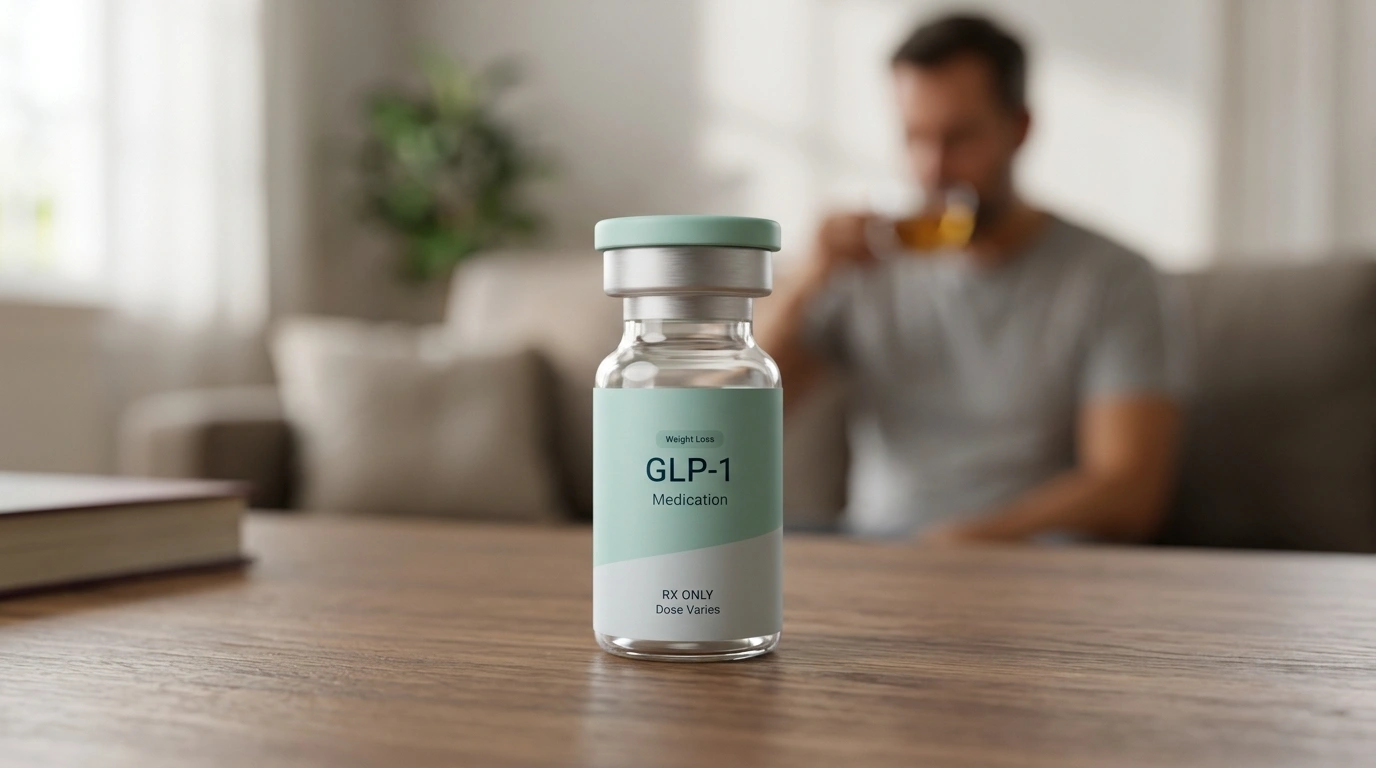
It is important to note that while the active ingredient, semaglutide, is the same, compounded medications themselves are not FDA-approved. Instead, they are prepared by FDA-registered and inspected compounding pharmacies. These facilities must follow strict quality standards to ensure the medication is prepared safely and accurately.
The Role of Compounding Pharmacies
To understand how you get compounded semaglutide, you must understand the facilities that produce it. Not all pharmacies are the same. Compounding pharmacies generally fall into two categories: 503A and 503B pharmacies.
503A Pharmacies
These are state-licensed pharmacies that provide medications for specific, individual patients based on a prescription from a licensed healthcare provider. They are overseen primarily by state boards of pharmacy but must also follow federal guidelines regarding the ingredients they use.
503B Pharmacies
These are known as outsourcing facilities. They operate under a different set of federal regulations and are often used to produce larger batches of medications. They are subject to more frequent and rigorous FDA inspections compared to standard retail pharmacies.
We partner with highly vetted, FDA-registered compounding pharmacies to ensure that the medication you receive is handled with the highest level of care. These pharmacies use high-purity ingredients and follow strict sterile compounding protocols to protect patient health.
Compounded vs. Branded Medications
When discussing semaglutide, you will often hear names like Ozempic® and Wegovy®. These are branded versions of semaglutide that have been FDA-approved for specific uses, such as managing type 2 diabetes or chronic weight management.
Note: TrimRx does not provide or ship branded medications like Ozempic® or Wegovy®. Our platform connects you with licensed providers who may prescribe compounded versions of these medications.
The primary differences between compounded and branded options often come down to three factors:
- Customization: Compounded medications can sometimes be adjusted in dosage or combined with other nutrients (like Vitamin B12) to help manage side effects.
- Availability: Compounded versions are often more readily available during times when branded versions are on backorder.
- Delivery: While branded versions often come in pre-filled “auto-injector” pens, compounded semaglutide is usually provided in a vial with separate, ultra-fine needles for administration.
How the Process Works
Getting compounded semaglutide is not as simple as clicking “buy” on a website. Because this is a powerful prescription medication, it requires medical oversight. We have designed a process that is thorough, safe, and entirely online.
Step 1: The Health Assessment
The first step is completing a detailed health quiz. This assessment asks about your medical history, your current weight, your weight loss goals, and any previous experiences with weight loss medications. This information is vital for a healthcare provider to determine if you are a safe candidate for treatment.
Step 2: Provider Review and Consultation
Once your assessment is complete, a licensed healthcare provider reviews your data. In many cases, lab work may be required to check your metabolic health and ensure your kidneys and liver are functioning correctly. The provider will then determine if a prescription for compounded semaglutide is appropriate for your specific health profile. If you are still deciding whether to start, you can complete the free eligibility assessment at this stage.
Step 3: Personalized Treatment Plan
If approved, the provider will create a treatment plan tailored to you. This includes your starting dose, which is typically very low to allow your body to adjust. They will also provide guidance on how to administer the medication and what lifestyle changes will best support your progress.
Step 4: Medication Delivery
The prescription is sent to one of our partner compounding pharmacies. They prepare the medication and ship it directly to your door in discreet, temperature-controlled packaging. You do not have to visit a physical pharmacy or wait in line.
Step 5: Ongoing Support
Your journey doesn’t end when the package arrives. We provide 24/7 access to specialists and medical support. This allows you to ask questions about dosage, side effects, or progress at any time.
Who Is Eligible for Compounded Semaglutide?
Semaglutide is a clinical tool intended for individuals who meet specific health criteria. It is not intended for “cosmetic” weight loss or for individuals looking to lose a small amount of weight quickly.
Generally, eligibility is based on your Body Mass Index (BMI):
- A BMI of 30 or greater (classified as obesity).
- A BMI of 27 or greater (classified as overweight) accompanied by at least one weight-related health condition, such as high blood pressure, type 2 diabetes, or high cholesterol.
Beyond BMI, a provider will also look at your family medical history. For example, individuals with a personal or family history of medullary thyroid carcinoma or Multiple Endocrine Neoplasia syndrome type 2 (MEN 2) are typically advised against using GLP-1 medications. For a more detailed look at the prescription process, our semaglutide prescription guide explains the next steps.
Bottom line: Eligibility is determined by a licensed medical professional based on your BMI, health history, and individual metabolic needs.
Managing Potential Side Effects
Like all medications, semaglutide can cause side effects. Because the medication slows down your digestion, most side effects are gastrointestinal in nature.
Commonly reported side effects include:
- Nausea
- Diarrhea or constipation
- Abdominal bloating
- Mild fatigue
Most patients find that these symptoms are most noticeable when they first start the medication or when their dose is increased. They typically fade as the body becomes accustomed to the GLP-1 levels. To help manage these transitions, we often recommend lifestyle adjustments, such as eating smaller meals and staying hydrated. If nutritional support is part of your routine, you may also want to explore the GLP-1 Daily Support supplement.
For additional support, some individuals choose to use supplements like our GLP-1 Daily Support. This is designed to help manage the common nutritional gaps and digestive changes that can occur while on a GLP-1 program. You should always consult your provider if side effects become severe or persistent.
The Importance of Lifestyle Integration
While semaglutide is an effective tool for weight loss, it is most successful when used as part of a broader lifestyle change. The medication manages the biological signals of hunger, but long-term success depends on building healthy habits.
We encourage our members to focus on:
- Protein Intake: Higher protein consumption helps preserve lean muscle mass while you lose weight.
- Hydration: Water is essential for digestion and helps mitigate some of the common side effects of the medication.
- Movement: Incorporating regular physical activity, including strength training, supports metabolic health.
- Mindful Eating: Learning to listen to your body’s new fullness signals is key to maintaining weight loss in the future.
If you want additional energy support during weight loss, the Weight Loss Boost supplement may also fit into your routine.
Myth: Compounded semaglutide is a “magic pill” that requires no effort. Fact: Medication is a powerful tool, but sustainable results are achieved when it is combined with personalized nutrition and consistent lifestyle changes.
Why Choose a Telehealth Platform?
In the past, accessing medical weight loss required frequent trips to a doctor’s office, waiting rooms, and the inconvenience of pharmacy pickups. Modern telehealth has changed this dynamic.
By using our platform, you gain several benefits:
- Privacy: You can discuss your health goals and concerns from the comfort of your home.
- Expertise: You have access to providers who specialize in metabolic health and weight management.
- Consistency: We provide a unified experience where your consultations, labs, and medications are all managed in one place.
- Transparency: We believe in a clear process without hidden fees. Your program includes the provider’s time, the medication, and all shipping.
Our goal at TrimRx is to remove the barriers that stand between you and your health. We understand that the weight loss journey is personal, and we are here to provide the clinical expertise and empathetic support you need to succeed.
Frequently Asked Questions About Compounded Semaglutide
Is it legal to buy compounded semaglutide?
Yes, it is legal to obtain compounded semaglutide when it is prescribed by a licensed healthcare provider and prepared by a licensed compounding pharmacy. This practice is specifically permitted by federal law when a drug is on the FDA’s official shortage list, ensuring that patients have access to necessary treatments.
Do I need a prescription to get compounded semaglutide?
Yes, you absolutely need a prescription from a licensed medical professional. Because semaglutide affects your hormones and metabolic system, it must be used under medical supervision. Any website offering to sell semaglutide without a prescription or a medical consultation is operating illegally and may be selling unsafe products. If you are ready to begin, you can take the free assessment quiz to see whether you may qualify.
How is compounded semaglutide different from Ozempic®?
While both contain the same active ingredient (semaglutide), Ozempic® is a branded product FDA-approved for type 2 diabetes and comes in a specific patented injector pen. Compounded semaglutide is prepared in a pharmacy to meet individual patient needs and is typically distributed in a vial with separate syringes. Compounded versions are not FDA-approved, although they are made in FDA-registered facilities.
How long does it take to see results?
Every person’s body responds differently to GLP-1 medications. Some individuals notice a decrease in appetite within the first few days, while for others, it takes several weeks as the dosage gradually increases. Clinical studies on semaglutide suggest that the most significant results are seen after several months of consistent use alongside lifestyle changes. If you want to understand the broader treatment landscape, our GLP-1 medication overview is a helpful resource.
Conclusion
Navigating the world of medical weight loss can be complex, but getting the right support makes all the difference. You can get compounded semaglutide through a safe, medically supervised process that prioritizes your unique health profile. By merging clinical expertise with the convenience of telehealth, we aim to provide a transparent and effective path toward sustainable weight management. Our mission is to help you take control of your health with science-backed tools and a team that genuinely cares about your progress. If you are ready to see if you qualify for a personalized program, the best next step is to complete our free health assessment quiz.
Disclaimer: This content is for informational purposes only and does not constitute medical advice. It is not intended to diagnose, treat, cure, or prevent any disease or condition. Individual results may vary. Always consult a qualified healthcare professional before starting any weight loss program or medication.

Transforming Lives, One Step at a Time
Keep reading

What to Do If You Lose Your Job While on Compounded Semaglutide
Tell your provider before you run out, not after. That is the single most useful thing here, and it is the step people skip…

What Happens to Your Dose After a Long Medically Necessary Break?
You usually will not pick up where you left off, and that is deliberate rather than a setback. Tolerance to the gastrointestinal effects of…

What to Do If You’re Hospitalized While on Semaglutide
Tell them you take it, early and specifically, and say if it is compounded. That last detail matters more than people expect. A compounded…


