Are All Semaglutide Injections the Same?
Introduction
Walking into the world of modern weight management often feels like learning a new language. You may have heard friends or doctors mention semaglutide, but then you see different names on labels: Ozempic®, Wegovy®, or compounded semaglutide. It is natural to feel confused when trying to determine if these are all the same medication or if the differences between them actually matter for your health goals. At TrimRx, we believe that understanding exactly what you are putting into your body is the first step toward a successful metabolic health journey. If you want to see whether a prescription program may be a fit, you can take our free assessment quiz. This article will clarify the relationship between the active ingredient and the various brand names and formulations available today. While the core molecule remains the same across these options, the intended use, delivery methods, and regulatory statuses can differ significantly.
Defining Semaglutide and How It Works
To answer whether all semaglutide injections are the same, we must first understand what semaglutide actually is. Semaglutide is a medication that belongs to a class of drugs known as glucagon-like peptide-1 receptor agonists, often shortened to GLP-1 RAs. It is a synthetic version of a hormone your body produces naturally in the gut.
When you eat, your body releases natural GLP-1 to signal to your brain that you are full. It also helps your pancreas release the right amount of insulin to manage blood sugar. However, natural GLP-1 only lasts for a few minutes in the bloodstream. Semaglutide is designed to be structurally similar but much more durable, allowing it to stay active in your system for a full week.
Key Takeaway: Semaglutide is the active chemical ingredient (the molecule) found in several different medications. It works by mimicking a natural hormone that regulates appetite and blood sugar.
The primary functions of semaglutide in the body include:
- Slowing gastric emptying: It keeps food in your stomach longer, which helps you feel satisfied with smaller portions.
- Brain signaling: It targets the areas of the brain (the hypothalamus) that regulate hunger and cravings.
- Blood sugar regulation: It prompts the body to produce more insulin when blood sugar is high and prevents the liver from releasing too much sugar.
The Distinction Between Branded Medications
When people ask if all semaglutide injections are the same, they are often comparing branded products like Ozempic® and Wegovy®. While both of these medications contain the exact same active ingredient—semaglutide—they are approved by the FDA for different primary purposes and come in different dosages. For a deeper look at how semaglutide works in a weight-loss plan, see how semaglutide helps you lose weight.
Ozempic®
Ozempic® was the first injectable version of semaglutide to gain widespread attention. It is FDA-approved specifically for the treatment of type 2 diabetes. Its primary goal is to improve glycemic control and reduce the risk of major cardiovascular events, such as heart attack or stroke, in adults with type 2 diabetes and known heart disease. Because weight loss is a common side effect of blood sugar regulation, many providers began prescribing it “off-label” for weight management.
Wegovy®
Wegovy® also contains semaglutide but was specifically FDA-approved for chronic weight management. It is intended for adults with a body mass index (BMI) of 30 or greater, or those with a BMI of 27 or greater who also have at least one weight-related condition, such as high blood pressure or high cholesterol. One of the main differences here is the dosage; Wegovy® typically titrates up to a higher weekly dose than Ozempic®.
Note: While the molecule is identical, the FDA-approved indications, the pen delivery systems, and the maximum available doses differ between these two brands.
Understanding Compounded Semaglutide
Another major category in the “are they the same” debate is compounded semaglutide. This is a version of the medication prepared by a compounding pharmacy rather than a large pharmaceutical manufacturer. If you want to understand how TrimRx approaches prescription access, this is where it helps to check eligibility with the free assessment quiz.
Compounded medications are “made-to-order” versions of a drug. When a drug is in short supply, as semaglutide has been for several years, certain pharmacies are permitted to create compounded versions to meet patient needs.
Is compounded semaglutide the same as branded? In terms of the active ingredient, it is intended to be the same. However, there are critical regulatory and manufacturing differences:
- FDA Approval: Branded medications like Wegovy® are FDA-approved. Compounded semaglutide is NOT FDA-approved. However, it can be prepared by FDA-registered and inspected compounding pharmacies that follow strict quality standards.
- Additives: Compounding pharmacies sometimes mix semaglutide with other ingredients, such as Vitamin B12 (cyanocobalamin) or L-carnitine. These are often added to help manage side effects like nausea or to support energy levels, but they make the final formula different from the branded versions.
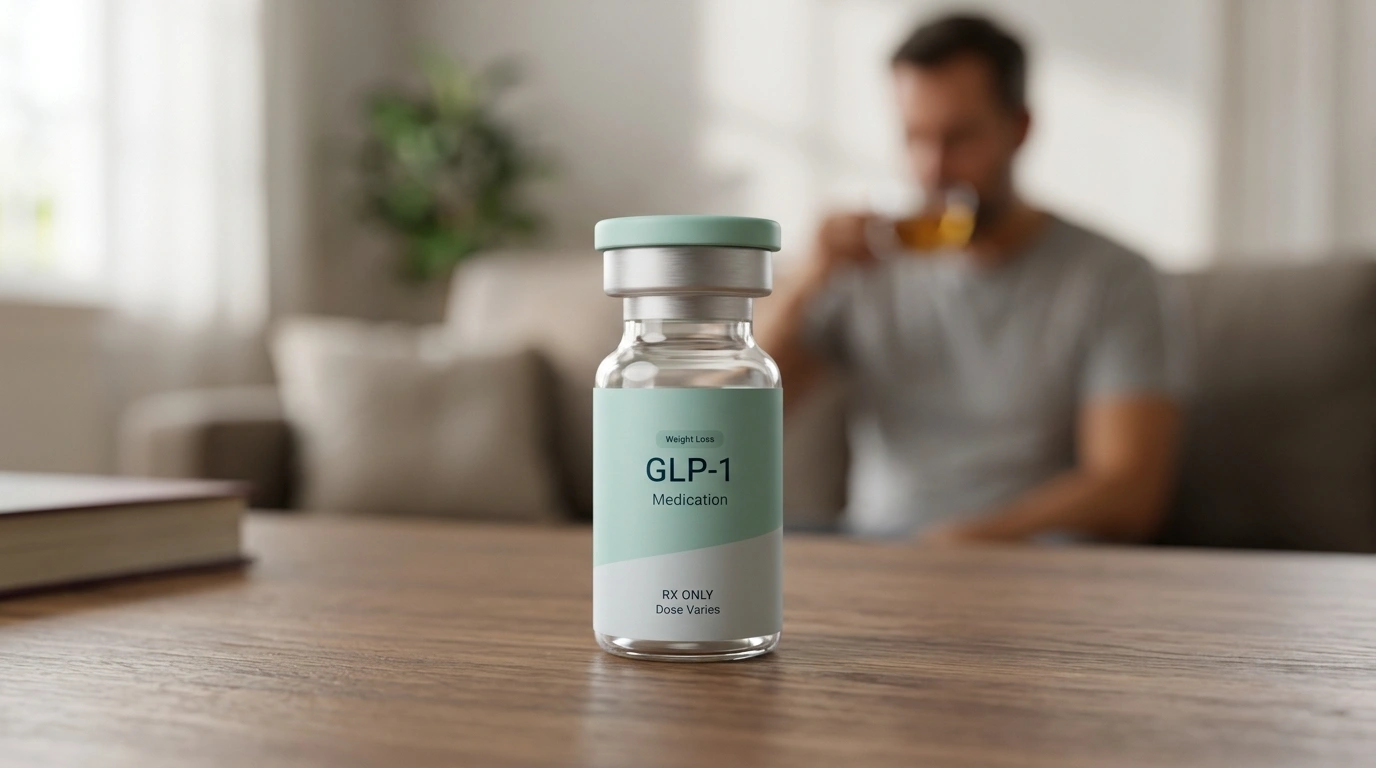
- Delivery Method: Branded medications usually come in pre-filled, single-use or multi-use “click pens.” Compounded semaglutide is typically provided in a multidose vial, and the patient uses a traditional syringe to draw the specific dose.
Myth: Compounded semaglutide is a generic version of Wegovy®. Fact: Compounded medications are not “generics” in the traditional sense. A generic is an FDA-approved copy of a brand-name drug. A compounded drug is a customized medication prepared by a pharmacist that does not go through the same FDA pre-market approval process.
The Role of Concentration and Dosage
One reason not all semaglutide injections are the same is the concentration of the liquid. Even if you are taking a “0.5 mg dose,” the amount of liquid you inject might vary depending on how the medication is concentrated.
In branded pens, the concentration is standardized. In compounded versions, the concentration can vary between different pharmacies. This is why it is vital to follow the specific instructions provided by your clinical team. At TrimRx, we ensure that the providers we partner with give clear, personalized guidance so you always know exactly how much to use, regardless of the concentration.
Semaglutide treatment typically follows a “titration” schedule. This means you start at a very low dose to let your body adjust and slowly increase it every four weeks.
- Month 1: 0.25 mg
- Month 2: 0.5 mg
- Month 3: 1.0 mg
- Month 4 and beyond: Maintenance doses (which can vary)
Delivery Systems: Pens vs. Vials
The physical experience of taking the injection also differs across the semaglutide landscape. For many patients, this is the most noticeable difference.
Branded Autoinjector Pens
The branded pens are designed for ease of use. You usually do not see the needle. You press the pen against your skin (typically the thigh or abdomen), and the device automatically delivers the dose. Some pens are single-use (one pen per week), while others are multi-use (one pen contains four doses).
Vials and Syringes
Compounded semaglutide usually arrives in a small glass vial. You must manually draw the medication into a very thin insulin syringe. While this requires an extra step, many patients find it gives them more control over their dosage. For example, if a patient is experiencing side effects at a higher dose, a provider might suggest a smaller “split dose,” which is easier to calculate and draw from a vial than from a pre-set branded pen.
Bottom line: Whether you use a pen or a syringe, the medication is administered subcutaneously (under the skin) once per week. The method of delivery does not change how the medication works once it enters your system.
Not All Pharmacies Are Created Equal
If you are considering a non-branded version of semaglutide, it is important to know that the source matters. The quality, purity, and safety of the medication depend entirely on the pharmacy’s standards.
When we facilitate access to compounded semaglutide, we only work with pharmacies that are:
- FDA-registered: They are on the FDA’s radar and subject to oversight.
- State-licensed: They meet the rigorous requirements of their state board of pharmacy.
- Inspected: They undergo regular inspections to ensure their sterile compounding environments meet “USP <797>” standards, which are the rules for keeping injectable medications safe from contamination.
Using a “research grade” chemical or buying semaglutide from an unverified online source is dangerous. These products may contain impurities, the wrong concentration, or no active medication at all. Always ensure your medication comes from a legitimate, licensed clinical program.
Is Oral Semaglutide the Same as the Injection?
While the keyword focuses on injections, it is worth noting that semaglutide also exists in an oral tablet form (Rybelsus®).
Is the oral version the same as the injection?
- Same molecule: Yes.
- Same efficacy: Generally, injections are found to be more potent for weight loss than the oral version at standard doses. This is because the stomach is a harsh environment for proteins like semaglutide, and only a tiny fraction of the pill is actually absorbed.
- Same routine: No. The injection is once a week. The pill must be taken every single morning on an empty stomach with a small sip of water, followed by a 30-minute wait before eating or drinking anything else.
For many, the convenience of a once-weekly injection outweighs the daily requirements of the oral version, though some people prefer to avoid needles entirely.
Side Effects and Patient Experience
Because the active ingredient is the same, the potential side effects are consistent across all forms of semaglutide injections. Most side effects are gastrointestinal and occur during the titration phase as the body adapts to the hormone. If you want more context on what patients commonly experience, this companion read on the side effects of semaglutide shots is a helpful next step.
Commonly reported experiences include:
- Nausea
- Heartburn or acid reflux
- Constipation or diarrhea
- Fatigue
Because these effects are tied to the semaglutide molecule itself, you should expect a similar profile whether you are using a branded pen or a compounded vial. If a compounded version includes B12, some patients report slightly better energy levels, though clinical data on this specific combination is still evolving.
Important: Side effects are often a sign that the medication is working on your digestive system. However, if they become severe or persistent, you must consult your healthcare provider to discuss adjusting your dose or managing symptoms.
How to Choose the Right Option for You
Deciding which semaglutide injection is right for you depends on several factors, including your medical history, your budget, and current medication availability.
Step 1: Complete a Medical Assessment You cannot safely get semaglutide without a prescription. The first step is always a consultation with a licensed provider. Through the TrimRx platform, this starts with a free assessment quiz that looks at your BMI, health history, and goals.
Step 2: Evaluate Your Health Profile If you have type 2 diabetes, a provider may steer you toward a branded product like Ozempic®. If your primary goal is weight loss and you do not have diabetes, other options like Wegovy® or compounded semaglutide may be more appropriate. To see whether a prescription plan may fit your situation, you can complete the free assessment quiz.
Step 3: Consider Accessibility Due to the high demand for GLP-1 medications, branded pens are frequently on backorder at local pharmacies. Compounded semaglutide provides a reliable alternative that allows patients to start and maintain their treatment without the stress of “pharmacy hopping” to find stock.
Step 4: Review the Support System Weight loss is about more than just a shot. The “best” semaglutide is the one that comes with a support system. Look for programs that include doctor consultations, lab work, and unlimited support to ensure you are losing weight safely and sustainably.
The TrimRx Approach to Personalized Care
We recognize that the “one-size-fits-all” approach rarely works for long-term health. That is why our platform is built on personalization. We do not just provide a prescription; we provide a pathway.
Whether you are a candidate for compounded semaglutide or another GLP-1 medication like tirzepatide (the active ingredient in Mounjaro® and Zepbound®), the goal remains the same: metabolic health. Our programs include medication, provider consultations, and shipping, ensuring there are no surprises as your dosage changes. By connecting you with licensed providers and high-quality compounding pharmacies, we help bridge the gap between scientific breakthroughs and your daily reality. For readers comparing GLP-1 options more broadly, this guide to getting tirzepatide for weight loss is a useful related read.
Summary: A Comparison Table
| Feature | Branded (e.g., Wegovy®) | Compounded Semaglutide |
|---|---|---|
| Active Ingredient | Semaglutide | Semaglutide |
| FDA Status | FDA-approved | Not FDA-approved; prepared in FDA-registered pharmacies |
| Delivery | Pre-filled Autoinjector Pen | Vial and Syringe |
| Additives | Standardized formula | May include B12 or other support ingredients |
| Availability | Subject to frequent shortages | Highly available through specialized pharmacies |
| Prescription Required | Yes | Yes |
Conclusion
Are all semaglutide injections the same? In the most important way—the biological mechanism that helps you feel full and manage your weight—the answer is largely yes. The core molecule, semaglutide, remains the “engine” driving the results across branded and compounded versions. However, the “packaging” around that engine—the delivery device, the regulatory approval, the pharmacy source, and the specific additives—can vary.
Ultimately, the most effective injection is the one that is used correctly under medical supervision as part of a comprehensive lifestyle plan. Sustainable weight loss is a marathon, not a sprint, and having a reliable source of medication and professional guidance is essential for crossing the finish line. If you are ready to see which semaglutide option matches your health profile, the best next step is to take our free assessment quiz.
Key Takeaway: Focus less on the brand name and more on the quality of the clinical program and the consistency of the medication source.
FAQ
Is compounded semaglutide as effective as Wegovy®?
Because both contain the same active molecule, semaglutide, they are designed to work the same way in the body to reduce appetite and support weight loss. While Wegovy® has undergone specific clinical trials for its branded formulation, compounded semaglutide is used by many providers as a high-quality alternative, especially during periods of medication shortages.
Why do some semaglutide injections have Vitamin B12 in them?
Compounding pharmacies sometimes add Vitamin B12 (cyanocobalamin) to semaglutide to help mitigate common side effects like fatigue or nausea. While the semaglutide provides the primary weight loss benefit, the B12 is intended as a supportive ingredient to improve the overall patient experience during the treatment program.
Are the needles for semaglutide injections painful?
Most patients find the injections to be very manageable, as the needles used for semaglutide (both in branded pens and syringes for compounded versions) are extremely thin and short. They are designed for subcutaneous injection, meaning they only go into the fatty tissue just below the skin, which typically results in minimal discomfort.
Can I switch from a branded pen to compounded semaglutide?
Yes, many patients transition from branded medications to compounded versions due to availability issues, but this must be done under the guidance of a healthcare provider. A clinician will ensure your dosage remains consistent or adjust it appropriately to make sure your progress continues without unnecessary side effects.
Disclaimer: This content is for informational purposes only and does not constitute medical advice. It is not intended to diagnose, treat, cure, or prevent any disease or condition. Individual results may vary. Always consult a qualified healthcare professional before starting any weight loss program or medication.

Transforming Lives, One Step at a Time
Keep reading

Staying on Semaglutide Long Term: Keeping Side Effects From Returning
The good news is that this is usually easier than you are imagining. Gastrointestinal effects in this class concentrate in the first weeks and…

First Month After Stopping Semaglutide at Goal Weight
Appetite comes back before the weight does, and the gap between those two things is the whole story of the first month. Most people…

Losing Slower Than the Trials? Are You a Semaglutide Non-Responder?
Almost certainly not. Losing less than a published average is the experience of roughly half the people in any trial, because that is what…


