How to Inject Tirzepatide With Syringe
Introduction
Standing in front of a mirror with a small vial and a needle for the first time can feel overwhelming. Many individuals transitioning to medical weight loss find the process of self-injection to be the most intimidating hurdle. Whether you are moving away from the convenience of a pre-filled pen or starting your journey with a vial-based program, learning the proper technique is essential for safety and efficacy. At TrimRx, we believe that empowering you with clear, step-by-step clinical guidance removes the anxiety from the process, allowing you to focus on your metabolic health goals. This article provides a comprehensive walkthrough of the preparation, dosage calculation, and injection technique required for tirzepatide. By following these evidence-based steps, you can ensure your weekly routine is both comfortable and medically sound, setting the stage for long-term success.
Understanding Tirzepatide and Subcutaneous Injections
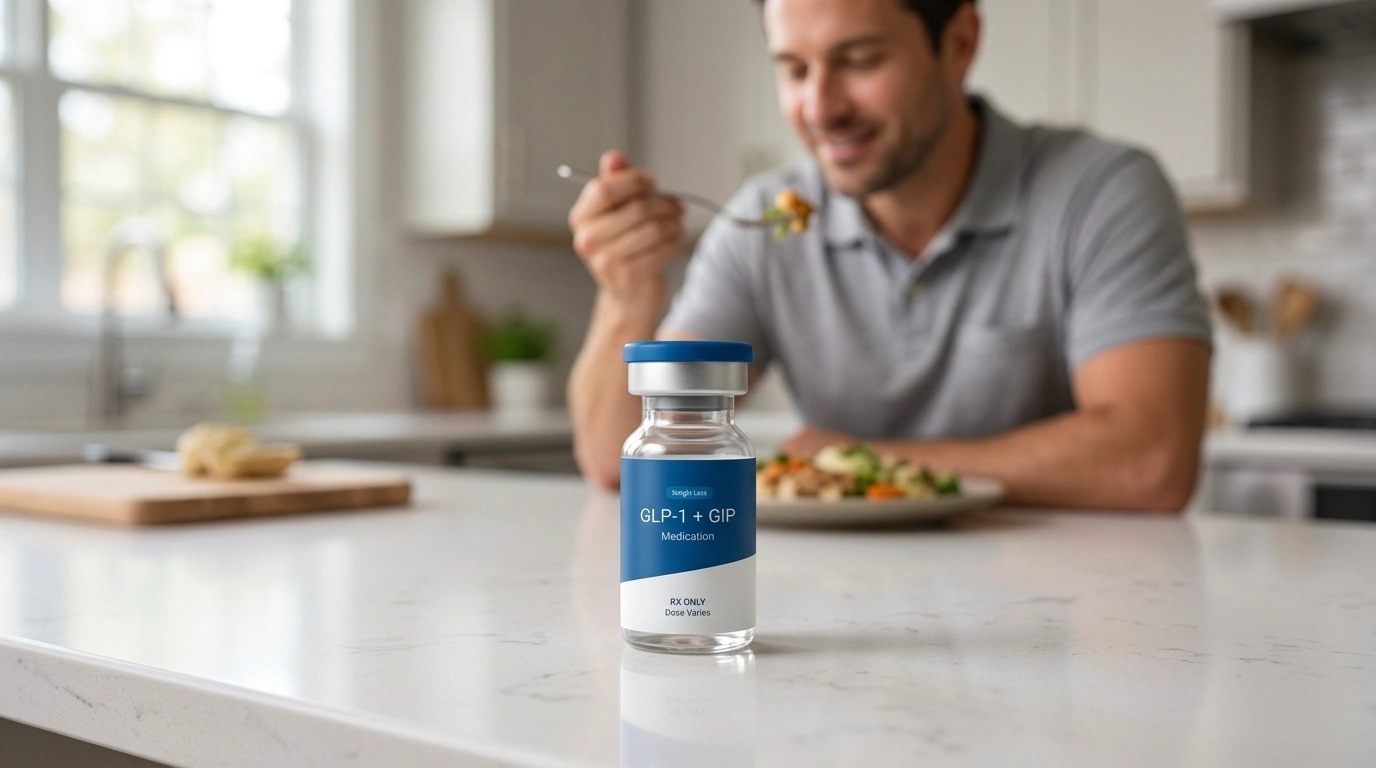
Tirzepatide is a dual glucose-dependent insulinotropic polypeptide (GIP) and glucagon-like peptide-1 (GLP-1) receptor agonist. This means it mimics two natural hormones in the body to help regulate blood sugar, slow digestion, and signal the brain that you are full. For the medication to work effectively, it must be delivered into the fatty tissue just below the skin, known as the subcutaneous layer.
Unlike medications that are injected into a muscle (intramuscular) or a vein (intravenous), subcutaneous injections use a very short, thin needle. This layer of fat has few blood vessels, which allows the medication to be absorbed slowly and steadily over the course of a week.
For a broader explanation of how these medications work, review this guide to GLP-1 injections and weight management.
Quick Answer: To inject tirzepatide with a syringe, you must sanitize the vial, draw the exact volume of liquid corresponding to your prescribed dose, select a fatty area on the abdomen, thigh, or back of the arm, and insert the needle at a 90-degree angle. Always rotate your injection site weekly to prevent skin irritation.
Essential Equipment for Your Injection
Before you begin, you need to gather your supplies. Having everything in one place prevents “mid-process” panic and ensures you maintain a sterile environment.
- The Medication Vial: Your tirzepatide will typically arrive in a multi-dose or single-dose glass vial.
- Insulin Syringes: These are usually 1ml or 0.5ml syringes with a fixed, ultra-fine needle (typically 31 gauge).
- Alcohol Prep Pads: You will need at least two—one for the vial and one for your skin.
- Sharps Disposal Container: A heavy-duty plastic container for used needles. If you do not have a dedicated sharps bin, a thick detergent bottle with a screw-on lid can work until you get one.
- Cotton Ball or Gauze: Optional, to dab the site if a tiny drop of blood appears.
Choosing the Right Syringe
Most providers recommend insulin syringes because tirzepatide doses are small. These syringes are measured in “units” rather than milliliters (ml). It is vital to understand that “units” on a syringe do not always equal “milligrams” of the drug. The concentration of the medication in your vial determines how many units you need to draw to reach your specific milligram dose.
For more detail on selecting the appropriate equipment, read about needle size and syringe volume for tirzepatide injections.
Calculating Your Dose: Units vs. Milligrams
One of the most common points of confusion is the difference between the dose in milligrams (mg) and the volume in units. Tirzepatide doses often start at 2.5mg and increase every four weeks to 5mg, 7.5mg, 10mg, 12.5mg, or 15mg.
Boldly check your prescription label every single time. The label will tell you exactly how many units to draw. If your vial concentration is 10mg/1ml, then a 2.5mg dose would be 25 units. However, if the concentration is different, that unit number changes. Never guess your dose. If the math seems unclear, contact your healthcare provider or the pharmacist immediately before proceeding.
You can also review this tirzepatide dosage and units guide for additional context about concentration calculations.
Key Takeaway: Milligrams (mg) refer to the strength of the medication, while units refer to the volume of liquid in the syringe. Always follow the “units” instruction provided by your clinical team to ensure you are receiving the correct milligram dose.
Step-by-Step Guide to Injecting Tirzepatide
Follow these steps carefully to ensure a sterile and accurate injection.
Step 1: Preparation and Hygiene
Wash your hands thoroughly with soap and warm water. Dry them with a clean towel. Find a well-lit, flat surface to lay out your supplies. Check the medication vial to ensure the liquid is clear and colorless (or slightly yellowish). If the liquid is cloudy, contains particles, or is expired, do not use it.
Step 2: Prepare the Vial
Remove the plastic cap from the vial if it is new. Wipe the rubber stopper with a fresh alcohol prep pad. Allow the alcohol to air dry for about 15 to 20 seconds. Do not blow on it, as this can introduce bacteria.
Step 3: Draw Air into the Syringe
Remove the cap from the needle. Pull the plunger back to the line that matches your prescribed dose. This fills the syringe with air. Why do this? Vials are vacuum-sealed. Injecting air into the vial first makes it much easier to withdraw the liquid medication.
Step 4: Equalize the Pressure
Place the vial on the flat surface. Insert the needle through the center of the rubber stopper. Push the plunger all the way down to inject the air into the vial.
Step 5: Withdraw the Medication
Turn the vial and syringe upside down in one hand. Ensure the needle tip is submerged in the liquid. Slowly pull the plunger back to your prescribed unit mark. If you see large air bubbles, tap the side of the syringe with your finger to make them rise to the top, then push them back into the vial and pull the plunger back down to your dose.
Step 6: Final Check
Double-check that the plunger is exactly on the correct line. Remove the needle from the vial. Do not let the needle touch any surface before it enters your skin.
For another detailed walkthrough, see this step-by-step tirzepatide injection guide.
Selecting and Preparing the Injection Site
Tirzepatide is most effective when injected into areas with a healthy layer of subcutaneous fat. There are three primary regions recommended:
- The Abdomen: At least two inches away from the belly button. This is often the easiest site for self-injection.
- The Thigh: The front or outer side of the thigh. This area is generally less sensitive for some people.
- The Back of the Arm: The fatty tissue on the back of the upper arm. This site usually requires a second person to help with the injection.
The Importance of Site Rotation
Never inject into the exact same spot two weeks in a row. This helps prevent a condition called lipodystrophy, where the fat under the skin becomes lumpy or scarred, which can interfere with medication absorption. Use a “clock” method on your stomach or switch thighs each week.
| Injection Site | Ease of Use | Best For |
|---|---|---|
| Abdomen | High | Self-administration; consistent absorption. |
| Outer Thigh | Medium | Those who prefer to sit while injecting. |
| Upper Arm | Low | Requires assistance; good for rotating away from the torso. |
Performing the Injection
Once you have prepared the syringe and selected your site, you are ready for the final steps.
- Sanitize the Skin: Wipe the chosen injection site with a fresh alcohol pad. Let it dry completely.
- Pinch the Skin (Optional): If you are very lean, you may gently pinch about an inch of skin and fat between your thumb and forefinger to create a stable “target.” If you have plenty of subcutaneous fat, you can simply pull the skin taut.
- Insert the Needle: Hold the syringe like a pencil or a dart. Insert the needle straight into the skin at a 90-degree angle. Because the needle is so thin and short, it should slide in easily with very little discomfort.
- Inject the Dose: Slowly push the plunger all the way down until it stops.
- Wait and Withdraw: Hold the needle in place for about 5 to 10 seconds to ensure all the medication is absorbed. Pull the needle straight out.
- Safety First: Immediately place the used syringe into your sharps container. Never recap a needle, as this is when most accidental needle sticks occur.
Note: It is normal to see a tiny drop of blood or clear liquid at the site. You can apply light pressure with a cotton ball, but do not rub the area, as this can irritate the skin or affect how the medication is absorbed.
Best Practices for Storage and Safety
Tirzepatide is a peptide, which means it is sensitive to temperature and light. Proper storage ensures the medication remains potent throughout your treatment cycle.
- Keep it Cold: Your vials should be stored in the refrigerator between 36°F and 46°F (2°C to 8°C).
- Avoid the Freezer: Never freeze tirzepatide. If a vial accidentally freezes, it must be discarded, as the extreme cold breaks down the peptide structure.
- Protect from Light: Keep the vial in its original carton or a dark bag to protect it from UV light.
- Travel Tips: If you are traveling, use a small insulated travel bag with a cold pack. Ensure the cold pack does not touch the vial directly to avoid freezing.
Bottom line: Success with tirzepatide injections comes down to three things: maintaining a sterile environment, double-checking your unit-to-milligram conversion, and rotating your injection sites every week.
Managing Common Injection Site Reactions
Most people tolerate tirzepatide injections very well. However, minor local reactions can occur. You might notice slight redness, itching, or a small bump at the site of the injection.
To minimize these:
- Ensure the alcohol has dried completely before injecting; wet alcohol can cause a “sting.”
- Let the medication sit out of the fridge for 15–30 minutes to reach room temperature before injecting (cold liquid can be more uncomfortable).
- If itching occurs, a cold compress or a small amount of over-the-counter hydrocortisone cream can help.
If you experience hives, swelling of the face or throat, or extreme pain, these could be signs of an allergic reaction. In such cases, seek medical attention immediately.
Why Some Prefer Vials and Syringes
While branded medications like Mounjaro® or Zepbound® often come in single-use auto-injector pens, many patients utilize vials for several reasons. Through the TrimRx platform, we connect patients with providers who may prescribe compounded versions of these medications. These are prepared by FDA-registered, inspected compounding pharmacies.
Using a vial and syringe allows for:
- Customized Dosing: Providers can make smaller adjustments to your dose to help manage side effects.
- Waste Reduction: Vials often allow for more precise use of the medication provided.
- Supply Reliability: In times of branded medication shortages, compounded tirzepatide from regulated pharmacies offers a consistent path for patients to stay on their treatment schedule.
Troubleshooting Common Issues
What if I miss a dose? If you miss your scheduled day, you can take the injection as soon as you remember, provided it is within 4 days (96 hours) of your original dose. If more than 4 days have passed, skip the missed dose and wait until your next regularly scheduled day. Never take two doses within 3 days of each other.
What if I see an air bubble? A tiny, pin-head-sized bubble in the syringe is generally not harmful in a subcutaneous injection. However, you should strive for an accurate dose. Always flick the syringe and push air out before finalizing your draw.
What if the needle feels blunt? If you accidentally touch the needle to a surface or the side of the vial, it can dull the tip. If this happens, discard the syringe and start with a fresh one to ensure a painless entry.
The TrimRx Approach to Your Journey
At TrimRx, we understand that medical weight loss is more than just a weekly injection. It is a fundamental shift in your relationship with your metabolic health. Our telehealth-first model is designed to provide you with a personalized experience that removes the traditional barriers to care.
When you choose our program, you aren’t just getting a prescription; you are gaining a dedicated support team. Our platform connects you with licensed healthcare providers who evaluate your unique health profile through our free assessment quiz. From there, your personalized program includes medical supervision, the medication itself—shipped from high-quality, inspected compounding pharmacies—and ongoing support to help you manage side effects and optimize your results.
Key Takeaway: Self-injecting is a skill that improves with practice. By the third or fourth week, it typically becomes a quick, painless part of a healthy routine.
Integrating Lifestyle Support
While tirzepatide is a powerful tool for weight management, it works best when supported by the right nutrients. Some patients find that as their appetite decreases, they may struggle to get enough essential vitamins or maintain energy levels. We offer quick-access supplements like GLP-1 Daily Support and Weight Loss Boost, which are designed to complement your medication by supporting digestive comfort and metabolic efficiency. These are available without a prescription and can be a helpful addition to your daily regimen.
Conclusion
Mastering the art of injecting tirzepatide with a syringe is a significant step toward taking control of your health. By focusing on proper hygiene, accurate dose calculation, and correct subcutaneous technique, you ensure that every dose brings you closer to your goals with minimal discomfort. The transition from clinical theory to practical application is where real change happens.
We are here to guide you through every stage of this process, providing the clinical expertise and empathetic support you deserve. Sustainable weight loss is a marathon, not a sprint, and having the right tools—and the knowledge of how to use them—is your greatest advantage.
Next Step: Ready to start your personalized journey? Take the free assessment quiz today to see if a tirzepatide-based program is the right fit for your health goals.
FAQ
Does injecting tirzepatide with a syringe hurt more than a pen?
Most users find that using a syringe is actually very comfortable because the needles used (31 gauge) are extremely thin—often thinner than the needles inside auto-injector pens. Because you control the speed of the plunger, you may even find it less jarring than the “snap” of an automatic device.
Can I reuse the same syringe if I have medication left in it?
No, you must never reuse a syringe or needle. Once a needle pierces the skin or even the rubber stopper of a vial, it is no longer sterile and the tip can become dulled. Always use a brand-new, sterile syringe for every single injection to prevent infection.
Why do I have to inject air into the vial before drawing the medicine?
The vial is a sealed system. If you pull liquid out without putting air in, a vacuum will form, making it very difficult to pull the plunger back and causing air bubbles to get sucked into the syringe. Adding air equalizes the pressure so the liquid flows smoothly into the syringe.
Where is the best place to store my tirzepatide vial?
Tirzepatide should always be stored in the refrigerator, preferably in the middle shelf where the temperature is most stable. Avoid the door of the fridge, as the temperature fluctuates every time the door is opened, and keep it away from the cooling element to prevent accidental freezing.
Disclaimer: This content is for informational purposes only and does not constitute medical advice. It is not intended to diagnose, treat, cure, or prevent any disease or condition. Individual results may vary. Always consult a qualified healthcare professional before starting any weight loss program or medication.

Transforming Lives, One Step at a Time
Keep reading

Starting Tirzepatide While on the Pill: The First Four Weeks
You have your first box and you take an oral contraceptive. There is a labeled instruction that applies to you, and the mistake almost…

Marathon Training on Tirzepatide When You Can’t Fuel
You have a plan on the fridge and a medication that has made eating feel optional. Those two things are in genuine conflict, and…
Paying Cash for Tirzepatide? Don’t Stretch Your Supply
When every vial comes out of your own pocket, the arithmetic is hard to ignore. If a month’s supply costs what it costs, and…


