How Much to Eat on Tirzepatide for Best Results
Introduction
Starting a weight loss journey with a medication like tirzepatide often brings up a unique set of questions. You might find that your appetite has changed almost overnight, leaving you wondering if you are eating enough to sustain your energy or too much to see results. Because tirzepatide mimics hormones that control hunger and satiety (the feeling of fullness), the old rules of dieting often no longer apply. At TrimRx, we believe that understanding your body’s new signals is the key to long-term success, and if you want a personalized plan, you can take the free assessment quiz. This article will help you navigate your nutritional needs, from calculating a safe caloric deficit to prioritizing the right nutrients for muscle preservation. Our goal is to provide a clear roadmap so you can feel confident in your choices while your body adapts to this metabolic change.
Understanding How Tirzepatide Changes Your Appetite
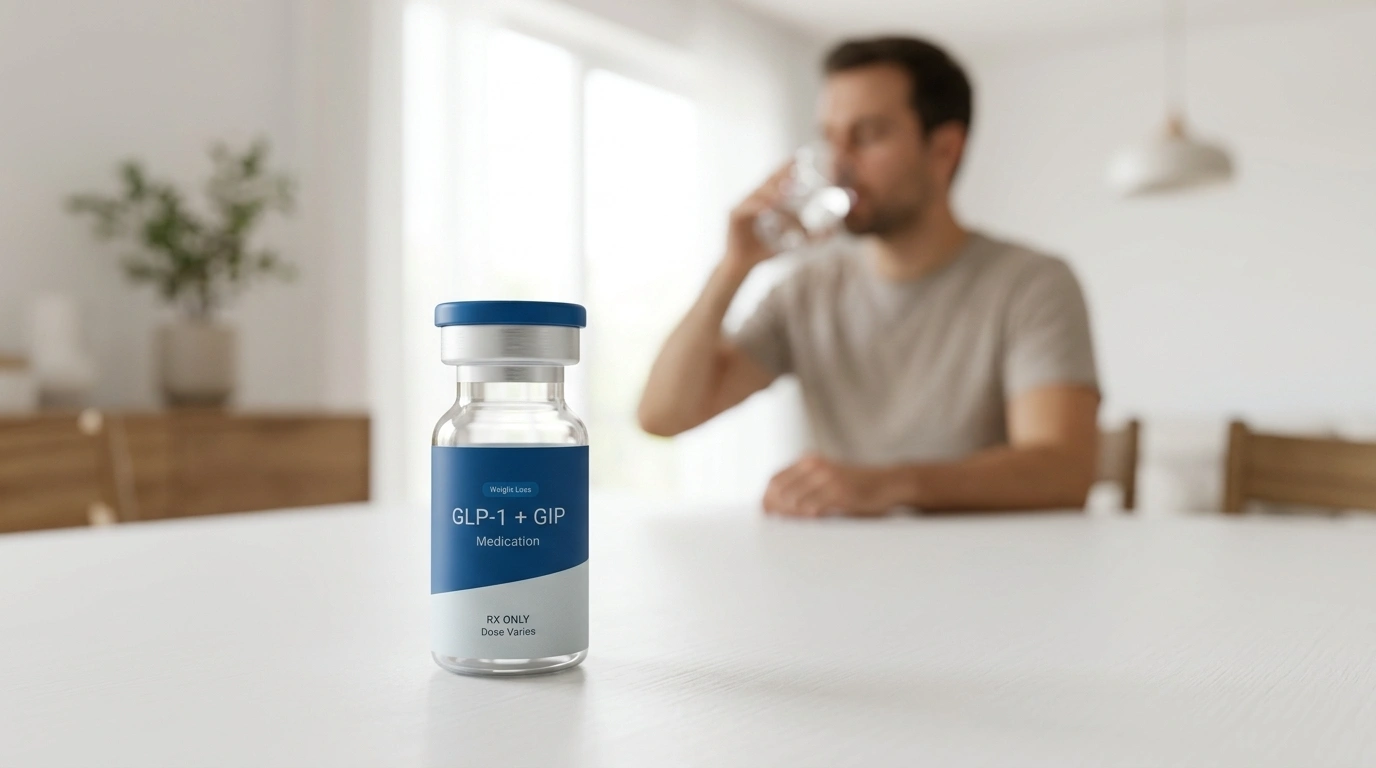
Tirzepatide is a dual-action medication known as a GLP-1 and GIP receptor agonist. This means it mimics two naturally occurring hormones in the body: glucagon-like peptide-1 (GLP-1) and glucose-dependent insulinotropic polypeptide (GIP). Together, these hormones signal to the brain that you are full and slow down the rate at which your stomach empties.
When gastric emptying is delayed, food stays in your stomach longer. This is why many people report feeling “stuffed” after eating only a small portion of what they used to consume. Because the medication also interacts with the reward centers of the brain, it can significantly reduce “food noise,” which refers to the constant intrusive thoughts about eating. If you want a deeper look at how appetite suppression affects meal planning, our guide on eating enough protein on tirzepatide is a helpful next read.
Key Takeaway: Tirzepatide works by slowing digestion and signaling the brain to feel full sooner, which naturally leads to eating smaller portions without the typical feelings of deprivation.
Determining Your Ideal Caloric Intake
One of the most frequent questions we hear is exactly how many calories one should consume. There is no one-size-fits-all number because your needs depend on your starting weight, activity level, age, and metabolic health. However, the goal when using tirzepatide is typically to maintain a moderate caloric deficit.
The danger of under-eating is real when your appetite is significantly suppressed. If you eat too little—for example, fewer than 1,000 to 1,200 calories for most adults—your body may begin to break down muscle tissue for energy instead of just fat. This can lower your basal metabolic rate, making it harder to maintain weight loss later.
Finding the “sweet spot” involves eating enough to fuel your daily activities while still allowing the medication to help you tap into stored fat. For many individuals with a BMI over 30, a target of 1,200 to 1,500 calories for women and 1,500 to 1,800 calories for men is often a starting point, though this should always be discussed with a healthcare provider. If you’re considering prescription treatment and want help figuring out whether you’re a fit, complete the free eligibility assessment.
Factors That Influence Your Needs
- Activity Level: If you are incorporating strength training or cardio, your body will require more fuel.
- Initial Weight: Larger bodies require more energy to function, even at rest.
- Metabolic History: Years of “yo-yo dieting” can impact how many calories your body burns.
Quick Answer: Most people on tirzepatide find success by consuming between 1,200 and 1,800 calories per day, focusing on high-quality nutrients to prevent muscle loss and fatigue.
The Importance of Protein While Using Tirzepatide
When you lose weight quickly, a portion of that weight loss can come from lean muscle mass. This is a concern with all GLP-1 and GIP medications. To protect your muscles and keep your metabolism strong, protein must be the priority of every meal.
Protein is highly satiating, meaning it keeps you full even longer than fats or carbohydrates. Since you will be eating smaller amounts of food, every bite needs to count. Aiming for a specific protein goal—often 0.8 to 1 gram of protein per pound of your goal body weight—can help ensure you are losing fat, not muscle. For a broader look at the role protein plays in body composition, see our article on how protein supports weight loss.
High-Quality Protein Sources
- Lean Poultry: Chicken breast and turkey are excellent low-calorie options.
- Fish and Seafood: Provides essential fatty acids alongside protein.
- Plant-Based Options: Lentils, chickpeas, tofu, and edamame provide fiber and protein.
- Dairy: Greek yogurt and cottage cheese are easy to digest for those with mild nausea.
The “Protein-First” Rule: Always eat your protein first during a meal. Because your stomach fills up quickly on tirzepatide, eating your vegetables or grains first might leave you too full to finish your protein, leading to a deficiency over time.
Managing Meal Sizes and Frequency
The traditional “three square meals a day” approach may not work for everyone on tirzepatide. Because the medication slows down your stomach, a large meal can sit heavy for hours, leading to discomfort or indigestion.
Small, frequent meals are often the best strategy. Instead of eating a large lunch and dinner, consider breaking your caloric intake into four or five smaller snacks or “mini-meals.” This prevents the stomach from becoming overly distended and helps keep your blood sugar levels stable throughout the day.
The importance of chewing thoroughly cannot be overstated. Digestion begins in the mouth. By breaking down food manually before it reaches the stomach, you take some of the workload off your slowed digestive system. This can significantly reduce the risk of bloating and gas.
Step-by-Step: How to Structure Your Day
Step 1: Start with a high-protein breakfast to stabilize blood sugar early.
Step 2: Drink water between meals, rather than with them, to save stomach space for nutrients.
Step 3: Stop eating as soon as you feel a “sigh of relief” or a slight sense of pressure in your stomach.
What to Eat: Nutrient-Dense Food Choices
Since the volume of food you eat will decrease, the density of nutrients must increase. You want to avoid “empty calories”—foods that provide energy but very little in the way of vitamins or minerals.
| Food Category | Focus On | Limit or Avoid |
|---|---|---|
| Proteins | Chicken, Fish, Tofu, Eggs | Fried meats, Fatty cuts of beef |
| Carbohydrates | Quinoa, Sweet potatoes, Berries | Sugary cereals, White bread, Pastries |
| Fats | Avocado, Olive oil, Nuts | Trans fats, Heavily processed oils |
| Vegetables | Leafy greens, Broccoli, Zucchini | Heavy creamed vegetables |
Complex carbohydrates like oats and beans provide the fiber necessary to keep your digestive system moving. Constipation is a common side effect of tirzepatide, and fiber is your best defense. However, introduce fiber slowly; too much fiber at once when your digestion is already slow can lead to temporary bloating.
Healthy fats are necessary for hormone production and brain health. A small serving of avocado or a handful of almonds provides a lot of nutritional value in a small physical volume, which is ideal when you don’t feel like eating much. If you want more guidance on choosing foods that support lean mass, our post on the best protein for weight loss is a useful companion piece.
Listening to Your Body: Satiety vs. Fullness
On tirzepatide, the window between “I’m hungry” and “I’m uncomfortably full” can be very small. Learning to recognize “satiety”—the point where you are no longer hungry but not yet stuffed—is a vital skill.
Avoid the “clean plate club” mentality. Many of us were raised to finish everything on our plate. On this medication, doing so can result in hours of nausea. It is perfectly okay to leave food behind or save it for later.
Mindful eating involves removing distractions like the television or your phone while you eat. By focusing on the taste and texture of your food, you are more likely to notice the subtle signals from your brain telling you to stop. If your appetite suppression is making it hard to meet your nutrition goals, see if you qualify for a personalized program.
Bottom line: Success on tirzepatide requires a shift from eating until you are full to eating until you are no longer hungry.
Signs You Are Not Eating Enough
While the goal is weight loss, losing weight too rapidly or not eating enough can lead to complications. It is important to monitor how you feel, not just what the scale says. If you are struggling to eat enough, our team suggests focusing on liquid nutrition like high-quality protein shakes.
Common signs of under-eating include:
- Extreme Fatigue: Feeling like you don’t have the energy for basic daily tasks.
- Hair Thinning: A lack of protein and micronutrients can lead to temporary hair shedding.
- Constant Coldness: A drop in caloric intake can slow your internal “furnace.”
- Irritability or Brain Fog: Your brain requires glucose and nutrients to function optimally.
If you experience these symptoms, it is essential to consult your healthcare provider. They may recommend adjusting your dosage or working with a nutritionist to ensure you are meeting your body’s basic requirements. For more on why plateaus happen when intake gets too low, read about stalled weight loss on tirzepatide.
How to Handle Common Side Effects Through Diet
Many of the side effects associated with GLP-1 and GIP medications are gastrointestinal. Fortunately, what and how you eat can significantly mitigate these issues.
Managing Nausea
Nausea often occurs when the stomach is too full or completely empty. Try eating a few saltine crackers or a piece of dry toast if you feel nauseous. Ginger tea and peppermint can also help soothe the digestive tract. Avoid spicy, greasy, or highly acidic foods, as these are more likely to trigger an upset stomach.
Avoiding Bloating and Gas
Because food stays in the stomach longer, it can ferment and cause gas. Limit carbonated beverages, which add extra air to the digestive system. You might also find that certain raw vegetables are harder to digest than cooked ones. Steaming your greens can make them much gentler on your system.
Hydration and Electrolytes
Tirzepatide can change how your body manages fluids. It is easy to become dehydrated because you might not feel “thirsty” in the same way you used to. Aim for at least 80 to 100 ounces of water a day. Adding electrolytes—sodium, potassium, and magnesium—can help prevent the headaches and muscle cramps that sometimes accompany rapid weight loss. For additional side effect context, our guide to common GLP-1 side effects covers what many people experience early on.
Note: If you experience severe abdominal pain, persistent vomiting, or an inability to keep fluids down, contact a medical professional immediately.
Support Beyond the Plate
Managing your diet is only one part of a successful journey. A personalized approach that considers your medical history and lifestyle is essential. TrimRx connects you with licensed providers who can help tailor your program to your specific needs, ensuring that your medication and nutrition plan work in harmony.
In addition to prescription options, some individuals find that general supplement support can help bridge gaps when their appetite is low. Using these tools alongside a supervised program helps create a sustainable path toward your health goals.
Myth: You can eat whatever you want as long as you take tirzepatide.
Fact: While the medication helps control hunger, the quality of your food determines your energy levels, muscle preservation, and long-term metabolic health.
Conclusion
Determining how much to eat on tirzepatide is a process of discovery. It requires moving away from rigid calorie counting and toward a more intuitive, protein-focused way of nourishing your body. By prioritizing lean proteins, staying hydrated, and eating smaller, more frequent meals, you can minimize side effects and maximize your results.
The journey to a healthier version of yourself is about more than just a number on the scale; it is about fueling your body with the respect and care it deserves. At TrimRx, we are committed to providing the clinical expertise and support needed to make this transition as smooth as possible. We focus on science-backed methods and empathetic guidance to help you reach your goals safely.
If you are ready to take the next step in your health journey, we invite you to take the free assessment quiz to see if a personalized program is right for you.
FAQ
Should I count calories while taking tirzepatide?
While you do not necessarily have to track every calorie, it can be helpful in the beginning to ensure you are eating enough. Many people find that their appetite is so suppressed that they inadvertently eat too little, which can lead to muscle loss and fatigue. Keeping a rough estimate helps you stay within a healthy range for sustainable weight loss. If you want help determining whether a prescription program makes sense for you, start with the free assessment quiz.
What should I do if I have no appetite at all?
If you find it difficult to eat, focus on liquid nutrition and small “power” snacks. High-protein shakes, bone broth, and small servings of Greek yogurt can provide essential nutrients without feeling heavy. It is important to still try to eat small amounts throughout the day to keep your metabolism active and prevent blood sugar dips. For more detail on maintaining intake, read the protein guide for tirzepatide users.
Can I drink alcohol while on tirzepatide?
You should exercise caution with alcohol, as tirzepatide can change how your body processes it. Alcohol can also increase the risk of gastrointestinal side effects like nausea and may lead to low blood sugar in some individuals. If you choose to drink, do so in moderation and observe how your body reacts.
Why am I not losing weight even though I’m eating less?
Weight loss is rarely a straight line. Your body may be adjusting to the medication, or you might be experiencing water retention. Ensure you are getting enough protein and fiber, and stay consistent with your hydration. If your progress stalls for several weeks, consult your healthcare provider to discuss a potential dosage adjustment or lifestyle changes. Our article on why weight loss stalls on tirzepatide explains this in more detail.
Disclaimer: This content is for informational purposes only and does not constitute medical advice. It is not intended to diagnose, treat, cure, or prevent any disease or condition. Individual results may vary. Always consult a qualified healthcare professional before starting any weight loss program or medication.

Transforming Lives, One Step at a Time
Keep reading

How to Keep Tirzepatide Cold on a Long Flight Without Ice Packs
The flight itself is rarely the problem. Aircraft cabins are climate controlled and generally sit in a comfortable range for the entire journey, which…
What Happens If You Take Your Tirzepatide 12 Hours Early?
Almost certainly nothing. Twelve hours on a once-weekly medication is a shift of about seven percent in your dosing interval, and the products in…

What to Do If You Pull the Needle Out Too Fast on Tirzepatide
Do not re-inject. That is the decision that matters in the next five minutes, and it is the one people get wrong. Withdrawing the…


