Can You Eat Pizza on Mounjaro? Healthy Eating Tips
Introduction
Finding a balance between enjoying your favorite foods and staying committed to your health goals is a common challenge for anyone on a weight loss journey. If you have recently started a program involving Mounjaro®, you may find yourself staring at a pizza menu and wondering if a single slice will derail your progress or cause physical discomfort. At TrimRx, we believe that sustainable weight loss shouldn’t feel like a life of constant deprivation, but it does require understanding how your body now processes certain foods. This article covers the relationship between high-fat foods and tirzepatide, how to navigate social eating, and tips for enjoying pizza without the unwanted side effects. Ultimately, you can eat pizza on this medication, but the “how” and “how much” are more important than ever.
If you are considering a prescription weight loss program, you can complete a free eligibility assessment to learn whether a personalized treatment plan may be appropriate for you.
Understanding How Tirzepatide Changes Your Digestion
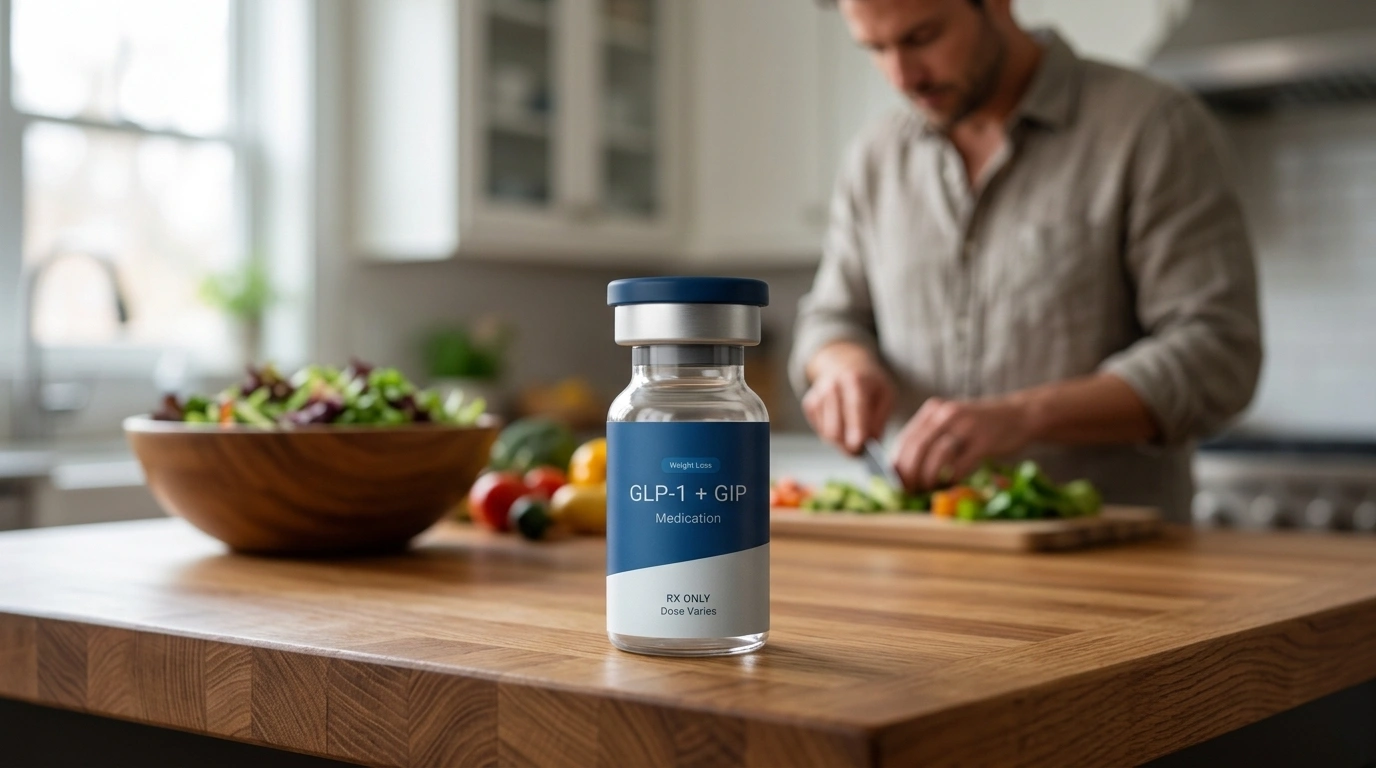
To answer whether you can eat pizza, it is first necessary to understand how Mounjaro (tirzepatide) works within your body. Tirzepatide is a dual-acting medication that mimics two natural hormones: glucagon-like peptide-1 (GLP-1) and glucose-dependent insulinotropic polypeptide (GIP). These hormones help regulate blood sugar and appetite, but they also significantly impact your digestive system.
One of the primary mechanisms of these medications is delayed gastric emptying. This means the food you eat stays in your stomach for a much longer period than it did before you started the medication. While this is beneficial for keeping you full and reducing “food noise” (persistent thoughts about eating), it changes how your body reacts to heavy, greasy, or high-carbohydrate meals like pizza.
For more detail about how tirzepatide can affect digestion and appetite, read this guide to tirzepatide side effects.
Quick Answer: Yes, you can eat pizza while taking Mounjaro, but you should expect to eat significantly less than before. Because the medication slows digestion, high-fat foods like pizza can lead to gastrointestinal discomfort if consumed in large quantities.
The Relationship Between Pizza and Delayed Gastric Emptying
When you eat a standard slice of commercial pizza, you are consuming a combination of refined carbohydrates (the crust), high-fat dairy (the cheese), and often processed meats (pepperoni or sausage). Under normal circumstances, your stomach might move this meal into the small intestine within a few hours.
On a GLP-1 or GIP medication, that same slice may sit in your stomach for much longer. When high-fat foods linger in the stomach, they can begin to cause issues. Fat is already the slowest macronutrient to digest; combined with the effects of the medication, it can feel like a heavy weight in your midsection. This prolonged presence can lead to fermentation and acid production, which are the root causes of many common side effects.
Learn more about what can happen after eating fatty foods on Mounjaro.
Potential Side Effects of Heavy Meals
If you choose to eat several slices of traditional pizza, you may experience:
- Nausea: This is the most common report when patients eat high-fat or large-volume meals.
- Acid Reflux and Heartburn: The combination of slow digestion and high fat can cause stomach acid to back up into the esophagus.
- Bloating and Gas: As food sits longer, it can create more gas, leading to a distended, uncomfortable feeling.
- Early Satiety: You may feel painfully full after just a few bites, making it difficult to finish even a single slice.
For additional guidance on food choices when nausea occurs, review what to eat for Mounjaro nausea.
How to Enjoy Pizza Without the Discomfort
The goal of a personalized program at TrimRx is to help you build a lifestyle you can maintain long-term. This means learning how to incorporate social foods like pizza without feeling ill. If you are planning a pizza night, consider these strategies to minimize side effects and support your weight loss goals.
Focus on Thin Crust
The crust of a pizza is primarily refined white flour, which can spike blood sugar and contribute to a “heavy” feeling. Choosing a thin crust or a cracker-style crust reduces the total carbohydrate load and leaves more room in your stomach for nutrient-dense toppings. Some modern alternatives like cauliflower or almond flour crusts are also excellent options as they provide more fiber and protein.
Prioritize Lean Protein and Vegetables
Traditional toppings like pepperoni, extra cheese, and sausage are very high in saturated fats. These fats are most likely to trigger nausea on tirzepatide. Instead, try topping your pizza with:
- Grilled chicken or turkey sausage
- Spinach, peppers, onions, and mushrooms
- Fresh basil and sliced tomatoes
- Artichokes or olives (in moderation)
Vegetables add volume and fiber, which can help with digestion, while lean protein helps maintain muscle mass during weight loss.
Be Mindful of Portion Sizes
The “all-you-can-eat” mentality is often the first thing to change on a GLP-1 medication. You will likely find that one slice is more than enough to satisfy your hunger. Eat slowly and listen to your body’s fullness cues. It takes time for the signal of fullness to travel from your stomach to your brain, especially when gastric emptying is delayed. Stop eating the moment you feel satisfied, rather than waiting until you feel “full.”
Key Takeaway: Success on Mounjaro isn’t about banning foods like pizza; it’s about modifying the ingredients and respecting your body’s new, smaller capacity for food.
Navigating Social Situations and Food Noise
One of the most profound effects of tirzepatide is the reduction in “food noise.” This is the constant mental chatter about what your next meal will be or the urge to snack even when you aren’t hungry. When this noise is silenced, your relationship with “trigger foods” like pizza often changes.
You might find that you no longer crave the entire pie, but rather just a taste. This shift allows you to participate in social gatherings—like a Friday night pizza party—without the stress of overeating. You can focus on the social connection rather than the food. If you are worried about what to eat at a pizza-centric event, consider bringing a large side salad. Eating the salad first provides fiber and ensures you don’t overindulge in the pizza just because you are hungry.
The Importance of Protein and Fiber
While the occasional slice of pizza is fine, your daily focus should remain on high-quality nutrition. This is particularly important because when you are eating less, every bite needs to count.
Protein is the most critical macronutrient when using GLP-1 medications. It helps preserve lean muscle mass as you lose weight. If you are eating pizza, ensure you are getting protein from another source during the day, or choose a pizza topped with plenty of lean chicken.
Fiber is equally essential to keep your digestive system moving. Since the medication slows things down, fiber helps prevent constipation, a common side effect of tirzepatide. A side salad or a serving of roasted vegetables alongside your pizza can provide the fiber necessary to balance the meal.
For more information about constipation and slowed digestion, read what to know about tirzepatide and constipation.
Note: If you find it difficult to get enough nutrients due to a reduced appetite, our GLP-1 Daily Support supplement can help fill the gaps and support your overall metabolic health.
Supporting Your Body’s Transition
Starting a weight loss journey with a personalized program often involves a period of trial and error as you learn which foods your body can tolerate. We emphasize a holistic approach that looks beyond the scale. We provide access to medical specialists who can help you navigate these dietary transitions.
If you are ready to explore whether prescription treatment may be appropriate for your goals, take the free assessment quiz.
Managing Side Effects Proactively
If you do indulge in pizza and find yourself feeling nauseous, there are steps you can take:
- Hydrate: Sip water or ginger tea to help settle the stomach.
- Stay Upright: Do not lie down immediately after eating a heavy meal, as this can worsen acid reflux.
- Gentle Movement: A light walk can help stimulate digestion.
- Track Your Triggers: Keep a food journal to see if specific types of pizza (like those with heavy red sauce or specific cheeses) cause more issues than others.
The Role of Personalized Weight Loss Programs
Every individual’s body reacts differently to medication. While one person might handle a slice of pepperoni pizza just fine, another might feel ill for hours. This is why a one-size-fits-all approach to weight loss often fails.
At TrimRx, we connect you with licensed providers who can tailor your treatment plan to your specific needs. This includes choosing the right medication—whether it’s Compounded Tirzepatide or another option—and providing the support needed to manage your lifestyle. Compounded medications are prepared by FDA-registered and inspected compounding pharmacies, ensuring high standards of quality even though they are not themselves FDA-approved.
Why Customization Matters
A personalized program considers your medical history, your current BMI, and your personal goals. If you have a history of severe acid reflux, your provider might suggest a different dosing schedule or specific dietary guidelines to ensure you can still enjoy your life while losing weight. This level of care is what helps our members achieve sustainable results.
Making Healthier Pizza at Home
The best way to ensure pizza fits into your health plan is to make it yourself. This gives you total control over the ingredients and allows you to optimize the meal for your new digestive needs.
Step 1: Choose a High-Fiber Base Use a whole-wheat crust, a cauliflower crust, or even a large portobello mushroom cap as your base. These options provide more nutrients and fiber than a standard white flour crust.
Step 2: Limit the Cheese Use a light sprinkle of high-quality cheese like fresh mozzarella or goat cheese. You’ll get a lot of flavor without the heavy grease associated with processed “pizza cheese” blends.
Step 3: Load Up on Veggies Pack the pizza with as many vegetables as possible. Roasted broccoli, bell peppers, zucchini, and red onions add texture and essential vitamins.
Step 4: Add Lean Protein Top your creation with shredded chicken breast, ground turkey, or even shrimp for a protein boost that will help keep you satisfied.
Bottom line: Homemade pizza is almost always more compatible with GLP-1 medications than delivery options because you can significantly reduce the hidden fats and sugars that trigger side effects.
The Long-Term Perspective
Weight loss is a marathon, not a sprint. Using medications like Mounjaro or Zepbound® is a tool to help you reach your goals, but the habits you build along the way are what will keep the weight off for good. Learning to navigate “fun” foods like pizza is a vital part of that process.
If you view pizza as a “forbidden” food, you may be more likely to binge on it later. Instead, view it as a meal that requires a little extra planning and mindfulness. By choosing better ingredients and smaller portions, you can maintain your social life and your health at the same time.
Key Takeaway: The goal of weight loss is to improve your quality of life. This includes being able to share a meal with friends without fear, provided you listen to the signals your body is giving you.
Conclusion
Can you eat pizza on Mounjaro? The answer is a definitive yes, but with the understanding that your body’s “rules” for digestion have changed. By prioritizing thin crusts, lean proteins, and plenty of vegetables—and by being strictly mindful of your portion sizes—you can enjoy pizza without the discomfort of nausea or bloating. Our mission is to provide the science-backed tools and empathetic support you need to navigate these choices. We believe in a transparent, personalized approach to metabolic health that respects both the science of the medication and the reality of your daily life. If you are ready to take the next step in your health journey, we invite you to take our free assessment quiz to see which program is right for you.
FAQ
Will eating pizza stop Mounjaro from working?
Eating a single meal like pizza will not stop the medication from working, as tirzepatide functions on a systemic level over time. However, consistently eating high-fat, high-calorie foods may slow your overall progress and increase the likelihood of uncomfortable gastrointestinal side effects.
How much pizza is safe to eat while on this medication?
Portion tolerance varies for everyone, but most people find that one small to medium slice is plenty. Because the medication slows gastric emptying, eating more than your body can currently process often leads to significant nausea or “fullness” pain.
Why does pizza make me so nauseous now?
The high fat content in cheese and processed meats, combined with the refined carbohydrates in the crust, stays in your stomach much longer due to the medication. This can lead to indigestion and nausea as your body struggles to break down the heavy meal at a slower pace. For additional information, review this guide to managing tirzepatide side effects.
What is the best pizza to order when dining out?
Opt for a thin-crust vegetable pizza with light cheese and a lean protein like chicken. Avoid “deep dish” styles, stuffed crusts, or pizzas with multiple greasy meat toppings, as these are much higher in the fats that typically trigger side effects.
Disclaimer: This content is for informational purposes only and does not constitute medical advice. It is not intended to diagnose, treat, cure, or prevent any disease or condition. Individual results may vary. Always consult a qualified healthcare professional before starting any weight loss program or medication.

Transforming Lives, One Step at a Time
Keep reading

Mounjaro Alternatives: What Else to Consider
If Mounjaro isn’t the right fit, the closest alternatives are other GLP-1 medications, chiefly semaglutide (Ozempic for diabetes, Wegovy for weight), along with a…

Mounjaro vs Zepbound: Same Drug, Two Brands
Like their semaglutide counterparts, Mounjaro and Zepbound are the same medication (tirzepatide) sold under two names for two purposes: Mounjaro is approved for type…

Retatrutide vs Mounjaro: Triple Agonist vs Dual Agonist
The core difference between retatrutide and Mounjaro comes down to how many hormone targets each hits: retatrutide activates three receptors, while Mounjaro (tirzepatide) activates…


