What Happens If You Eat Sugar on Wegovy
Introduction
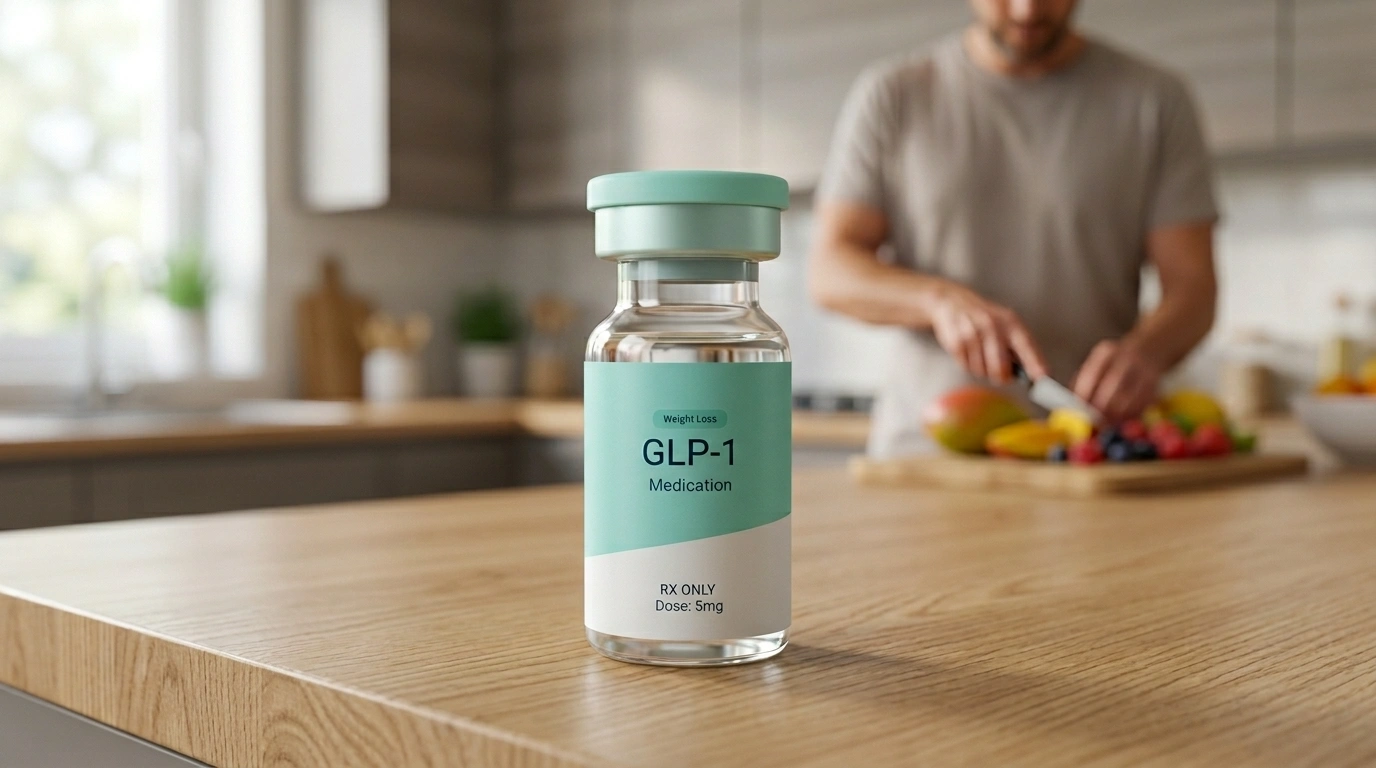
Starting a weight loss journey often involves a mental tug-of-war between old habits and new goals. If you are wondering whether a personalized GLP-1 program is the right next step, it helps to understand how your body may react before you decide what to eat. You might find yourself at a birthday party or a holiday dinner, staring at a dessert and wondering how your body will react. For those using Wegovy® (semaglutide), this question is more than just a matter of willpower; it is a matter of biology. At TrimRx, we believe that understanding how your body interacts with specific nutrients is the key to a successful, sustainable transformation.
When you take a GLP-1 medication, your internal chemistry changes significantly. These changes affect how you process glucose and how quickly your stomach empties. Consequently, eating high amounts of sugar can lead to internal “mismatches” that result in physical discomfort. This article explains the physiological reactions triggered by sugar consumption while on semaglutide, explores why your cravings might change, and provides actionable steps for managing your diet.
How Semaglutide Changes Your Relationship with Food
To understand why sugar causes a reaction, you must first understand the medication. Wegovy® is a brand-name injectable prescription medication that contains semaglutide. Semaglutide belongs to a class of drugs known as glucagon-like peptide-1 (GLP-1) receptor agonists. For a broader overview of the hormone behind these medications, see our guide to what GLP-1 is.
One of the primary functions of this medication is to slow down “gastric emptying.” This is the scientific term for the speed at which food moves from your stomach into your small intestine. When this process slows down, you feel fuller for a longer period. However, this also means that whatever you eat stays in your stomach significantly longer than it used to.
Key Takeaway: Semaglutide slows down digestion to help you feel full, but this means sugary foods remain in the digestive tract longer, potentially causing irritation.
The Physical Consequences of Sugar Consumption
When you consume a high-sugar meal or snack, several biological processes occur simultaneously. For most people not on a GLP-1, sugar is processed relatively quickly. On semaglutide, the experience is often much more intense.
Digestive Distress and Nausea
Nausea is the most commonly reported side effect of semaglutide. Sugar can act as a major trigger for this symptom. If you want a deeper look at why this happens, our article on common GLP-1 side effects covers the most frequent digestive reactions. Because the medication slows your digestion, a sugary treat sits in the stomach where it can begin to ferment or draw excess water into the digestive tract. This often results in a “heavy” feeling, followed by waves of nausea.
The Risk of “Dumping-Like” Symptoms
While “dumping syndrome” is most common after gastric bypass surgery, individuals on GLP-1 medications sometimes report similar sensations after eating high-sugar foods. This happens when the small intestine is overwhelmed by a concentrated load of sugar. Symptoms can include:
- Rapid heartbeat or palpitations
- Sudden, intense abdominal cramping
- Bloating and painful gas
- Urgent, watery diarrhea
- Cold sweats or dizziness
Blood Sugar Spikes and Crashes
Semaglutide is designed to help the pancreas release the right amount of insulin when blood sugar levels are high. It also helps prevent the liver from making and releasing too much sugar. However, consuming a large amount of refined sugar can still cause a temporary spike in glucose. When the medication and your natural insulin work to bring that level down, you may experience a “crash,” leaving you feeling shaky, irritable, or exhausted.
Why Your Cravings Might Change
Many people report a phenomenon often called the “quieting of food noise.” This refers to the constant, intrusive thoughts about food, cravings for sweets, and the urge to snack. Because semaglutide affects the reward centers of the brain, the dopamine hit you once got from a cookie may be significantly dampened.
Bolded Lead Sentence: The brain’s reward system plays a major role in weight management. If you want to understand the appetite side of the science, our GLP-1 deep dive on how it works explains how these medications influence hunger and fullness. When you eat sugar, your brain typically releases dopamine, a feel-good chemical. GLP-1 medications can reduce this response. Many patients find that they no longer “need” the sugar to feel satisfied. In some cases, people even report a “taste perversion,” where overly sweet foods begin to taste metallic, cloying, or generally unappealing.
Managing the Side Effects of Sugar
If you do happen to eat sugar and begin to feel unwell, there are steps you can take to mitigate the discomfort. At TrimRx, our goal is to provide you with the tools to navigate these moments without feeling like you have “failed” your program. If you are still deciding whether a prescription path is the right fit, this is also a good moment to take the free assessment quiz.
Prioritize Hydration
Sugar requires water for processing, and diarrhea or sweating can lead to dehydration. Sipping on water or an electrolyte-balanced drink can help settle the stomach. Avoid carbonated beverages, as the bubbles can worsen the bloating caused by the sugar.
Gentle Movement
While you might want to lie down, a slow, ten-minute walk can encourage digestive motility. Gravity and light movement help move the food through the stomach and into the intestines, potentially reducing the duration of nausea.
Use Natural Soothers
Ginger or peppermint teas are well-known for their anti-nausea properties. These can be particularly helpful if you feel “stuck” after eating a sugary dessert. For more practical relief strategies, our article on how to manage Wegovy-related nausea is a useful companion read.
Key Takeaway: If you experience sugar-induced nausea, focus on hydration, light movement, and natural digestive aids like ginger to help your body process the intake.
Long-Term Weight Loss Progress
Eating sugar occasionally will not completely stop your weight loss, but it can slow your momentum. Weight management is about more than just calories; it is about hormonal balance.
Bolded Lead Sentence: Insulin resistance is a primary barrier to sustainable weight loss. Constant sugar intake forces the body to produce more insulin. High insulin levels can signal the body to store fat rather than burn it. By following the personalized programs we facilitate, you can help your body stay in a “fat-burning” state more effectively.
Furthermore, sugar is often “empty calories.” Because Wegovy® makes you eat much less than usual, every bite counts. If your limited stomach space is filled with sugar rather than protein and fiber, you may face nutritional deficiencies or muscle loss over time.
Navigating Social Situations
You do not have to live a life completely devoid of joy or social interaction. The key is adaptation. If you know you will be in a situation where sweets are present, consider these strategies:
- The “Two-Bite” Rule: Often, the first two bites provide the most satisfaction. Taste the dessert, enjoy the flavor, and then stop before the volume triggers a physical reaction.
- Protein First: Never eat sugar on an empty stomach. Consuming protein or fiber before a sweet treat slows down the absorption of sugar even further, which can prevent the drastic blood sugar spikes that lead to “crashes.”
- Choose High-Quality Sweets: If you are going to eat sugar, choose something high-quality rather than processed “junk” food. A piece of dark chocolate or a small serving of fruit often provides a better experience than high-fructose corn syrup-based snacks.
The Importance of Professional Guidance
Weight loss is a complex medical journey that involves more than just a prescription. It requires a holistic look at your health profile, lifestyle, and metabolic needs. While medications like Wegovy® are powerful tools, they work best when supervised by experts who can help you manage side effects and adjust your nutritional intake.
Through the TrimRx platform, you have access to licensed healthcare providers who understand the nuances of GLP-1 therapy. These professionals can help you determine if your reactions to sugar are normal or if your dosage needs adjustment. They can also provide guidance on using GLP-1 Daily Support to help maintain your nutritional balance during the process.
Note: If you experience severe or persistent vomiting, intense abdominal pain, or signs of severe dehydration after eating sugar, contact your healthcare provider immediately.
Common Myths About Sugar and GLP-1s
There is a lot of misinformation regarding what you “can” and “cannot” do while on weight loss medication. Let’s clarify a few common misconceptions.
Myth: You can never eat sugar again while taking Wegovy®. Fact: There are no “forbidden” foods, but your tolerance for sugar will likely decrease significantly, and your body will provide immediate feedback if you overindulge.
Myth: If I don’t feel sick after eating sugar, the medication isn’t working. Fact: Everyone’s digestive system reacts differently. Some people maintain a higher tolerance for sugar than others, even while losing weight effectively on the medication.
Myth: Sugar-free alternatives are always safe. Fact: Many sugar alcohols (like erythritol or xylitol) can cause bloating and gas, which may be intensified by the slowed digestion of GLP-1 medications.
The Science of Satiety and Sugar
The human body has a complex system for signaling fullness, involving hormones like leptin and ghrelin. Sugar can “bypass” these signals in a normal state by overstimulating the brain’s reward pathways. However, semaglutide reinforces these satiety signals. For a more detailed look at appetite and fullness signaling, our article on what GLP-1 does in the body is a helpful next read.
When you eat sugar on this medication, your body may send conflicting messages. Your brain might want the sugar, but your gut says “no more.” Learning to listen to these gut signals is a vital part of the behavioral change required for long-term success. Over time, many people find that their “sweet tooth” naturally fades, making it easier to choose nutrient-dense foods without feeling deprived.
Understanding the Compounded Alternative
While Wegovy® is a well-known branded medication, many individuals explore other options through telehealth platforms. It is important to distinguish between branded products and compounded alternatives. Branded medications like Wegovy®, Ozempic®, Mounjaro®, and Zepbound® are FDA-approved for specific uses.
On the other hand, Compounded Semaglutide and Compounded Tirzepatide are custom-made medications prepared by licensed pharmacists. While the compounded versions themselves are not FDA-approved, they are prepared and shipped by FDA-registered, inspected compounding pharmacies. If you want help deciding whether a prescription-based path fits your goals, you can complete the free assessment quiz and connect with a provider.
Step-by-Step: How to Handle a Sugar Craving
When a craving hits, follow this process to minimize physical discomfort and stay on track with your progress:
- Step 1: Check your hydration. Often, the body confuses thirst for a sugar craving. Drink a glass of water and wait fifteen minutes.
- Step 2: Evaluate your protein intake. If you haven’t had enough protein during the day, your body may crave quick energy in the form of sugar. Have a small, high-protein snack first.
- Step 3: Opt for fruit. If the craving persists, choose a high-fiber fruit like berries. The fiber helps slow the sugar absorption, making it easier on your stomach.
- Step 4: Practice mindful tasting. If you decide to have the sugar, take one small bite, chew slowly, and check in with your stomach. If you feel even a hint of fullness or nausea, stop there.
Hidden Sugars to Watch For
It isn’t just the obvious cakes and cookies that can cause issues. Many foods contain hidden sugars that can trigger the same GLP-1 side effects. These include:
- Liquid Calories: Fruit juices, sweetened coffee drinks, and sodas can hit the small intestine very quickly, even with slowed gastric emptying, leading to rapid “dumping” symptoms.
- Condiments: Ketchup, BBQ sauce, and certain salad dressings are often packed with sugar.
- “Healthy” Snacks: Granola bars, flavored yogurts, and some protein bars can have as much sugar as a candy bar.
If you are trying to figure out how to structure your overall weight loss plan, the article on GLP-1 shots and weight management offers a broader view of where medication fits in.
By being mindful of these hidden sources, you can avoid accidental bouts of nausea and keep your blood sugar levels stable.
Bottom Line on Sugar and Semaglutide
The relationship between sugar and Wegovy® is one of caution and listening to your body. While a small amount of sugar is unlikely to be dangerous for most people, the physical feedback from your digestive system serves as a powerful teacher. The medication helps you break the cycle of sugar dependency by reducing cravings and making overindulgence physically uncomfortable.
Bottom line: Eating sugar on semaglutide often results in nausea and digestive upset due to slowed gastric emptying, making it easier for many to naturally reduce their sugar intake and focus on nutrient-dense foods.
The TrimRx Approach
At TrimRx, we believe that weight loss is a deeply personal experience that requires a blend of science and empathy. We provide more than just access to a platform; we provide a pathway to a healthier lifestyle through a telehealth-first model. Our programs are designed to support sustainable habits, and if you want to understand your options, the free assessment quiz is the easiest place to begin.
By combining clinical expertise with a supportive, modern technology platform, we help you navigate the complexities of GLP-1 medications. Whether you are curious about starting your journey or looking for a more personalized treatment plan, we are here to support every step of your metabolic health journey. If you are also interested in metabolic support during weight loss, the Weight Loss Boost supplement may be worth exploring alongside your program.
Conclusion
Eating sugar while on Wegovy® is a learning experience for many. While it may lead to temporary nausea, bloating, or other GI symptoms, these reactions often help shift your long-term eating habits toward more sustainable, healthy choices. By prioritizing protein, staying hydrated, and listening to your body’s new satiety cues, you can navigate social settings and cravings with confidence.
The journey to health isn’t about perfection; it’s about progress and understanding how to work with your body’s new biology. If you’re ready to take the next step toward a healthier version of yourself, take the free assessment quiz to see which program is right for you.
- Consult with a licensed provider about your dietary concerns.
- Focus on nutrient-dense foods to maximize your results.
FAQ
Does eating sugar stop Wegovy® from working?
Eating sugar does not “turn off” the medication, but it can counteract the weight loss benefits by adding empty calories and triggering insulin spikes. Frequent sugar consumption may also lead to severe GI side effects, making it harder to stay consistent with your treatment plan.
Can I have a “cheat day” with sugar on semaglutide?
Traditional “cheat days” involving high-sugar or high-fat meals are often physically punishing for those on GLP-1 medications. Because your digestion is slower, a large amount of sugar can cause lingering nausea and discomfort for 24 to 48 hours, so it is usually better to opt for small, occasional treats instead. If you want help figuring out whether a prescription program fits your situation, the assessment quiz is a simple place to start.
Why do sweets taste different now that I am on Wegovy®?
Semaglutide interacts with the brain’s reward centers and can alter your perception of taste. Many patients report that things they used to love now taste overly sweet or artificial, which is a common effect of the medication “rewiring” your dopamine response to food. For a deeper explanation of that broader medication effect, read our article on what GLP-1 medications do.
What is the best thing to eat if I have a sugar craving?
The best option is a combination of fiber and protein, such as a few berries with Greek yogurt or a small piece of fruit with a handful of almonds. This satisfies the sweet craving while providing nutrients that help stabilize your blood sugar and keep your digestion comfortable.
Disclaimer: This content is for informational purposes only and does not constitute medical advice. It is not intended to diagnose, treat, cure, or prevent any disease or condition. Individual results may vary. Always consult a qualified healthcare professional before starting any weight loss program or medication.

Transforming Lives, One Step at a Time
Keep reading
Can the Wegovy Pill Hold the Weight You Lost on Semaglutide Injections?
Most likely yes, once you reach the maintenance dose. The risk is not the destination but the trip: switching means restarting titration on the…

Wegovy Alternatives: What Else Works for Weight Loss
If Wegovy isn’t working out, the strongest alternative is tirzepatide (Zepbound), which tends to produce more weight loss, followed by other GLP-1 options and…

VK2735 vs Wegovy: Investigational Contender vs Proven Semaglutide
VK2735 and Wegovy sit at different stages of development. VK2735, an investigational drug from Viking Therapeutics, comes in both injectable and oral forms and…


