How Do You Know When to Increase Zepbound Dose
Introduction
Standing on the scale only to see the same number as last week can be incredibly frustrating. For many individuals navigating a weight loss journey with medications like Zepbound®, the initial excitement of rapid progress can eventually lead to a plateau. You might start wondering if the medication has stopped working or if it is finally time to move to a higher strength. If you’re ready to see whether a personalized program is a fit, take the free assessment quiz. At TrimRx, we understand that finding the “sweet spot” for your dosage is one of the most critical parts of a successful, medically supervised weight loss plan. Knowing when to increase your dose requires a careful balance between tracking your physical progress and monitoring how your body feels. This post will cover the clinical signs that suggest a dose increase is necessary, how the titration process works, and why your healthcare provider is your most important partner in this decision.
The Mechanism of Tirzepatide: Understanding the “Why”
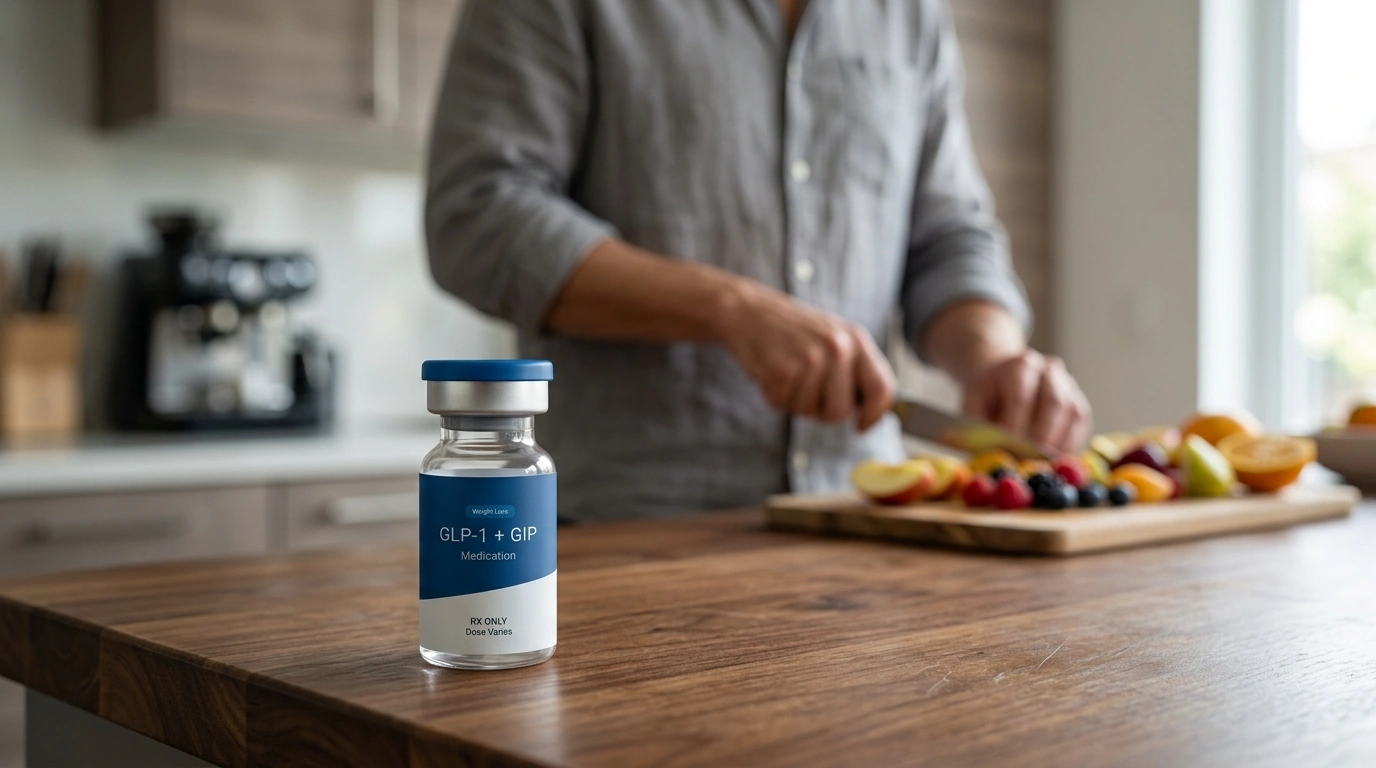
Before determining if a dose increase is necessary, it is helpful to understand how the medication works within the body. Zepbound contains the active ingredient tirzepatide. This is a dual-receptor agonist, meaning it mimics two different hormones naturally produced in the body: glucagon-like peptide-1 (GLP-1) and glucose-dependent insulinotropic polypeptide (GIP). If you want a deeper look at dose progression, our tirzepatide dosage guide explains the full ramp.
The GLP-1 component helps slow down gastric emptying, which keeps you feeling full for longer after eating. It also signals the brain to reduce hunger and cravings. The GIP component is believed to improve how the body breaks down sugar and fat, potentially enhancing the weight loss effects beyond what a single-hormone medication might achieve. When you first start the medication, your body needs time to adjust to these hormonal shifts. This is why the treatment begins at a low “loading dose” and gradually increases.
The Standard Titration Schedule
The process of gradually increasing a medication dose is known as titration. For Zepbound, this schedule is designed to minimize gastrointestinal side effects while allowing the body to build tolerance. Most clinical protocols follow a predictable path, though individual needs may vary based on a provider’s assessment.
The starting dose is typically 2.5 mg, which is administered once weekly for four weeks. It is important to note that the 2.5 mg dose is primarily intended to help your body adjust to the medication; it is not considered a therapeutic dose for significant weight loss. After the first four weeks, the dose is often increased to 5 mg once weekly.
If further weight loss is needed and the medication is well-tolerated, the dose can be increased in 2.5 mg increments after at least four weeks at the current level. The available doses are:
- 2.5 mg
- 5 mg
- 7.5 mg
- 10 mg
- 12.5 mg
- 15 mg
For readers comparing the weekly curve from start to finish, the Zepbound weight loss by week timeline maps the dose-escalation pattern in more detail.
Key Takeaway: The goal of titration is to find the lowest effective dose that provides consistent weight loss with the fewest possible side effects.
Signs It Might Be Time to Increase Your Dose
Deciding to move to a higher dose is not a decision to be made alone, but there are specific signs you can track to share with your healthcare provider during your next consultation.
A Sustained Weight Loss Plateau
Weight loss is rarely a straight line. It is normal for the scale to fluctuate or stay the same for a few days due to water retention or muscle gain. However, a clinical plateau is usually defined as four consecutive weeks without any weight loss while following a consistent nutrition and exercise plan. For a deeper breakdown of plateau patterns, why has my weight loss stalled on Zepbound? covers that situation. If you have been on a specific dose for more than a month and the scale has not moved, your provider may consider this a sign that your body has fully adapted to that dosage level.
The Return of “Food Noise”
“Food noise” is a term many patients use to describe the constant, intrusive thoughts about food, cravings, and the internal dialogue about what the next meal will be. One of the most significant benefits of tirzepatide is its ability to quiet this noise. If you find that these obsessive thoughts are returning or that you are once again struggling with intense cravings between meals, it may indicate that the current dose is no longer effectively suppressing those neurological signals.
Increased Hunger and Reduced Satiety
In the early weeks of a new dose, you will likely feel full very quickly. As your body adjusts, that feeling of fullness (satiety) may start to fade sooner. If you notice you can eat significantly larger portions before feeling full, or if you are feeling genuinely hungry shortly after a meal, your metabolic response to the current dose may be leveling off.
Managing Side Effects
One of the primary reasons to not increase a dose is the presence of unmanageable side effects. However, if you have reached a plateau but are experiencing zero side effects, it is often a green light for your provider to suggest the next increment. Conversely, if you are experiencing manageable but persistent nausea, your provider might suggest staying at your current dose for an extra month to allow your system more time to stabilize before moving up.
When to Stay at Your Current Dose
More is not always better. There are several scenarios where staying at your current dose is the most strategic move for long-term success. For a broader look at how stalls are handled across GLP-1 plans, Plateau Problems: Restarting Weight Loss is a helpful companion guide.
Consistent Progress If you are losing an average of 0.5 to 2 pounds per week, the medication is working exactly as intended. There is no clinical reason to rush to a higher dose if you are seeing steady results. Moving up too quickly can lead to “hitting a ceiling” at the maximum dose of 15 mg sooner than necessary.
Significant Side Effects If you are struggling with severe nausea, vomiting, or significant fatigue, your body is telling you it has not yet adapted. Increasing the dose while already struggling with side effects can lead to severe dehydration or gastrointestinal distress. In these cases, your provider may even suggest a temporary dose reduction.
Achievement of Health Goals For some, a middle-range dose like 7.5 mg or 10 mg is enough to reach their target weight and improve metabolic markers like blood pressure and blood sugar. If you have reached your goal, your provider will likely discuss a maintenance plan rather than further increases.
Quick Answer: You generally know it is time to increase your dose if you have experienced a weight loss plateau for four weeks or more, or if “food noise” and hunger have returned, provided you are tolerating your current dose well.
The Role of Lifestyle Factors
Before assuming the medication needs to be increased, it is essential to evaluate the lifestyle pillars that support the treatment. GLP-1 and GIP medications are tools to be used alongside healthy habits, not replacements for them. If you’re comparing this experience with semaglutide, our weight loss plateau on semaglutide article explains similar stalls from that angle.
Protein Intake Tirzepatide can lead to a decrease in appetite so significant that patients may struggle to eat enough protein. If protein intake is too low, the body may lose muscle mass, which slows down the metabolism and can contribute to a plateau. Ensuring you are hitting protein goals can sometimes restart weight loss without needing a dose increase.
Hydration and Electrolytes Dehydration can often be mistaken for hunger or fatigue. Because these medications slow digestion, your thirst cues may also change. We often see that improving hydration levels helps patients feel better and supports metabolic function.
Physical Activity If your activity levels have stagnated, your body’s daily caloric burn may have decreased. Incorporating strength training is particularly important when using medications like Zepbound® or Wegovy®, as it helps preserve lean muscle mass during weight loss.
How TrimRx Supports Your Journey
Navigating the complexities of dosage timing can be overwhelming, which is why we provide a telehealth-first platform designed to give you continuous support. Through our program, you have 24/7 access to a dedicated team of specialists. When you feel your progress has stalled, you don’t have to wait weeks for an in-person appointment.
We connect you with licensed healthcare providers who review your progress, side effect profile, and goals to determine if a dose increase is appropriate. Our personalized programs are built on the understanding that every metabolism is unique. If you’re still deciding whether a provider-guided plan is right for you, complete a free eligibility assessment. Whether you are using Compounded Tirzepatide or exploring other options, our mission is to ensure your treatment is safe, effective, and tailored to your specific health history.
Comparing Dose Options: Injectable vs. Oral
While Zepbound is an injectable medication, many patients ask about different formats and how dosing changes across them.
| Feature | Injectable (Tirzepatide/Semaglutide) | Oral (Semaglutide) |
|---|---|---|
| Dosing Frequency | Typically once weekly | Typically once daily |
| Absorption | Direct into bloodstream via subcutaneous tissue | Must pass through the digestive system |
| Titration Pace | Usually every 4 weeks | Varies based on provider recommendation |
| Common Start Dose | 2.5 mg (Tirzepatide) / 0.25 mg (Semaglutide) | 3 mg (Semaglutide) |
Regardless of the format, the principle remains the same: the lowest effective dose is the priority. Our platform offers access to various options, including Compounded Semaglutide and Oral Tirzepatide, allowing your provider to choose the best path for your lifestyle and biology.
Managing Side Effects During Dose Transitions
When you do move up to a higher dose, it is common to experience a temporary return or increase in side effects as your body adjusts to the higher concentration of the medication.
- Nausea: This is the most common report. It often helps to eat smaller, more frequent meals and avoid high-fat or greasy foods for the first 48 hours after your injection.
- Constipation: Slower digestion means more water is absorbed from the colon. Increasing fiber intake and staying highly hydrated is essential.
- Fatigue: As your body processes the metabolic changes, you may feel a dip in energy.
- Heartburn: Avoiding late-night meals can help manage acid reflux during titration.
To support the body during these transitions, some individuals find that the GLP-1 Daily Support supplement can be helpful.
If fatigue is the bigger challenge, the Weight Loss Boost supplement is designed for that kind of support.
Step-by-Step: How to Discuss a Dose Increase
If you believe you are ready for the next step in your program, follow these steps to ensure a productive conversation with your provider.
- Step 1: Document your data. Keep a log of your weight for the last four weeks and note any changes in your hunger levels or cravings.
- Step 2: Review your side effects. Be honest about any gastrointestinal issues you’ve had; your provider needs to know if your body can handle a stronger dose.
- Step 3: Evaluate your lifestyle. Ensure you have been consistent with your nutrition and movement goals so your provider knows the plateau is pharmacological, not behavioral.
- Step 4: Contact your team. Message your specialist through our platform to request a review of your current plan.
The Importance of Patience in Weight Loss
It is easy to get caught up in the “more is better” mindset, especially when you see stories of rapid weight loss online. However, the most sustainable weight loss often happens at moderate doses. Rushing to the maximum dose of 15 mg can lead to a situation where you have no more “room to grow” if you hit a plateau later in your journey. If you want a deeper dive into how dose ceilings can affect progress, Tirzepatide Plateau 6 Months — Why It Happens & What to Do walks through the plateau biology.
By staying at a lower dose for as long as it remains effective, you preserve the higher doses for when you truly need them. This strategy also reduces the overall stress on your digestive system and can make the eventual transition to a maintenance phase much smoother.
Conclusion
Determining when to increase your Zepbound dose is a nuanced process that looks at your weight loss trends, your hunger signals, and your overall well-being. A plateau of four weeks, the return of food noise, and a high tolerance for your current dose are the primary indicators that it may be time to move up. At TrimRx, we believe that weight loss is a marathon, not a sprint. Our science-backed, empathetic approach ensures that you are never guessing about your next step. We provide the clinical oversight and personalized tools you need to transition between doses safely and effectively. If you are ready to see how a tailored program can support your metabolic health, see if you qualify for a personalized program.
Key Takeaway: Never increase your dose without the direct guidance of a licensed healthcare provider, as they must ensure the change is safe for your specific health profile.
FAQ
Can I stay on the 2.5 mg or 5 mg dose if I am losing weight?
Yes, if you are losing a healthy amount of weight and feel satisfied with your progress, there is no medical requirement to increase your dose. Many people find success on lower “maintenance” doses for several months before needing an adjustment.
What should I do if my insurance doesn’t cover a dose increase?
While we do not handle insurance claims directly, we offer access to compounded medications through FDA-registered compounding pharmacies. This can provide a consistent and accessible alternative when branded medications like Zepbound® or Mounjaro® face supply or coverage issues. If you want to see whether a provider-guided plan is right for you, take the free assessment quiz.
Is the 15 mg dose twice as effective as the 7.5 mg dose?
Clinical studies show that weight loss generally increases with higher doses, but it is not a linear “double the dose, double the loss” relationship. The goal is to find the dose where your body responds best, which for many people is well below the 15 mg maximum.
How long does it take for a new dose to start working?
Most people notice a change in their appetite or “food noise” within 24 to 48 hours of their first higher-dose injection. However, it may take a full four-week cycle at the new dose to see a significant change on the scale. For another dose-by-dose reference point, the tirzepatide dosage guide lays out the full progression.
Disclaimer: This content is for informational purposes only and does not constitute medical advice. It is not intended to diagnose, treat, cure, or prevent any disease or condition. Individual results may vary. Always consult a qualified healthcare professional before starting any weight loss program or medication.

Transforming Lives, One Step at a Time
Keep reading

Kids’ Birthday Party on Zepbound
If you have young children, birthday parties are a regular part of life: your own child’s, and the steady stream of classmates’ parties most…
Water Aerobics on Zepbound
For people with painful knees, hips, or backs, water aerobics and pool exercise are often the first kind of exercise that feels possible. The…

New Year’s Eve on Zepbound
New Year’s Eve is built around staying up late. There is usually a big dinner or a party spread, drinks through the evening, champagne…


