Is Zepbound Cheaper Than Ozempic? Cost Factors Explained
Introduction
Navigating the landscape of modern weight loss medications often feels like solving a complex financial puzzle. When you are looking for effective medical support for weight management, the primary question after “does it work?” is almost always “can I afford it?” With the rise of highly effective GLP-1 (glucagon-like peptide-1) receptor agonists, many individuals are now comparing Zepbound® and Ozempic® to see which fits their budget and health needs best. At TrimRx, we understand that transparency regarding medication access is just as important as the clinical results themselves. This article explores the various factors—from insurance coverage and manufacturer savings cards to the availability of compounded alternatives—that determine whether Zepbound or Ozempic is the more cost-effective choice for your journey.
If you are considering prescription treatment, you can complete a free eligibility assessment to begin discussing your options with a licensed provider.
Defining the Contenders: Zepbound and Ozempic
Before comparing costs, it is essential to understand what these medications actually are and how they function. While they are often discussed in the same breath, they contain different active ingredients and are approved for different primary uses.
Ozempic® is a brand-name medication containing semaglutide. Semaglutide is a GLP-1 receptor agonist, which means it mimics a natural hormone in your body that regulates appetite and blood sugar. When you take semaglutide, it signals to your brain that you are full and slows down the rate at which your stomach empties. Ozempic is specifically FDA-approved for the treatment of Type 2 diabetes, though it is frequently prescribed “off-label” for weight management because weight loss is a significant side effect of the medication.
For additional background, read this comparison of semaglutide and tirzepatide.
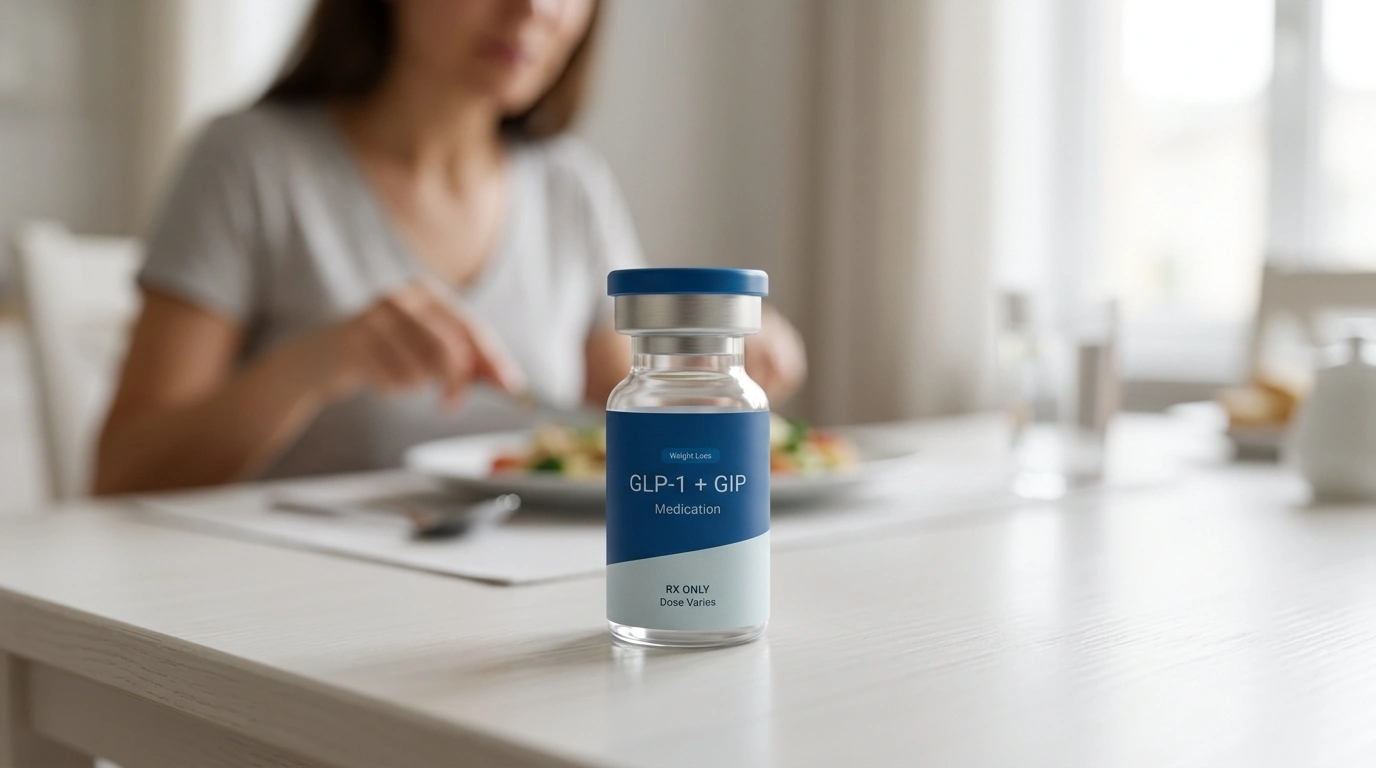
Zepbound® is a brand-name medication containing tirzepatide. Tirzepatide is a dual-agonist, meaning it mimics two different hormones: GLP-1 and GIP (glucose-dependent insulinotropic polypeptide). By targeting two receptors instead of one, tirzepatide often demonstrates higher levels of weight loss in clinical trials compared to semaglutide alone. Unlike Ozempic, Zepbound is specifically FDA-approved for chronic weight management in adults with obesity or those who are overweight with weight-related medical conditions.
Quick Answer: Determining if Zepbound is cheaper than Ozempic depends largely on your insurance coverage and diagnosis. While Zepbound often has a lower “list price” for weight loss, Ozempic is more frequently covered by insurance plans because it is a primary treatment for Type 2 diabetes.
Understanding the Base Cost: List Price vs. Real Price
The sticker price you see in news reports is rarely the price a patient pays at the pharmacy. In the United States, pharmaceutical companies set a Wholesale Acquisition Cost (WAC), which is the list price before any discounts, rebates, or insurance negotiations.
Zepbound was intentionally launched with a list price lower than many other weight loss-specific brands. The manufacturer designed this pricing strategy to make the medication more competitive in a crowded market. However, because Zepbound is exclusively labeled for weight management, many insurance companies categorize it differently than medications intended to treat chronic diseases like diabetes.
For more context, review this Zepbound cost and dosage guide.
Ozempic has been on the market longer and is primarily positioned as a diabetes medication. Its list price has remained relatively stable, but because it has a broader range of insurance “preferred” statuses, the actual cost to a patient with Type 2 diabetes may be significantly lower than the cost for someone using it for weight loss. If you do not have Type 2 diabetes, getting insurance to cover Ozempic can be extremely difficult, often leaving you to pay the full list price out of pocket.
The Insurance Factor: Why Coverage Varies
Insurance coverage is the single most significant factor in determining which medication is cheaper for you. Most insurance plans use a “formulary,” which is a list of drugs they agree to cover and the “tier” of cost-sharing required from the patient.
Weight loss medications face unique challenges with insurance companies. Many employers and private insurance plans still view weight management as a “lifestyle” issue rather than a medical necessity. This means that even if Zepbound is FDA-approved for weight loss, your specific plan might exclude all weight-loss drugs entirely. If your plan excludes weight loss medications, you would be responsible for the full cost of Zepbound regardless of its list price.
Ozempic is typically found on the “preferred” tier of most insurance formularies for diabetes. If you have a Type 2 diabetes diagnosis, your co-pay for Ozempic might be very low. However, if you are seeking Ozempic for weight loss without a diabetes diagnosis, your insurance will likely require a “Prior Authorization” (PA). During a PA, your doctor must prove the medication is medically necessary. Insurance companies often deny these requests if the diagnosis is not Type 2 diabetes, even if you have other metabolic issues.
If you want to understand whether a prescription program may be appropriate for your health profile, you can take the free assessment quiz.
Key Takeaway: Ozempic is generally cheaper for those with Type 2 diabetes due to widespread insurance coverage. Zepbound may be more accessible for those without diabetes, but only if their insurance plan includes a specific “weight loss” benefit.
Manufacturer Savings Cards and Patient Assistance
When insurance coverage is partial or non-existent, manufacturer savings cards can bridge the gap. Both manufacturers of Zepbound and Ozempic offer programs designed to lower out-of-pocket costs for patients with commercial insurance.
The Zepbound savings card is often cited as a major benefit for patients whose insurance does not cover the drug. For those with commercial insurance that does not cover Zepbound, the savings card can significantly reduce the monthly cost. For those whose insurance does cover Zepbound, the card can reduce the co-pay even further. It is important to note that these cards typically have an expiration date and a maximum annual benefit.
Ozempic also offers a savings card, but it is generally intended for patients with a Type 2 diabetes diagnosis. If you are using Ozempic off-label for weight loss, you may find that the terms and conditions of the savings card are more restrictive or that the pharmacy cannot process the card without a corresponding diabetes code on the prescription.
Government insurance plans present a different hurdle. If you are on Medicare, Medicaid, or Tricare, you are legally prohibited from using manufacturer savings cards. This often leaves seniors and low-income individuals with very few options if their plan does not cover the drug outright.
Compounded Alternatives: A Path to Accessibility
For many people, the choice isn’t between two expensive brand-name drugs, but between those drugs and a compounded alternative. When brand-name medications like Ozempic or Zepbound are in short supply or are financially out of reach, compounded versions become a vital option.
Compounded semaglutide and compounded tirzepatide are prepared by specialized pharmacies. These medications contain the same active ingredients found in the branded versions but are mixed in a pharmacy to meet the specific needs of a patient. TrimRx connects patients with licensed healthcare providers who can prescribe these compounded options when appropriate. These medications are shipped from FDA-registered, inspected compounding pharmacies.
To learn more about the care model, read this guide to how telehealth tirzepatide works.
It is critical to understand the regulatory status of compounded medications. Compounded semaglutide and tirzepatide are not FDA-approved. However, the FDA does allow pharmacies to produce compounded versions of medications that are currently listed on the FDA’s official drug shortage list. This provides a legal and regulated pathway for patients to access treatment when the branded versions are unavailable or too expensive.
The primary advantage of the compounded route is cost consistency. Branded medications often have fluctuating prices based on insurance deductibles and pharmacy markups. Our program offers a transparent, consistent model where the cost of the consultation, the medication, and the shipping are all included. This removes the “pharmacy counter shock” that many patients experience with Zepbound or Ozempic.
Myth: Compounded medications are the same as “generic” drugs.
Fact: Compounded medications are not generics. While generics are FDA-approved versions of off-patent drugs, compounded medications are custom-mixed preparations made by pharmacies. They are used when branded drugs are in shortage or when a specific formulation is required.
Choosing Between Zepbound and Ozempic
The decision of which medication to pursue should be based on clinical suitability first and cost second. While cost is a major factor, the two medications have different side effect profiles and expected outcomes.
Clinical evidence suggests that tirzepatide (Zepbound) may lead to greater weight loss than semaglutide (Ozempic). In large-scale clinical trials, participants taking higher doses of tirzepatide lost a higher percentage of their body weight on average. If your primary goal is significant weight reduction and you have not had success with other GLP-1 medications, the clinical benefits of Zepbound might outweigh a slightly higher price tag.
Semaglutide has a longer track record of safety and use. Because Ozempic and its weight-loss counterpart, Wegovy®, have been available longer, there is more long-term data regarding their effects. Some patients also find the side effects of semaglutide—such as nausea or digestive upset—more manageable than the side effects of the dual-agonist tirzepatide.
For a broader overview, explore this Ozempic and Wegovy treatment comparison.
Consulting with a licensed healthcare provider is the only way to determine which is right for you. A provider will look at your BMI, your blood sugar levels, your heart health, and your previous attempts at weight loss. We provide access to these specialists through our telehealth platform, ensuring you get a recommendation tailored to your health profile.
The Role of Telehealth in Reducing Costs
Telehealth has transformed how patients access these high-demand medications. Traditionally, obtaining a prescription for a GLP-1 required multiple in-person doctor visits, lab work at a separate facility, and stressful negotiations with a local pharmacist. Each of these steps adds hidden costs, from co-pays and travel expenses to time taken off work.
Our platform streamlines this process into a single, cohesive experience. By moving the consultation and monitoring online, we eliminate many of the overhead costs associated with traditional clinics. This efficiency allows us to provide a comprehensive service that includes:
- Online medical assessments with licensed providers.
- Prescription management and dosage adjustments.
- Medication shipped directly to your door from regulated pharmacies.
- Ongoing support and specialist access.
This model is explained in greater detail in this telehealth tirzepatide overview.
This model provides a level of predictability that the traditional pharmacy route lacks. Instead of wondering if your insurance will cover a specific brand this month, or if the manufacturer coupon has expired, you can rely on a steady, supervised program designed around your success.
Managing Side Effects and Maximizing Value
Regardless of which medication you choose, the “cost” of a medication includes how it makes you feel. If you are paying for a premium medication but cannot take it consistently due to side effects, the value of that investment drops to zero.
Side effects like nausea, fatigue, and muscle loss are common with both Zepbound and Ozempic. To protect your investment in your health, it is important to support your body during treatment. Many patients find that focusing on high protein intake and targeted supplementation helps them stay on their medication longer and achieve better results.
For more information about common reactions and dose adjustments, see this guide to GLP-1 medication side effects.
We offer specialized support through products like GLP-1 Daily Support. This supplement is designed to help manage the common nutritional gaps that occur when your appetite is significantly reduced. By ensuring your body has the micronutrients it needs, you can minimize the fatigue often associated with these medications, making your weight loss journey more sustainable.
Weight Loss Boost is another tool available to our members. This supplement is formulated to support metabolic health and energy levels, which can be particularly helpful during the initial “onboarding” phase when your body is adjusting to a new GLP-1 or dual-agonist medication. You can explore energy support during weight loss as part of your broader wellness routine.
How to Start Your Journey
If you are ready to stop guessing which medication is the best financial and clinical fit, the first step is a professional evaluation. You do not need to spend hours on the phone with your insurance company or visit multiple pharmacies to get started.
Step 1: Complete the Free Assessment Quiz.
This quiz gathers essential information about your health history, current weight, and goals. It is the first step in our process and helps determine if you are a candidate for our program. Start your free assessment.
Step 2: Connect with a Licensed Provider.
Once your assessment is reviewed, you will be connected with a provider who can discuss your options. They will help you decide if a compounded semaglutide or tirzepatide program is appropriate for your specific needs.
Step 3: Receive Your Personalized Plan.
If a prescription is issued, your medication is prepared by one of our partner pharmacies. These are FDA-registered and inspected facilities that adhere to strict quality standards.
Step 4: Ongoing Supervision.
Weight loss is not a “set it and forget it” process. Our team provides continuous support to help you manage your dosage, navigate side effects, and track your progress toward your goal weight.
Conclusion
The question of whether Zepbound is cheaper than Ozempic does not have a single, universal answer. For those with Type 2 diabetes, Ozempic remains the most affordable path due to robust insurance coverage. For those focused on weight loss without a diabetes diagnosis, Zepbound may offer a lower list price and a more effective clinical profile, but insurance barriers remain a significant hurdle.
At TrimRx, our mission is to simplify this complex journey. We believe that everyone deserves access to the science of sustainable weight loss without the confusion and high costs of the traditional healthcare system. By offering personalized, medically supervised programs that include compounded alternatives, we provide a transparent and supportive path to a healthier you.
Bottom line: Your out-of-pocket cost is determined by your diagnosis and your specific insurance plan. If branded medications are out of reach, compounded options through a telehealth program offer a consistent and accessible alternative for long-term weight management.
If you are ready to discuss your eligibility and treatment options, take the free assessment quiz.
FAQ
Does insurance cover Zepbound more often than Ozempic?
Insurance coverage typically favors Ozempic for patients with Type 2 diabetes, as it is a standard-of-care medication for that condition. Zepbound is often excluded from plans that do not cover weight loss medications, meaning it may be harder to get covered despite its lower list price.
Can I use the Zepbound savings card if my insurance denies coverage?
Yes, the Zepbound manufacturer currently offers a savings card that significantly reduces the cost for patients with commercial insurance that does not cover the drug. However, this program is not available to those on government insurance plans like Medicare or Medicaid.
Is compounded tirzepatide the same as Zepbound?
Compounded tirzepatide contains the same active ingredient as Zepbound but is prepared in a compounding pharmacy rather than by the original manufacturer. While compounded versions are not FDA-approved, they are produced in FDA-registered pharmacies to help patients maintain access to treatment during branded medication shortages.
How do I know which medication is better for my weight loss?
The choice depends on your medical history, your weight loss goals, and how your body responds to different hormones. A consultation with a healthcare provider, such as those available through our platform, is necessary to determine if a GLP-1 or a dual-agonist like tirzepatide is the right fit for you. Begin with a professional assessment.
Disclaimer: This content is for informational purposes only and does not constitute medical advice. It is not intended to diagnose, treat, cure, or prevent any disease or condition. Individual results may vary. Always consult a qualified healthcare professional before starting any weight loss program or medication.

Transforming Lives, One Step at a Time
Keep reading

Why Is There a Bruise Where I Injected My Zepbound?
A bruise means a small blood vessel was disturbed under the skin and blood spread into the surrounding tissue. It is one of the…

My Zepbound Pen Won’t Click Past a Certain Dose
Start by checking which device you are holding, because the answer depends entirely on that. Zepbound has commonly been supplied in the United States…

Zepbound Alternatives: Your Options Compared
If Zepbound isn’t the right fit, the main alternative is semaglutide (sold as Wegovy), which produces slightly less weight loss but works similarly, along…


