Do You Take Zepbound on Empty Stomach? Your Timing and Diet Guide
Introduction
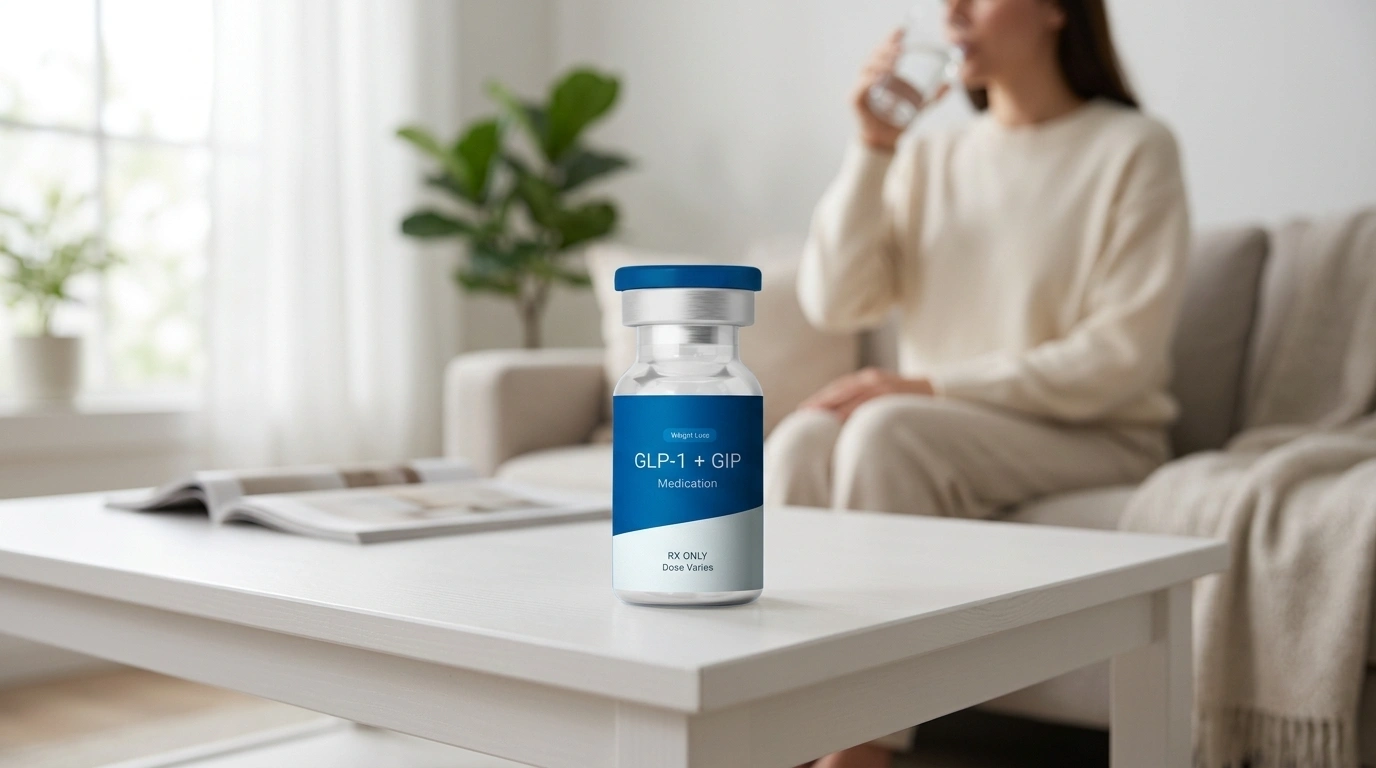
Standing in front of the refrigerator with a Zepbound® pen in hand is a common moment of hesitation for many people beginning their medical weight loss journey. You might wonder if a full stomach will interfere with the medication or if an empty one will lead to more nausea. The transition to GLP-1 (glucagon-like peptide-1) and GIP (glucose-dependent insulinotropic polypeptide) medications brings up many practical questions about daily routines.
At TrimRx, we believe that understanding the logistics of your treatment is just as important as the medication itself. This post covers whether you should take your dose with food, how your diet influences your experience, and how to manage your schedule for the best results. Whether you are just starting or looking to optimize your current routine, knowing how to coordinate your meals with your medication can significantly impact your comfort and success. If you are considering prescription support, you can take the free assessment quiz to explore whether a personalized program may be right for you.
Quick Answer: You can take Zepbound® at any time of day, with or without food. While an empty stomach does not change how the medication is absorbed, your food choices throughout the day can influence potential side effects like nausea or bloating.
Understanding Zepbound and Meal Timing
Zepbound® is an injectable prescription medication used for chronic weight management in adults with obesity or overweight and related health conditions. Its active ingredient, tirzepatide, belongs to a class of drugs known as dual receptor agonists. This means it mimics two different hormones in your body: GLP-1 and GIP. These hormones work together to regulate blood sugar, slow down how quickly your stomach empties, and signal to your brain that you are full.
Because of the way the medication is absorbed into the bloodstream through the subcutaneous (under the skin) fat, it does not need to pass through your digestive tract to start working. Unlike some oral medications that require a specific stomach environment to break down properly, an injectable medication like this remains effective regardless of when you last ate.
Does Food Affect Absorption?
Clinical studies have shown that the presence of food in the stomach does not significantly alter the concentration of tirzepatide in the blood. This provides a great deal of flexibility for your schedule. You do not need to time your injection around a specific mealtime, such as exactly thirty minutes before breakfast or two hours after dinner. For more guidance on meal timing, see this guide to what to eat before a Zepbound injection.
However, many individuals find that their personal comfort levels vary. Some people prefer taking the injection on an empty stomach to “get it over with” before their day starts. Others find that having a small, protein-rich snack before the injection helps them feel more stable.
Consistency Over Specificity
While the “empty stomach” question is popular, the more important factor is consistency. The medication is taken once every seven days. Choosing a consistent day of the week and a time that fits your lifestyle helps you maintain a steady level of the medication in your system. This consistency is a cornerstone of the personalized programs we support, as it helps create a sustainable habit.
Why Your Stomach Contents Matter
Even though the medication works fine on an empty stomach, the “slowed gastric emptying” effect is a major factor in how you feel. Because the medication tells your stomach to hold onto food longer, what you ate six or even twelve hours before your dose can still be present. This is why some people mistakenly believe the injection caused immediate upset, when it may actually be a reaction to a heavy meal consumed earlier.
The Impact of Gastric Emptying
Gastric emptying is the process by which food leaves your stomach and enters the small intestine. GLP-1 medications slow this process down significantly. This is a primary reason why you feel full longer, which supports weight loss. For a deeper explanation, read about what causes nausea with tirzepatide and how to manage it.
If you take your dose on a very full stomach—especially after a meal high in fat or refined carbohydrates—that food sits in the stomach even longer. This can lead to a “heavy” feeling, indigestion, or nausea. Conversely, taking it on a completely empty stomach might leave some people feeling slightly lightheaded if they are not maintaining adequate hydration and blood sugar levels.
Key Takeaway: The medication’s effectiveness is independent of food, but your comfort is highly dependent on your overall dietary patterns. Focus on light, nutrient-dense meals on your injection day to minimize digestive discomfort.
Managing Common Side Effects Through Diet
Most side effects associated with this class of medication are gastrointestinal. Understanding how to manage these through food choices is often more helpful than worrying about the specific timing of the shot.
Nausea and Bloating
Nausea is the most frequently reported side effect. It often occurs as your body adjusts to a new dose or when you eat past the point of fullness. If you find that taking your dose on an empty stomach leads to nausea, try having a small, bland snack like a few whole-grain crackers or a piece of fruit.
Myth: You must eat a large meal before your shot to “coat your stomach.” Fact: A large meal can actually worsen nausea because the medication slows digestion, causing that heavy meal to sit in your stomach longer.
Heartburn and Indigestion
Because food stays in the stomach longer, acid reflux or heartburn can occur. Taking your injection in the evening on a very full stomach might increase the risk of nighttime heartburn. If you experience this, consider taking your dose earlier in the day or ensuring your last meal before the shot is small and easy to digest.
What to Eat on Injection Day
While there is no “Zepbound diet,” certain foods are generally better tolerated, especially on the day you take your dose. Focusing on these can help you avoid the pitfalls of a “heavy” stomach.
Prioritize Lean Proteins
Protein is essential for maintaining muscle mass during weight loss. It also tends to be very satiating. On your injection day, focus on:
- Grilled chicken or turkey
- Fish and seafood
- Tofu or tempeh
- Greek yogurt or cottage cheese
Include Non-Starchy Vegetables
Vegetables provide essential fiber and micronutrients without being overly heavy. Fiber is particularly important for preventing constipation, which can be another side effect of slowed digestion.
- Leafy greens (spinach, kale)
- Cruciferous vegetables (broccoli, cauliflower)
- Cucumbers and peppers
The Importance of Hydration
Hydration is perhaps the most critical factor on injection day. Dehydration can mimic or worsen side effects like headaches, dizziness, and fatigue. We recommend drinking plenty of water throughout the day, and some people find that adding electrolytes helps them feel more balanced.
Foods to Avoid Near Your Dose
To ensure you don’t feel overly full or nauseous, it is wise to limit or avoid certain categories of food, especially in the 24 hours leading up to and following your dose. This guide to what not to eat on tirzepatide covers similar dietary considerations.
- Fried and Greasy Foods: High-fat foods take the longest to digest. When combined with a medication that already slows digestion, these can cause significant bloating and discomfort.
- Sugary Treats: High sugar intake can lead to blood sugar fluctuations. Since the medication is already working on your insulin response, adding excess sugar can lead to “crashes” or lightheadedness.
- Carbonated Beverages: The gas in sodas or sparkling water can contribute to the feeling of being uncomfortably full or bloated.
- Large Portions: Even healthy food can cause discomfort if you eat too much of it. The medication will change your “fullness” signals; it is important to listen to them immediately.
Optimizing Your Injection Routine
Finding the right routine takes a bit of trial and error. Because every body reacts differently, a personalized approach is the best way to ensure long-term success.
Step 1: Choose Your Day
Pick a day when you typically have a more controlled schedule. Many people choose Friday so they can manage any initial side effects over the weekend, while others prefer Monday to stay on track during the work week.
Step 2: Monitor Your Hunger
Pay attention to your hunger cues the day before your shot. As the previous dose wears off slightly, you might feel hungrier. Resist the urge to “load up” on a large meal right before your next dose.
Step 3: Prep Your Injection Site
You can inject into the abdomen, thigh, or back of the arm. Rotating sites each week can help prevent skin irritation. Some people report fewer side effects when injecting in the thigh versus the stomach, though this is anecdotal and varies by individual.
Step 4: Record Your Experience
Keep a simple log of what you ate and how you felt on injection day. If you notice you always feel nauseous after a morning shot on an empty stomach, try switching to an afternoon shot after a light lunch.
The Role of Personalized Support
Navigating the nuances of medical weight loss can feel overwhelming if you are doing it alone. At TrimRx, we facilitate a telehealth-first experience that removes the stress of waiting rooms and provides access to professional guidance from the comfort of home. If you are exploring prescription treatment, you can complete a free eligibility assessment to begin the process.
Our programs are designed to be comprehensive. This means that beyond the prescription, we focus on the person. When you use our platform, you are connected with licensed providers who can help you understand these timing questions and adjust your plan as your body changes. Whether you are using a branded medication like Zepbound® or exploring compounded alternatives, the goal remains the same: sustainable, healthy weight loss tailored to your life.
How Compounded Options Compare
In many cases, patients may find that branded medications are difficult to access due to supply chain issues. This is where compounded medications, such as Compounded Tirzepatide, become a relevant part of the conversation.
While Compounded Tirzepatide is not FDA-approved, it is prepared by FDA-registered, inspected compounding pharmacies. These pharmacies create the medication to meet the specific needs of an individual as prescribed by a healthcare provider. The timing rules for compounded versions are generally the same: they are subcutaneous injections taken once weekly, and they can be taken with or without food.
| Feature | Branded Zepbound® | Compounded Tirzepatide |
|---|---|---|
| Active Ingredient | Tirzepatide | Tirzepatide |
| Administration | Once-weekly injection | Once-weekly injection |
| Food Requirement | None (With or without) | None (With or without) |
| FDA Status | FDA-approved | Prepared in FDA-registered pharmacies |
| Dosing Schedule | Fixed titration schedule | Personalized by provider |
Listening to Your Body
The most important advice for anyone taking a GLP-1 or GIP medication is to listen to your body’s signals. The medication is designed to change your relationship with food by amplifying the signals of satiety (fullness).
If you are not hungry in the morning, do not force yourself to eat a large breakfast just to take your shot. If you feel a bit shaky, a small balanced snack might be necessary. Over time, you will learn the “rhythm” of your medication—how it feels on day one versus day six, and how it responds to different types of meals.
Mindful Eating Practices
Because your stomach empties more slowly, the “I’m full” signal might take a moment to reach your brain. Eating slowly and putting your fork down between bites can help you catch that signal before you have overeaten. Overeating on Zepbound® is a primary cause of the very discomfort people try to avoid by timing their shots.
Bottom line: Whether your stomach is empty or full, Zepbound® will be absorbed effectively. Your focus should be on eating small, nutrient-dense meals and staying hydrated to ensure the best possible experience.
Conclusion
The question of whether to take Zepbound® on an empty stomach has a simple clinical answer—it doesn’t matter—but a more complex lifestyle answer. While the medication’s absorption isn’t affected by food, your personal comfort and the management of side effects are deeply tied to your dietary choices. By prioritizing lean proteins, staying hydrated, and avoiding heavy or greasy foods on your injection day, you can set yourself up for a smoother journey.
At TrimRx, we are committed to providing a supportive environment where science and empathy meet. We understand that weight loss is a deeply personal process, and our goal is to empower you with the tools and professional connections needed to succeed. Whether through our medical weight loss program or our supportive supplements, we are here to help you navigate every step.
If you are ready to see which path is right for you, the best next step is to take our free assessment quiz. This helps determine your eligibility and starts the process of building a program that fits your unique health profile.
FAQ
Does Zepbound work faster if taken on an empty stomach?
No, taking the medication on an empty stomach does not make it work faster or more effectively. Because it is a subcutaneous injection, it enters the bloodstream through the fat tissue, bypassing the digestive process entirely for absorption.
What should I do if I feel nauseous when taking it without food?
If you experience nausea on an empty stomach, try having a small, low-fat snack about 30 minutes before your injection. Foods like a piece of dry toast, a banana, or a few crackers can help settle your stomach without adding too much bulk. For additional guidance, read these practical tirzepatide nausea management tips.
Can I drink coffee before taking my Zepbound dose?
Yes, you can drink coffee before your dose. However, be mindful of what you add to your coffee; heavy creams or high amounts of sugar might cause stomach upset due to the slowed digestion caused by the medication.
Is there a specific time of day that is best for the injection?
There is no “perfect” time, but many people find that taking the injection in the evening helps them sleep through any initial mild nausea. Others prefer the morning to ensure they don’t forget. The best time is the one that allows you to be consistent every week. If you are considering a personalized prescription program, you can see if you qualify through a free assessment.
Disclaimer: This content is for informational purposes only and does not constitute medical advice. It is not intended to diagnose, treat, cure, or prevent any disease or condition. Individual results may vary. Always consult a qualified healthcare professional before starting any weight loss program or medication.

Transforming Lives, One Step at a Time
Keep reading

Why Is There a Bruise Where I Injected My Zepbound?
A bruise means a small blood vessel was disturbed under the skin and blood spread into the surrounding tissue. It is one of the…
My Zepbound Pen Won’t Click Past a Certain Dose
Start by checking which device you are holding, because the answer depends entirely on that. Zepbound has commonly been supplied in the United States…
Zepbound Alternatives: Your Options Compared
If Zepbound isn’t the right fit, the main alternative is semaglutide (sold as Wegovy), which produces slightly less weight loss but works similarly, along…


