Can You Take Berberine with Zepbound? Safety and Best Practices
Introduction
Finding a weight loss strategy that works can feel like a constant cycle of trial and error. For many, this journey leads to a choice between natural supplements and clinical prescriptions. You may have heard of berberine, often called “nature’s Ozempic” on social media, and wondered if adding it to a powerhouse medication like Zepbound® could speed up your results. While the idea of “stacking” treatments is common in wellness circles, combining a potent metabolic supplement with a prescription GLP-1/GIP receptor agonist requires a careful, science-backed approach. At TrimRx, we believe that every weight loss journey should be built on safety and medical guidance rather than internet trends. This article explores whether you can safely take berberine with Zepbound®, the potential risks of doing so, and how to optimize your metabolic health through personalized care. If you want to see whether a medically supervised program is right for you, you can take the free assessment quiz.
What is Berberine?
Berberine is a bioactive compound extracted from several different plants, including goldenseal, barberry, and Oregon grape. It has been used in traditional medicine for centuries, but it has recently gained mainstream attention for its impact on metabolic health.
In clinical terms, berberine is known for its ability to activate an enzyme called adenosine monophosphate-activated protein kinase (AMPK). This enzyme is often referred to as a “metabolic master switch” because it plays a crucial role in regulating how your body uses energy and processes glucose (sugar). By activating AMPK, berberine may help the body improve insulin sensitivity and support the breakdown of fats.
While berberine is a natural supplement, it is a potent one. Research suggests it may offer modest benefits for blood sugar management and weight loss. However, it is important to remember that as a dietary supplement, berberine is not FDA-approved to treat obesity or any medical condition.
What is Zepbound®?
Zepbound® is a branded prescription medication containing the active ingredient tirzepatide. It is FDA-approved for chronic weight management in adults with obesity or those who are overweight with weight-related medical conditions. For a closer look at how this medication works in the body, see our tirzepatide weight loss guide.
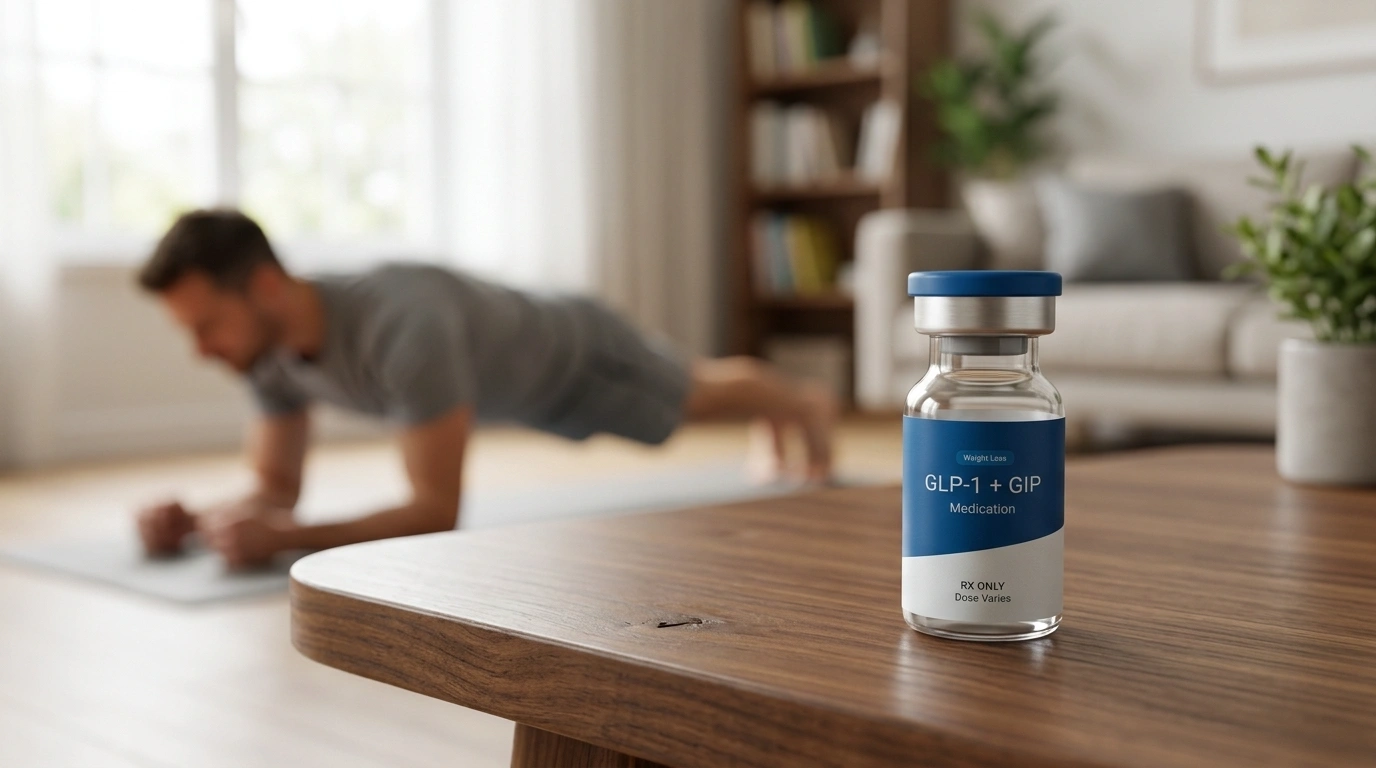
Unlike older weight loss medications, Zepbound® belongs to a class of drugs that mimic two different hormones in the body: glucagon-like peptide-1 (GLP-1) and glucose-dependent insulinotropic polypeptide (GIP). These “receptor agonists” work by signaling to the brain that you are full, slowing down the rate at which your stomach empties, and improving how your body responds to insulin.
Because it targets two hormonal pathways instead of one, Zepbound® has shown significant results in clinical trials, often helping patients lose a higher percentage of body weight than lifestyle changes alone.
Key Takeaway: Zepbound® is a highly regulated prescription medication that targets hormone receptors to reduce appetite, while berberine is a natural supplement that primarily influences metabolic enzymes.
Can You Take Berberine with Zepbound®?
The short answer is that while there is no documented direct drug-drug interaction that makes the combination strictly forbidden, you should never combine them without consulting your healthcare provider first. If you are comparing supplement combinations with prescription treatment, our berberine and tirzepatide guide offers a helpful reference point.
Current clinical evidence does not show a chemical conflict between berberine and tirzepatide. However, because both substances influence blood sugar and digestion, taking them together can lead to “additive effects.” This means the combination could potentially lower your blood sugar too much or make certain side effects more severe.
If you are considering using both, a provider-led approach is essential. Our platform connects you with licensed professionals who can evaluate your health profile through our free assessment quiz to determine if a prescription program is right for you and how your current supplements might fit into that plan.
Potential Risks of Combining Berberine and Zepbound®
Increased Risk of Hypoglycemia
The most significant concern when combining these two is the risk of hypoglycemia, or dangerously low blood sugar. Both Zepbound® and berberine are effective at lowering blood glucose levels. When used individually, they generally do not cause hypoglycemia in people who do not have diabetes.
However, when used together, their combined impact could drive blood sugar levels lower than intended. Symptoms of low blood sugar can include:
- Dizziness or lightheadedness
- Shaking or tremors
- Sudden sweating or chills
- Rapid heartbeat
- Confusion or irritability
Additive Gastrointestinal Side Effects
Both Zepbound® and berberine are known to cause gastrointestinal (GI) issues, especially when you first start taking them. Zepbound® slows down the digestive tract, which can lead to nausea, bloating, or constipation. Berberine can also cause upset stomach, cramping, or diarrhea in some individuals.
If you take them at the same time, you may find that these side effects are amplified. This can make it difficult to stay consistent with your treatment or lead to dehydration if vomiting or diarrhea becomes severe.
Changes in Absorption
Zepbound® works partly by delaying gastric emptying, which means food and oral supplements stay in your stomach longer. This delay can change how your body absorbs oral medications or supplements like berberine.
If the berberine is absorbed more slowly or less efficiently because of the slowed digestion caused by Zepbound®, you might not get the intended benefits of the supplement, or the timing of its effects might become unpredictable. If you are dealing with nausea during treatment, this GLP-1 support guide can help you think through next steps.
Quick Answer: While there is no known “hard” contraindication, taking berberine with Zepbound® increases the risk of low blood sugar and digestive upset. You must consult a doctor before mixing prescription GLP-1s with metabolic supplements.
How They Compare for Weight Loss
It is important to have realistic expectations when comparing a supplement to a prescription medication. While berberine is a popular alternative, the clinical outcomes are very different.
| Feature | Berberine (Supplement) | Zepbound® (Prescription) |
|---|---|---|
| Mechanism | Activates AMPK enzyme | Mimics GLP-1 and GIP hormones |
| Weight Loss Potential | Modest (average ~4.4 lbs in some studies) | Significant (up to 15–20%+ of body weight) |
| Regulation | Dietary Supplement (Not FDA-approved for weight loss) | FDA-approved for chronic weight management |
| Access | Over-the-counter | Requires a prescription from a licensed provider |
| Common Side Effects | Cramping, diarrhea, constipation | Nausea, vomiting, diarrhea, constipation |
The Role of Compounded Medications
For many people, the high demand and availability issues of branded medications like Zepbound® or Ozempic® make them difficult to access. This is where compounded options come into play. If you want to learn more about access pathways, where to get tirzepatide is a useful next read.
Compounded Semaglutide and Compounded Tirzepatide are medications prepared by specialized pharmacies. While these compounded versions are not FDA-approved, they are prepared in FDA-registered and inspected compounding pharmacies to meet the specific needs of a patient when a branded drug is in shortage or if a specific dosage is required.
At TrimRx, we connect our members with licensed providers who can prescribe these compounded options if they are medically appropriate. This ensures that you are receiving a treatment plan that is supervised by a professional, rather than trying to replicate the effects of a GLP-1 using only over-the-counter supplements like berberine.
How to Support Your Body While on Zepbound®
If your healthcare provider has cleared you to take supplements while on a GLP-1 or GIP medication, focus on those that support your overall wellness rather than those that try to “double up” on the weight loss mechanism.
Instead of searching for “nature’s Ozempic,” many individuals find success using targeted support supplements. For example, our GLP-1 Daily Support supplement is designed to provide the essential nutrients your body needs when your calorie intake decreases. Similarly, our Weight Loss Boost supplement can provide a foundation of vitamins and minerals to help maintain energy levels.
The goal should always be to complement your prescription treatment, not to compete with it. A well-rounded approach includes:
- Hydration: Drink plenty of water to help manage digestive side effects.
- Protein Intake: Prioritize protein to protect muscle mass during weight loss.
- Nutrient Density: Focus on whole foods to ensure you are getting enough vitamins even if your appetite is reduced.
- Professional Guidance: Regularly check in with your care team about how you are feeling.
Steps to Take Before Starting the Combination
If you are already taking berberine and are about to start a program through TrimRx or another provider, follow these steps to ensure your safety.
Step 1: Disclose All Supplements
During your initial telehealth consultation, list every vitamin, herb, and supplement you take. This includes berberine, multi-vitamins, and even “natural” tea blends. Your provider needs the full picture to assess potential risks.
Step 2: Monitor Your Blood Sugar
If your doctor approves the combination, pay close attention to how you feel. Keep a log of any moments where you feel shaky, dizzy, or unusually fatigued. This could be a sign that your blood sugar is dipping too low.
Step 3: Watch Your Digestion
Start with a lower dose of any new medication as directed by your provider. Adding too many changes at once can shock your digestive system. If you experience severe GI distress, contact your care team immediately.
Step 4: Prioritize the Prescription
In most clinical settings, the prescription medication will be the primary driver of your results. If the supplement is causing side effects that make it hard to stay on your prescription plan, your provider will likely suggest pausing the supplement. If you are ready to see whether treatment is the right fit, you can take the free assessment quiz as your next step.
Bottom line: Safety always comes before speed. A prescription weight loss program is a powerful tool on its own, and adding supplements like berberine should only be done under the watchful eye of a medical professional.
Why Personalized Care Matters
The temptation to self-prescribe supplements alongside powerful medications usually comes from a desire to see faster results. However, metabolic health is complex. What works for one person may cause significant issues for another.
We provide a telehealth-first platform where your journey is guided by licensed professionals. Instead of guessing which supplements to take, you get a program tailored to your health profile. To understand more about treatment access and support, you can also read how GLP-1 support fits into a weight loss plan.
Frequently Asked Questions (FAQ)
Is berberine a safe alternative to Zepbound®?
Berberine is a natural supplement that may offer modest metabolic benefits, but it is not a direct substitute for a prescription medication like Zepbound®. While some people call it “nature’s Ozempic,” the weight loss results seen with berberine in clinical studies are significantly lower than those seen with tirzepatide. It is best used as a general health supplement rather than a primary treatment for obesity.
Can I take berberine while waiting for my Zepbound® prescription?
You should check with a healthcare provider before starting berberine, even if you are not yet on a prescription medication. If you plan to transition to a GLP-1 or GIP treatment soon, your provider may advise you to stop taking berberine to avoid digestive complications or blood sugar issues during your onboarding phase. If you want help deciding whether to get started, you can take the free assessment quiz.
Will taking berberine make Zepbound® work faster?
There is no clinical evidence to suggest that berberine speeds up the weight loss effects of Zepbound®. Because Zepbound® is already highly effective at mimicking hormones that regulate weight, adding a supplement that works on a different metabolic pathway (AMPK) may not provide a noticeable boost and could instead increase your risk of side effects.
What are the signs that I shouldn’t mix these two?
If you combine berberine with Zepbound® and experience extreme nausea, frequent diarrhea, cold sweats, or fainting spells, you should stop the supplement and contact your healthcare provider immediately. These symptoms can indicate that your digestive system is overloaded or your blood sugar has dropped to an unsafe level.
Conclusion
The intersection of natural supplements and modern medicine is an exciting area of health, but it must be navigated with caution. While berberine offers intriguing metabolic benefits, combining it with a powerful medication like Zepbound® requires professional oversight to avoid risks like hypoglycemia and severe digestive distress. Our mission at TrimRx is to help you reach your goals through a transparent, science-backed approach that prioritizes your long-term health over quick fixes. By combining personalized clinical programs with modern technology, we ensure you have the support and expertise needed for a safe, sustainable transformation. If you are ready to see if a medically supervised program is the right next step for you, we invite you to take our free assessment quiz and begin your journey today.
Disclaimer: This content is for informational purposes only and does not constitute medical advice. It is not intended to diagnose, treat, cure, or prevent any disease or condition. Individual results may vary. Always consult a qualified healthcare professional before starting any weight loss program or medication.

Transforming Lives, One Step at a Time
Keep reading

Why Is There a Bruise Where I Injected My Zepbound?
A bruise means a small blood vessel was disturbed under the skin and blood spread into the surrounding tissue. It is one of the…

My Zepbound Pen Won’t Click Past a Certain Dose
Start by checking which device you are holding, because the answer depends entirely on that. Zepbound has commonly been supplied in the United States…

Zepbound Alternatives: Your Options Compared
If Zepbound isn’t the right fit, the main alternative is semaglutide (sold as Wegovy), which produces slightly less weight loss but works similarly, along…


