What Medications Should Not Be Taken With Zepbound
Introduction
Starting a new medical weight loss treatment is a significant milestone on your health journey. It often comes with a mix of excitement and a long list of questions. One of the most common concerns for those starting Zepbound® (tirzepatide) is how it might interact with their current prescriptions or daily supplements. Understanding these interactions is not just about safety; it is about ensuring that every medication you take works as intended.
At TrimRx, we believe that personalized care is the foundation of a successful weight loss experience. If you want to see whether a personalized program may be a fit for you, you can complete the free assessment quiz. Because Zepbound affects how your body processes everything you ingest, it is vital to have a clear picture of potential drug-drug interactions. This article covers the specific classes of medications that may require caution, dose adjustments, or additional monitoring when taken alongside this treatment. Our goal is to help you navigate your program with confidence and clarity.
How Zepbound Affects Other Medications
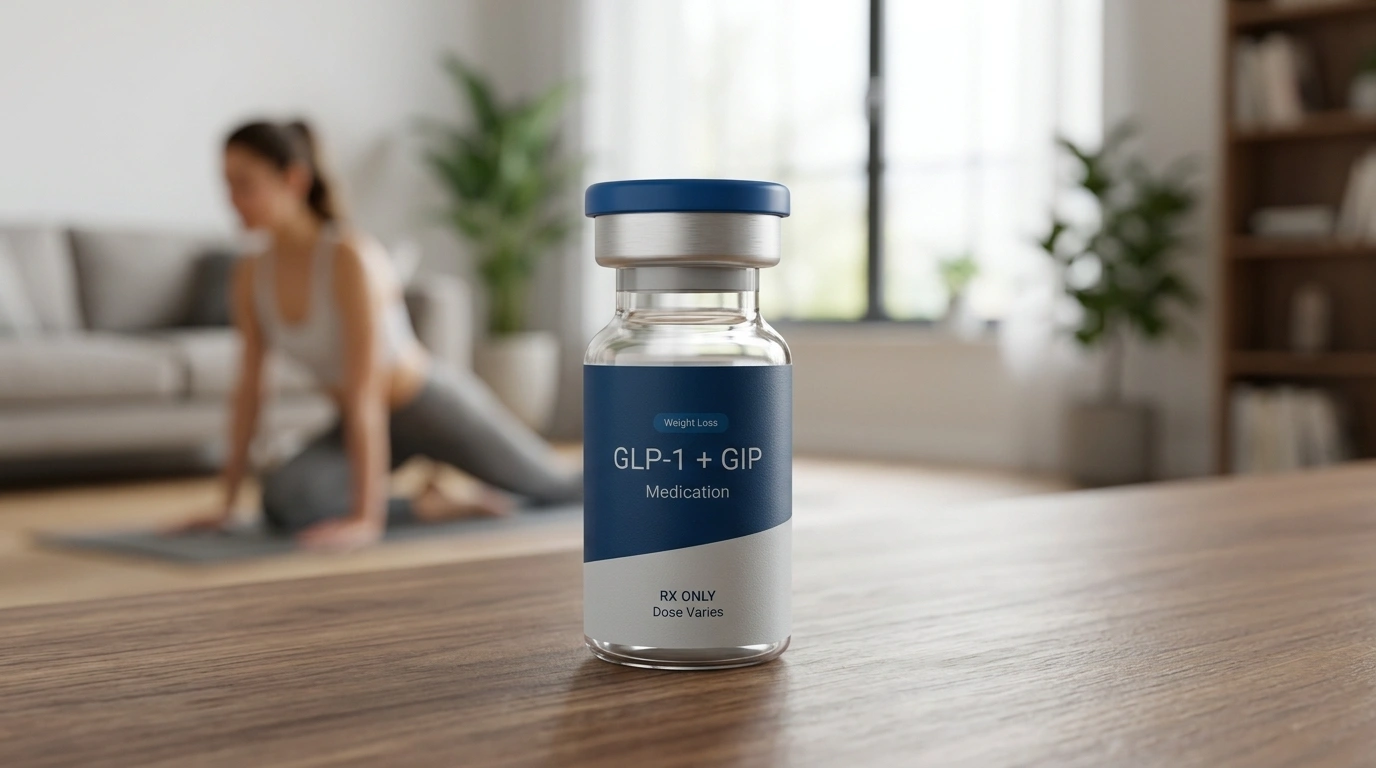
To understand why certain medications should not be taken with Zepbound, or why they require adjustment, we must first look at how the drug works in the body. Zepbound is a dual GIP (glucose-dependent insulinotropic polypeptide) and GLP-1 (glucagon-like peptide-1) receptor agonist. These are hormones that naturally occur in your body to regulate appetite and blood sugar.
One of the primary ways Zepbound helps with weight loss is by slowing down gastric emptying. This is the process where food and medicine move from the stomach into the small intestine. By slowing this process, you feel full longer, which helps reduce overall calorie intake. However, this same mechanism can change how your body absorbs oral medications.
For a broader look at how this hormone class works, see our guide on what GLP-1 does in weight management. When a drug stays in your stomach longer than expected, it may be absorbed more slowly or less completely. For some medications, this delay is minor. For others—especially those that need to reach a specific level in your blood quickly—it can be a significant issue.
Quick Answer: Zepbound may interact with oral birth control, insulin, and sulfonylureas. Because it slows digestion, it can also affect the absorption of almost any medication taken by mouth. Always provide a full list of your current medications to your healthcare provider before starting treatment.
Oral Birth Control and Hormonal Contraceptives
One of the most critical interactions involves oral contraceptives, commonly known as birth control pills. Because Zepbound slows the rate at which the stomach empties, the absorption of the hormones in birth control pills may be compromised. This is particularly true when you first start the medication or when your provider increases your dosage.
A decrease in hormone absorption can lead to a lower level of the medication in your bloodstream, potentially making it less effective at preventing pregnancy. This interaction is unique to oral medications; it typically does not apply to non-oral forms of birth control, such as the skin patch, vaginal ring, or an intrauterine device (IUD).
Recommendations for Birth Control
If you rely on oral contraceptives, your healthcare provider may suggest the following steps:
- Switching to a non-oral contraceptive method before starting the program.
- Using a backup barrier method, such as condoms, for at least four weeks after starting treatment.
- Using a backup barrier method for four weeks after every dose increase.
Medications for Type 2 Diabetes
While Zepbound is specifically approved for chronic weight management, many individuals using it also manage type 2 diabetes. Because Zepbound is highly effective at lowering blood sugar, taking it alongside other glucose-lowering medications can increase the risk of hypoglycemia, or dangerously low blood sugar.
Insulin and Sulfonylureas
Medications that prompt the body to release more insulin—such as sulfonylureas (glipizide, glyburide, glimepiride) and meglitinides (repaglinide, nateglinide)—carry the highest risk. When combined with Zepbound, these drugs can cause blood sugar levels to drop too low, too quickly.
Insulin itself is another major consideration. If you are currently using any form of insulin, your healthcare provider will likely need to adjust your dosage to prevent hypoglycemic events.
If you want more detail on how tirzepatide can affect other prescriptions, our article on tirzepatide drug interactions is a helpful companion read. When combined with Zepbound, these drugs can cause blood sugar levels to drop too low, too quickly.
Key Takeaway: Combining Zepbound with insulin or sulfonylureas significantly increases the risk of low blood sugar. Dosage adjustments and frequent monitoring are often required during the initial stages of treatment.
Symptoms of Low Blood Sugar to Watch For
If you are taking these medications together, it is important to recognize the signs of hypoglycemia:
- Dizziness or lightheadedness
- Shaking or tremors
- Sudden sweating or chills
- Confusion or irritability
- Rapid heartbeat
- Intense hunger
Narrow Therapeutic Index Drugs
Some medications are classified as having a “narrow therapeutic index.” This means that the difference between a dose that is effective and a dose that is toxic is very small. Because Zepbound alters how quickly these drugs enter your system, even a slight change in absorption can be problematic.
Warfarin (Jantoven®)
Warfarin is a blood thinner used to prevent clots. Its effectiveness is measured by a lab test called the INR (International Normalized Ratio). Because Zepbound can delay the absorption of warfarin, it may cause your INR levels to fluctuate. If you are on warfarin, your provider will likely order more frequent blood tests when you start or change your dose of Zepbound.
Digoxin and Cyclosporine
Digoxin (used for heart conditions) and cyclosporine (an immunosuppressant) also have narrow therapeutic ranges. Any change in the speed of digestion can affect how much of these drugs your body absorbs. Patients on these medications require close supervision and potential blood level monitoring to ensure the drugs remain at a safe and effective level.
Common Over-the-Counter Medications
Many people assume that over-the-counter (OTC) drugs are “safe” to mix with any prescription, but that is not always the case. Even common pain relievers and digestive aids can be affected by the slow gastric emptying caused by Zepbound.
Pain Relievers (NSAIDs)
Non-steroidal anti-inflammatory drugs (NSAIDs) like ibuprofen or naproxen can sometimes irritate the stomach lining. Because Zepbound keeps these medications in the stomach for a longer duration, some individuals may experience increased stomach upset or a higher risk of irritation. Furthermore, the timing of pain relief might be delayed, meaning an aspirin or ibuprofen tablet might take much longer than usual to start working.
Oral Antibiotics
If you develop an infection and are prescribed a course of oral antibiotics, the delay in gastric emptying might affect how quickly the antibiotic reaches the site of the infection. In some cases, your provider may need to monitor your response to the antibiotic more closely to ensure it is working effectively despite the slower absorption.
Lifestyle Substances and Supplements
What you put into your body isn’t limited to prescriptions. Alcohol, caffeine, and herbal supplements can all interact with your treatment.
Alcohol Consumption
There is no known direct chemical interaction between Zepbound and alcohol. However, alcohol can cause or worsen many of the same side effects associated with Zepbound, such as nausea, vomiting, and dehydration.
Additionally, alcohol can lower blood sugar, which adds another layer of risk for those already prone to hypoglycemia. Most providers recommend limiting alcohol consumption while on a weight loss program to minimize side effects and support overall health goals.
Herbal Supplements and Vitamins
While there are no specific reported interactions with vitamins, some herbal supplements that affect blood sugar or digestion should be used with caution. Supplements like fenugreek, ginseng, or bitter melon may have mild blood-sugar-lowering effects. When combined with a potent GIP/GLP-1 agonist, they could contribute to unexpected dips in glucose levels.
Myth: You can’t take any supplements while on Zepbound. Fact: Many vitamins and minerals are perfectly safe. In fact, we often recommend targeted support like GLP-1 Daily Support to help manage common side effects. The key is to discuss every supplement with your healthcare team to ensure there are no hidden risks.
Medical Conditions and Contraindications
Sometimes, it isn’t another pill that causes the issue, but an underlying medical condition. These are known as contraindications—situations where a medication should not be used because it may be harmful to the person.
Thyroid Health Warning
Zepbound carries a boxed warning from the FDA regarding the risk of thyroid C-cell tumors. This warning is based on observations in animal studies. While it is not yet known if this risk applies to humans, Zepbound should not be used by anyone with:
- A personal or family history of medullary thyroid carcinoma (MTC).
- Multiple Endocrine Neoplasia syndrome type 2 (MEN 2).
Pancreatitis and Kidney Health
If you have a history of pancreatitis (inflammation of the pancreas), you should discuss this with your provider. While not a strict contraindication for everyone, it requires a careful risk-benefit analysis.
Furthermore, because Zepbound can cause severe gastrointestinal side effects like vomiting and diarrhea, there is a risk of dehydration. This dehydration can lead to or worsen kidney problems. People with pre-existing kidney disease must be monitored closely to ensure they remain hydrated.
Managing Interactions with TrimRx
Navigating the complexities of drug interactions can feel overwhelming, but you do not have to do it alone. The TrimRx platform is designed to prioritize your safety through every step of the process. Our approach ensures that your health history and current medication list are reviewed by licensed professionals before any treatment begins.
If you are ready to take the next step, you can see if you qualify for a personalized program. This allows our clinical partners to identify potential interactions early. We emphasize transparency and personalized care because we know that weight loss is more than just a number on a scale—it is about your total well-being.
By choosing a telehealth-first program, you get 24/7 access to a team that understands the nuances of GLP-1 and GIP medications. Whether you have questions about a new supplement or need guidance on timing your birth control, our specialists are available to provide science-backed support.
For a closer look at the virtual care process, our post on telehealth weight loss getting started in Texas walks through how online treatment can work. By choosing a telehealth-first program, you get 24/7 access to a team that understands the nuances of GLP-1 and GIP medications.
Step-by-Step: Preparing for Your Consultation
To ensure your treatment is safe and effective, follow these steps before starting your program.
Step 1: Create a Master List Write down every prescription, over-the-counter drug, vitamin, and herbal supplement you currently take. Include the dosage and how often you take them.
Step 2: Note Your Medical History Be ready to discuss any history of thyroid issues, pancreatitis, kidney disease, or stomach problems like gastroparesis.
Step 3: Complete the Assessment Take the TrimRx assessment quiz honestly. This is the primary tool our providers use to ensure Zepbound or an equivalent compounded medication is appropriate for you.
Step 4: Ask About Timing If you take oral medications that must be absorbed quickly (like certain pain or seizure meds), ask your provider if you should change the timing of your doses relative to your weekly injection.
Side Effects vs. Interactions
It is important to distinguish between a drug interaction and a common side effect. Many people experience nausea, diarrhea, or stomach pain when starting Zepbound. These are often expected side effects of the medication itself, not necessarily a sign that it is “clashing” with another drug.
If you are looking for more practical insight into what people commonly experience, our guide to tirzepatide side effects is a useful read. However, if these side effects prevent you from taking your other necessary medications—for example, if you are vomiting and cannot keep down your heart medication—this becomes a clinical issue. In such cases, you should contact your healthcare provider immediately.
Bottom line: While side effects like nausea are common, any symptom that interferes with your regular medication schedule needs professional attention to prevent complications.
Conclusion
Understanding what medications should not be taken with Zepbound is a vital part of responsible weight management. While the list of absolute “no-go” medications is relatively short, the list of drugs requiring caution and monitoring is more extensive. From birth control and insulin to blood thinners and common NSAIDs, the way Zepbound slows your digestion changes the rules of how your body processes medicine.
Our mission at TrimRx is to simplify this journey. We provide a science-backed, empathetic environment where your safety is the highest priority. If you are ready to move forward, you can complete the free assessment quiz and take the first step toward a personalized plan. By merging clinical expertise with a personalized telehealth platform, we ensure that your weight loss program is tailored specifically to your unique health profile.
If you want a broader look at how GLP-1 treatment fits into weight management, our article on GLP-1 side effects in 2026 can help set expectations. By taking our assessment, you can begin a journey supported by specialists who are dedicated to your long-term success and safety.
FAQ
Does Zepbound interact with antidepressants?
There are no major known contraindications between Zepbound and common antidepressants like SSRIs or SNRIs. However, because Zepbound slows gastric emptying, the absorption rate of your antidepressant might change slightly. It is important to monitor your mood and discuss any changes with your healthcare provider, as they may want to adjust the timing of your dose.
Can I take ibuprofen with Zepbound?
Yes, you can generally take ibuprofen, but you should be cautious. Because Zepbound keeps the ibuprofen in your stomach longer, it may take more time to feel pain relief, and there is a slightly higher risk of stomach irritation. If you have a history of stomach ulcers or sensitive digestion, check with your doctor before using NSAIDs frequently.
Do I need to stop birth control while on Zepbound?
You do not need to stop birth control, but you may need to change how you use it. Oral birth control pills may be less effective due to slower absorption, especially during the first month of treatment and after dose increases. Most providers recommend using a backup barrier method like condoms or switching to a non-oral option like an IUD or a patch.
Is it safe to drink alcohol while using Zepbound?
Moderate alcohol consumption is generally not prohibited, but it should be approached with caution. Alcohol can worsen the gastrointestinal side effects of Zepbound, such as nausea and vomiting, and can increase the risk of dehydration or low blood sugar. Many patients find that their tolerance for alcohol changes while on the medication, so it is best to start with very small amounts.
For more guidance on starting treatment and eligibility, you can also take the free assessment quiz.
Disclaimer: This content is for informational purposes only and does not constitute medical advice. It is not intended to diagnose, treat, cure, or prevent any disease or condition. Individual results may vary. Always consult a qualified healthcare professional before starting any weight loss program or medication.

Transforming Lives, One Step at a Time
Keep reading

Why Is There a Bruise Where I Injected My Zepbound?
A bruise means a small blood vessel was disturbed under the skin and blood spread into the surrounding tissue. It is one of the…

My Zepbound Pen Won’t Click Past a Certain Dose
Start by checking which device you are holding, because the answer depends entirely on that. Zepbound has commonly been supplied in the United States…

Zepbound Alternatives: Your Options Compared
If Zepbound isn’t the right fit, the main alternative is semaglutide (sold as Wegovy), which produces slightly less weight loss but works similarly, along…


