Can You Take 2 2.5 Zepbound to Make 5mg Safely?
Introduction
Standing in front of the refrigerator with two 2.5 mg Zepbound® pens while your prescription has just been moved up to 5 mg is a common situation. Perhaps you have leftover medication from your first month, or maybe a supply shortage has made the 5 mg pens difficult to find at your local pharmacy. At TrimRx, we understand that navigating the logistics of GLP-1 medications can be just as challenging as the lifestyle changes themselves. The question of whether you can take 2 2.5 Zepbound to make 5mg is one of the most frequent queries for those on a weight loss journey. While the math seems simple—two 2.5 mg doses equal 5 mg—applying this to a clinical setting requires a deeper understanding of safety, pen mechanics, and medical guidance. This article explores the clinical considerations of doubling up doses and how to manage your titration schedule safely.
The Science of the 2.5mg and 5mg Doses
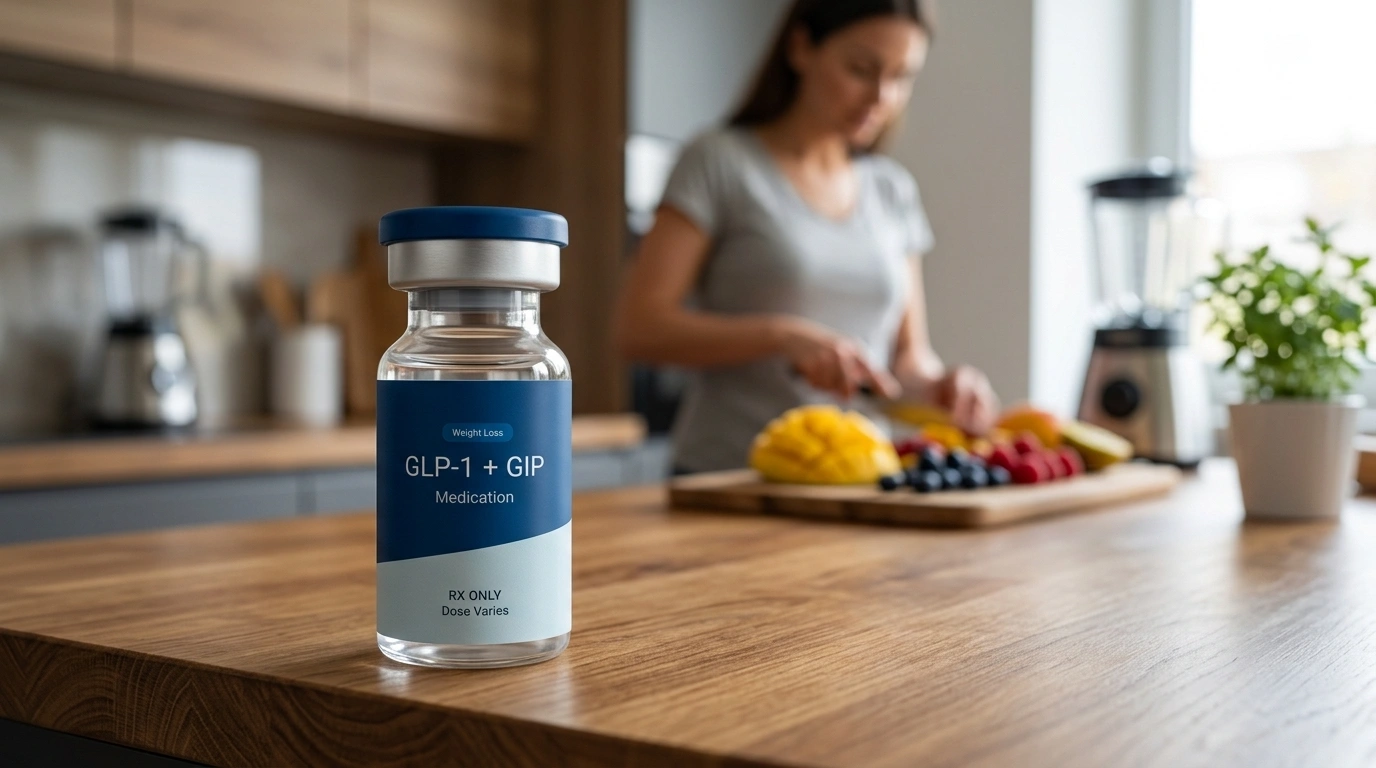
Zepbound® is a brand-name medication containing the active ingredient tirzepatide. Tirzepatide is a dual agonist, meaning it mimics two different hormones in the body. It targets the glucagon-like peptide-1 (GLP-1) receptor and the glucose-dependent insulinotropic polypeptide (GIP) receptor. These receptors help regulate appetite, slow stomach emptying, and improve how your body processes sugar and fat.
When you start this medication, you do not begin at the highest strength. Instead, you follow a titration schedule. Titration is the process of gradually increasing the amount of medicine you take. This allows your body to get used to the hormones and helps reduce the chance of severe side effects.
For a broader overview of the available strengths and dose conversions, review this tirzepatide dosage chart.
The Initiation Phase
The 2.5 mg dose is officially categorized as an “initiation dose.” Its primary job is to introduce tirzepatide to your metabolic system. For most people, this dose is taken once a week for the first four weeks. While some individuals may notice weight loss during this month, the 2.5 mg strength is not intended for long-term weight maintenance. It is a stepping stone to prepare your digestive tract for the higher concentrations to come.
Moving to Maintenance
After the first four weeks, the standard clinical recommendation is to move up to the 5 mg dose. This is often the first “maintenance dose” where more significant weight loss results are typically observed in clinical trials. Moving from initiation to maintenance is a major milestone in a weight loss program. It signals that your body has tolerated the starting amount and is ready for a more therapeutic level of medication.
Quick Answer: Mathematically, two 2.5 mg pens equal 5 mg of medication. However, you should only combine doses if your healthcare provider has already prescribed the 5 mg dose and specifically authorized you to use two lower-dose pens due to supply issues or leftover stock.
If you are evaluating whether a medically supervised program may be appropriate for you, you can complete a free eligibility assessment.
Can You Take 2 2.5 Zepbound to Make 5mg?
The short answer is that yes, the active ingredient in two 2.5 mg pens is exactly the same as the active ingredient in one 5 mg pen. However, the process of administering two injections instead of one carries extra considerations. You should never decide to double your dose on your own. Clinical supervision is essential for every step of this journey.
The Provider’s Role
A licensed healthcare provider must oversee your dosage changes. If you have 2.5 mg pens left over but your prescription has been increased to 5 mg, your doctor may give you the green light to use them up. This is common when there are delays in getting the 5 mg boxes. However, if your doctor has kept you on the 2.5 mg dose because of side effects or other health concerns, taking two pens at once would be a violation of your treatment plan and could put your health at risk.
A detailed Zepbound dosing and titration guide can help explain how dose changes are typically structured.
The Issue of Supply Shortages
One of the main reasons patients ask about doubling up is the “pharmacy hunt.” Because GLP-1 and GIP medications are in high demand, certain strengths often go out of stock. If a pharmacy has the 2.5 mg strength but is backordered on the 5 mg strength, patients sometimes wonder if they can just buy two boxes of the lower dose.
This often involves insurance complications. Most insurance plans have “quantity limits,” meaning they only cover one box (four pens) per month. Getting coverage for two boxes of a lower dose to satisfy one month of a higher dose usually requires a special override from the insurance company and the prescribing physician.
Practical Steps for Administering Two Injections
If your provider has authorized you to use two 2.5 mg pens to reach your 5 mg dose, you are essentially performing two separate medical procedures in one sitting. This requires attention to detail to ensure the medication is absorbed correctly and your skin remains healthy.
Site Rotation Techniques
Zepbound® is administered as a subcutaneous injection, which means it goes into the fatty tissue just under the skin. Common sites include the abdomen, the thigh, or the back of the upper arm.
For more guidance, see this complete guide to GLP-1 injection sites.
When taking two injections, you must rotate your sites. Do not put both needles into the exact same spot. This can cause localized tissue irritation, bruising, or a condition called lipodystrophy, which is a localized buildup or loss of fat.
- Option 1: Inject the first pen on the left side of your abdomen and the second pen on the right side.
- Option 2: Inject the first pen in your thigh and the second in your abdomen.
- Option 3: If injecting in the same general area, stay at least two inches away from the first injection site.
You can also review these injection site rotation techniques for tirzepatide for additional guidance.
Timing Your Doses
If you are using two pens to make a 5 mg dose, you should administer them one right after the other. Do not wait several days between the two 2.5 mg injections. The goal is to reach the 5 mg concentration in your bloodstream at the same time. Splitting the dose across different days of the week would lead to inconsistent hormone levels and may reduce the effectiveness of the treatment.
Key Takeaway: Always use a fresh injection site for each pen. If using two pens for one dose, administer them back-to-back in different locations to ensure proper absorption and skin health.
Understanding Tirzepatide: A Dual-Action Approach
To understand why the dosage matters, it helps to know how the medicine works in your body. As a dual agonist, tirzepatide targets both GLP-1 and GIP.
- GLP-1 (Glucagon-like Peptide-1): This hormone focuses on the brain’s satiety centers. It tells your brain you are full and slows down gastric emptying. This keeps food in your stomach longer, which helps you feel satisfied with smaller portions.
- GIP (Glucose-dependent Insulinotropic Polypeptide): This hormone plays a role in how the body handles fat and sugar. It may help improve insulin sensitivity and change how fat cells store energy.
When you move from 2.5 mg to 5 mg, you are doubling the activation of these receptors. This is a significant jump for your metabolic system. This is why the four-week lead-in period is so important. If you were to jump straight to 5 mg without the 2.5 mg initiation phase, your body might react poorly to the sudden hormonal shift.
Managing Side Effects During Dosing Changes
Moving up to the 5 mg dose—whether you use one pen or two—is the time when many people first experience noticeable side effects. Because the medication slows down digestion, the most common issues are gastrointestinal.
For more information about what to expect, read this guide to tirzepatide side effects and management.
Common Gastrointestinal Reactions
Most side effects are mild to moderate and tend to decrease over time as your body adjusts. Common symptoms include:
- Nausea: This is the most frequently reported side effect. It often occurs in the day or two following the injection.
- Diarrhea or Constipation: Changes in digestion speed can swing your bowel movements in either direction.
- Abdominal Pain: Some people feel a sense of fullness or mild cramping.
- Vomiting: This is less common but can happen if the dose is too high or if you eat too much while on the medication.
If you are using two 2.5 mg pens to reach 5 mg, the risk of side effects is the same as using a single 5 mg pen. However, the psychological stress of taking two injections might make you more sensitive to how you feel. It is important to stay hydrated and eat small, bland meals during the transition days.
When to Seek Medical Guidance
While mild nausea is common, some symptoms require immediate contact with a healthcare provider. If you experience severe abdominal pain that radiates to your back, persistent vomiting that prevents you from keeping fluids down, or signs of an allergic reaction (such as hives or swelling), seek medical help. These could be signs of more serious conditions like pancreatitis or gallbladder issues.
The Alternative: Personalized Programs and Compounded Options
For many people, the stress of brand-name shortages and the confusion of doubling up on pens is a major hurdle. This is where personalized telehealth programs can provide a more consistent path.
At TrimRx, we connect you with licensed providers who can evaluate your health history and goals through a free assessment quiz. Our program focuses on a telehealth-first approach, meaning you don’t have to deal with waiting rooms or pharmacy lines.
One common way we help patients avoid the “shortage hunt” is by providing access to compounded medications. We work with FDA-registered and inspected compounding pharmacies to provide compounded tirzepatide and compounded semaglutide.
Note: Compounded medications are not FDA-approved. However, they are prepared by licensed pharmacies to meet specific patient needs, often providing a more reliable supply when brand-name medications like Zepbound® are unavailable.
Our programs are designed to be transparent. We include the provider consultation, lab work, the medication itself, and shipping in one consistent program. There are no hidden fees, even when your dosage changes. This allows you to focus on your health rather than the logistics of finding your next pen.
Preparing for Your Next Dose
Whether you are sticking with your current dose or moving up, preparation is key to a successful experience. Here is a quick checklist for your next injection day:
- Check the Date: Always verify that your pens are not expired.
- Temperature Matters: Zepbound® should be stored in the refrigerator. You can let the pen sit at room temperature for about 30 minutes before injecting to make the experience more comfortable, but never use heat to warm it up.
- Hydrate: Drink plenty of water the day before and the day of your injection.
- Protein First: Focus on getting enough protein in your meals to help maintain muscle mass while you lose weight.
- Record Everything: Keep a simple log of which site you used and any side effects you felt. This information is invaluable for your next telehealth consultation.
A step-by-step GLP-1 injection guide offers additional instruction on preparing for injection day.
Why You Should Not Self-Adjust Your Dosage
It is tempting to think that if 2.5 mg is good, 5 mg must be better, and maybe taking them early will speed up results. This is a dangerous misconception. The weight loss journey is a marathon, not a sprint.
The clinical trials for tirzepatide were carefully designed to find the “sweet spot” where patients lose the most weight with the fewest complications. When you self-adjust—by taking two pens before you are prescribed to or by changing your injection schedule—you are stepping outside of that proven safety framework.
Taking too much medication too soon can lead to “gastroparesis,” which is a severe slowing of the stomach that can require medical intervention. It can also cause your blood sugar to drop too low, especially if you are taking other medications. Always stick to the plan created by your healthcare provider.
The TrimRx Mission
Our goal at TrimRx is to simplify the complex world of modern weight loss. We believe that everyone deserves access to science-backed treatments delivered with empathy and transparency. By merging clinical expertise with a modern telehealth platform, we help you navigate the challenges of medication management and lifestyle changes. We are here to support your metabolic health journey every step of the way.
Conclusion
Can you take 2 2.5 Zepbound to make 5mg? Yes, it is physically and mathematically possible, but it should only be done under the direct guidance of a healthcare professional. Whether you are dealing with leftover pens or navigating a national shortage, your safety must come first. Using two pens requires careful site rotation and consistent timing. If you are tired of the pharmacy search or the confusion of branded pen dosing, a personalized program might be the right next step for you. We are ready to help you find a sustainable, medically supervised path to your goals.
- Consult your provider before changing your dose or combining pens.
- Rotate injection sites to prevent skin irritation and ensure absorption.
- Stay consistent with your weekly schedule to maintain hormone levels.
- Consider a personalized program to avoid the stress of medication shortages.
The next step in your journey is just a few clicks away. You can take the free assessment quiz to see which personalized program is the best fit for your health profile.
FAQ
Can I take two 2.5 mg Zepbound injections at different times in the week?
No, you should not split the dose across different days. If your goal is to reach a 5 mg dose, both 2.5 mg injections should be administered during the same session to ensure the correct concentration in your bloodstream.
Does taking two 2.5 mg pens cause more side effects than one 5 mg pen?
The amount of active medication (tirzepatide) is the same, so the systemic side effects like nausea or diarrhea should be similar. However, because you are using two needles, you may experience more localized site reactions like redness or bruising.
Can I use a 2.5 mg pen if I missed my 5 mg dose?
You should consult your healthcare provider if you miss a dose. While a 2.5 mg pen is better than nothing in some clinical views, your doctor will tell you whether to take the lower dose or wait until your 5 mg supply is available. This guide to injecting GLP-1 medications also discusses missed-dose questions and weekly scheduling.
What should I do if I have 2.5 mg pens left over but my doctor moved me to 5 mg?
Contact your prescribing doctor or telehealth provider. They will often give you instructions on how to use your remaining 2.5 mg pens safely so that you do not waste medication while transitioning to your new dose. If you are considering a supervised treatment plan, you can find out if you qualify for a personalized program.
Disclaimer: This content is for informational purposes only and does not constitute medical advice. It is not intended to diagnose, treat, cure, or prevent any disease or condition. Individual results may vary. Always consult a qualified healthcare professional before starting any weight loss program or medication.

Transforming Lives, One Step at a Time
Keep reading

Why Is There a Bruise Where I Injected My Zepbound?
A bruise means a small blood vessel was disturbed under the skin and blood spread into the surrounding tissue. It is one of the…
My Zepbound Pen Won’t Click Past a Certain Dose
Start by checking which device you are holding, because the answer depends entirely on that. Zepbound has commonly been supplied in the United States…
Zepbound Alternatives: Your Options Compared
If Zepbound isn’t the right fit, the main alternative is semaglutide (sold as Wegovy), which produces slightly less weight loss but works similarly, along…


