Can You Take Zepbound with Ulcerative Colitis?
Introduction
Living with ulcerative colitis often means navigating a complex relationship with your body and your diet. You may have found that traditional weight loss methods feel nearly impossible when you are also managing chronic gut inflammation and unpredictable symptoms. The rise of highly effective weight loss medications like Zepbound® has sparked a significant question for the IBD community: is this safe for someone with a sensitive digestive system? At TrimRx, we believe that managing your weight should not come at the expense of your digestive health. This post covers the safety considerations, potential benefits, and clinical research regarding the use of tirzepatide for those with ulcerative colitis. Current evidence suggests that many individuals can safely use these medications, provided they are in clinical remission and working closely with a medical team.
If you are considering whether a personalized prescription program may fit your health profile, you can complete a free eligibility assessment.
Understanding Zepbound and Its Role in the Body
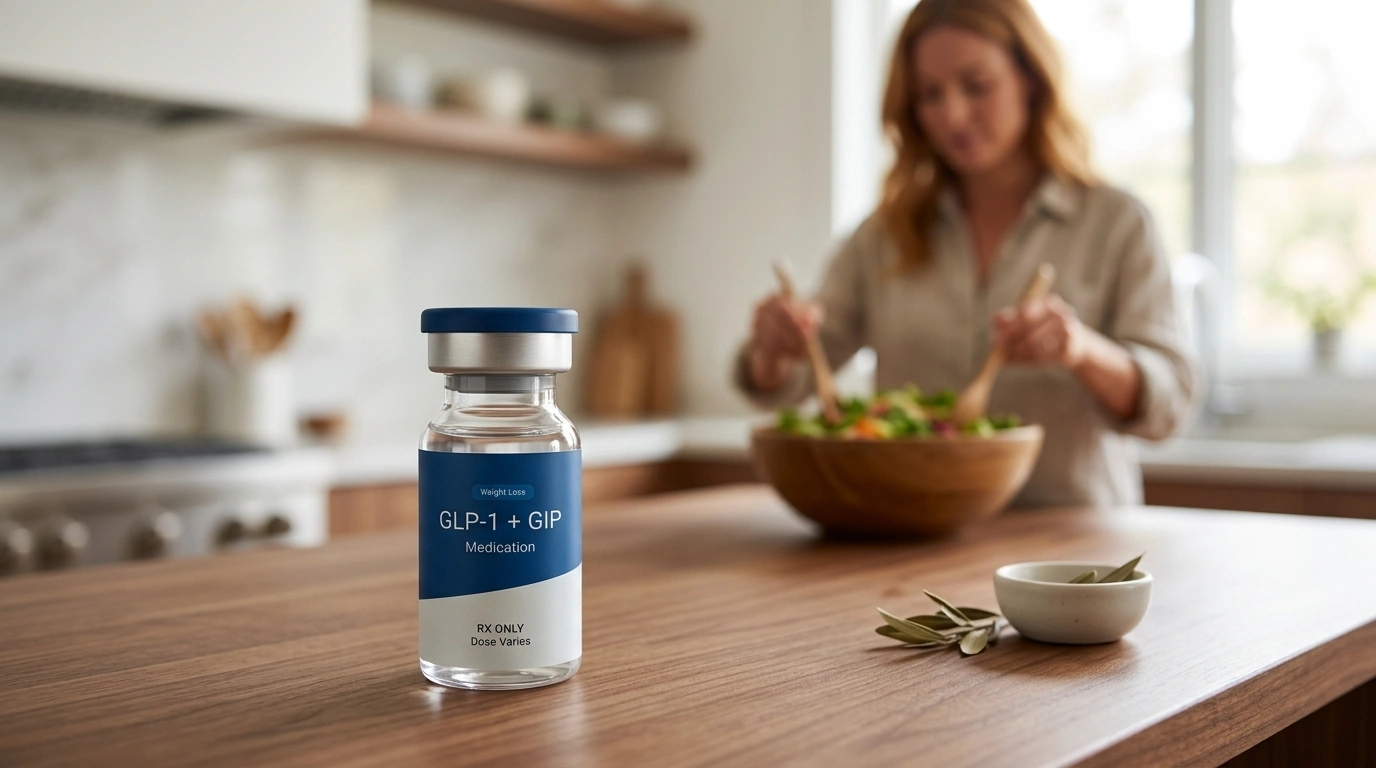
Zepbound® is a brand-name medication that contains the active ingredient tirzepatide. It belongs to a class of drugs known as GLP-1 and GIP receptor agonists. These acronyms stand for glucagon-like peptide-1 and glucose-dependent insulinotropic polypeptide. In plain English, these are hormones your body naturally produces to manage hunger and blood sugar.
When you take this medication, it mimics these hormones to signal your brain that you are full. It also slows down the rate at which your stomach empties. This process helps you feel satisfied with smaller portions of food. While originally developed to manage type 2 diabetes under the brand name Mounjaro®, the specific version known as Zepbound® is FDA-approved for chronic weight management.
For a broader explanation of how tirzepatide affects appetite, digestion, and fullness, read this guide to how tirzepatide works in the body.
For someone with ulcerative colitis (UC), the way a medication affects the gut is the primary concern. UC is an inflammatory bowel disease that causes sores and inflammation in the lining of the large intestine. Because tirzepatide directly impacts gut motility (the movement of food through the digestive tract), patients often wonder if it will irritate their condition.
Is It Safe to Take Zepbound with Ulcerative Colitis?
The short answer for most patients is yes, but the timing of when you start the medication is critical. Clinical consensus generally suggests that patients with UC should be in a state of clinical remission before starting a GLP-1 or GIP medication. Remission means your disease is not currently active, and you are not experiencing a “flare” of symptoms like bleeding, severe cramping, or frequent diarrhea.
Medical providers are often cautious because the common side effects of weight loss injections can look very similar to a UC flare. These include nausea, vomiting, stomach pain, and changes in bowel habits. If your UC is active, it becomes very difficult for your doctor to tell if you are reacting to the medication or if your disease is worsening.
Key Takeaway: Most medical professionals recommend that your ulcerative colitis be in clinical and endoscopic remission before you begin treatment with a weight loss medication like tirzepatide.
For additional context about using tirzepatide when ulcerative colitis is present, review this ulcerative colitis and tirzepatide safety guide.
Research into this area is still growing, but existing data is reassuring. Studies have not shown that these medications cause UC to flare or worsen. In fact, some retrospective studies suggest that patients on GLP-1 medications may actually have fewer complications related to their IBD over time.
The Connection Between Obesity and Inflammation
It might seem counterintuitive, but weight loss can be a powerful tool for managing ulcerative colitis. Obesity is a pro-inflammatory state. This means that excess fat tissue, especially around the midsection, releases chemicals called cytokines that promote inflammation throughout the entire body.
For a patient with UC, this extra inflammation can act like fuel on a fire. It can make the immune system more reactive and potentially make UC symptoms harder to control. By reducing weight through a structured program, you may actually reduce the overall inflammatory load on your body.
For a deeper look at the relationship between GLP-1 medications and systemic inflammation, explore this overview of GLP-1 medications and inflammation.
Some researchers believe that medications like Zepbound® may offer a dual benefit. They help with weight loss, which reduces systemic inflammation. At the same time, the medication itself may have direct anti-inflammatory effects on the lining of the gut. While more human trials are needed to confirm this, animal studies have shown that these hormones can help protect the intestinal barrier.
Potential Benefits for Ulcerative Colitis Patients
Beyond simple weight loss, there are several reasons why a personalized weight loss program might be beneficial for someone with UC.
- Reduction in Systemic Inflammation: Lowering your body fat percentage can decrease the levels of C-reactive protein (CRP) and other markers of inflammation.
- Improved Medication Response: Some studies suggest that biologics used to treat UC may work more effectively in patients who are at a healthy weight.
- Gut Health Support: Some patients report that the slowing of gastric emptying helps reduce the frequency of bowel movements, which can be a relief for those used to urgency.
- Metabolic Health: Improving insulin sensitivity and blood sugar levels supports overall health, making it easier for the body to manage chronic illness.
Our approach focuses on these broader health goals. We provide access to personalized programs that account for your specific medical history. This ensures that weight loss is handled with the care your digestive system requires.
Managing Common Side Effects
If you decide to move forward with a weight loss medication, you must be prepared for potential side effects. These are usually mild to moderate, but they require careful management when you have a history of UC.
Nausea and Vomiting
Nausea is the most reported side effect. To manage this, we recommend eating smaller, more frequent meals. Avoid high-fat or greasy foods, as these can sit in the stomach longer and increase discomfort.
For more practical strategies, read this tirzepatide side effects management guide.
Changes in Bowel Habits
Tirzepatide can cause both constipation and diarrhea. For someone with UC, diarrhea can be alarming. It is important to stay hydrated and monitor your symptoms closely. If you notice blood in your stool or severe abdominal pain, you should contact your gastroenterologist immediately.
You can also review this guide to tirzepatide-related diarrhea for more information about changes in bowel habits during treatment.
Distinguishing Side Effects from a Flare
This is the most challenging part of taking Zepbound® with UC. If you experience new digestive symptoms, your doctor may order a fecal calprotectin test. This test measures inflammation in the stool. If the levels are low, your symptoms are likely a side effect of the medication. If the levels are high, it may indicate a UC flare.
Note: Always keep your gastroenterologist informed before starting any new medication for weight loss. They can help you monitor your inflammation levels through blood work or stool tests.
Interactions with UC Medications
Many people with ulcerative colitis take maintenance medications such as biologics, immunomodulators, or aminosalicylates (5-ASAs). Common examples include Humira®, Remicade®, or Mesalamine.
Currently, there are no known direct drug-to-drug interactions between Zepbound® and these common UC treatments. Because tirzepatide is an injectable medication, it does not interfere with the absorption of other drugs in the same way an oral weight loss pill might.
However, because tirzepatide slows down how fast your stomach empties, it can theoretically affect how quickly oral medications are absorbed. For most UC patients, this is not a major concern, but it is a detail your medical provider will consider when designing your program.
Special Considerations for Procedures
If you have ulcerative colitis, you are likely familiar with regular colonoscopies and imaging. It is vital to know that GLP-1 and GIP medications can impact these procedures.
Bowel Prep for Colonoscopy
Because these medications slow down the digestive process, a standard “one-day” bowel prep may not be enough. Some gastroenterologists recommend a two-day prep or a longer liquid diet phase for patients on these medications. This ensures the colon is completely clear for an accurate screening.
For more information about GLP-1 medications and colonoscopy preparation, read this guide to semaglutide before a colonoscopy.
Anesthesia Safety
Some medical societies recommend pausing your weight loss medication for a week before any procedure involving sedation. This is because food stays in the stomach longer, which could increase the risk of aspiration during anesthesia. Always tell your surgical or endoscopic team that you are taking a GLP-1 or GIP medication well in advance of your appointment.
How to Start a Weight Loss Program Safely
If you are living with UC and are interested in medical weight loss, a thoughtful, step-by-step approach is the safest path forward.
Step 1: Achieve Stability
Ensure your UC symptoms are well-controlled. If you are currently in a flare, focus on gut healing first. Weight loss is most successful when the body is not in a state of acute stress.
Step 2: Consult Your Specialist
Talk to your gastroenterologist. Ask for their opinion on your readiness for a weight loss program. They can provide a “baseline” check of your inflammation levels to use as a reference point later.
Step 3: Complete a Professional Assessment
At TrimRx, we use a detailed assessment quiz to understand your health profile. This includes your history with IBD, your current medications, and your weight loss goals. This information allows licensed providers to determine if you are a safe candidate for the program.
When you are ready to begin, you can take the free assessment quiz and provide information for a personalized review.
Step 4: Start at a Low Dose
Medical weight loss is not a race. We emphasize starting at the lowest possible dose to allow your digestive system to adjust. This minimizes the risk of side effects that could be confused with UC symptoms.
Step 5: Monitor and Adjust
Regular check-ins with your care team are essential. If you experience significant GI distress, your provider may slow down your dose increases or suggest supportive strategies.
The Role of Personalized Support
Every journey with ulcerative colitis is different. Some people have very mild disease, while others have undergone surgeries or have more frequent symptoms. A “one size fits all” approach to weight loss does not work here.
Our platform connects you with providers who understand the nuances of metabolic health. We provide access to compounded medications, such as Compounded Tirzepatide, which are prepared by FDA-registered and inspected compounding pharmacies. These options allow for flexible dosing schedules that can be tailored to your tolerance levels.
We also offer 24/7 access to a dedicated team. This means if you are unsure if a symptom is a side effect or a UC issue, you have a professional resource to turn to for guidance. This level of support is often what makes the difference between a successful program and one that feels too overwhelming to continue.
Bottom line: While caution is necessary, ulcerative colitis is not a universal disqualifier for Zepbound® or other GLP-1 medications. With proper medical supervision and a stable disease state, these tools can be a safe way to reach your health goals.
Conclusion
Navigating weight loss with ulcerative colitis requires a balance of clinical expertise and personal empathy. While the prospect of starting a medication like Zepbound® may feel daunting, the emerging science suggests it can be a safe and effective option for many. By reducing systemic inflammation and helping you achieve a healthier weight, these programs may even support your long-term gut health.
We are committed to helping you find a path that respects your chronic condition while empowering you to make lasting changes. Our mission is to provide the science-backed tools and personalized care you need to succeed without the stress of in-person visits or hidden fees.
If you are ready to see if you qualify for a medically supervised program, the first step is simple.
Next Step: Complete our free assessment quiz to see which personalized weight loss program is right for your health profile.
FAQ
Can Zepbound cause a flare-up of ulcerative colitis?
There is currently no clinical evidence suggesting that Zepbound® or other GLP-1 medications directly cause ulcerative colitis to flare. However, because the medication’s side effects like nausea and diarrhea can mimic flare symptoms, it is best to start the medication only when your UC is in stable remission. Always consult your gastroenterologist to monitor your inflammation levels during treatment.
Do I need to stop taking my UC biologics to start weight loss medication?
Generally, you do not need to stop your maintenance medications for ulcerative colitis to begin a weight loss program. There are no known direct interactions between tirzepatide and common biologics or 5-ASAs. However, your healthcare provider will review your full medication list to ensure that your specific treatment plan is safe and coordinated.
Why is a colonoscopy prep different if I am taking Zepbound?
Zepbound® works by slowing down gastric emptying, which means food and waste move through your system more slowly. This can make standard bowel preparations less effective, potentially leaving debris that obscures the view during a colonoscopy. Many doctors recommend an extended prep or pausing the medication for a week prior to the procedure to ensure a clear result.
What should I do if I experience diarrhea while on this medication?
If you have UC and experience diarrhea after starting a weight loss medication, it is important to distinguish between a side effect and a flare. Monitor for other signs of a flare, such as blood, mucus, or fever, and contact your doctor if these occur. Staying hydrated and eating a bland diet can help manage mild medication-related diarrhea as your body adjusts to the treatment.
If you are looking for additional energy support during weight loss, consider metabolic support during weight loss.
Disclaimer: This content is for informational purposes only and does not constitute medical advice. It is not intended to diagnose, treat, cure, or prevent any disease or condition. Individual results may vary. Always consult a qualified healthcare professional before starting any weight loss program or medication.

Transforming Lives, One Step at a Time
Keep reading

Why Is There a Bruise Where I Injected My Zepbound?
A bruise means a small blood vessel was disturbed under the skin and blood spread into the surrounding tissue. It is one of the…

My Zepbound Pen Won’t Click Past a Certain Dose
Start by checking which device you are holding, because the answer depends entirely on that. Zepbound has commonly been supplied in the United States…

Zepbound Alternatives: Your Options Compared
If Zepbound isn’t the right fit, the main alternative is semaglutide (sold as Wegovy), which produces slightly less weight loss but works similarly, along…


