Can You Take Metformin While on Zepbound? What to Know
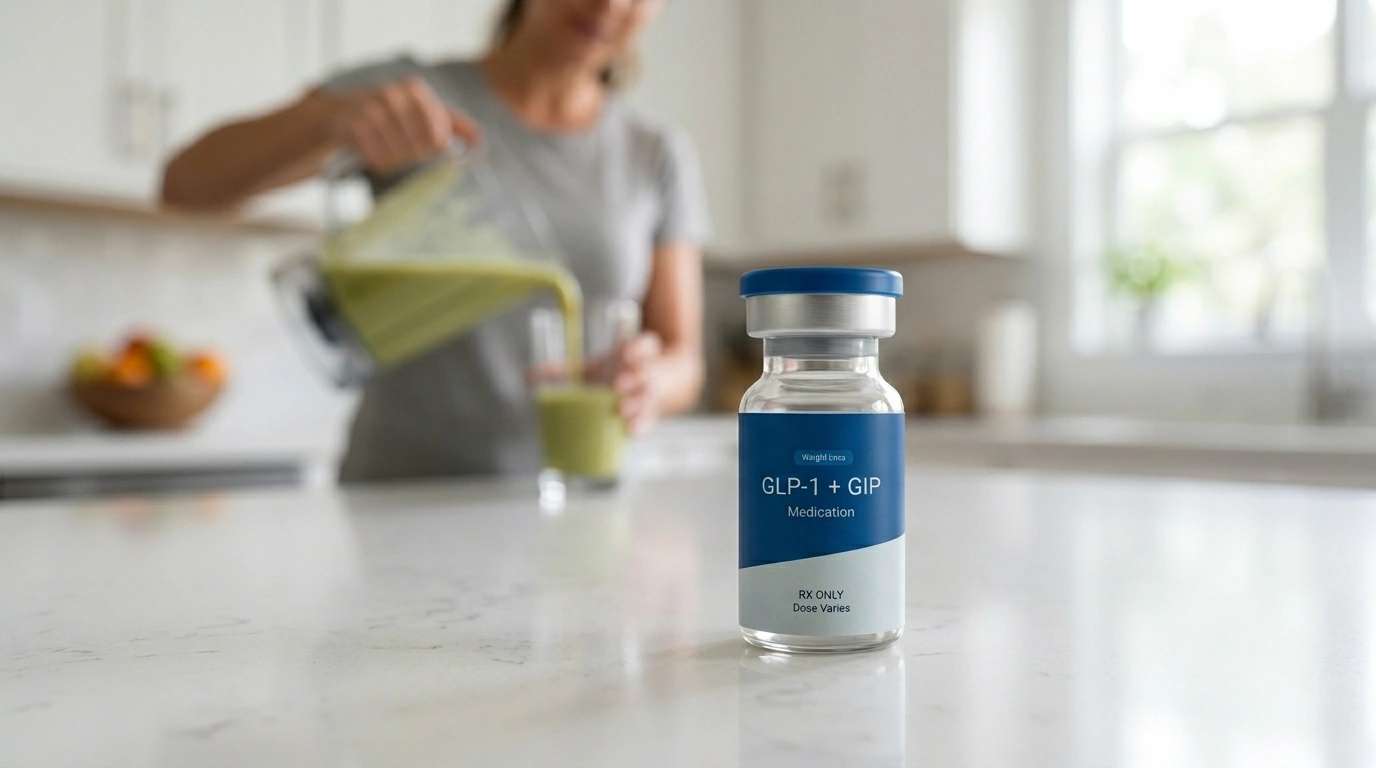
Quick Answer: Yes, it is generally considered safe and common to take metformin while using Zepbound®. These two medications work through different pathways in the body and can offer complementary benefits for weight loss and blood sugar control. However, because both can cause digestive side effects, they must be used together only under the direct supervision of a healthcare provider.
Introduction
Navigating the world of metabolic health can feel like learning a new language, especially when you are managing multiple prescriptions at once. If you have been taking metformin for some time to manage blood sugar or insulin resistance, the introduction of a new medication like Zepbound® (tirzepatide) often brings up valid questions about safety and compatibility. At TrimRx, we understand that your weight loss journey is personal and requires a clear understanding of how different treatments interact within your body.
Combining these two medications is a frequent practice in clinical settings, but it requires a thoughtful approach to minimize discomfort and maximize results. This post covers how these medications function together, the potential benefits of a combined regimen, and the practical steps you can take to manage side effects. Our goal is to provide you with the evidence-based information you need to feel confident in your treatment plan. If you are considering prescription support, you can complete a free eligibility assessment.
How Metformin and Zepbound Work Together
To understand why these two medications are often used at the same time, it helps to look at how they approach metabolic health from different angles. They are not “redundant” treatments; instead, they act like two different tools in a toolbox.
The Role of Metformin
Metformin is a biguanide, a class of medicine that has been a foundational treatment for type 2 diabetes and insulin resistance for decades. It primarily works in three ways. First, it tells your liver to produce less glucose (sugar). Second, it helps your muscles and tissues become more sensitive to insulin, meaning your body can use the sugar already in your blood more effectively. Third, it may slightly reduce the amount of sugar your intestines absorb from food.
Metformin is often a first-line treatment because it is well-studied and generally does not cause “low blood sugar” (hypoglycemia) when used on its own. It provides a steady, baseline level of metabolic support. For additional context on how GLP-1 medications affect appetite and digestion, review this guide on how to get the most out of GLP-1 treatment.
The Role of Zepbound
Zepbound® is a newer type of medication known as a dual GIP (glucose-dependent insulinotropic polypeptide) and GLP-1 (glucagon-like peptide-1) receptor agonist. While metformin focuses on the liver and muscle sensitivity, Zepbound® acts primarily on the gut and the brain.
It mimics two natural hormones that your body releases after you eat. These hormones signal your brain to feel full, slow down the rate at which your stomach empties, and prompt your pancreas to release insulin only when your blood sugar is actually high. This dual-action approach is why Zepbound® is recognized for its significant impact on weight management and appetite regulation.
Synergistic Effects
When you take both, you are addressing metabolic dysfunction from multiple directions. Metformin manages the “baseline” sugar production in your liver, while Zepbound® manages the “spikes” that happen after meals and regulates your appetite.
Key Takeaway: Metformin and Zepbound® have complementary mechanisms. Metformin improves how your liver and muscles handle sugar, while Zepbound® targets appetite and hormone signaling in the gut and brain.
Benefits of Combining These Medications
For many individuals, using metformin and Zepbound® together offers better results than using either medication alone. Clinical studies, such as the SURPASS trials, have looked at the efficacy of tirzepatide when added to a regimen of metformin.
Enhanced Blood Sugar Control
For those managing type 2 diabetes or prediabetes, the combination can lead to a more significant reduction in HbA1c levels. HbA1c is a measure of your average blood sugar over three months. Because the two drugs don’t “fight” for the same receptors, they can work in tandem to bring these numbers into a healthier range more efficiently.
Weight Loss Momentum
While metformin is generally considered weight-neutral or may cause very modest weight loss, Zepbound® is specifically approved for chronic weight management. However, some evidence suggests that maintaining metformin therapy while starting a GLP-1 or dual agonist medication can help sustain metabolic health. For individuals with significant insulin resistance, the metformin provides the “groundwork” that may make the weight-loss effects of Zepbound® more effective.
Support for Insulin Resistance
Many people struggle with insulin resistance, a condition where the body’s cells don’t respond well to insulin and can’t easily take up glucose from the blood. This often leads to weight gain and difficulty losing weight through diet and exercise alone. By using metformin to improve cellular sensitivity and Zepbound® to regulate appetite and hormonal response, patients often find it easier to break through weight loss plateaus.
Managing Potential Side Effects
While the combination is safe for most people, the most common challenge is managing “overlapping” side effects. Both medications are known for their impact on the gastrointestinal (GI) system. For a deeper look at these symptoms, read about tirzepatide side effects and how to manage them.
Common Overlapping Symptoms
If you take both metformin and Zepbound®, you may be more likely to experience:
- Nausea
- Diarrhea
- Stomach cramps or bloating
- Indigestion or heartburn
These symptoms usually occur because both medications are changing how your digestive tract processes food. Metformin can cause irritation in the intestines, while Zepbound® slows down the movement of food through the stomach.
Strategies for Comfort
The good news is that these side effects are often temporary. They typically appear when you first start a medication or when your dose is increased. We recommend several strategies to help your body adjust:
- Titrate Slowly: Most providers will start you on a very low dose of Zepbound® and increase it gradually over several months. This gives your digestive system time to adapt.
- Take Metformin with Food: Taking your metformin tablet in the middle of a meal can significantly reduce stomach upset.
- Consider Extended-Release Metformin: If you are on the “immediate-release” version of metformin and experiencing diarrhea, ask your provider about the extended-release (ER) version. It is often much gentler on the stomach.
- Hydration is Key: Diarrhea and nausea can lead to dehydration. Drinking plenty of water and electrolytes is essential, especially during the first few weeks of combined treatment. This guide explains why hydration matters during a GLP-1 weight loss journey.
When to Contact Your Doctor
While mild nausea is common, severe symptoms are not. You should contact your healthcare provider if you experience:
- Persistent, severe vomiting that prevents you from keeping fluids down.
- Intense abdominal pain that radiates to your back.
- Signs of severe dehydration, such as extreme thirst, dark urine, or dizziness.
Bottom line: Gastrointestinal side effects are the most common hurdle when combining these medications. Taking metformin with meals and following a slow dose-increase schedule for Zepbound® can help minimize discomfort.
Safety and Long-Term Considerations
Beyond stomach upset, there are a few clinical factors that your healthcare provider will monitor while you are on this combination.
Hypoglycemia Risk
On their own, neither metformin nor Zepbound® typically cause dangerously low blood sugar. This is because metformin doesn’t force the body to make more insulin, and Zepbound® only prompts insulin release when glucose is present. However, if you also take other medications like insulin or sulfonylureas, the risk of hypoglycemia increases. Your doctor may need to adjust your dosages of these other medications to ensure your safety.
Kidney Function
Metformin is removed from the body through the kidneys. If you become severely dehydrated from Zepbound®-related side effects (like vomiting or diarrhea), it can put temporary stress on your kidneys. In very rare cases, this can lead to a build-up of metformin in the blood. This is why staying hydrated is more than just a matter of comfort—it is a safety requirement. Your provider will likely perform regular lab work to check your kidney function (e.g., eGFR and creatinine levels).
Nutrient Support
Because Zepbound® reduces your appetite and metformin can occasionally interfere with the absorption of certain vitamins (like Vitamin B12), it is important to focus on nutrient-dense foods. We often suggest that patients consider specialized support, such as our GLP-1 Daily Support supplement, to ensure they are meeting their nutritional needs while eating smaller portions.
Diet and Lifestyle on the Combination
Medication is a powerful tool, but it works best when supported by a healthy lifestyle. When taking both metformin and Zepbound®, your relationship with food will likely change.
Focus on Protein
As your appetite decreases, every bite of food becomes more important. Aim for high-quality protein sources like lean meats, beans, tofu, or Greek yogurt. Protein helps preserve lean muscle mass while you lose weight. These priorities are also discussed in this guide to protein and weight loss.
Smaller, Frequent Meals
Because Zepbound® slows gastric emptying, large meals can make you feel uncomfortably full or nauseated. Many patients find that eating four or five very small meals throughout the day is much more manageable than three large ones.
Watch for “Trigger” Foods
High-fat, greasy, or very sugary foods are more likely to cause digestive distress when you are on these medications. Fried foods, in particular, can sit in the stomach longer and lead to increased nausea or reflux.
Who is a Candidate for This Combination?
The decision to use both metformin and Zepbound® is one that must be made by a licensed healthcare professional. Generally, this combination is considered for individuals who fall into the following categories:
- Individuals with Type 2 Diabetes: Those who are not reaching their HbA1c goals on metformin alone may have Zepbound® (or its sister brand Mounjaro®) added to their regimen.
- Individuals with PCOS: Metformin is often used off-label for Polycystic Ovary Syndrome (PCOS) to manage insulin resistance. Adding a GLP-1 or dual agonist can provide additional support for weight management.
- Weight Loss Patients with Insulin Resistance: If an individual has a high BMI and signs of metabolic syndrome, a provider may determine that both medications are necessary to address the root causes of weight gain.
At TrimRx, we prioritize a personalized approach. Our platform connects you with providers who evaluate your entire medical history, current medications, and health goals to determine if this combination—or a different personalized program—is the right fit for you. See if you qualify for a personalized program.
How to Get Started
If you are currently taking metformin and are curious if Zepbound® or a similar medication could help you reach your weight loss goals, the first step is a clinical assessment.
Step 1: Complete the Assessment Quiz.
Our free online quiz gathers information about your health history, current medications (like metformin), and your specific weight loss objectives.
Step 2: Provider Review.
A licensed healthcare professional will review your data to determine your eligibility. They will look for any potential contraindications and decide if a dual-medication approach is safe for you.
Step 3: Personalized Treatment Plan.
If approved, you will receive a personalized program. This may include a prescription for Compounded Tirzepatide, which is prepared and shipped by FDA-registered, inspected compounding pharmacies. These programs typically include medical consultations, the medication itself, and ongoing support.
Step 4: Ongoing Monitoring.
Once you start, you will have 24/7 access to a team of specialists. This is crucial when managing a combination like metformin and tirzepatide, as you may need guidance on dose adjustments or side effect management.
Conclusion
Taking metformin while on Zepbound® is a common and often effective strategy for improving metabolic health and achieving sustainable weight loss. While the dual impact on your digestive system requires patience and careful management, the potential for better blood sugar control and significant weight reduction is a powerful motivator for many.
By working with a dedicated team, you can navigate the transition smoothly. We focus on providing a telehealth-first experience that removes the barriers of traditional weight loss programs. Our mission is to help you feel supported every step of the way, from your first dose to your ultimate goal.
Key Takeaway: You do not have to choose between your current metabolic support and new weight loss options. With professional guidance, metformin and Zepbound® can work together to help you reclaim your health.
If you are ready to see if a personalized program is right for you, we invite you to take the free assessment quiz today.
FAQ
Can I take metformin and Zepbound at the same time of day?
Yes, you can take them at the same time because they do not have a direct chemical interaction. However, since metformin is best taken with food to reduce stomach upset and Zepbound® is a once-weekly injection that can be taken with or without meals, many people simply stick to their existing metformin schedule and choose a convenient time for their weekly injection.
Will taking both medications make me lose weight faster?
While Zepbound® is the primary driver of significant weight loss in this combination, metformin provides essential metabolic support that may help you maintain a steady progress. Clinical trials have shown that adding tirzepatide to a metformin regimen leads to substantial weight reduction, though individual results will always vary based on diet and activity levels. For additional energy support while pursuing weight loss, explore the Weight Loss Boost supplement.
Do I have to stop metformin if I start Zepbound?
Not necessarily. Many people continue taking metformin because it offers unique benefits for the liver and insulin sensitivity that Zepbound® addresses differently. Your healthcare provider will decide whether to keep you on both or transition you to a single medication based on your blood sugar levels and how well you tolerate the combination.
Is the risk of low blood sugar higher when taking both?
For people without type 2 diabetes, the risk of hypoglycemia is very low with this combination. If you do have type 2 diabetes and are taking other medications like insulin, the risk is higher, and your doctor will likely monitor you closely and may adjust your doses of those other medications.
Disclaimer: This content is for informational purposes only and does not constitute medical advice. It is not intended to diagnose, treat, cure, or prevent any disease or condition. Individual results may vary. Always consult a qualified healthcare professional before starting any weight loss program or medication.

Transforming Lives, One Step at a Time
Keep reading

Kids’ Birthday Party on Zepbound
If you have young children, birthday parties are a regular part of life: your own child’s, and the steady stream of classmates’ parties most…
Water Aerobics on Zepbound
For people with painful knees, hips, or backs, water aerobics and pool exercise are often the first kind of exercise that feels possible. The…

New Year’s Eve on Zepbound
New Year’s Eve is built around staying up late. There is usually a big dinner or a party spread, drinks through the evening, champagne…


