How Long After Eating Should I Take Zepbound for Best Results?
Introduction
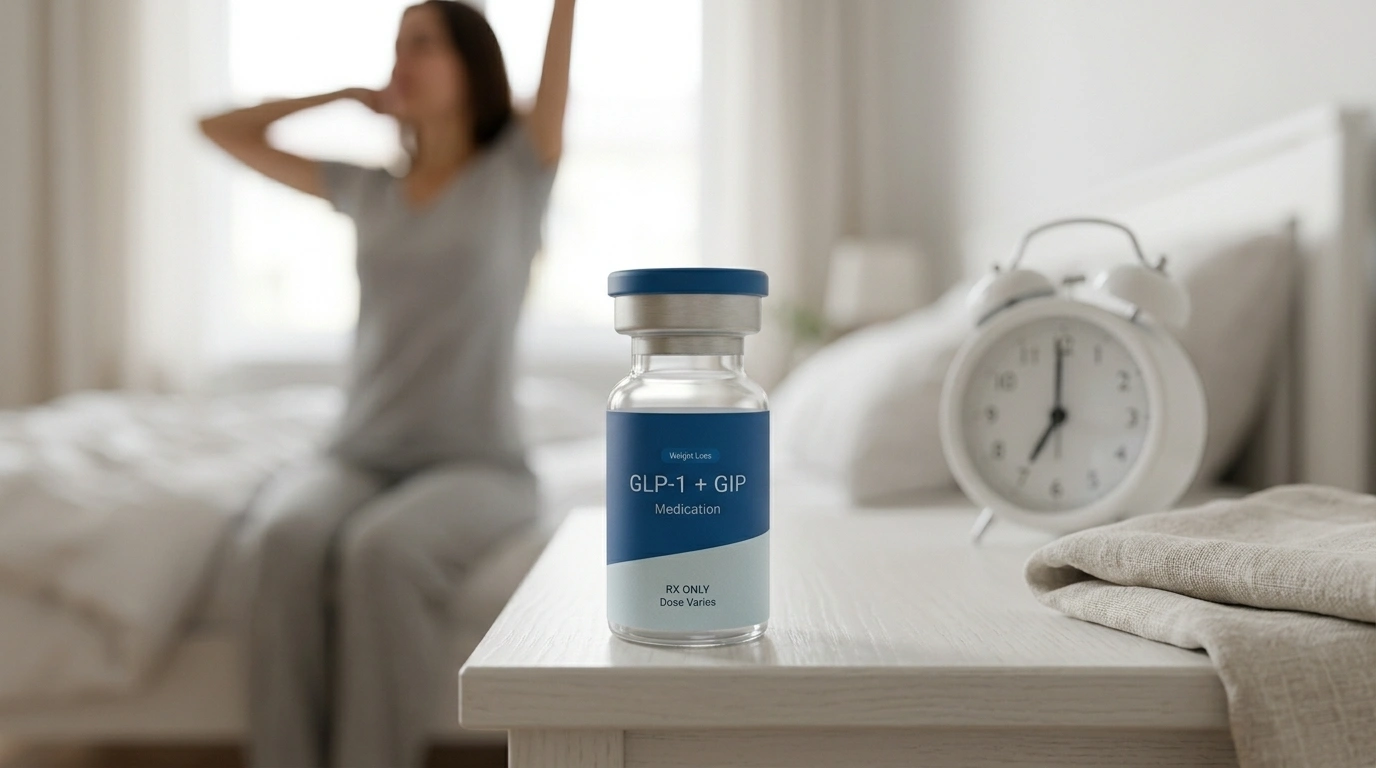
Starting a new weight loss journey often comes with a long list of questions, especially regarding the timing of your medication. You might find yourself standing in the kitchen, wondering if you should wait a few hours after dinner or if you need to take your weekly dose on an empty stomach first thing in the morning. At TrimRx, we understand that these small details can feel overwhelming when you are focused on making a significant lifestyle change. This post will clarify exactly how food interacts with your treatment and provide guidance on timing your doses for maximum comfort. While the clinical rules for timing are flexible, the way you manage your meals can significantly impact how you feel during your first few weeks.
Quick Answer: You can take Zepbound® at any time of the day, with or without food. The medication’s absorption is not affected by your last meal, though many people prefer timing their dose around lighter meals to minimize potential stomach upset.
Timing Your Zepbound® Injection
One of the most common questions for those starting tirzepatide—the active ingredient in Zepbound®—is whether the stomach needs to be empty for the medicine to work. Clinically speaking, the timing of your dose relative to your meals does not change how the medication is absorbed into your bloodstream. Because it is an injectable medication, it bypasses the digestive tract’s immediate absorption hurdles that oral pills often face.
You have the freedom to choose a time that fits your schedule. Whether you prefer a Sunday morning routine or a Thursday evening dose, the most important factor is consistency. We recommend choosing the same day each week to ensure the levels of the medication remain steady in your system. If you decide to change the day of the week you take your dose, you can do so as long as the last dose was taken at least three days (72 hours) prior. For additional context, review this guide to taking Zepbound after eating.
How Food Interacts With Tirzepatide
To understand why timing might matter to your personal comfort, it helps to know how the medication works in the body. Zepbound® is a dual agonist, meaning it mimics two different hormones in your body: glucagon-like peptide-1 (GLP-1) and glucose-dependent insulinotropic polypeptide (GIP). These hormones work together to regulate blood sugar and, more importantly for weight loss, slow down the rate at which food leaves your stomach.
This process is called delayed gastric emptying. When your stomach empties more slowly, you feel full for a longer period. However, this also means that if you take your injection immediately after a very large or heavy meal, that food will stay in your stomach even longer than usual. For some individuals, this can lead to feelings of intense fullness, bloating, or mild nausea. You can also explore this overview of how GLP-1 medications affect digestion and nutrition.
The Role of GIP and GLP-1
The dual action of tirzepatide is what distinguishes it from other medications like Wegovy®, which only targets the GLP-1 receptor. By activating both pathways, the medication helps the brain receive stronger “fullness” signals while also improving how the body breaks down sugar and fat. This internal shift is powerful, but it requires a bit of an adjustment period for your digestive system.
Key Takeaway: Because Zepbound® slows digestion, the volume and type of food in your stomach when you take your dose can influence your physical comfort, even if it doesn’t change the medication’s effectiveness.
Managing Side Effects Through Meal Timing
While the official guidance says food doesn’t matter, many members of the TrimRx community find that their “shot day” experience is better when they pay attention to their last meal. Common side effects like nausea or “sulfur burps” are often linked to how much food is sitting in the stomach when the medication begins to peak. This tirzepatide side effects guide provides additional strategies for managing digestive discomfort.
Tips for a Comfortable Injection Day
If you are concerned about stomach upset, consider these strategies for timing your dose:
- Avoid heavy, high-fat meals: Greasy or fried foods are harder to digest. If you take your injection right after a high-fat dinner, you may experience more significant bloating or indigestion.
- The “Lighter Meal” Approach: Many people find success taking their dose after a light, protein-focused snack or meal. This ensures your stomach isn’t completely empty (which can sometimes cause nausea) but isn’t overtaxed.
- Hydration is Priority: Staying hydrated is critical. Drinking plenty of water before and after your injection can help move digestion along and reduce the risk of constipation.
- Evening vs. Morning: If you find the medication makes you feel a bit tired or slightly nauseated, taking it in the evening before bed may allow you to sleep through the peak onset of those feelings.
Myth: You must fast for several hours before taking your weight loss injection. Fact: There is no clinical requirement to fast. You can take your dose whenever it is most convenient for you, regardless of when you last ate.
What to Eat for Better Results
While the question of when you eat is flexible, what you eat plays a massive role in your overall success on a weight loss program. Medications like tirzepatide are most effective when supported by a nutrient-dense diet. Since you will likely be eating smaller portions, making every bite count becomes essential. These GLP-1 nutrition strategies can help you plan balanced meals and support your routine.
Prioritize Lean Protein
Protein is your best friend during weight loss. It helps preserve lean muscle mass while your body burns fat. We suggest aiming for a variety of lean sources such as chicken, turkey, fish, tofu, or legumes. For many, reaching a goal of 60 to 90 grams of protein daily is a good baseline, though this varies based on your individual health profile. Learn more about protein choices for weight loss.
Focus on Fiber
Because GLP-1 medications slow down the gut, constipation can become an issue for some. Incorporating complex carbohydrates that are high in fiber can help keep things moving. Think about adding:
- Berries and apples
- Leafy greens and cruciferous vegetables
- Whole grains like quinoa or oats
- Lentils and beans
Support Your Body Naturally
For those looking to optimize their experience, we offer quick-access supplements that do not require a prescription. Our GLP-1 Daily Support is designed to help fill nutritional gaps, while the Weight Loss Boost supplement can provide additional metabolic support. These tools are excellent additions for anyone looking to maintain their energy levels as their caloric intake decreases.
Starting Your Program with TrimRx
Navigating the world of weight loss medications can be confusing, especially with the variety of branded and compounded options available. Our platform simplifies this process by connecting you with licensed healthcare providers who can determine if a GLP-1 or dual-agonist treatment is right for you. To explore whether a personalized prescription program may be appropriate, complete the free assessment quiz.
Our personalized programs are designed to be telehealth-first, meaning you never have to sit in a waiting room or deal with the stress of in-person appointments. When you start with us, you undergo a comprehensive assessment to ensure your treatment plan is tailored specifically to your medical history and weight loss goals.
The Onboarding Process
Step 1: Complete the free assessment quiz.
This helps us understand your health history and goals.
Step 2: Connect with a licensed provider.
A healthcare professional will review your information to see if you qualify for a prescription program.
Step 3: Receive your personalized plan.
If approved, your treatment—which may include compounded semaglutide or compounded tirzepatide—is prepared by an FDA-registered compounding pharmacy.
Step 4: Ongoing support.
You get 24/7 access to our team of specialists to answer questions about dosing, timing, or side effects.
Why Personalization Matters
No two bodies react to medication in the exact same way. Some people may find they lose weight quickly on a starting dose, while others may need to titrate up more slowly to manage side effects. Our approach focuses on the individual. By using a telehealth platform, we can provide continuous monitoring and adjust your program as needed without the traditional barriers of the healthcare system.
We partner with FDA-registered and inspected compounding pharmacies to ensure that the compounded medications our providers prescribe meet high standards of quality. This allows us to offer a consistent experience for our members, even when branded medications like Zepbound® or Wegovy® face national supply shortages.
Realistic Expectations for Your Journey
It is important to remember that weight loss is a marathon, not a sprint. While some people notice a decrease in “food noise”—those constant intrusive thoughts about eating—within the first 24 to 72 hours of their first dose, physical weight loss takes time. The first four weeks of any program are typically a “loading” phase where your body gets used to the medication.
During this time, focusing on your habits is just as important as the medication itself. Learning to listen to your body’s new fullness cues, staying active, and choosing whole foods will set the foundation for long-term, sustainable weight management. Our mission is to provide you with the tools, the medical expertise, and the empathetic support you need to make those changes stick.
Bottom line: While you can take your dose any time after eating, focusing on light, protein-rich meals on your injection day can help you avoid common digestive side effects as your body adjusts.
Conclusion
The answer to how long you should wait after eating to take your medication is ultimately up to you and how your body feels. There is no biological requirement to wait, but many find that a balanced, light meal before their dose creates the most comfortable experience. At TrimRx, we believe that weight loss should be a supported, science-backed journey that fits into your life, not one that forces you to revolve your life around a strict injection schedule. By combining modern telehealth with personalized clinical care, we aim to make sustainable health accessible to everyone. If you are ready to take the next step in your health journey, start with the free online assessment to explore your options.
FAQ
Does Zepbound® work better on an empty stomach?
No, the medication’s effectiveness and absorption are not improved by taking it on an empty stomach. Because it is an injection that enters the bloodstream directly, its “potency” remains the same regardless of your last meal. However, some people find an empty stomach helps them avoid initial nausea.
Can I eat a large meal right before my injection?
While you can, it is generally not recommended during your first few weeks of treatment. Since the medication slows down gastric emptying, a very large or heavy meal may sit in your stomach for an extended period, which can lead to discomfort, bloating, or indigestion as the medicine begins to take effect.
What is the best time of day to take my dose?
There is no “perfect” time, but many users prefer taking their dose in the evening. This allows any potential immediate side effects, such as mild fatigue or nausea, to occur while they are asleep. Others prefer the morning to establish a consistent weekly routine.
Should I avoid certain foods on the day of my shot?
It is often helpful to avoid greasy, fried, or highly processed foods on your injection day. These foods are naturally harder to digest, and when combined with the slowed digestion caused by GLP-1 and GIP agonists, they are more likely to cause stomach upset or acid reflux.
Disclaimer: This content is for informational purposes only and does not constitute medical advice. It is not intended to diagnose, treat, cure, or prevent any disease or condition. Individual results may vary. Always consult a qualified healthcare professional before starting any weight loss program or medication.

Transforming Lives, One Step at a Time
Keep reading

Why Is There a Bruise Where I Injected My Zepbound?
A bruise means a small blood vessel was disturbed under the skin and blood spread into the surrounding tissue. It is one of the…

My Zepbound Pen Won’t Click Past a Certain Dose
Start by checking which device you are holding, because the answer depends entirely on that. Zepbound has commonly been supplied in the United States…
Zepbound Alternatives: Your Options Compared
If Zepbound isn’t the right fit, the main alternative is semaglutide (sold as Wegovy), which produces slightly less weight loss but works similarly, along…


