Is It Better to Take GLP-1 at Night or Morning for Success?
Introduction
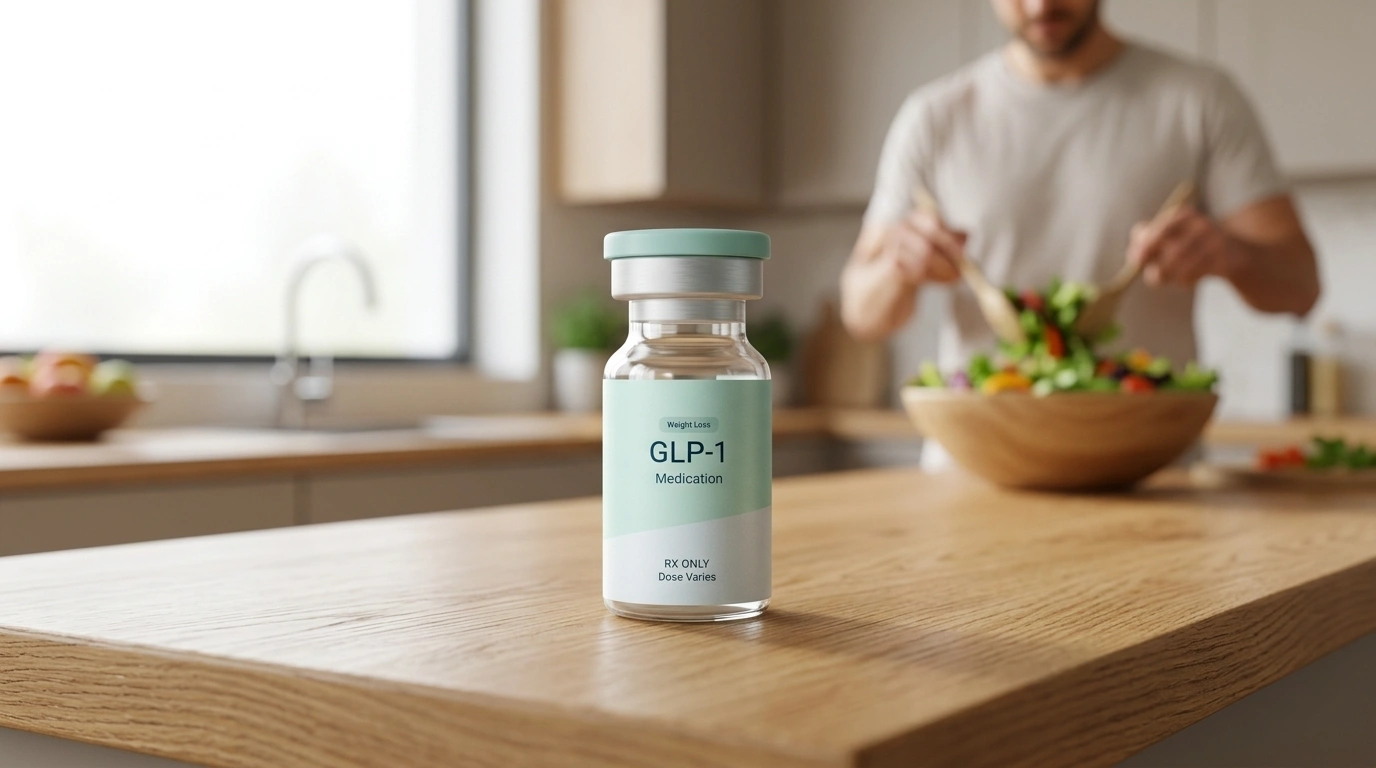
Deciding on the best time to administer a new medication can feel like a high-stakes puzzle, especially when it involves your weight loss journey. You might be standing in your kitchen on a Tuesday morning, pen in hand, wondering if taking your dose now will leave you feeling nauseated at your afternoon meeting, or if waiting until bed is the smarter move. At TrimRx, we understand that these small logistical choices are often the ones that cause the most anxiety. This post explores the pros and cons of morning versus evening administration for GLP-1 medications, helping you align your treatment with your body’s unique rhythm. Whether you are using a weekly injectable or a daily oral option, finding the right window is essential for minimizing side effects and staying consistent. Ultimately, the best time to take your medication is the time that allows you to remain adherent while feeling your best.
For a provider-led overview of weekly injection timing, read our guide to when to take your GLP-1 shot.
The Role of GLP-1 Medications in Weight Management
To understand why timing matters, it is helpful to first look at what these medications are doing inside your body. GLP-1, or glucagon-like peptide-1, is a hormone naturally produced in the gut. It plays a critical role in how the body processes sugar and signals the brain that it is full. GLP-1 receptor agonists are a class of medications that mimic this hormone, effectively “tricking” the body into feeling satisfied sooner and for longer periods.
These medications work through several primary mechanisms. First, they stimulate the release of insulin when blood sugar is high, which helps manage glucose levels. Second, they slow down gastric emptying, which is the process of food moving from your stomach into your small intestine. This delayed digestion is one of the main reasons people on these programs feel full after eating only small portions. Finally, the medication interacts with the hypothalamus in the brain to reduce appetite and “food noise,” those intrusive thoughts about eating that can derail weight loss efforts.
While the efficacy of the medication remains largely the same regardless of the hour it is administered, the way your body reacts to these physiological changes can vary. Because the medication impacts digestion and brain signaling so significantly, the timing of your dose can influence the intensity of common side effects like nausea or fatigue. If you are deciding whether prescription treatment may fit your needs, you can complete a free eligibility assessment.
Morning Administration: Pros and Cons
Choosing to take your GLP-1 medication in the morning is a popular choice for many individuals who thrive on a set routine. For those using daily oral versions of these medications, morning administration is often a clinical requirement.
Benefits of Morning Dosing
The most significant advantage of a morning dose is the ability to build it into an existing ritual. If you already take vitamins or other medications as soon as you wake up, adding your weight loss treatment to this window can improve long-term adherence.
Establishing a Routine: Consistency is the foundation of weight loss success. By taking your medication at the start of the day, you eliminate the risk of forgetting it later when the demands of work, family, or social obligations become more pressing.
Monitoring Side Effects: Taking a dose in the morning allows you to observe how your body responds during your waking hours. For some, this provides a sense of control, as they can proactively manage mild nausea with small sips of water or ginger tea throughout the day.
Challenges of Morning Dosing
The primary drawback of morning administration involves the onset of side effects. For many, the peak levels of the medication in the bloodstream may coincide with their most productive hours.
Daytime Nausea: If you are prone to gastrointestinal upset, a morning dose may lead to “queasiness” during your workday. This can be particularly challenging for individuals with high-stress jobs or those who need to be physically active.
Impact on Appetite: Because GLP-1 medications suppress appetite, a morning dose may lead to a total lack of interest in breakfast or lunch. While this helps with caloric restriction, it can sometimes lead to undereating early in the day, which might cause a late-day energy crash.
Key Takeaway: Morning dosing is excellent for those who value routine and have a manageable side effect profile. However, it requires a plan for managing potential daytime nausea or low energy levels.
For additional information about common reactions, review this semaglutide side effects and management guide.
Evening Administration: Pros and Cons
Many individuals find that taking their medication in the evening, particularly before bed, is the most effective way to navigate the initial transition to GLP-1 therapy.
Benefits of Evening Dosing
The leading reason for choosing an evening window is the “sleep through it” strategy. Most GLP-1 medications reach their peak concentration several hours after administration. By timing this peak to occur while you are asleep, you may bypass the most uncomfortable sensations.
Mitigating Nausea: For individuals who experience significant nausea shortly after their dose, sleeping through the initial onset can be a game-changer. By the time you wake up, the sharpest “edge” of the nausea may have subsided, leaving you more comfortable during the day.
Managing Fatigue: Fatigue is a common side effect of metabolic changes. Taking your dose at night allows any medication-induced lethargy to align with your natural sleep cycle, rather than fighting against your energy needs during the day.
Challenges of Evening Dosing
Despite the benefits, evening administration is not without its hurdles. The main concerns revolve around digestive health and sleep quality.
Acid Reflux and GERD: Because GLP-1 medications slow gastric emptying, having a large meal and then taking your dose before lying down can be a recipe for heartburn or acid reflux. When food sits in the stomach longer, lying flat can cause stomach acid to move back into the esophagus.
Sleep Disruptions: While many sleep through side effects, some individuals report that the medication makes them feel slightly restless or gives them vivid dreams. If you already struggle with insomnia, an evening dose might require careful monitoring to ensure it doesn’t interfere with your rest.
If morning nausea or overnight reflux is a concern, this guide explains why some people wake up nauseated on tirzepatide.
Timing Considerations for Injectables vs. Orals
The “best” time to take your medication often depends on the specific format of the drug prescribed by your healthcare provider. Through the TrimRx platform, patients may be prescribed either injectable or oral formats, and the rules for timing differ significantly between the two.
Injectable GLP-1 Medications
Injectables like Compounded Semaglutide or Compounded Tirzepatide are typically administered once a week. Because these medications have a long half-life—meaning they stay in your system for several days—the specific hour you choose is less about the drug’s effectiveness and more about your personal comfort.
If you are on a weekly injectable, you might choose a Friday night or Saturday morning. This allows the peak levels of the medication to occur over the weekend, giving you time to rest and adjust if you feel under the weather.
Oral GLP-1 Medications
Oral versions, such as Oral Semaglutide or Oral Tirzepatide, are usually taken daily. Unlike injectables, oral formats have very strict timing requirements. These must generally be taken on an empty stomach, first thing in the morning, with no more than four ounces of plain water.
You must then wait at least 30 to 60 minutes before eating, drinking anything else, or taking other oral medications. In this case, the “morning or night” debate is settled by the clinical requirement for an empty stomach. Taking an oral GLP-1 at night after dinner would significantly reduce its absorption and effectiveness.
For more detail on the differences between oral and injectable formats, read about what time of day to take GLP-1 medication.
Navigating Side Effects Through Timing
Managing side effects is the number one reason patients consider switching their administration time. Whether you are using Ozempic®, Wegovy®, Mounjaro®, or Zepbound®, the gastrointestinal response is the most common hurdle.
Dealing with Nausea
Nausea is the body’s reaction to the slowed digestion and the brain’s new signals. If you find that nausea hits hard about 4 to 6 hours after your dose, and you currently take it at 8:00 AM, you are likely feeling worst right at lunch. Moving that dose to 8:00 PM could shift that peak to 2:00 AM, allowing you to sleep through the discomfort.
Managing Fatigue and Brain Fog
Some users report a “heavy” feeling or a lack of mental clarity shortly after their dose. If you have a mentally demanding job, taking your medication on a workday morning might be counterproductive. In this instance, a “Friday night” approach for weekly injectables is often the most successful strategy.
Addressing Heartburn
If evening doses are causing reflux, the solution is often found in the “two-hour rule.” Avoid eating for at least two hours before you take your dose and before you lie down. This gives your stomach a head start on processing your last meal before the medication slows things down further.
Quick Answer: If you struggle with daytime nausea, taking your GLP-1 at night may help you sleep through the worst of it. However, if you are prone to acid reflux, a morning dose or an earlier evening dose (at least two hours before bed) might be better.
If side effects are affecting your routine, you can see whether a personalized program may be a fit.
How to Safely Switch Your Timing
If you have started your program and realize your current timing isn’t working, you can usually adjust it. However, this should be done with caution and ideally after a consultation with a healthcare provider.
Step 1: Assess your current cycle. / Determine if you are on a daily or weekly schedule.
Step 2: Consult your provider. / Use our platform to message your specialist about your desire to switch times to ensure it is safe for your specific health profile.
Step 3: Incremental shifts. / For daily medications, try moving the dose by a few hours each day rather than making a sudden 12-hour jump.
Step 4: The “gap” rule. / For weekly injectables, ensure there are at least 48 to 72 hours between doses if you are moving your “shot day” to a different day of the week.
Note: Never take two doses close together to “make up” for a change in timing. Always prioritize maintaining a steady level of the medication in your bloodstream.
For readers using tirzepatide, this tirzepatide dosing and titration guide provides additional context about weekly schedules and dose changes.
The Importance of Personalization
There is no one-size-fits-all answer to whether morning or night is better. Your lifestyle, work schedule, and biological sensitivity are the deciding factors. For example, a nurse working night shifts will have a completely different “morning” than an office worker on a 9-to-5 schedule.
We believe that weight loss is a deeply personal journey. This is why the programs accessible through our platform are not generic. Every participant begins with a free assessment quiz that looks at their medical history and goals. This data helps licensed providers determine the most appropriate medication and dosage for each individual.
When you have access to 24/7 specialist support, you don’t have to guess whether your timing is right. If you’re feeling fatigued or nauseated, you can reach out for guidance on how to tweak your schedule. This level of personalized care is what helps turn a temporary diet into a sustainable lifestyle change.
Supporting Your Body Beyond Timing
While timing the dose is important, what you do in the hours surrounding that dose is equally vital. Supporting your metabolic health requires a holistic approach that includes nutrition and specific supplementation.
Hydration and Electrolytes
GLP-1 medications can sometimes make it easy to forget to drink water because your thirst signals may change along with your hunger signals. Dehydration can worsen nausea and fatigue. Aim to drink consistently throughout the day, regardless of when you take your medication.
Targeted Supplements
Many people find that adding specific nutrients can help mitigate the side effects that make timing so difficult. For instance, our GLP-1 Daily Support supplement is designed to provide the body with essential nutrients that might be lacking when caloric intake decreases. Similarly, the Weight Loss Boost supplement can help maintain energy levels if the medication causes daytime lethargy.
Small, Frequent Meals
Because the medication slows digestion, eating large meals can lead to discomfort, no matter when you take your dose. Shifting to smaller, nutrient-dense meals can help your body process food more efficiently and reduce the burden on your digestive system.
For more context on coordinating medication and supplements, read about the best time to take GLP-1 supplements and medication.
Common Misconceptions About GLP-1 Timing
There are several myths regarding the timing of these medications that can lead to unnecessary confusion.
Myth: Taking the medication at night burns more fat while you sleep.
Fact: GLP-1 medications do not work by “burning fat” directly in a time-dependent manner; they work by regulating hormones and appetite over a sustained period.
Myth: If I take it in the morning, I don’t need to eat all day.
Fact: Skipping meals entirely can lead to muscle loss and nutrient deficiencies. Even if your appetite is low, it is important to consume adequate protein and fiber.
Myth: Compounded medications work differently than branded ones regarding timing.
Fact: While compounded medications are prepared by FDA-registered pharmacies and are not branded products like Ozempic®, the active ingredients (Semaglutide or Tirzepatide) generally follow the same pharmacokinetic principles.
Bottom line: The efficacy of GLP-1 medications is based on consistent levels in the body over time, not the specific hour of administration, making personal comfort the primary factor in timing.
Developing a Long-Term Strategy
Weight loss with the help of GLP-1 medications is a marathon, not a sprint. The “perfect” time to take your medication today might not be the perfect time six months from now as your body adjusts and your dosage changes.
In the beginning, you might need an evening dose to manage initial side effects. As your body becomes accustomed to the medication, you may find that a morning dose is more convenient for your schedule. Flexibility is key. By staying in touch with your provider through the TrimRx platform, you can adjust your strategy as your journey evolves.
Tracking Your Experience
One of the most effective ways to determine your ideal timing is to keep a simple log for the first few weeks. Note the following:
- Time of dose
- Time and severity of any nausea
- Energy levels throughout the day
- Quality of sleep
Reviewing this data after a month can provide clear patterns. If you notice a consistent energy dip at 3:00 PM every day after an 8:00 AM dose, you have the evidence you need to try a different window.
Choosing the Right Path for Your Goals
Navigating the world of GLP-1 medications can feel overwhelming, but you don’t have to do it alone. The goal of using these tools is to simplify your life and improve your health, not to add more stress to your daily routine.
At TrimRx, we are committed to providing a telehealth experience that prioritizes your comfort and success. We offer access to a range of options, including Compounded Semaglutide and Compounded Tirzepatide, as well as oral formats. Our mission is to merge clinical expertise with a supportive, transparent approach. By removing the need for in-person waiting rooms and offering 24/7 access to specialists, we make it easier for you to focus on what matters: your health.
If you are ready to see which program is right for you, the first step is simple. By completing our free assessment quiz, you provide the necessary information for a licensed provider to evaluate your eligibility and create a personalized plan tailored to your body’s needs.
Conclusion
Whether you choose to take your GLP-1 medication in the quiet of the morning or the calm of the evening, the most important factor is consistency. Morning doses are often best for those who need a strict routine and those using oral formats, while evening doses offer a tactical advantage for those looking to sleep through potential side effects. There is no wrong answer, only the answer that works for you.
As you move forward, remember that medication is just one part of the puzzle. Combining your treatment with proper hydration, nutrient support, and a dedicated care team will help you achieve sustainable results. Our platform is here to guide you through every step, ensuring you have the tools and support needed to reach your metabolic health goals with confidence.
Next Step: Discover the personalized program that fits your lifestyle. Take the free assessment quiz today to get started on your science-backed weight loss journey.
FAQ
Does taking GLP-1 at night prevent all nausea?
While many people find that an evening dose allows them to sleep through the peak period of nausea, it does not guarantee that you won’t feel queasy the following day. The medication remains in your system for a long duration, so while the “spike” may happen during sleep, mild lingering effects can still occur during waking hours.
Can I switch from morning to night doses mid-treatment?
Yes, most people can switch their timing, but it should be done thoughtfully. For weekly injectables, you can usually shift your dose time or day as long as there is a sufficient gap between injections. For daily oral medications, you should consult your provider before changing your routine to ensure absorption is not compromised.
If I take my dose at night, will it affect my sleep?
Some users report restless sleep or vivid dreams when they first start GLP-1 medications, though this is less common than gastrointestinal side effects. If you find that taking it at night disrupts your rest, moving the dose to the morning or earlier in the afternoon is a common and effective solution.
Do I need to take my GLP-1 with food if I take it in the morning?
For injectable GLP-1s, you can take the dose with or without food. However, for oral GLP-1 medications, you must take the dose on an empty stomach to ensure it is absorbed correctly. Always follow the specific instructions provided by your healthcare specialist regarding food and drink.
If you are still determining whether prescription treatment fits your goals, complete the free assessment quiz.
Disclaimer: This content is for informational purposes only and does not constitute medical advice. It is not intended to diagnose, treat, cure, or prevent any disease or condition. Individual results may vary. Always consult a qualified healthcare professional before starting any weight loss program or medication.

Transforming Lives, One Step at a Time
Keep reading
Weight Loss Progress Tracker
Track your weight loss over time, see progress clearly, and stay motivated with simple charts, summaries, and goal-based insights.
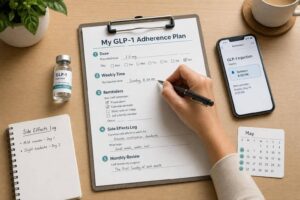
How to Create a Personalized Adherence Plan
Build a one-page GLP-1 adherence plan: record dose, pick a weekly time, set reminders, log side effects, and review monthly.

Weight Loss Medication Dosage Calculator
Estimate weight loss medication doses by weight and drug type, with starting guidance, dose progression info, and a clear medical disclaimer.


