When to Take GLP-1 Shot: Best Timing and Routine Tips

Introduction
You finally have your medication in hand, and you are ready to begin your weight loss journey. But as you look at the injection pen, a common question arises: when is the best time to actually take the shot? Whether you are using a branded medication like Wegovy® or a compounded version through a personalized program, timing can influence how you feel. At TrimRx, we believe that understanding the “when” is just as important as the “how.”
The timing of your GLP-1 (glucagon-like peptide-1) receptor agonist—a medication that mimics natural hormones to regulate appetite and blood sugar—can impact your daily energy and how your body handles side effects. This post covers everything from choosing the right day of the week to deciding between morning and evening doses. Our goal is to help you build a consistent routine that supports your long-term health goals and see if you qualify for a personalized program.
Quick Answer: Most people should take their GLP-1 shot once per week on the same day. While the specific time of day is up to you, many find that injecting in the evening helps them sleep through initial side effects like nausea.
The Importance of Weekly Consistency
The most critical factor in your treatment is consistency. GLP-1 medications are designed to build up a steady level in your bloodstream. Most of these injectable medications have a long “half-life,” which is the time it takes for the concentration of the drug in your body to reduce by half. For many GLP-1s, this is about seven days.
Because the medication stays in your system for a full week, you only need to inject it once every seven days. If you take your shot on a Monday, you should aim to take every subsequent shot on a Monday. This prevents the levels of medication in your body from dropping too low or spiking too high. For more guidance, read this guide to taking semaglutide shots.
Choosing Your Injection Day
When picking a day, think about your weekly schedule. Many people choose Friday or Saturday. This allows them to manage potential side effects, such as fatigue or a suppressed appetite, during the weekend when they may have fewer work obligations. Others prefer Mondays to help them stay on track with their nutrition goals throughout the work week.
Key Takeaway: The specific day you choose matters less than your ability to stick to it every week. Choose a day that aligns with your lifestyle and allows you to rest if you feel minor discomfort.
Morning vs. Nighttime: Finding Your Perfect Window
There is no medical requirement to take your GLP-1 shot at a specific hour. However, the time of day you choose can significantly change your experience during the first 24 to 48 hours after the injection. This GLP-1 shot timing guide offers another look at building a consistent routine.
The Case for Evening Injections
Many healthcare providers suggest taking the injection in the evening, shortly before bed. This is primarily to help manage nausea, which is the most common side effect of GLP-1 receptor agonists. By sleeping through the first several hours after the dose, you may avoid the peak of any queasiness. If you struggle with daytime fatigue following your shot, an evening dose might also help you rest through the initial sluggishness.
The Case for Morning Injections
For some, taking the shot first thing in the morning is the best way to remember it. If you have a rock-solid morning routine—like taking other vitamins or brushing your teeth at the same time—adding your shot to this window ensures you never miss a dose. Some patients also report feeling the appetite-suppressing effects more strongly during the day when they inject in the morning.
Comparison of Injection Timing
| Feature | Morning Injection | Evening Injection |
|---|---|---|
| Side Effect Management | May feel nausea during the day | Often sleep through initial nausea |
| Routine Building | Easy to pair with morning habits | Easy to pair with bedtime wind-down |
| Appetite Control | Immediate impact on daily meals | Impact is strongest the next morning |
| Energy Levels | May feel daytime fatigue | Fatigue occurs while sleeping |
Should You Take Your GLP-1 Shot with Food?
One of the benefits of injectable GLP-1 medications like Ozempic® or Zepbound® is that they can be taken with or without food. Because the medication is injected into the subcutaneous tissue (the fat layer just under the skin), it does not rely on your stomach’s digestive process to enter your bloodstream.
However, what you eat around the time of your injection does matter. If you eat a very large, high-fat, or greasy meal right before or after your shot, you may be more likely to experience stomach upset or vomiting. For related guidance, explore what to eat while on a GLP-1.
Special Note on Oral Medications
It is important to distinguish injectables from oral options. If you are prescribed Rybelsus® (oral semaglutide) or a compounded oral semaglutide or tirzepatide, timing is much stricter. Oral GLP-1s must typically be taken on an empty stomach with a small sip of water, usually 30 minutes before your first food or drink of the day. This ensures the medication is absorbed properly.
Bottom line: For injections, food timing is flexible, but light meals are recommended on injection day. For oral versions, an empty stomach is mandatory for the medication to work.
Managing Side Effects Through Timing
Most people who start a GLP-1 program will experience some level of gastrointestinal adjustment. These medications work by slowing down “gastric emptying,” which means food stays in your stomach longer. This is why you feel full, but it can also cause nausea if not managed correctly. If side effects affect your routine, review these GLP-1 side effect management options.
Timing for Nausea and Fatigue
If you notice that your nausea peaks exactly 12 hours after your shot, you can use that information to your advantage. If you inject at 8:00 PM, your peak nausea would occur at 8:00 AM the next day. You can prepare by having a light, bland breakfast ready.
Myth: You must change your injection site every time to avoid side effects. Fact: While you should rotate the site (thigh, stomach, or arm) to prevent skin irritation, the injection site itself does not typically change the systemic side effects like nausea.
What to Eat on Injection Day
To make your “shot day” go smoothly, focus on hydration and simple proteins. Daily nutritional support designed for GLP-1 users may also fit into a treatment routine.
- Hydrate: Drink plenty of water or electrolytes.
- Small Portions: Avoid heavy “last meals” before your shot.
- Ginger or Mint: Keep these on hand to settle your stomach if queasiness arises.
Building Your Personalized Program with TrimRx
At TrimRx, we understand that a one-size-fits-all approach rarely works for weight management. Our platform connects you with licensed healthcare providers who can help determine which medication and dosing schedule are right for your body. To explore whether a personalized prescription program may be appropriate for you, complete a free eligibility assessment.
When you join our program, you receive more than just a prescription. You get a personalized plan that includes:
- Professional Guidance: Access to providers who can answer your specific questions about timing and side effects.
- Medication Delivery: Your medication is shipped from FDA-registered, inspected compounding pharmacies directly to your door.
- Continuous Support: We provide 24/7 access to a team of specialists to help you navigate your journey.
Because we focus on a telehealth-first model, you can manage your entire program—including adjustments to your dosing schedule—from the comfort of your home. Whether you are using compounded tirzepatide or semaglutide, we ensure you have the tools to stay consistent.
What to Do If You Miss a Dose
Life happens, and you might occasionally forget your scheduled injection. The general rule for most GLP-1 medications is based on how much time has passed since your missed dose. For a deeper walkthrough, read what to do if you miss a dose of GLP-1 medication.
- If it has been 5 days or fewer: Take the missed dose as soon as you remember. You can then continue with your usual scheduled day for the next dose.
- If it has been more than 5 days: Skip the missed dose entirely. Wait and take your next dose on your usual scheduled day.
- Never “Double Up”: Do not take two doses at once to make up for a missed one. This significantly increases the risk of severe side effects.
If you miss two or more doses in a row, consult your healthcare provider. They may suggest restarting at a lower dose to allow your body to re-adjust to the medication.
Note: If you find yourself frequently forgetting your dose, try setting a recurring alarm on your phone or using a physical calendar to check off each week.
Step-by-Step: Preparing for Your First Shot
If you are new to the program, the first injection can feel intimidating. Following a simple routine can help reduce anxiety and ensure the medication is administered correctly.
Step 1: Check your medication. Take the pen or vial out of the refrigerator. Look at the liquid; it should be clear and colorless. If it is cloudy or has particles, do not use it.
Step 2: Let it reach room temperature. While you can inject cold medication, some people find it more comfortable to let the pen sit out for 15 to 30 minutes. This can reduce the slight stinging sensation of a cold injection.
Step 3: Choose and clean the site. The best areas are the front of the thighs, the abdomen (at least two inches away from the belly button), or the back of the upper arm. Clean the skin with an alcohol swab and let it dry.
Step 4: Administer the dose. Follow the specific instructions provided with your medication. Most pens require you to press and hold for several seconds until the dose window confirms the injection is complete.
Step 5: Dispose of the needle safely. Always use a puncture-resistant “sharps” container for used needles or pens. Never throw them directly into the household trash.
Storage and Travel Tips
How you store your medication is just as important as when you take it. Most GLP-1 pens must be refrigerated until they are first used. For more detail, see these GLP-1 medication storage guidelines.
- At Home: Keep your medication in the refrigerator, but not near the cooling element where it might freeze. Frozen medication should never be used.
- In Use: Once you have used a pen for the first time, many brands can be kept at room temperature (up to 86°F) for 21 to 56 days, depending on the specific product. Check your prescription labeling for exact details.
- Traveling: If you are traveling on your injection day, use a small insulated travel bag with a cold pack. Ensure the medication does not come into direct contact with the ice.
If you are flying, always keep your medication in your carry-on bag. The luggage compartment of a plane can experience extreme temperature fluctuations that could damage the medication. Read this GLP-1 travel medication guide before your next trip.
Conclusion
Finding the right time to take your GLP-1 shot is a personal decision that can make your weight loss experience much more comfortable. Whether you choose a Friday night to sleep through side effects or a Monday morning to kickstart your work week, the most important factor is staying consistent. By taking your medication on the same day each week, you allow the GLP-1 receptor agonists to maintain the steady state required for effective appetite regulation.
At TrimRx, we are committed to helping you navigate these choices through science-backed guidance and empathetic care. We believe that personalized weight loss is about more than just a prescription; it is about building a routine that fits your real life. If you are ready to see how a medically supervised program can support your goals, the next step is simple.
Take the free assessment quiz today to see if you are eligible for a personalized program and begin your journey toward sustainable health.
FAQ
Can I change my injection day if I need to?
Yes, you can change your injection day as long as there are at least 48 to 72 hours between doses. For example, if you usually take your shot on Monday but want to move it to Saturday, you can gradually shift the day or move it once, provided you do not take two doses too close together.
What happens if I take my GLP-1 shot too early?
Taking your dose too early can lead to a higher concentration of the medication in your system than intended. This may cause more intense side effects, such as severe nausea, vomiting, or stomach pain. Always try to wait at least six days between doses unless otherwise directed by your provider.
Is it better to inject in the stomach or the thigh?
Clinical studies generally show that the absorption of GLP-1 medications is similar across the recommended sites (stomach, thigh, and arm). However, some patients report fewer side effects when injecting in the thigh compared to the stomach. You may want to experiment with different sites to see which feels best for you.
Can I take my shot if I am feeling sick with a cold or flu?
In most cases, you can continue your medication if you have a minor illness. However, if you are experiencing a stomach bug with vomiting or diarrhea, adding a GLP-1 shot may worsen dehydration. It is best to consult your healthcare provider if you are acutely ill to determine if you should delay your dose. If you need help deciding whether a personalized program is appropriate, take the free assessment quiz.
Disclaimer: This content is for informational purposes only and does not constitute medical advice. It is not intended to diagnose, treat, cure, or prevent any disease or condition. Individual results may vary. Always consult a qualified healthcare professional before starting any weight loss program or medication.

Transforming Lives, One Step at a Time
Keep reading
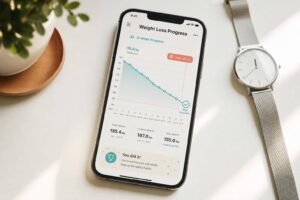
Weight Loss Progress Tracker
Track your weight loss over time, see progress clearly, and stay motivated with simple charts, summaries, and goal-based insights.
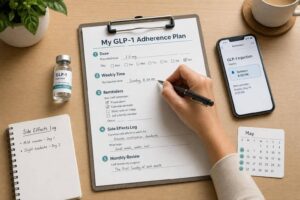
How to Create a Personalized Adherence Plan
Build a one-page GLP-1 adherence plan: record dose, pick a weekly time, set reminders, log side effects, and review monthly.

Weight Loss Medication Dosage Calculator
Estimate weight loss medication doses by weight and drug type, with starting guidance, dose progression info, and a clear medical disclaimer.


