Zepbound and Your Appetite: A Deep Dive into How It Works
Introduction
Many individuals grappling with persistent weight challenges have experienced the frustration of conventional dieting. The struggle often isn’t just about willpower; it’s a complex interplay of biology, hormones, and deeply ingrained habits that can make sustained weight loss feel like an uphill battle. In this landscape, the emergence of advanced medications offers new avenues for support, fundamentally shifting how we approach weight management. For many, a key question arises when considering these innovative solutions: “Does Zepbound take away your appetite?” This question is not merely about suppressing hunger; it delves into the intricate mechanisms by which new treatments can redefine our relationship with food.
At TrimRx, our journey began with a shared vision to help individuals embrace healthier lifestyles by merging cutting-edge telehealth innovations with effective weight loss solutions. We understand the profound impact that appetite regulation can have on a weight loss journey. This post will explore Zepbound’s profound influence on appetite and satiety, examining the science behind its mechanism, the compelling clinical evidence, and what this means for individuals seeking a more manageable path to weight loss. We believe that sustainable weight loss should be achieved through science, empathy, and a transparent approach, and we are dedicated to providing a user-friendly and supportive space where individuals receive personalized, medically-supported care. By the end of this article, you will have a comprehensive understanding of how Zepbound works to affect appetite and how it integrates into a holistic strategy for lasting health. We will cover its unique dual-action, the real-world results from clinical studies, and how our programs are designed to support every step of your journey.
Understanding the Appetite Puzzle: More Than Just Willpower
The sensation of hunger and the feeling of fullness—satiety—are governed by an intricate network of biological signals, hormones, and neural pathways. For far too long, the narrative around weight management has often oversimplified this complexity, attributing struggles primarily to a lack of personal discipline. However, modern science increasingly reveals that our bodies are hardwired with powerful systems designed to promote food intake and resist weight loss, a legacy from times when food scarcity was a constant threat. This biological predisposition makes sustained dietary restriction incredibly challenging and often unsustainable.
At the heart of this intricate system are various hormones that communicate between the gut, brain, and other organs. Among the most significant for weight regulation are a group known as incretins, particularly Glucagon-like Peptide-1 (GLP-1) and Glucose-dependent Insulinotropic Polypeptide (GIP). These hormones are naturally released by the intestine as soon as food enters the body. They play a crucial role in regulating metabolism, influencing blood sugar levels, and, critically, modulating appetite. For many individuals, an imbalance or insufficient response in these hormonal pathways can contribute to persistent hunger, a lack of satiety, and the phenomenon often described as “food noise”—a constant preoccupation with thoughts of food. This incessant mental chatter can be a significant barrier to adhering to a healthy eating plan, making it difficult to differentiate true physical hunger from psychological cravings or habitual urges.
Recognizing the biological underpinnings of appetite is the first step toward finding effective and sustainable weight management solutions. It highlights why simply “eating less” often fails in the long term for so many. Our approach at TrimRx emphasizes this scientific understanding, providing tools and support that work with your body’s biology, rather than against it. We offer compassionate care that respects every individual’s unique journey, combining advanced medical science with modern technology to help rebalance these natural systems. If you’ve struggled with controlling your appetite, understanding these biological factors can be truly empowering, and exploring advanced treatments that leverage these insights can open new possibilities.
How Zepbound Works: A Dual-Action Approach
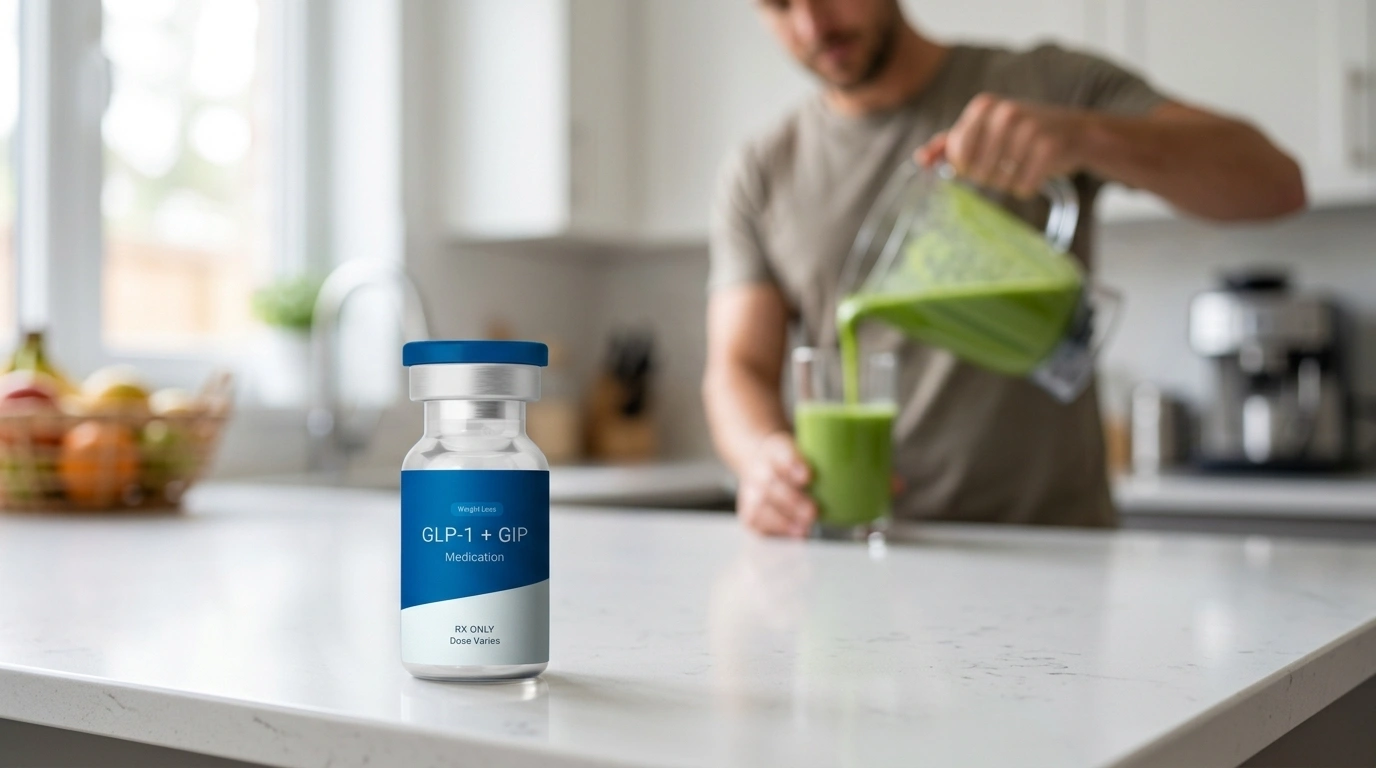
When we discuss advanced weight loss solutions, it’s essential to delve into the precise mechanisms that make them effective. Zepbound, a newer medication in the weight management landscape, represents a significant step forward due to its unique dual-action. Unlike some other medications that target only one hormonal pathway, Zepbound contains the active ingredient tirzepatide, which acts as a dual agonist, meaning it activates both GIP and GLP-1 receptors. This dual mechanism is key to its profound impact on appetite and overall metabolic health.
The Science Behind Tirzepatide
Tirzepatide works by mimicking the natural incretin hormones, GLP-1 and GIP. When food is consumed, these hormones are released from the gut, sending signals that affect various bodily functions related to digestion, metabolism, and appetite.
- Glucagon-like Peptide-1 (GLP-1) Agonism: Activation of GLP-1 receptors has several crucial effects. In the brain, GLP-1 directly influences centers that regulate hunger and satiety, helping to reduce appetite and curb cravings. It also slows down gastric emptying, meaning food stays in the stomach longer, contributing to a prolonged feeling of fullness after meals. This “slowing down” helps prevent overeating and reduces the likelihood of feeling hungry shortly after eating. Additionally, GLP-1 stimulates insulin production in a glucose-dependent manner (only when blood sugar is high), aiding in blood sugar control.
- Glucose-dependent Insulinotropic Polypeptide (GIP) Agonism: GIP also plays a role in glucose metabolism and energy balance. Like GLP-1, it stimulates insulin release, further enhancing blood sugar management. Emerging research suggests that GIP agonism, especially in combination with GLP-1, may offer synergistic benefits for weight loss by influencing fat metabolism and potentially contributing to a greater reduction in body weight compared to GLP-1 agonism alone.
By simultaneously activating both GLP-1 and GIP pathways, tirzepatide leverages multiple natural systems to create a more comprehensive and robust effect on appetite control and metabolic function. This distinct approach is believed to be a major factor in the significant weight loss observed in clinical studies.
Impacting Appetite and Satiety: The Core of the Experience
The question “does Zepbound take away your appetite?” can be answered with a resounding yes, and the dual-action mechanism provides the scientific basis for this effect.
- Direct Appetite Suppression: Zepbound directly influences the brain’s hunger and satiety signals, leading to a noticeable reduction in appetite. Individuals often report feeling less hungry throughout the day, experiencing fewer cravings, and finding it easier to adhere to reduced calorie intake.
- Enhanced Satiety and Reduced Food Noise: The slowed gastric emptying, combined with central nervous system effects, means you feel fuller faster and stay full longer after eating. This extended satiety is crucial in reducing overall food intake. Moreover, many individuals report a significant reduction in “food noise”—that constant mental chatter about food. This newfound mental quietude around eating can be incredibly liberating, allowing individuals to make more intentional food choices rather than being driven by incessant urges.
- Portion Control and Eating Habits: With reduced appetite and increased satiety, individuals often find themselves naturally eating smaller portions without feeling deprived. Some even describe hitting a “wall” during meals, indicating a clear signal that they have had enough to eat, which can be a novel experience for those who have struggled with overeating.
Beyond Appetite: Broader Metabolic Benefits
While appetite suppression is a primary and highly impactful effect of Zepbound, its benefits extend to broader metabolic health improvements.
- Blood Sugar Management: By stimulating insulin release and improving insulin sensitivity—the body’s ability to respond effectively to insulin—Zepbound significantly aids in managing blood sugar levels. This is particularly beneficial for individuals with type 2 diabetes or those at risk.
- Fat Metabolism: Tirzepatide has been shown to increase levels of adiponectin, a hormone that plays a key role in regulating fat metabolism. Higher adiponectin levels are associated with improved metabolic health and can support weight loss by influencing how the body processes and stores fat.
In essence, Zepbound’s dual-action not only addresses the critical aspect of appetite but also works synergistically to enhance metabolic function, creating a powerful foundation for comprehensive weight management. We recognize the importance of these multifaceted benefits and integrate them into our personalized programs, ensuring that participants receive care that extends beyond mere numbers on a scale. To discover how this approach could work for you, we encourage you to take our free assessment quiz.
Clinical Evidence: What the Studies Show
The true measure of any medical intervention lies in its demonstrated efficacy through rigorous clinical trials. For Zepbound, the results from its pivotal studies, particularly the SURMOUNT program, provide compelling evidence of its ability to significantly impact weight loss and related health markers. These studies involved thousands of adults and were designed to evaluate Zepbound’s benefits and risks in diverse populations.
Pivotal Trials: SURMOUNT-1 and SURMOUNT-2
The SURMOUNT program consisted of several large-scale, randomized, placebo-controlled trials. We will focus on two key studies, SURMOUNT-1 and SURMOUNT-2, which specifically investigated Zepbound’s effects on weight loss.
SURMOUNT-1: Weight Loss in Adults Without Diabetes
This study enrolled 2,539 adults aged 18 and older who had obesity (BMI of 30 kg/m² or greater) or excess weight (BMI of 27 kg/m² or greater) with at least one weight-related comorbidity, but without type 2 diabetes. Participants were randomly assigned to receive Zepbound at doses of 5 mg, 10 mg, or 15 mg once weekly, or a placebo, for a duration of 72 weeks (approximately 1 year and 5 months). All participants also received regular counseling on diet and exercise.
The primary endpoints included the percentage change in body weight from baseline and the proportion of participants achieving at least 5% body weight reduction. The results were striking:
- Significant Weight Reduction: Participants treated with Zepbound experienced substantial reductions in body weight. On average, those receiving the highest dose (15 mg) achieved a mean weight loss of around 21-22% of their initial body weight. Lower doses also showed impressive results, with 10 mg leading to approximately 19.5% weight loss and 5 mg to about 15% weight loss.
- High Rates of Clinical Success: A very high percentage of individuals on Zepbound achieved clinically meaningful weight loss. For instance, 91% of those on the 15 mg dose, 89% on the 10 mg dose, and 85% on the 5 mg dose lost at least 5% of their body weight, compared to only 35% on placebo. Even more remarkably, 57% of participants on the 15 mg dose and 50% on the 10 mg dose achieved at least 20% body weight loss, an outcome rarely seen with other non-surgical interventions.
SURMOUNT-2: Weight Loss in Adults with Type 2 Diabetes
This study included 938 adults with obesity or excess weight and type 2 diabetes. Similar to SURMOUNT-1, participants were randomized to receive Zepbound (10 mg or 15 mg once weekly) or a placebo over 72 weeks, alongside lifestyle counseling.
The findings echoed the success of SURMOUNT-1, demonstrating Zepbound’s efficacy even in the context of type 2 diabetes, where weight loss can often be more challenging:
- Substantial Weight Loss: Participants on Zepbound 15 mg achieved an average weight loss of approximately 15.7%, while those on 10 mg lost around 13.4% of their body weight.
- Improved Glycemic Control: Beyond weight loss, Zepbound also significantly improved blood sugar control, as evidenced by reductions in HbA1c levels, which is a measure of average blood sugar over the past two to three months. This dual benefit of weight reduction and improved glycemic control underscores its value for individuals managing both conditions.
- High Responders: 83% of individuals on the 15 mg dose and 79% on the 10 mg dose achieved at least 5% weight loss, compared to 33% on placebo.
Consistent and Broadly Applicable Results
A notable aspect of these studies is the consistency of Zepbound’s effects across various demographics. The weight loss achieved was not significantly affected by factors such as age, sex, race, ethnicity, or starting body mass index (BMI). This suggests that Zepbound offers a broadly effective option for a diverse patient population. The consistent weight loss observed over the 72-week duration also highlights its potential for sustained results, a critical factor for long-term health improvements.
The clinical evidence clearly demonstrates that Zepbound significantly reduces appetite and leads to substantial and sustained weight loss when used in conjunction with diet and exercise. Furthermore, it offers meaningful improvements in metabolic health markers, particularly for those with type 2 diabetes. These robust findings are why we at TrimRx consider medications like Zepbound to be vital tools within a comprehensive, personalized weight loss strategy. To explore if a personalized treatment plan incorporating such advancements is right for you, we invite you to complete our free assessment quiz.
Is Zepbound Right for Your Journey? Eligibility and Considerations
Embarking on a weight loss journey is a personal decision, and finding the right tools and support is paramount. At TrimRx, we believe in a personalized approach, recognizing that no single solution fits everyone. For those considering medications like Zepbound, understanding eligibility criteria and how it integrates into a broader treatment plan is essential.
Who Qualifies: Understanding the Medical Guidelines
Zepbound (tirzepatide) is an FDA-approved prescription medication specifically for chronic weight management in adults. The criteria for its use are generally based on an individual’s Body Mass Index (BMI) and the presence of weight-related health conditions:
- Obesity: Individuals with a BMI of 30 kg/m² or greater.
- Overweight with Comorbidities: Individuals with a BMI of 27 kg/m² or greater who also have at least one weight-related health condition. These conditions can include, but are not limited to, high blood pressure (hypertension), type 2 diabetes, obstructive sleep apnea, dyslipidemia (high levels of fat, including cholesterol and triglycerides, in the blood), and heart disease.
Beyond these objective measures, a licensed healthcare provider will also review your medical history, current health status, and any past attempts at weight loss to determine if Zepbound is a suitable and safe option. Certain conditions, such as a personal or family history of a specific type of thyroid cancer (medullary thyroid carcinoma) or Multiple Endocrine Neoplasia syndrome type 2 (MEN 2), would typically exclude an individual from using Zepbound due to potential risks identified in animal studies.
Your Path to Personalized Care: The TrimRx Assessment
Deciding if Zepbound, or any prescription weight loss medication, is appropriate for you requires a thorough evaluation by medical professionals. This is where our personalized assessment at TrimRx comes in. Our platform is designed to guide you through this initial step, ensuring that your treatment plan is tailored to your unique health profile and goals.
We encourage you to take our free assessment quiz to begin this process. This quiz helps us understand your health background and determine your potential eligibility for our personalized weight loss programs, which may include options such as:
- Compounded Semaglutide
- Oral Semaglutide
- Ozempic® (a branded semaglutide product, FDA-approved)
- Compounded Tirzepatide
- Oral Tirzepatide
- Mounjaro® (a branded tirzepatide product, FDA-approved for type 2 diabetes)
- Zepbound® (a branded tirzepatide product, FDA-approved)
- Wegovy® (a branded semaglutide product, FDA-approved)
It’s important to note that while branded medications like Ozempic®, Zepbound®, Mounjaro®, and Wegovy® are FDA-approved, compounded medications are not. However, all medications provided through TrimRx are sourced from FDA-registered and inspected pharmacies, ensuring quality and safety.
Our Comprehensive Service: Support at Every Step
At TrimRx, our commitment extends beyond simply providing medication. We offer a comprehensive service designed to support you throughout your entire weight loss journey, fostering sustainable change. Our personalized programs include:
- Doctor Consultations: Access to licensed medical professionals who evaluate your health, discuss your goals, and prescribe the most appropriate treatment plan.
- Medication: Prescription weight loss medications, delivered directly from FDA-registered and inspected pharmacies. We partner with these pharmacies for the shipping of weight loss medications, and the actual medical supervision is provided by the licensed professionals within our network.
- Lab Work: Essential laboratory testing to ensure safety and monitor your progress.
- Unlimited Support: Ongoing guidance and support from our team, ensuring you have the resources you need.
- Shipping: Convenient and discreet delivery of your medication to your doorstep.
We pride ourselves on transparent service, meaning our comprehensive approach remains consistent regardless of dosage changes. Our brand is empathetic, innovative, trustworthy, supportive, and results-oriented, built on the foundation that sustainable weight loss should be achieved through science, empathy, and a transparent approach. We believe in providing compassionate care that respects every individual’s unique journey by combining advanced medical science with modern technology.
If you are ready to explore a personalized, medically-supported path to weight loss, we invite you to take our free assessment quiz. It’s the first step towards a healthier, more confident you, backed by the science and support you deserve.
Navigating the Journey: What to Expect with Zepbound
Embarking on a new weight management path with a medication like Zepbound involves a learning curve, and understanding what to expect can empower you to navigate this journey successfully. From the initial dosing to managing potential side effects, being informed is key to a positive experience.
Dosage and Titration: A Gradual Ascent
Zepbound is typically administered as a once-weekly injection. Unlike some medications that start at a full therapeutic dose, Zepbound follows a gradual titration schedule. This means you’ll begin with a lower dose, typically 2.5 mg, for the first four weeks.
Why the Slow Start?
This slow, upward titration is a deliberate strategy designed to allow your body to adjust to the medication. The active ingredient, tirzepatide, impacts various bodily systems, particularly the gastrointestinal tract and appetite regulation centers. Introducing it gradually helps minimize the occurrence and severity of potential side effects. Over time, your healthcare provider will assess your tolerance and progress, slowly increasing the dose in increments (e.g., to 5 mg, 10 mg, or 15 mg) until an optimal maintenance dose is reached. This personalized approach ensures that the medication works effectively while prioritizing your comfort and safety. It’s crucial not to change your dose or stop Zepbound unless instructed by your healthcare provider.
Timeline for Results: Appetite Suppression vs. Visible Weight Loss
While Zepbound begins to act on your appetite-regulating hormones almost immediately after injection (reaching maximum levels in the body within 8 to 72 hours), the visible effects on weight loss take time.
- Immediate Appetite Modulation: Many individuals report a noticeable reduction in appetite and an increase in satiety within the first few days or weeks of starting Zepbound. This feeling of being less hungry and fuller for longer is a key indicator that the medication is working.
- Gradual Weight Loss: Significant weight loss, as evidenced in clinical trials, typically unfolds over several weeks and months. Your healthcare provider will monitor your progress during regular visits and may adjust your dose to suit your individual needs. Remember, Zepbound is designed to be used as part of a comprehensive program that includes a reduced-calorie diet and increased physical activity. The combination of these elements leads to the best outcomes.
Important Considerations: Managing Side Effects and Interactions
Like all medications, Zepbound can cause side effects. Awareness and proactive management are crucial for a smoother experience.
Common Side Effects and Management Strategies
The most frequently reported side effects are primarily gastrointestinal in nature, including:
- Nausea, Vomiting, Diarrhea, Constipation, Abdominal Pain, Indigestion: These are common as your body adjusts to the medication, especially during dose escalation.
- Management Tips: To alleviate these, try incorporating more fruits and vegetables into your diet, dividing your daily food intake into multiple smaller portions, and avoiding greasy or heavy meals that can be difficult to digest. Staying adequately hydrated by drinking plenty of fluids throughout the day is also vital, especially if you experience vomiting or diarrhea. Limiting large amounts of coffee and alcohol can also be helpful.
- Injection Site Reactions: Some individuals may experience mild skin sensitivity where the injection is administered.
- Fatigue, Belching, Hair Loss, Heartburn: These can also occur and are typically transient.
Serious Side Effects: What to Watch For
While less common, it’s important to be aware of potential serious side effects and to communicate immediately with your healthcare provider if you experience them.
- Risk of Thyroid Cancer: In animal studies, Zepbound has been shown to cause thyroid tumors and cancers. It is currently unknown if it has the same effect in humans. You should inform your doctor if you notice any lump or swelling in your neck, experience a raspy or low voice (hoarseness), have trouble swallowing, or shortness of breath. Zepbound should not be used if you or anyone in your family has a history of medullary thyroid carcinoma or if you have Multiple Endocrine Neoplasia syndrome type 2 (MEN 2).
- Gallbladder Problems: Zepbound can cause gallbladder issues such as gallstones or inflammation. Report symptoms like severe stomach pain, nausea, or yellowing of your skin or eyes to your doctor. Avoiding greasy foods can help mitigate this risk.
- Vision Changes: If you have type 2 diabetes, inform your healthcare provider of any changes in your vision while on Zepbound.
- Mood Changes: Be attentive to shifts in your mood or mental state. Notify your healthcare provider if you experience unusually negative feelings or thoughts that cause concern.
Drug Interactions
Zepbound can interact with other medications:
- Blood Sugar-Lowering Medications: Since Zepbound lowers blood sugar, your doctor may need to adjust the doses of other diabetes medications (e.g., insulin, sulfonylureas) to prevent hypoglycemia (blood sugar dropping too low).
- Oral Medications: Zepbound slows down gastric emptying, which can affect how quickly orally administered medications are absorbed into your bloodstream. Always inform your healthcare provider and pharmacist about all prescription, over-the-counter medicines, vitamins, supplements, and herbal products you are taking.
At TrimRx, we prioritize your safety and informed decision-making. Our comprehensive service includes guidance on managing side effects and understanding potential interactions, ensuring you feel supported and confident throughout your weight loss journey. Our commitment to safety is paramount, which is why we work exclusively with FDA-registered and inspected pharmacies for all medications. Through our personalized programs, we offer a pathway to help you understand and mitigate these considerations, integrating them into a plan that works for you. You can take our free assessment quiz to learn more about how our approach can support your unique needs.
The Holistic Approach to Sustainable Weight Loss
Achieving sustainable weight loss goes far beyond simply taking a medication; it involves cultivating a holistic understanding of health and building lasting habits. While Zepbound and similar medications offer powerful biological support by modulating appetite and metabolism, they are most effective when integrated into a broader lifestyle transformation. At TrimRx, we advocate for this comprehensive approach, recognizing that true well-being encompasses physical activity, nutritional awareness, and mental resilience.
More Than Just Medication: The Role of Lifestyle
The impressive results from clinical trials for Zepbound were achieved in conjunction with regular sessions with a diet expert and exercise guidance. This highlights a fundamental truth: medication acts as a powerful tool that makes adhering to healthy lifestyle changes more achievable, but it doesn’t replace the need for them.
- Rethinking Diet: Instead of focusing purely on restriction, which our bodies are biologically programmed to resist, we encourage a paradigm shift. The goal isn’t to “eat less” but rather to find ways to “eat smart” and “move more.” Medications like Zepbound can quiet the incessant “food noise” and reduce hunger, creating the mental space to make conscious, nutritious food choices. This might mean prioritizing fiber and protein for enhanced satiety, or understanding which foods nourish your body best without triggering cravings.
- Embracing Physical Activity: Physical activity is an absolutely essential component for maintaining weight loss and improving overall health. While medications can facilitate weight loss without intense exercise, regular physical activity is critical for long-term success. It enhances metabolism, builds muscle mass, improves cardiovascular health, and boosts mood. Even if you’re on medication, increasing your activity level can not only enhance weight loss but also prepare your body for maintenance, should you decide to transition off medication in the future.
Life Beyond Medication: Building Lasting Habits
A common concern for individuals considering weight loss medications is the possibility of regaining weight if they stop treatment. It’s true that for many, the appetite-suppressing effects and reduction in “food noise” diminish once medication is discontinued, leading to a return of baseline hunger levels. This underscores the importance of using the period on medication as an opportunity to build robust, sustainable habits.
- The Transition Period: If and when you decide to stop medication, there will be a transition period. This time is critical for applying the healthy eating and exercise routines you’ve developed. Our programs at TrimRx aim to help you cultivate these habits from day one, so you are better equipped to maintain your achievements.
- Mindset and Resilience: Weight management is as much a mental game as it is a physical one. Developing resilience, learning to handle challenges, and fostering a positive mindset are invaluable skills for long-term success. We emphasize that taking medication is not “cheating”; it’s a strategic way to level the playing field against powerful biological forces, giving you a fair fight with your biology.
TrimRx’s Commitment to Your Sustainable Success
At TrimRx, our values of empathy, innovation, trustworthiness, support, results-orientation, and personalization are woven into every aspect of our service. We understand that each person’s journey is unique, and we are dedicated to providing a comprehensive, medically-supported environment designed to foster lasting health. Our platform combines advanced medical science with modern technology, ensuring you receive compassionate, individualized care.
We believe in supporting you at every turn, which is why our personalized weight loss programs, which may include prescription medications like Ozempic®, Zepbound®, Mounjaro®, Wegovy®, or compounded options, come with doctor consultations, lab work, unlimited support, and convenient shipping—all with no hidden fees. We partner with FDA-registered and inspected pharmacies to ensure the safe and reliable delivery of your prescribed medications.
For those looking for immediate support during their weight loss journey, we also offer quick-access supplements that do not require a quiz:
- GLP-1 Daily Support: Designed to complement your overall wellness, this supplement offers targeted support.
- Weight Loss Boost: Another excellent option for immediate support, helping to enhance your journey toward better health.
These supplements can be a great addition to your routine, whether you are exploring prescription options or seeking non-prescription ways to support your goals. Our ultimate goal is to empower you to achieve and maintain your desired weight, fostering a healthier, more vibrant life. We are here to partner with you, offering transparent service and unwavering support throughout your entire transformation.
Conclusion
The persistent question, “does Zepbound take away your appetite?”, is central to understanding its profound impact on weight management. As we’ve explored, Zepbound, with its active ingredient tirzepatide, acts as a unique dual agonist of both GIP and GLP-1 receptors. This innovative mechanism directly influences the brain’s hunger and satiety centers, slows gastric emptying, and significantly reduces the often-debilitating “food noise.” The compelling clinical evidence from studies like SURMOUNT-1 and SURMOUNT-2 unequivocally demonstrates Zepbound’s ability to achieve substantial and sustained weight loss, alongside significant improvements in metabolic health, particularly for those with weight-related comorbidities.
At TrimRx, we recognize that this scientific breakthrough is most powerful when integrated into a comprehensive, personalized approach to well-being. Zepbound is not a standalone “magic bullet”; it’s a sophisticated tool that, when combined with healthy eating, regular physical activity, and ongoing support, empowers individuals to reclaim control over their health. We are dedicated to providing a user-friendly and supportive space where individuals receive personalized, medically-supported care—all designed to make sustainable weight loss attainable and tailored to the individual. Our journey began with a shared vision to merge cutting-edge telehealth innovations with effective weight loss solutions, emphasizing science, empathy, and transparency.
Whether you’re exploring the potential of prescription medications like Zepbound, Ozempic®, Mounjaro®, or Wegovy®, or looking for immediate support with our GLP-1 Daily Support or Weight Loss Boost supplements, TrimRx is here to guide you. Our commitment to transparent service, compassionate care, and partnerships with FDA-registered and inspected pharmacies ensures that you receive safe, effective, and high-quality solutions.
We encourage you to take the first step towards a healthier future. Discover how our personalized programs, which include doctor consultations, medication, lab work, unlimited support, and shipping with no hidden fees, can transform your weight loss journey. Begin by taking our free assessment quiz to see if you qualify for our prescription weight loss medications, or explore our quick-access supplements to support your overall wellness today. Your path to sustainable health and improved quality of life starts here.
FAQ
Q1: How quickly does Zepbound start to affect appetite, and when will I see weight loss results?
While Zepbound starts working to suppress appetite within hours of your first dose, reaching maximum levels in your body between 8 and 72 hours, the actual weight loss results will develop gradually. Many individuals report feeling reduced hunger and increased fullness within the first few weeks. Significant body weight reduction, however, typically occurs over several months, as shown in the 72-week clinical trials. Consistency with the medication, combined with dietary changes and increased physical activity, is key to achieving optimal and sustained results.
Q2: What is “food noise,” and how does Zepbound help to reduce it?
“Food noise” refers to the constant, often intrusive, thoughts and preoccupations about food, cravings, and eating that many individuals struggling with weight experience. It’s an incessant mental chatter that can make healthy eating decisions incredibly challenging. Zepbound helps to reduce food noise by activating GLP-1 and GIP receptors, which directly influence the brain’s hunger and satiety centers. This dual action helps to quiet these persistent urges, allowing for greater mental clarity and making it easier to focus on mindful eating and healthy choices without constant internal struggle.
Q3: What happens if I stop taking Zepbound? Will I regain the weight?
Most people who stop taking GLP-1 and GIP receptor agonists like Zepbound may experience weight regain, as the appetite-suppressing and metabolic effects of the medication diminish. When the medication is discontinued, hunger levels and “food noise” tend to return to their baseline. This highlights the importance of using the time on medication as an opportunity to build and solidify sustainable healthy eating habits and regular physical activity. Our TrimRx programs are designed to support you in developing these long-term strategies, aiming to empower you with the tools to maintain your weight loss even if you decide to transition off medication.
Q4: Does Zepbound offer benefits beyond just weight loss?
Yes, Zepbound offers several significant benefits beyond direct weight reduction. Due to its dual action on GLP-1 and GIP receptors, it plays a crucial role in improving blood sugar management by stimulating insulin release and enhancing insulin sensitivity, making it particularly beneficial for individuals with type 2 diabetes. Additionally, tirzepatide can increase levels of adiponectin, a hormone involved in fat metabolism, which contributes to improved metabolic health. Clinical studies have also shown that the substantial weight loss achieved with Zepbound can lead to improvements in other weight-related health conditions, such as high blood pressure, high cholesterol, and obstructive sleep apnea.

Transforming Lives, One Step at a Time
Keep reading

Why Is There a Bruise Where I Injected My Zepbound?
A bruise means a small blood vessel was disturbed under the skin and blood spread into the surrounding tissue. It is one of the…

My Zepbound Pen Won’t Click Past a Certain Dose
Start by checking which device you are holding, because the answer depends entirely on that. Zepbound has commonly been supplied in the United States…

Zepbound Alternatives: Your Options Compared
If Zepbound isn’t the right fit, the main alternative is semaglutide (sold as Wegovy), which produces slightly less weight loss but works similarly, along…


