Is Tirzepatide Being Taken Off the Market?
Introduction
The headlines surrounding weight loss medications change almost as quickly as the science behind them. If you have been following the news about GLP-1 medications, you may have seen confusing reports suggesting that tirzepatide is being removed from the market or that access is being restricted. This can be incredibly frustrating when you are finally finding a path toward better health that actually works.
The short answer is that tirzepatide is not being taken off the market. In fact, the branded versions of the medication are becoming more available than ever. The confusion stems from a shifting regulatory landscape regarding how these medications are prepared and distributed during nationwide shortages. At TrimRx, we believe in providing clear, honest information so you can navigate your wellness journey with confidence. This post will cover the current FDA status of tirzepatide, the difference between branded and compounded options, and how you can complete a free eligibility assessment through our platform.
The Current Status of Tirzepatide
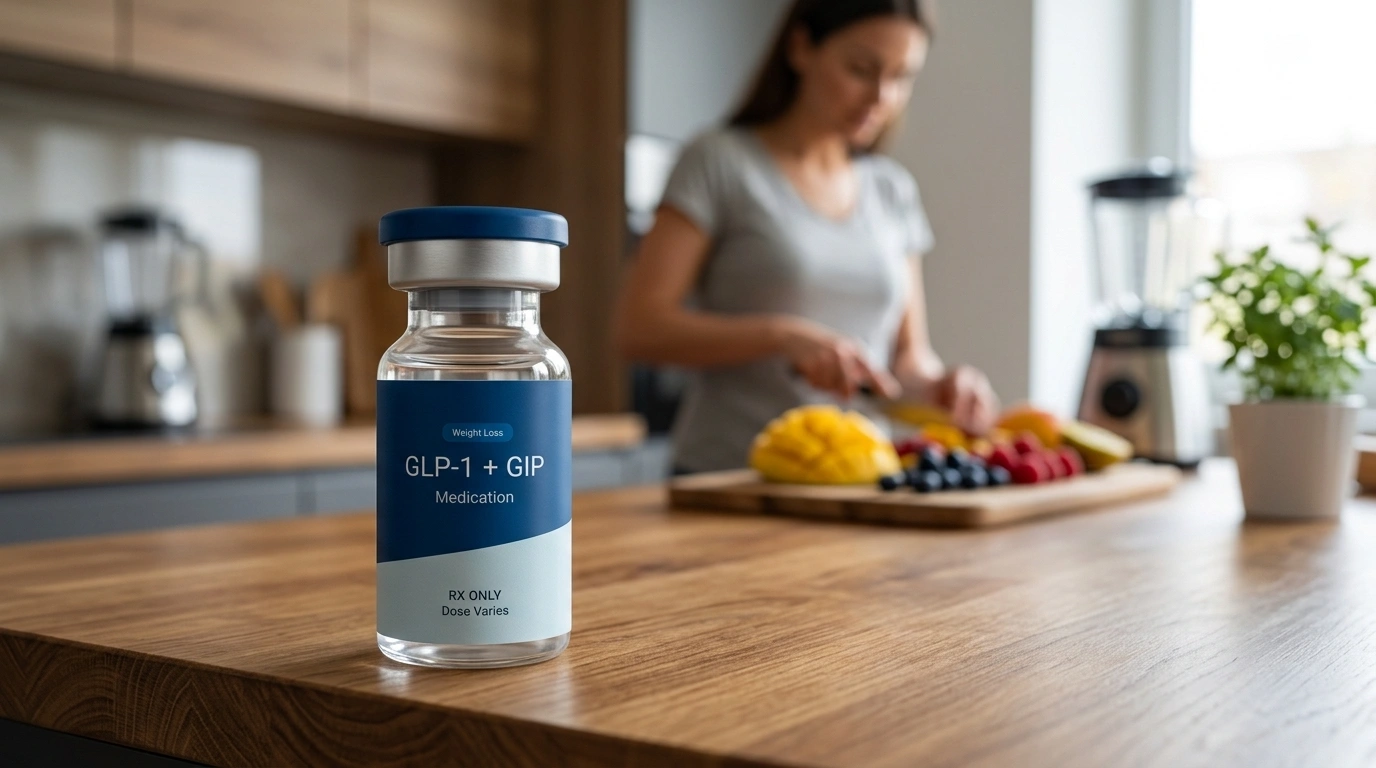
To understand the headlines, we first need to look at what tirzepatide actually is. Tirzepatide is a dual-action medication. It belongs to a class of drugs known as GLP-1 and GIP receptor agonists. In plain English, this means it mimics two natural hormones in your body: glucagon-like peptide-1 (GLP-1) and glucose-dependent insulinotropic polypeptide (GIP). These hormones help regulate your blood sugar and tell your brain when you are full.
The FDA originally approved tirzepatide under the brand name Mounjaro® for the treatment of type 2 diabetes. Later, it was approved under the brand name Zepbound® specifically for chronic weight management. Neither of these branded medications is being taken off the market. They are widely considered a breakthrough in metabolic health.
For a closer explanation of tirzepatide’s dual-hormone activity, read this guide to how tirzepatide works for weight loss and diabetes.
The reason people are asking “is tirzepatide being taken off the market” is due to the “shortage list.” For a long time, demand for these medications was so high that the manufacturers could not keep up. When a drug is officially on the FDA shortage list, the law allows specialized pharmacies to create compounded versions of the medication to ensure patients still have access to treatment.
Understanding the FDA Shortage List
The FDA maintains a database of medications that are in short supply. When a medication is listed here, it triggers certain regulatory flexibilities. One of those flexibilities involves compounding pharmacies.
Compounding is the process where a licensed pharmacist mixes or alters ingredients to create a medication tailored to the needs of an individual patient. Under Section 503A and 503B of the Federal Food, Drug, and Cosmetic Act, these pharmacies can produce “essentially a copy” of an FDA-approved drug only when that drug is in shortage.
Recently, the FDA announced that the shortage for tirzepatide had been resolved. This meant that the branded versions, Mounjaro® and Zepbound®, were now considered available in sufficient quantities. When a drug comes off the shortage list, the legal “window” for mass-producing compounded versions typically begins to close. This is what caused the wave of “taken off the market” headlines. It wasn’t about the medication itself disappearing; it was about a change in how the compounded versions are regulated.
The Legal Seesaw
The situation has been fluid. After the FDA moved to take tirzepatide off the shortage list, several compounding associations filed lawsuits. They argued that patients still faced difficulties accessing the branded versions and that the shortage had not truly ended.
In response to these legal challenges, the FDA has at times paused its enforcement or agreed to reconsider the shortage status. This means that while the branded medications remain fully available, the availability of compounded tirzepatide can fluctuate based on the most recent court rulings and FDA updates.
Branded vs. Compounded Tirzepatide
It is important to understand the distinction between these two versions of the medication. This distinction is at the heart of the current market confusion.
Branded Medications: Mounjaro® and Zepbound® are the branded versions of tirzepatide. These have undergone years of clinical trials and have been formally FDA-approved for safety and efficacy. When you fill a prescription for a branded medication, you are getting a product made by the original manufacturer in a specific, standardized dose and delivery device (usually a pre-filled pen).
Compounded Medications: Compounded tirzepatide is prepared by specialized pharmacies. These pharmacies use the same active pharmaceutical ingredient (tirzepatide) but may offer it in different formats, such as vials with syringes rather than pre-filled pens.
Key Takeaway: Compounded tirzepatide is not FDA-approved. While the active ingredient itself is the same as what is found in approved brands, the specific compounded mixture has not gone through the FDA’s formal review process for safety, quality, or effectiveness.
At TrimRx, we connect our members with licensed healthcare providers who can determine which option is most appropriate for their specific health profile and goals. We only work with FDA-registered and inspected compounding pharmacies to ensure that the highest standards of quality are maintained for our members.
Why the Market Is Changing
The shift away from the shortage list is actually a sign of progress in the supply chain. It means the manufacturers of branded tirzepatide have increased their production capacity. For many patients, this is good news because it means the branded pens are becoming easier to find at local pharmacies.
However, for those who have relied on compounded versions—perhaps due to a need for personalized dosing or because their insurance does not cover the branded options—the change in status creates uncertainty.
The pharmaceutical industry is highly regulated to protect patient safety. When a drug is no longer in shortage, the FDA prioritizes the use of the approved branded versions. The agency’s goal is to ensure that patients are using products that have been through the most rigorous testing possible.
How Tirzepatide Works in the Body
Whether you are using a branded or compounded version, the way tirzepatide interacts with your body remains the same. Understanding this mechanism can help you see why this medication is so highly valued and why it is not simply going to vanish from the medical landscape.
Dual Receptor Agonism
Most older weight loss medications, including semaglutide (the active ingredient in Wegovy® and Ozempic®), only target the GLP-1 receptor. Tirzepatide is different because it targets both GLP-1 and GIP.
GLP-1 (Glucagon-like Peptide-1): This hormone is naturally released by your gut after you eat. It stimulates insulin secretion, which helps lower blood sugar. More importantly for weight loss, it slows down “gastric emptying.” This means food stays in your stomach longer, helping you feel full for a longer period. It also sends signals to the brain’s reward center to reduce cravings.
GIP (Glucose-dependent Insulinotropic Polypeptide): GIP is another hormone released after eating. Research suggests that when combined with GLP-1, GIP may further improve how the body breaks down sugar and fat. Some studies indicate that GIP may also help reduce the nausea that sometimes accompanies GLP-1 medications, making the treatment easier to tolerate for many people.
By acting on both receptors, tirzepatide provides a “double-hit” to the body’s metabolic signals. This often leads to more significant weight loss results in clinical trials compared to medications that only target one hormone receptor.
For another detailed look at this mechanism, explore this explanation of tirzepatide’s dual GIP and GLP-1 action.
Is Tirzepatide Safe?
Safety is the most important consideration in any medical journey. Because tirzepatide is a powerful medication that affects your hormones and digestion, it must be used under medical supervision.
The branded versions, Mounjaro® and Zepbound®, have been extensively studied in the SURMOUNT and SURPASS clinical trials. These trials involved thousands of participants and showed that the medication is generally safe and effective for long-term use when used as directed.
However, like all medications, it can have side effects. Most side effects are gastrointestinal and occur when you first start the medication or when your dose is increased. Common experiences include:
- Nausea
- Diarrhea
- Constipation
- Occasional vomiting
- Indigestion or stomach pain
These symptoms often subside as your body adjusts to the medication. This is why a personalized program is so beneficial; a provider can help you titrate (slowly increase) your dose to minimize discomfort.
You can also review this guide to common GLP-1 side effects and what to expect.
Important: You should always consult with a licensed healthcare professional before starting tirzepatide. It may not be suitable for individuals with a history of medullary thyroid carcinoma or Multiple Endocrine Neoplasia syndrome type 2 (MEN 2).
The Role of Personalization in Weight Loss
The reason platforms like TrimRx exist is that weight loss is never “one size fits all.” The controversy over compounded medications often centers on the idea of personalization.
Some patients find that the standard doses of branded medications move too quickly for them, leading to side effects. Others may have sensitivities to specific inactive ingredients found in branded pens. Compounding allows for a level of customization—such as slightly different dosages or the addition of vitamins like B12—that isn’t available with mass-produced branded products.
Our mission is to help individuals embrace a healthier lifestyle through a transparent and personalized approach. By using a telehealth-first model, we make it possible for you to speak with a provider from the comfort of your home, discuss your medical history, and find a treatment plan that fits your unique biology.
Navigating the Telehealth Landscape
With the changing regulations around tirzepatide, it is more important than ever to use a reputable telehealth platform. The FDA has issued warnings about “red flags” when looking for weight loss medications online.
A trustworthy platform should:
- Require a medical consultation: You should never be able to buy tirzepatide without a screening by a licensed doctor.
- Provide access to specialists: You should have a dedicated team to answer your questions 24/7.
- Use accredited pharmacies: Any medication should come from a pharmacy that is state-licensed and FDA-inspected.
- Be transparent: There should be no hidden fees, and the process should be clearly explained.
We take these responsibilities seriously. We provide a comprehensive service model that includes doctor consultations, lab work, and unlimited support. Whether the medication is branded or compounded, the clinical oversight remains the same.
If you want to understand the typical process for accessing treatment, read how to get a GLP-1 medication for weight loss.
What to Do If Your Access Is Affected
If you have been using a compounded version of tirzepatide and are worried about it being “taken off the market,” here are the steps you should take:
Step 1: Don’t Panic The medication itself is not illegal or banned. The changes are purely regulatory regarding how it is manufactured and sold during non-shortage periods.
Step 2: Check with Your Provider Contact the team managing your care. They will have the most up-to-date information on the current legal status of compounded options and can help you transition to a branded version if necessary.
Step 3: Explore Branded Options Now that the shortage is resolving, your insurance may be more likely to cover branded Mounjaro® or Zepbound®. Your telehealth provider can help you navigate the prior authorization process or find manufacturer savings cards.
Step 4: Focus on Metabolic Health Medication is a powerful tool, but it works best as part of a larger lifestyle change. Focus on protein intake, hydration, and resistance training to preserve muscle mass while the medication helps you manage your weight.
The Future of GLP-1 Medications
The market for weight loss drugs is evolving rapidly. Tirzepatide is just one of many medications in this category. Researchers are currently working on oral versions of these drugs and even “triple-agonist” medications that target three different hormone receptors.
The fact that the FDA is moving tirzepatide off the shortage list is actually a sign of the industry maturing. It means that supply is catching up with the massive global demand. While the transition period can be confusing for patients, the end result will likely be more stable access to these life-changing treatments.
Why Support Matters
A weight loss journey is emotional. It’s not just about the numbers on the scale; it’s about how you feel, your energy levels, and your long-term health. When headlines create fear about medication availability, it can feel like a setback.
That’s why having a dedicated support system is vital. At TrimRx, we act as a knowledgeable, empathetic guide. We understand the frustration of failed diets and the confusion of changing regulations. We are here to ensure that your treatment remains consistent and that you always have a clear path forward, regardless of what is happening in the news.
Supporting Your Journey with Supplements
In addition to prescription programs, many people find success by supporting their bodies with targeted nutrients. While medications like tirzepatide manage hunger and blood sugar, your body still needs specific support to function at its best during rapid weight loss.
We offer quick-access supplements like GLP-1 Daily Support and Weight Loss Boost. These are designed to provide the vitamins and minerals that can sometimes be lacking when your appetite is significantly reduced. These supplements do not require a prescription and can be a great addition to any wellness routine, helping to maintain energy and support metabolic health.
Conclusion
Tirzepatide is not being taken off the market. The branded versions, Zepbound® and Mounjaro®, are becoming more available as the manufacturer increases production. The current debate is simply about whether compounding pharmacies can continue to make “essentially a copy” of these drugs now that the official shortage is ending.
The most important thing you can do is stay informed and stay connected with your healthcare provider. Your journey to better health doesn’t have to be interrupted by regulatory shifts. By choosing a personalized, science-backed program, you can ensure that you are always receiving the most appropriate and safest care for your needs.
Bottom line: Tirzepatide remains a cornerstone of modern weight loss treatment. Whether through branded options or personalized compounded formulations, the goal remains the same: sustainable, healthy weight management supported by clinical expertise.
If you are ready to take the next step in your health journey, the best place to start is to find out if GLP-1 medications may be right for you. We are here to help you navigate the options and find the path that works for you.
FAQ
Is tirzepatide the same thing as Zepbound®?
Yes, tirzepatide is the active pharmaceutical ingredient in the branded medication Zepbound®. While Zepbound® is specifically FDA-approved for weight loss, tirzepatide is also the active ingredient in Mounjaro®, which is approved for type 2 diabetes.
Why did the FDA say the tirzepatide shortage is over?
The FDA removes a drug from the shortage list when the manufacturer demonstrates it can meet the current national demand. This means that pharmacies and patients should now be able to find the branded versions of tirzepatide more easily than they could in previous months.
Can I still get compounded tirzepatide if the shortage is over?
The availability of compounded tirzepatide depends on current legal rulings and whether the pharmacy is creating a “personalized” version rather than a copy. While mass compounding is restricted when there is no shortage, doctors can still prescribe compounded medications for individual patients who have specific medical needs that the branded versions cannot meet.
How do I know if tirzepatide is right for me?
Tirzepatide is generally recommended for adults with a BMI of 30 or greater, or a BMI of 27 or greater with at least one weight-related condition like high blood pressure. You must complete a medical assessment with a licensed provider to determine if you are a candidate for the medication.
Disclaimer: This content is for informational purposes only and does not constitute medical advice. It is not intended to diagnose, treat, cure, or prevent any disease or condition. Individual results may vary. Always consult a qualified healthcare professional before starting any weight loss program or medication.

Transforming Lives, One Step at a Time
Keep reading

Should You Taper Off Tirzepatide or Just Stop? What the Evidence Says
There is very little direct evidence either way, and anyone who tells you otherwise is filling a gap with confidence. The withdrawal trials that…
Stalled on Tirzepatide Even After a Dose Increase: Your Options
The first thing to check is how long it has been since the increase, because most people ask this question too early. A dose…

Why Did Tirzepatide Stop Working After Three Months of Fast Loss?
Five things explain almost all of it, and the first is the least satisfying: the fast stretch was never going to last. Weight loss…


