Do You Take Zepbound in the Morning or at Night?
Introduction
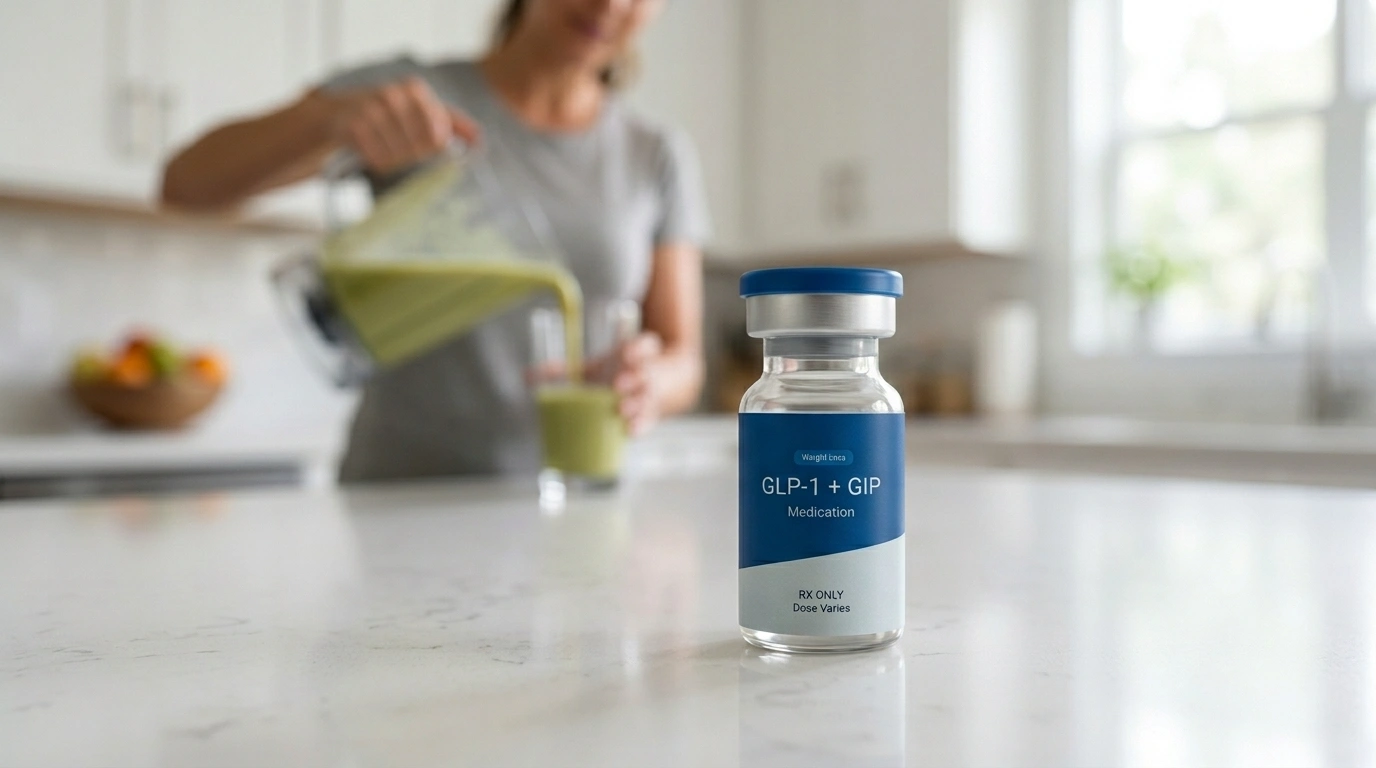
Starting a weight loss journey with a once-weekly injectable medication often brings up many logistical questions. You might be wondering exactly when to click the pen or how to fit the treatment into your busy schedule. One of the most common questions for those starting their program is whether the time of day impacts how the medication works or how they feel. Specifically, is it better to take Zepbound® at night, or should you wait until the morning? At TrimRx, we believe that understanding the nuances of your treatment is the first step toward a sustainable and successful health transformation. While the official guidance suggests that the time of day does not change the clinical effectiveness of the medication, your personal experience with side effects might lead you to prefer one window over another. This guide explores the safety of nighttime dosing, the science of medication timing, and how to choose the best schedule for your needs.
Quick Answer: It is safe to take Zepbound® at either time of day. The medication is designed for once-weekly dosing and can be administered with or without food. Most people choose their timing based on when they find it easiest to manage potential side effects like nausea or fatigue.
If you are considering prescription support, you can complete a free eligibility assessment to explore whether a personalized program may be appropriate for you.
The Science of Weekly Medication Timing
Zepbound® contains the active ingredient tirzepatide. This medication is known as a dual GIP and GLP-1 receptor agonist. GIP stands for glucose-dependent insulinotropic polypeptide, and GLP-1 stands for glucagon-like peptide-1. These are hormones naturally found in your body that help regulate appetite and blood sugar levels. Because this is a long-acting medication, its effectiveness is not tied to the immediate hours following the injection.
The medication is designed to be released slowly into your system. Once you perform the injection, it takes several hours for the concentration in your blood to rise. It then remains at a therapeutic level for the entire week. This is why the specific hour of administration is less critical than the day you choose. Whether you inject at 8:00 AM or 8:00 PM, the metabolic benefits remain largely the same over the seven-day period.
For a broader explanation of weekly medication timing, read this guide to when to take tirzepatide.
Understanding the Half-Life of Tirzepatide
In clinical terms, a “half-life” refers to the time it takes for the concentration of a substance in your body to reduce by half. Tirzepatide has a half-life of approximately five days. This long duration is why you only need to take it once a week. Because the medication lingers in your system for so long, the slight difference between a morning dose and an evening dose does not cause a significant “dip” or “spike” in its weight-management capabilities.
The Peak Concentration Window
While the medication works all week, it usually reaches its peak concentration in the blood between 8 and 24 hours after the injection. This peak is often when individuals are most likely to experience gastrointestinal side effects. Understanding this window is the primary reason many people consider nighttime dosing. If you take your dose at 9:00 PM, the peak concentration may begin to rise while you are still sleeping, which can change how you perceive those early side effects.
Key Takeaway: Because tirzepatide stays in the system for a long time, the exact hour of your dose matters less for weight loss results and more for how you manage your daily routine and physical comfort.
The Case for Taking Your Dose at Night
For many individuals, taking their medication before bed is a strategic choice. Personalizing your schedule is a key part of how we approach weight management. Nighttime dosing is a popular strategy for several practical reasons.
Sleeping Through Initial Side Effects
Some people experience mild nausea or a “queasy” feeling shortly after their injection. By taking the dose at night, you may find that you can sleep through the initial onset of these symptoms. If the nausea typically hits you four to six hours after the injection, nighttime dosing allows that window to pass while you are unconscious. This can make the following morning feel much more manageable.
For more information about common reactions, explore this guide to tirzepatide injection side effects.
Convenience and Routine
Many people have a more stable routine in the evening than they do in the busy morning hours. Incorporating your injection into your nighttime skincare or dental routine can make it easier to remember. There is often less rushing in the evening. This allows you to focus on proper injection technique and site rotation without the pressure of a morning commute or getting children ready for school.
Reduced Injection Anxiety
If you are nervous about needles, taking the dose right before bed may be less stressful. Once the injection is done, you can immediately lie down and relax. This is often preferable to taking a dose and then having to gather the energy to start a productive workday.
Note: If you choose to take your dose at night, try to finish your last meal at least two to three hours before bed. This helps minimize the risk of acid reflux while you sleep.
The Case for Taking Your Dose in the Morning
While nighttime dosing has benefits, morning injections are the better choice for many others. Your biological response to the medication is unique, and some factors make the morning a superior option for certain health profiles.
Managing Acid Reflux and Heartburn
One way GLP-1 medications work is by slowing down gastric emptying. This means food stays in your stomach for a longer period. If you take your injection at night and then lie flat, you may be more prone to heartburn or acid reflux. Staying upright and active during the day after a morning injection can help keep stomach acid where it belongs.
For additional information, read this Zepbound acid reflux guide.
Monitoring Your Body’s Reaction
Taking a dose in the morning allows you to monitor how you feel throughout the day. If you are new to the medication, you might want to be awake to see if you experience any immediate sensations. This also makes it easier to stay on top of hydration. You can proactively drink water and electrolytes throughout the day to combat the fatigue that sometimes follows a dose.
Avoiding Sleep Disruption
While many people find that the medication does not affect their sleep, some patients report a “burst” of energy or a sense of restlessness after an injection. If you find that you are sensitive to the hormonal shifts the medication causes, a nighttime dose might lead to insomnia or vivid dreams. In these cases, a morning dose ensures the medication has settled into your system long before you try to rest.
Comparing Morning vs. Evening Doses
Neither time is objectively better in a clinical sense. However, one may be better for your specific lifestyle and side effect profile.
| Factor | Morning Injection | Evening Injection |
|---|---|---|
| Nausea Management | You are awake to use ginger, tea, or anti-nausea tools. | You may sleep through the initial onset of nausea. |
| Energy Levels | Fatigue might hit during the workday. | Fatigue might set in while you are already resting. |
| Reflux Risk | Lower, as you remain upright and active. | Higher, especially if lying down shortly after eating. |
| Routine | Good if you have a consistent breakfast habit. | Good if your evenings are calmer than your mornings. |
Managing Side Effects Regardless of Timing
Whether you take your dose in the morning or the evening, managing side effects is about more than just the clock. The goal of a medically supervised program is to help you feel your best while your body adjusts.
Focus on hydration. Dehydration can worsen both nausea and fatigue. Make sure you are drinking plenty of water throughout the day of your injection. Electrolyte supplements can also be helpful if you find yourself feeling drained.
Eat smaller, frequent meals. Because the medication slows digestion, eating a very large meal can lead to significant discomfort. If you plan on a nighttime dose, keep your dinner light. High-fat or very spicy foods are more likely to cause issues when combined with an injection.
For more practical strategies, review this tirzepatide side effect management guide.
Listen to your body. If you start by taking your dose in the morning and find that you are exhausted by mid-afternoon every week, try switching to an evening dose. If you take it at night and cannot sleep, move it to the morning. Your healthcare provider can help you navigate these adjustments safely.
Utilize targeted supplements. Many people find that specific nutrients help them manage the transition. Our GLP-1 Daily Support supplement is designed to provide the body with baseline nutrients. This helps fill gaps that might occur when your appetite is significantly reduced.
How to Safely Change Your Injection Time
If you are currently taking your medication in the morning and want to switch to the evening, or vice versa, you do not have to wait for a new week. However, you must follow specific safety guidelines to ensure the medication remains effective and safe in your system.
The 3-Day Rule
The most important rule for changing your injection timing is that there must be at least 3 days (72 hours) between doses. For example, if you usually take your dose on Sunday morning and want to move it to Wednesday night, that is generally acceptable. However, you should not move a dose forward so much that you are taking two doses within a 72-hour window.
For more details about changing your weekly schedule, read this Zepbound dosing-day guide.
Gradual Shifting
If you only want to shift the time of day and not the day itself, you can do this easily. If you usually inject at 8:00 AM on Monday and want to switch to 8:00 PM on Monday, you can simply wait until the evening of your scheduled day. This 12-hour delay is well within the safety window for this medication.
Consistency is Key
While you can change your time, try to find a schedule that you can stick to. Consistency helps your body maintain a steady level of the medication. It also makes it much less likely that you will forget a dose. Most people find it helpful to set a recurring alarm on their phone for their chosen injection window.
Choosing the Best Day of the Week
Beyond the question of morning or night, the day of the week you choose is a vital part of your strategy. Many people prefer to take their dose on a Friday or Saturday. This allows them to manage the “peak” of the medication over the weekend when they may have fewer work obligations.
Others prefer a Monday or Tuesday dose. This can help them stay on track with their nutrition during the work week when they have a more structured schedule. There is no right or wrong day, as long as you remain consistent.
Integrating Your Routine with TrimRx
At TrimRx, we understand that weight loss is not just about the medication itself. It is about how that medication fits into your real life. Our platform connects you with licensed providers who can help you determine the best approach for your health goals. We focus on a personalized experience because every metabolism reacts differently.
When you join a program through us, you receive more than just a prescription. You gain access to a dedicated team of specialists. Whether you have questions about injection timing, managing nausea, or optimizing your nutrition, we are here to support you 24/7. Our goal is to make the process as transparent and supportive as possible.
If you are ready to explore whether a prescription program may fit your needs, you can take the free assessment quiz.
Bottom line: The best time to take your medication is the time that allows you to be most consistent and feel your most comfortable.
The Importance of Professional Guidance
While timing is largely a matter of personal preference, you should always consult with a healthcare professional before making significant changes to your treatment plan. This is especially true if you are managing other conditions like type 2 diabetes or if you are taking other medications that affect your blood sugar or digestion.
A licensed provider can review your medical history and help you understand how Zepbound® might interact with your specific health profile. They can also provide guidance on dose escalations and how to manage more persistent side effects that timing alone cannot fix.
Final Thoughts on Timing Your Injection
The question of whether to take your medication in the morning or at night does not have a single “correct” answer. Instead, it is an opportunity for you to listen to your body and customize your treatment.
If you are a “morning person” who prefers to get tasks out of the way early and stays active all day, a morning injection might be perfect. If you struggle with nausea and prefer to sleep through the peak concentration of the medication, an evening dose is a valid and safe alternative.
By paying attention to your symptoms and staying consistent with your weekly schedule, you can make the medication work for you rather than the other way around. At TrimRx, we are committed to helping you navigate these choices with science-backed information and empathetic support.
If you are ready to determine whether a personalized prescription program may be right for you, complete the free assessment.
Step 1: Track your symptoms. For the first few weeks, note when you feel nausea or fatigue relative to your injection time. Step 2: Assess your schedule. Determine which time of day offers the most privacy and the least amount of stress for the injection. Step 3: Adjust if needed. Use the 72-hour rule to shift your dose if your initial timing isn’t working for your lifestyle. Step 4: Stay hydrated. Regardless of timing, prioritize water and electrolytes on your injection day.
FAQ
What should I do if I forget my dose at my usual time?
If you miss your dose, take it as soon as you remember within 4 days (96 hours) of the scheduled time. If more than 4 days have passed, skip the missed dose and take your next dose on your usual scheduled day. Do not take two doses at once to make up for a missed one.
Can I take Zepbound® on an empty stomach?
Yes, you can take the injection with or without food. Because the medication is administered subcutaneously (under the skin) and not through the digestive tract, having food in your stomach does not change how the medication is absorbed into your bloodstream.
Does the injection site affect how I feel in the morning or at night?
Some patients find that rotating their injection site between the stomach, thigh, or back of the arm can help manage side effects. While the timing (morning or night) is a major factor, changing the site may also influence how quickly the medication peaks in your system.
Can I change my injection day after I have already started?
Yes, you can change the day of the week you take your dose as long as the time between the two doses is at least 3 days (72 hours). This allows you to shift your schedule if your work or travel plans change, ensuring you can always take your medication at a time that is convenient for you. If you are considering prescription treatment, you can see if you qualify for a personalized program.
Disclaimer: This content is for informational purposes only and does not constitute medical advice. It is not intended to diagnose, treat, cure, or prevent any disease or condition. Individual results may vary. Always consult a qualified healthcare professional before starting any weight loss program or medication.

Transforming Lives, One Step at a Time
Keep reading

Can You Eat Clam Chowder on Zepbound?
Clam chowder is a seaside classic, often served in a bread bowl on a chilly day. New England chowder is thick, creamy, and rich…

Can You Eat Korean BBQ on Zepbound?
Korean barbecue is a social, hands-on meal: platters of marinated meats grilled at the table, surrounded by small side dishes called banchan, with lettuce…
Can You Eat Brownies on Zepbound?
Brownies are a classic homemade treat, a bake sale staple, and a common office snack. They are also dense, rich, and very sweet, made…


