Can You Take Mounjaro at Night Before Bed for Better Results?
Introduction
The moment you hold your first medication pen, a mix of excitement and nerves is perfectly normal. You are ready to start a new chapter in your health journey, but you likely have practical questions about the best way to begin. One of the most common things people ask is: Can you take Mounjaro at night before bed? You want to make sure the medication works as effectively as possible while minimizing any potential discomfort like nausea or fatigue. At TrimRx, we believe that the best treatment plan is one that fits naturally into your existing lifestyle rather than forcing you to change your entire routine. In this article, we will cover the safety of nighttime injections, how timing affects side effects, and why consistency is the most important factor for your success. Our goal is to help you feel confident and supported as you navigate your personalized weight loss program.
Quick Answer: Yes, you can take Mounjaro® (tirzepatide) at night before bed. The medication is injected once weekly and can be taken at any time of day, with or without food. Many people prefer a nighttime dose to sleep through initial side effects like nausea.
If you are considering a prescription weight-management program, you can complete a free eligibility assessment to learn whether a personalized program may be appropriate for your needs.
The Flexibility of Weekly Injections
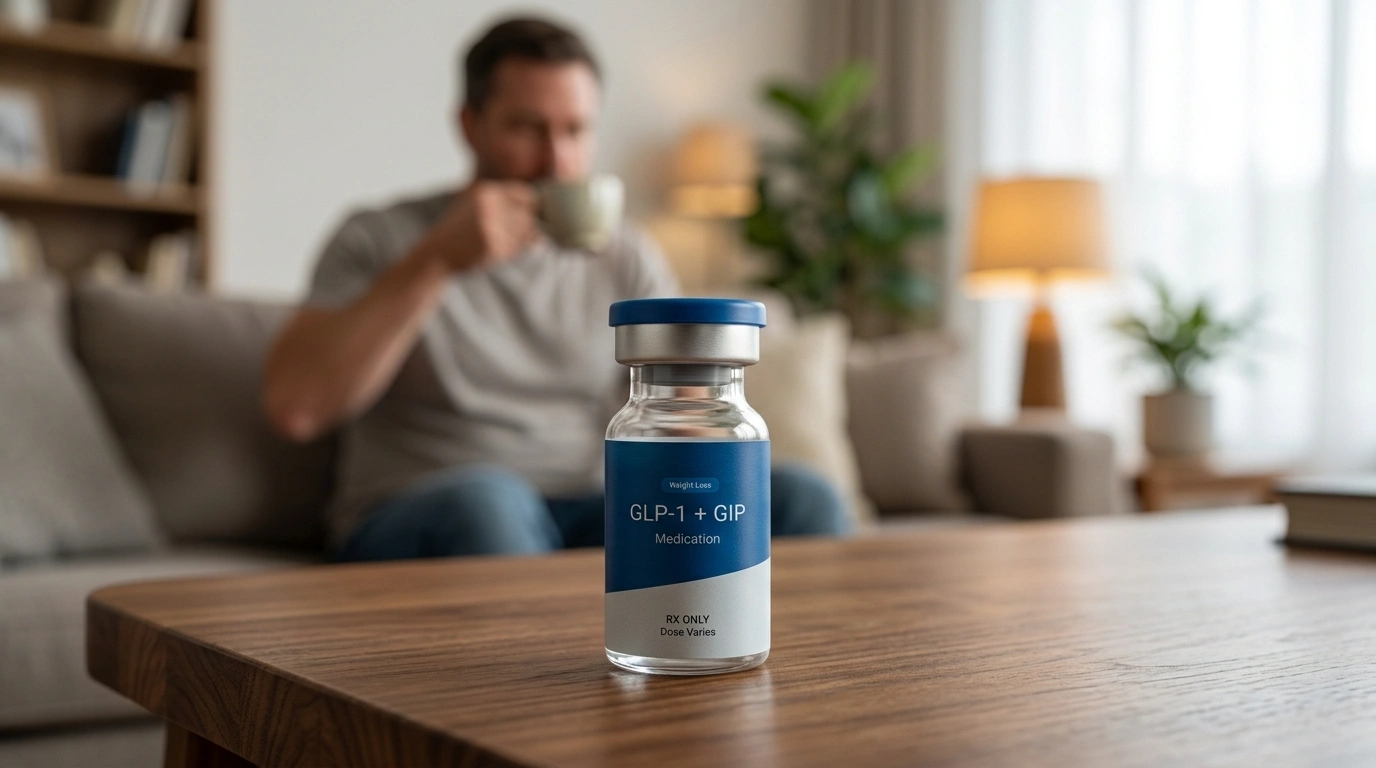
Mounjaro®, which contains the active ingredient tirzepatide, belongs to a class of medications known as GLP-1 + GIP receptor agonists. A GLP-1 (glucagon-like peptide-1) receptor agonist mimics a natural hormone in your body that helps regulate appetite and blood sugar. The addition of GIP (glucose-dependent insulinotropic polypeptide) provides a dual-action approach that further supports metabolic health.
One of the greatest advantages of this medication is its flexibility. Unlike some daily medications that require strict timing around meals or morning routines, this once-weekly injection is designed for convenience. The official prescribing information states that it can be administered at any time of day. This means that whether you prefer to take your dose with your morning coffee or right before you turn out the lights, the medication will work exactly the same way in your system.
For a broader look at choosing an injection routine, read this guide to when to take a GLP-1 shot.
Why People Choose Nighttime Dosing
While the medication is effective regardless of the hour, many individuals find that nighttime dosing offers specific lifestyle benefits. The decision often comes down to how your body reacts to the medication and what your daily schedule looks like.
Sleeping Through Initial Side Effects
The most common reason for taking a GLP-1 + GIP injection before bed is to manage potential side effects. For some, the first few hours after an injection can bring mild nausea, a “heavy” feeling in the stomach, or fatigue. These symptoms are often most noticeable as the medication levels begin to rise in the bloodstream.
By injecting right before bed, you may be able to sleep through the onset of these feelings. Instead of dealing with a queasy stomach during a busy workday or while managing family responsibilities, you allow your body to adjust while you rest. Many people find they wake up feeling refreshed and past the initial “peak” of discomfort.
Managing Daytime Fatigue
Some patients report feeling a wave of tiredness or lethargy shortly after their injection. If you have a demanding job or need to stay alert throughout the day, a morning injection that causes fatigue can be a significant hurdle. Nighttime dosing turns this potential side effect into a benefit, as the natural drowsiness can actually help you settle in for a full night of sleep.
Simplification of the Routine
Mornings can be chaotic. Between getting ready for work, preparing breakfast, or getting children to school, finding the quiet moment to properly prepare and administer an injection can feel stressful. Taking your dose at night allows you to make it part of a relaxing wind-down routine. When you are not in a rush, you are more likely to follow the proper steps for injection site rotation and pen preparation.
If you are still deciding whether a prescription program fits your goals and health history, you can start the assessment process.
The Science of Timing: Does It Change Efficacy?
It is a common misconception that the time of day you take your medication will change how much weight you lose or how well your blood sugar is managed. From a pharmacological standpoint, the hour of the injection does not matter.
Tirzepatide has a long half-life of approximately five days. A “half-life” is the amount of time it takes for the concentration of a substance in your body to reduce by half. Because it stays in your system for so long, it maintains a relatively steady level in your blood throughout the entire week.
Reaching a “steady state” usually takes about four to five weeks of consistent dosing. Once you reach this point, the medication is always present in your system, working to suppress appetite and improve insulin sensitivity. Whether you inject at 8:00 AM or 10:00 PM, the overall level of the drug in your body remains stable.
For more information about weekly schedules, review this explanation of how often GLP-1 medications are taken.
Key Takeaway: The effectiveness of GLP-1 + GIP medications depends on consistent weekly dosing, not the specific hour of administration. Choose a time that minimizes your personal side effects and fits your schedule.
Potential Drawbacks of Bedtime Injections
While many people thrive with a nighttime routine, it is not the perfect choice for everyone. There are a few factors to consider before deciding that “before bed” is the right move for you.
Acid Reflux and Heartburn
One of the ways these medications work is by slowing down gastric emptying. This means food stays in your stomach longer, which helps you feel full. However, if you eat a large or heavy meal and then lie down immediately after an injection, you may experience increased acid reflux or heartburn. Lying flat can make it easier for stomach acid to move into the esophagus, especially when digestion is already slowed.
For additional information about nighttime reflux concerns, read this article about reflux getting worse on a GLP-1.
Sleep Disruptions
A small number of people report that they experience vivid dreams or restless sleep on the night of their injection. While the medication itself is not a stimulant, the metabolic changes happening in your body can occasionally affect sleep quality for sensitive individuals. If you find yourself tossing and turning after a nighttime dose, you might find that moving the injection to the afternoon or morning provides a better experience.
Monitoring Your Reaction
For those who are just starting their program or who are moving up to a higher dose, morning injections allow for “real-time” monitoring. If you take your shot in the morning, you are awake to notice how you feel. For some, this provides a sense of security and control. If you do experience a side effect, you can address it immediately with hydration or by speaking with a licensed provider during business hours.
Comparison: Morning vs. Night Injections
| Factor | Morning Injection | Nighttime (Before Bed) |
|---|---|---|
| Side Effect Management | You are awake to manage symptoms with water or small meals. | You may sleep through the initial peak of nausea or fatigue. |
| Routine | Easy to pair with a morning habit (like brushing teeth). | Good for those who want a calm, unhurried environment. |
| Digestion | Higher activity levels during the day can help manage reflux. | Possible increased risk of heartburn if lying down after a meal. |
| Energy Levels | Fatigue may interfere with work or daily tasks. | Fatigue may help with falling asleep. |
| Visibility | You can monitor for any skin reactions at the site easily. | Reactions may go unnoticed until the following morning. |
The Golden Rule: Consistency of the Day
While the hour you choose is flexible, the day of the week is not. To keep the medication at a steady level in your body, you must take it on the same day each week. This helps your body maintain the metabolic balance necessary for sustainable weight loss.
At TrimRx, we emphasize that building a habit is the foundation of success. If you decide that Sunday night before bed is your time, try to stick to that every single week. This predictability helps your brain and body stay in sync with the treatment.
For practical reminders and routine ideas, see these tips for sticking to a GLP-1 injection schedule.
Changing Your Schedule
Life is unpredictable, and there may be times when you need to change your injection day or time. For example, if you are traveling or have a special event, you can shift your dose. The general rule is that there should be at least 72 hours (3 days) between doses.
If you want to move from a morning routine to a nighttime routine, you can do so easily by simply taking your next scheduled dose at the new time. You do not need to “taper” or slowly shift the hours; just pick the new time on your regular day and continue from there.
How to Prepare for a Nighttime Injection
If you decide that taking your medication before bed is the right choice, following a consistent preparation process can help ensure a smooth experience. We recommend a simple four-step approach to help you get started each week.
Step 1: Hydrate throughout the day.
Do not wait until right before bed to drink water. Proper hydration is one of the most effective ways to combat the nausea and headaches sometimes associated with GLP-1 medications. Aim for consistent water intake all day leading up to your dose.
Step 2: Eat a light, clean dinner.
Avoid heavy, greasy, or high-fat foods for your final meal before a nighttime injection. Since the medication slows your digestion, a heavy meal can sit in your stomach and cause discomfort or reflux when you lie down. Focus on lean protein and easy-to-digest vegetables.
Step 3: Prepare your injection site.
You can inject into the abdomen, thigh, or the back of the upper arm. It is important to rotate your injection site each week to prevent the skin from becoming tough or irritated. Clean the area with an alcohol swab and let it dry completely before proceeding.
Step 4: Allow the pen to reach room temperature.
Injecting cold medication straight from the refrigerator can sometimes cause a stinging sensation. Many people find it much more comfortable to take the pen out of the fridge about 30 minutes before they plan to use it.
For more detail about preparation and technique, review this step-by-step GLP-1 injection guide.
Managing Common Side Effects at Night
Even with perfect timing, you may still experience some side effects as your body adjusts to the medication. This is a normal part of the process, especially during the first few weeks or when your dose is increased by a licensed provider.
- Nausea: If you wake up feeling queasy, try having a small amount of ginger tea or a few saltine crackers. Keeping your blood sugar stable with small, frequent snacks throughout the next day can also help.
- Heartburn: If nighttime dosing causes reflux, try propping yourself up with an extra pillow or avoid eating for two to three hours before you go to bed.
- Constipation: This is a common side effect of GLP-1 + GIP treatments. Ensure you are getting enough fiber and staying active during the day.
- Fatigue: If you feel extra tired the day after your shot, listen to your body and allow for extra rest. This usually improves as your body becomes accustomed to the medication.
We provide a comprehensive approach that includes access to support and specialized guidance to help you manage these moments. Many patients also find that using focused supplements can help bridge the gap. For instance, our GLP-1 Daily Support is designed to help maintain digestive comfort and provide the nutrients your body needs when your appetite is lower than usual.
Bottom line: While you can take Mounjaro at any time, many choose nighttime to sleep through potential side effects. The most important thing is finding a routine that allows you to remain consistent every week.
Personalizing Your Program with TrimRx
Every individual reacts differently to metabolic treatments. What works for one person may not be the best fit for another. This is why a “one-size-fits-all” approach to weight loss often fails. At TrimRx, we believe in a telehealth-first model that prioritizes your unique needs and health history.
Our platform connects you with licensed providers who review your health profile to determine the best course of action. Whether you are using branded medications like Mounjaro®, Zepbound®, Wegovy®, or Ozempic®, or you are prescribed compounded versions of these medications, our team is there to support you.
It is important to understand the difference between these options. Branded medications are FDA-approved for specific uses, such as type 2 diabetes or chronic weight management. Compounded Semaglutide and Compounded Tirzepatide are prepared by FDA-registered, state-licensed compounding pharmacies. While compounded medications are not FDA-approved, they are often a vital resource during drug shortages or when a patient needs a more tailored dosing schedule. We ensure all medications are sourced from highly regulated facilities to maintain the highest standards of care.
If you are exploring whether a prescription program may fit your goals, you can find out whether a personalized program may be appropriate.
A Supportive Path Forward
Sustainable weight loss is not just about the medication; it is about the support system around it. When you join our community, you gain 24/7 access to a dedicated team and a program that includes everything from the initial doctor consultation to lab work and shipping. We remove the barriers of waiting rooms and hidden fees, so you can focus entirely on your health.
If you are struggling with side effects or are unsure about your injection timing, you have a team ready to help. We are here to ensure that your journey is not just successful, but also manageable and empathetic to your daily life.
Conclusion
Deciding to take Mounjaro at night before bed is a personal choice based on your comfort and schedule. For many, it is an effective way to “sleep through” the peak window of side effects like nausea and fatigue. For others, a morning dose provides the structure they need to stay on track. Both are medically acceptable as long as you maintain a consistent weekly day for your injection.
Remember that weight loss is a long-term commitment. Small adjustments, like finding the perfect hour for your dose, can make the process feel much more sustainable. Listen to your body, track how you feel, and do not hesitate to reach out for professional guidance when needed.
- Consistency of the day is more important than the hour of the dose.
- Nighttime injections may help you avoid experiencing nausea during your active hours.
- Proper hydration and a light evening meal can improve the nighttime dosing experience.
- Always rotate your injection site to maintain skin health.
“The journey to metabolic health is personal and unique. By choosing a routine that works for your life, you are setting the foundation for lasting change.”
If you are ready to take the next step toward a healthier you, we invite you to begin with a free assessment quiz. This simple tool helps our affiliated providers understand your goals and determine if a personalized weight loss program is the right fit for your needs.
FAQ
Is it better to take Mounjaro in the morning or at night?
Neither time is medically superior for weight loss results. The best time is the one that allows you to be most consistent and experience the fewest side effects. Many patients choose nighttime to sleep through potential nausea, while others prefer the morning to keep a steady routine.
Can I take Mounjaro right after a meal before bed?
You can take it with or without food, but taking it immediately after a large or heavy meal before lying down may increase the risk of acid reflux. If you choose a nighttime injection, it is often helpful to have a light, easy-to-digest dinner a few hours before bed.
Will taking Mounjaro at night interfere with my sleep?
Most people do not experience sleep issues, but a small number of individuals report restless sleep or vivid dreams. If you find that nighttime dosing disrupts your rest, you should consult with your provider about switching to a morning or afternoon injection.
What should I do if I forget my nighttime dose?
If you miss your scheduled time, you can take the dose as soon as you remember, provided it is within four days (96 hours) of your original day. If more than four days have passed, skip the missed dose and wait until your next regularly scheduled day to keep your levels stable.
Disclaimer: This content is for informational purposes only and does not constitute medical advice. It is not intended to diagnose, treat, cure, or prevent any disease or condition. Individual results may vary. Always consult a qualified healthcare professional before starting any weight loss program or medication.

Transforming Lives, One Step at a Time
Keep reading

Mounjaro Alternatives: What Else to Consider
If Mounjaro isn’t the right fit, the closest alternatives are other GLP-1 medications, chiefly semaglutide (Ozempic for diabetes, Wegovy for weight), along with a…
Mounjaro vs Zepbound: Same Drug, Two Brands
Like their semaglutide counterparts, Mounjaro and Zepbound are the same medication (tirzepatide) sold under two names for two purposes: Mounjaro is approved for type…
Retatrutide vs Mounjaro: Triple Agonist vs Dual Agonist
The core difference between retatrutide and Mounjaro comes down to how many hormone targets each hits: retatrutide activates three receptors, while Mounjaro (tirzepatide) activates…


