Can You Take Semaglutide If You Don’t Have a Gallbladder?
Introduction
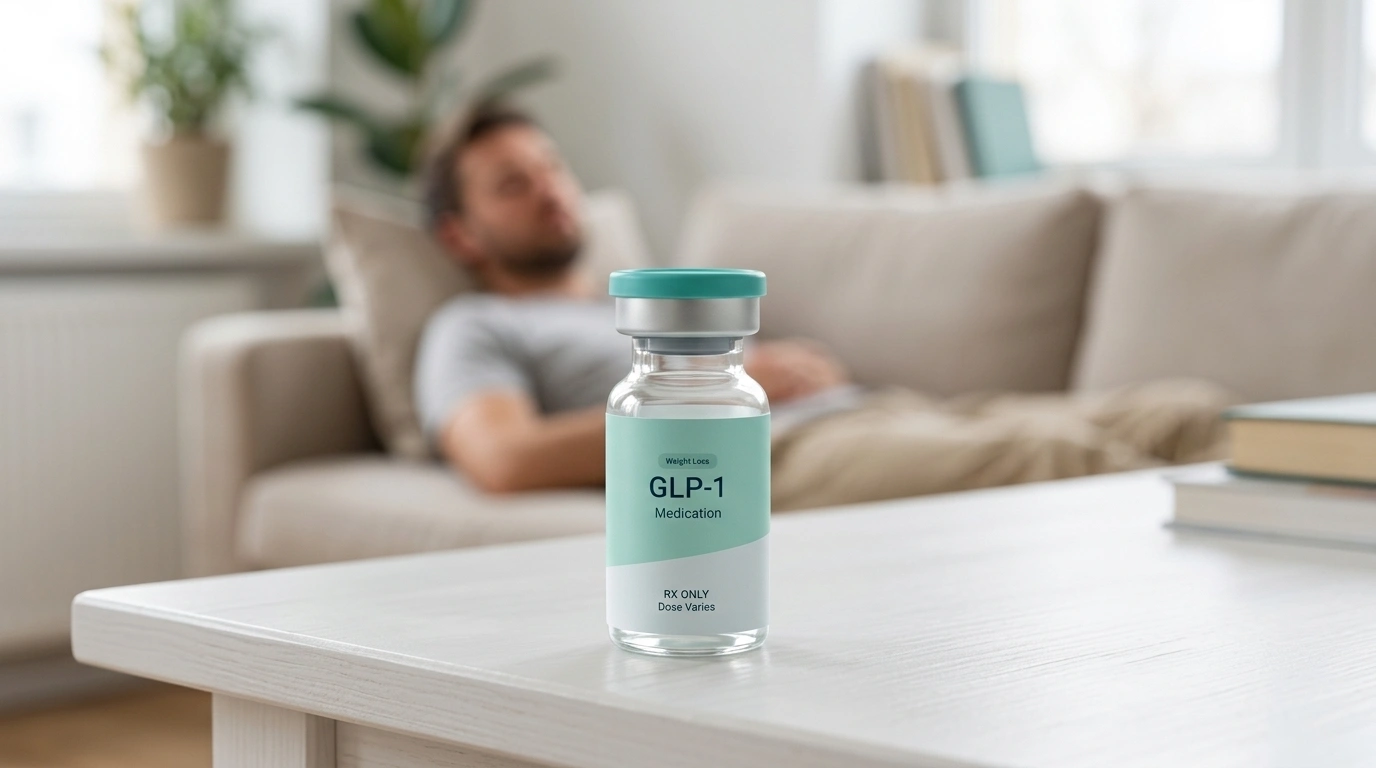
If you have undergone a cholecystectomy, or gallbladder removal surgery, you may feel like your body’s “digestive manual” has been rewritten. Many individuals find that after surgery, managing weight becomes unexpectedly difficult, and certain foods no longer sit quite right. As you look for solutions, you might wonder if modern GLP-1 medications are a safe option for someone without this specific organ. At TrimRx, we believe that understanding how your body adapts to these treatments is the first step toward a successful health transformation. This post explores the safety of using medications like semaglutide after gallbladder removal, how these treatments interact with your adjusted digestive system, and what you can expect during your journey. If you want to see whether a personalized prescription plan fits your situation, you can take the free assessment quiz before you get started.
What Happens When Your Gallbladder Is Removed?
To understand how weight loss medications work in your body, it is helpful to first look at what changed after your surgery. The gallbladder is a small, pear-shaped pouch located just under your liver. Its primary job is to act as a storage tank for bile, a digestive fluid produced by the liver that helps break down dietary fats.
When you have a gallbladder, it releases a concentrated “squirt” of bile into your small intestine whenever you eat a meal containing fat. This ensures efficient digestion. After a cholecystectomy, your liver still produces bile, but it no longer has a place to stay. Instead of being stored and released on demand, the bile now drips continuously and directly into your small intestine.
For a related look at the treatment angle after gallbladder surgery, this guide to semaglutide after gallbladder removal covers the same anatomy from a weight loss perspective.
For many people, this constant trickle of bile is less efficient at processing large amounts of fat at once. This shift is why some people experience “post-cholecystectomy syndrome,” which can include symptoms like loose stools, gas, or bloating after eating certain foods. Over time, the body typically adapts, but the underlying mechanics of digestion remain permanently altered.
Understanding Semaglutide and GLP-1 Medications
Semaglutide belongs to a class of medications known as GLP-1 receptor agonists. These medications mimic a naturally occurring hormone in your body called glucagon-like peptide-1. This hormone plays several vital roles in how you process food and feel hunger.
First, it interacts with the areas of your brain that regulate appetite. By mimicking GLP-1, the medication helps reduce “food noise”—those constant intrusive thoughts about eating—and helps you feel full faster and for longer. Second, it helps your pancreas release the right amount of insulin when blood sugar levels are high.
If you want a broader explanation of the hormone itself, our GLP-1 explainer breaks down how it supports appetite and digestion.
One of the most significant effects of semaglutide is that it slows down gastric emptying. This means that food stays in your stomach for a longer period before moving into the small intestine. For most people, this is the primary reason they feel satisfied with smaller portions.
Quick Answer: Yes, you can generally take semaglutide if you do not have a gallbladder. While these medications can impact the digestive system, they do not require a gallbladder to function effectively, and many patients find them helpful for managing weight gain that often follows surgery.
The Connection Between Surgery and Weight Gain
It is a common frustration: you had your gallbladder removed to solve a painful medical issue, only to find the scale creeping up in the months or years that follow. Research suggests that many individuals experience a modest increase in Body Mass Index (BMI) following a cholecystectomy.
Several factors contribute to this trend. Changes in bile flow can subtly alter how your body metabolizes fats and interacts with gut bacteria. Additionally, some people find they can return to eating foods that were previously too painful to consume, leading to a higher caloric intake. Because the body’s natural metabolic signals may shift after surgery, many people turn to GLP-1 medications to help regain control.
If you are wondering whether a prescription path is right for you, you can also complete the free assessment quiz to review your options with a licensed provider.
Can You Take Semaglutide Without a Gallbladder?
The clinical consensus is that having no gallbladder is not a contraindication for taking semaglutide. In fact, for many patients, the absence of a gallbladder removes one of the potential side-effect risks associated with GLP-1 medications.
If you want a broader overview of this medication class, our guide to GLP-1 medications explains how they are commonly used for weight management.
In clinical trials for branded medications like Ozempic®, Wegovy®, Mounjaro®, and Zepbound®, a small percentage of participants with intact gallbladders developed gallstones or gallbladder inflammation (cholecystitis). This is often because rapid weight loss itself—regardless of the method—can cause bile to become more concentrated, leading to stone formation. If you have already had your gallbladder removed, this specific risk is no longer a concern for you.
However, because semaglutide and your surgery both affect the digestive tract, it is essential to work with a licensed healthcare provider. At TrimRx, we emphasize that every program must be personalized to your medical history, including past surgeries, to ensure the medication is used safely and effectively.
Key Takeaway: Since you no longer have a gallbladder, you are not at risk for the gallstones or gallbladder inflammation sometimes associated with rapid weight loss or GLP-1 therapy.
Managing Digestive Changes and Side Effects
When you combine a post-cholecystectomy digestive system with a medication that slows down the gut, you may notice some unique sensations. The most common side effects of semaglutide include nausea, diarrhea, and constipation.
The “Slowing” Effect
Because semaglutide slows down how fast food leaves your stomach, it can actually have a stabilizing effect for some people who suffer from post-surgery diarrhea. The continuous drip of bile into the small intestine can sometimes cause food to move too quickly through the tract. By slowing this process down, semaglutide may help some patients feel more “regular.”
Nausea and Bloating
On the other hand, if food stays in the stomach too long, it can lead to feelings of heaviness or nausea. This is why a “low and slow” approach to dosing is critical. Starting at a very small dose allows your body—and your liver’s bile production—to adjust to the new rhythm of digestion.
For a deeper look at common treatment reactions, this GLP-1 side effects guide covers the digestive changes many people notice early on.
Bile Acid Malabsorption
A small percentage of people experience chronic watery diarrhea after gallbladder removal, known as bile acid malabsorption. If you fall into this group, it is vital to monitor how semaglutide affects your symptoms. While the medication might help slow things down, it could also complicate how you feel if you are already struggling with digestive urgency.
Comparing Digestion with and without a Gallbladder
| Feature | With Gallbladder | After Gallbladder Removal |
|---|---|---|
| Bile Storage | Stored and concentrated in the gallbladder. | Produced by the liver; no storage. |
| Bile Release | Released in a large “burst” when eating fats. | Drips continuously into the small intestine. |
| Fat Digestion | Highly efficient, even with large meals. | Less efficient with large amounts of fat. |
| Effect of Semaglutide | May increase risk of gallstones during weight loss. | No risk of gallstones or cholecystitis. |
| Digestive Speed | Normal gastric emptying. | May be faster (leading to loose stools). |
Dietary Strategies for Success
Whether you are using Compounded Semaglutide, Compounded Tirzepatide, or oral options, your diet plays a massive role in how you feel when you don’t have a gallbladder. Following these guidelines can help minimize discomfort and maximize your results.
If you are also looking for added nutritional support during treatment, the GLP-1 Daily Support supplement is designed to fit alongside your GLP-1 routine.
Prioritize Lean Proteins Since your body may struggle to process large amounts of fat, focus on high-quality lean proteins. Chicken breast, turkey, white fish, tofu, and legumes are excellent choices. Protein is also essential for maintaining muscle mass while you lose weight.
Focus on Soluble Fiber Soluble fiber—found in oats, barley, beans, and certain fruits—can be a lifesaver for those without a gallbladder. It acts like a sponge, soaking up excess bile acids in the digestive tract. This can help reduce the “burn” or urgency some people feel after surgery.
Eat Smaller, More Frequent Meals The “continuous drip” of bile from your liver is better suited for smaller amounts of food spread throughout the day rather than one or two very large, heavy meals. Since semaglutide will make you feel full quickly anyway, this strategy usually feels very natural.
Hydration is Critical GLP-1 medications can sometimes mask thirst or lead to dehydration if you experience nausea. Sip water throughout the day. If you find plain water difficult to drink, try adding electrolytes or a slice of lemon to make it more palatable.
Limit Trigger Foods Even without a gallbladder, some people find that fried foods, heavy creams, and spicy dishes cause immediate distress. While semaglutide helps reduce the craving for these foods, it is still wise to avoid them to prevent gastrointestinal upset.
The TrimRx Approach to Personalized Care
We understand that weight loss is not a one-size-fits-all journey, especially when you have a history of abdominal surgery. Our platform was designed to bridge the gap between clinical expertise and the convenience of modern telehealth.
When you start our program, the first step is a free assessment quiz. This allows us to gather information about your health history, including your cholecystectomy and any current digestive symptoms. Our partner providers use this information to determine if you are a candidate for a prescription program.
Because we believe in transparency, our programs include everything you need to get started: the medical consultation, lab work if necessary, and the medication itself, shipped directly from FDA-registered, inspected compounding pharmacies. We provide a consistent experience so you have the support you need as your body adjusts to the medication.
If you are also exploring energy support during weight loss, the Weight Loss Boost supplement may be a helpful companion option.
Our mission is to help you embrace a healthier lifestyle through a program that respects your body’s unique needs. Whether you are interested in Compounded Semaglutide or are exploring options like Weight Loss Boost for extra support, we are here to guide you every step of the way.
When to Seek Medical Guidance
While most people tolerate these medications well after surgery, you should always be attentive to your body’s signals. It is important to consult a licensed healthcare professional if you experience:
- Severe, persistent abdominal pain that does not go away.
- Persistent vomiting that prevents you from keeping fluids down.
- Signs of severe dehydration, such as extreme thirst or dark urine.
- Jaundice (yellowing of the skin or eyes), which can indicate issues with bile flow from the liver.
- High fever accompanied by digestive distress.
Note: While you no longer have a gallbladder, your bile ducts (the tubes that carry bile) are still present. In rare cases, stones can still form in the bile ducts themselves, so any severe upper abdominal pain should be evaluated by a doctor.
Steps to Starting Your Journey
If you are ready to explore weight loss options after gallbladder removal, the process is straightforward and designed to fit into your life.
Step 1: Complete the Assessment Take the free online assessment quiz. This is where you will share your health history, including your gallbladder surgery and your current goals.
Step 2: Consult with a Provider A licensed healthcare provider will review your information. They will determine if a GLP-1 medication like semaglutide or tirzepatide is appropriate for your specific health profile.
If you want a treatment path that also addresses appetite and metabolic support, you can see if you qualify for a personalized program after your review.
Step 3: Receive Your Personalized Plan If approved, your medication will be prescribed and shipped from a licensed pharmacy. You will receive clear instructions on how to begin your treatment.
Step 4: Ongoing Support and Adjustment You will have 24/7 access to a team of specialists. As your body adjusts to the medication, your provider can help you manage any digestive symptoms and ensure your dosage is optimal for your needs.
If you want to learn how tirzepatide fits into a broader treatment plan, this tirzepatide weight loss guide explains the steps in more detail.
Conclusion
Living without a gallbladder does not mean you have to give up on your weight loss goals or settle for the weight gain that often follows surgery. Medications like semaglutide offer a powerful way to manage appetite and improve metabolic health, and for many, they are a safe and effective tool when used under medical supervision. By focusing on a balanced diet, staying hydrated, and working with a personalized program, you can navigate your journey with confidence.
Our mission at TrimRx is to provide the science, empathy, and transparency you need to succeed. We understand the physical and emotional weight of this journey, and we are dedicated to helping you find a path that works for your body. If you are ready to take the next step toward a healthier version of yourself, we invite you to start your assessment today.
FAQ
Will semaglutide cause more diarrhea if I already have loose stools from surgery?
It depends on the individual, but many people find the opposite to be true. Because semaglutide slows down the movement of food through the digestive tract, it can actually help firm up stools in people who experience rapid digestion after gallbladder removal. However, everyone responds differently, so it is important to monitor your symptoms closely.
Do I need to follow a special diet while taking semaglutide without a gallbladder?
While there isn’t one “required” diet, most people feel best when they focus on lean proteins and soluble fiber while avoiding high-fat or fried foods. Since your body no longer has a storage tank for bile, eating smaller, more frequent meals can help your liver’s continuous bile production keep up with your digestion.
Is the dosage of semaglutide different for people without a gallbladder?
The standard dosing schedule typically remains the same. Most providers start patients on a very low dose—such as 0.25 mg per week—and gradually increase it over several months. This slow titration is especially helpful for people without a gallbladder, as it gives the digestive system ample time to adjust to the medication’s effects.
Can I still get “gallstones” if I don’t have a gallbladder?
You cannot get stones in your gallbladder if the organ has been removed, but in very rare cases, stones can form in the common bile duct. Because rapid weight loss can change the composition of your bile, it is still important to stay hydrated and follow a balanced diet to support healthy liver and bile duct function.
Disclaimer: This content is for informational purposes only and does not constitute medical advice. It is not intended to diagnose, treat, cure, or prevent any disease or condition. Individual results may vary. Always consult a qualified healthcare professional before starting any weight loss program or medication.

Transforming Lives, One Step at a Time
Keep reading

Hair Shedding Months Into Semaglutide
It shows up in the shower drain first, then on the pillow, then in the brush. By the time most people search this, they…
Vision Changes on Semaglutide: What to Know
Three different things get bundled together under this question, and they carry very different levels of urgency. Separating them is most of the work….
High-Altitude Hiking on Semaglutide
You have a trip booked and an appetite that already does not work the way it used to. The worry is reasonable, and there…


