Can You Take Semaglutide if You Had Your Gallbladder Removed?
Introduction
If you have undergone surgery to remove your gallbladder, you may feel extra cautious about adding any new medication to your routine. It is a common concern for those who have experienced the discomfort of gallstones or the recovery process of a cholecystectomy (gallbladder removal surgery). You might wonder if changing your digestive anatomy affects how weight loss medications work or if it increases your risk of side effects.
At TrimRx, we understand that every weight loss journey is unique, especially when your medical history includes surgical procedures. The short answer is that most individuals can safely take semaglutide after having their gallbladder removed. In fact, for many, this medication can be a helpful tool in managing the metabolic changes that sometimes follow surgery. If you want to see whether treatment makes sense for you, you can complete the free assessment quiz. This article will explain how semaglutide interacts with your body post-surgery, what you should expect regarding digestion, and how our personalized approach helps you navigate these changes safely.
What Is Semaglutide?
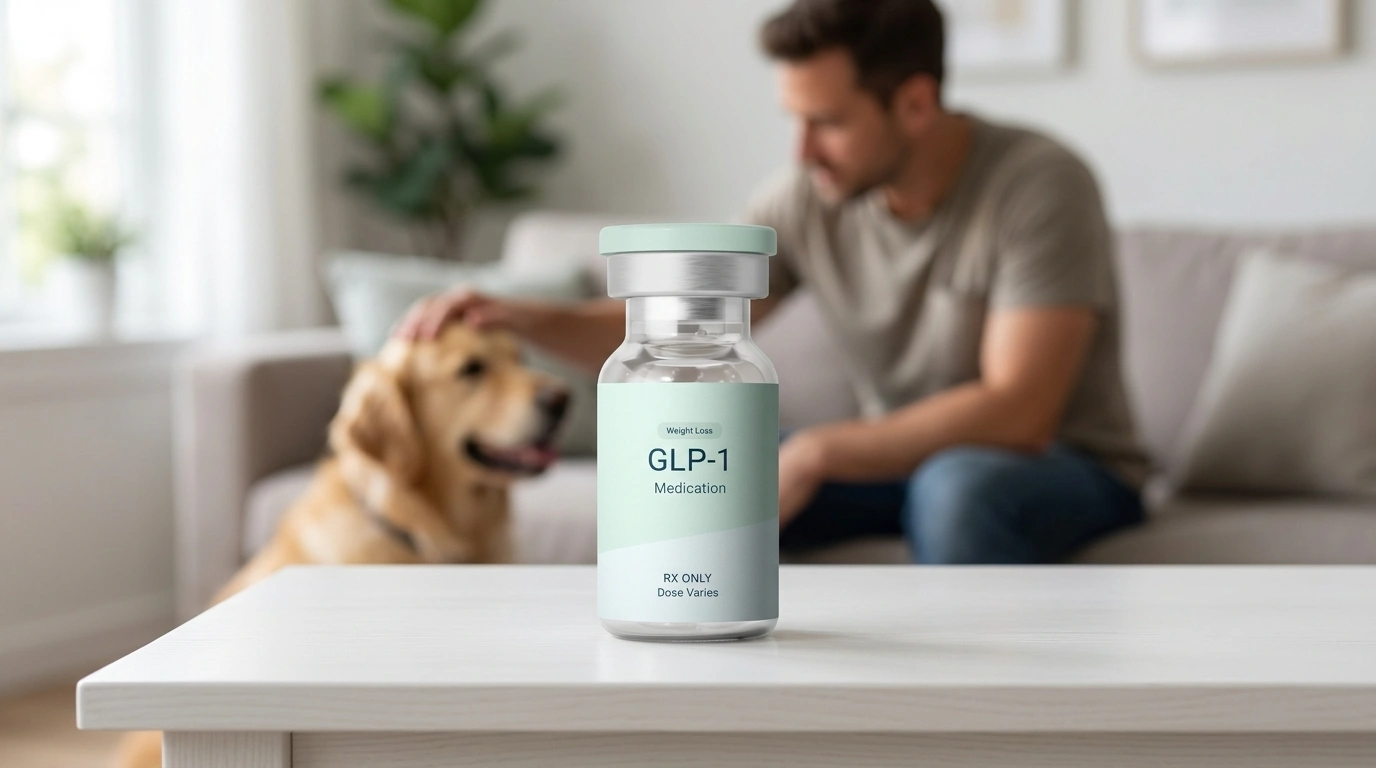
Semaglutide is a medication known as a GLP-1 receptor agonist. This means it mimics a hormone naturally produced in your intestines called glucagon-like peptide-1. In plain English, it acts like a messenger that tells your body it is full and satisfied. If you want a deeper look at common treatment effects, TrimRx’s GLP-1 side effects guide is a helpful companion read.
When you take semaglutide, it works through several primary pathways:
- Brain Signaling: It targets the areas of the brain that regulate appetite and food intake, helping you feel less hungry throughout the day.
- Stomach Emptying: It slows down gastric emptying, which is the process of food moving from your stomach into your small intestine. This helps you feel fuller for a longer period after eating.
- Insulin Regulation: It prompts your pancreas to release insulin when blood sugar levels are high, which helps manage glucose effectively.
While originally developed for managing type 2 diabetes under brand names like Ozempic® and Rybelsus®, semaglutide was later found to be highly effective for chronic weight management. Branded versions like Wegovy® are FDA-approved for weight loss. Because it interacts so closely with the digestive system, understanding its relationship with the gallbladder is essential.
The Role of the Gallbladder in Digestion
The gallbladder is a small, pear-shaped organ located just beneath your liver. Its primary job is to store and concentrate bile, a fluid produced by the liver that helps your body break down and digest fats.
When you eat a meal containing fat, your gallbladder squeezes that stored bile into the small intestine. Think of it as a specialized storage tank that releases exactly what you need to process a heavy or greasy meal.
Life After Gallbladder Removal
When the gallbladder is removed (usually due to painful gallstones or inflammation), your liver does not stop making bile. Instead, the storage tank is simply gone. Bile now drips continuously from the liver directly into the small intestine, regardless of whether you have just eaten or not. For a related look at this transition, TrimRx’s gallbladder-removal weight loss guide covers the same anatomy from a treatment perspective.
Quick Answer: Yes, you can generally take semaglutide if your gallbladder has been removed. Because the medication works primarily on hormone receptors and stomach emptying rather than bile storage, the absence of a gallbladder does not typically prevent the medication from being effective.
For most people, the body adapts to this change over time. However, because bile is less concentrated and not released in a “burst” during meals, digesting high-fat foods can become more challenging. This change in digestion is why many people are curious about how a medication like semaglutide, which also affects digestion, will impact them.
Can You Take Semaglutide Without a Gallbladder?
The clinical consensus is that having no gallbladder is not a contraindication for semaglutide. This means that medical providers do not consider the absence of a gallbladder a reason to deny someone this treatment.
In fact, some clinical perspectives suggest that taking a GLP-1 medication may be even simpler for those without a gallbladder. One of the known (though infrequent) side effects of semaglutide in individuals who still have their gallbladder is an increased risk of gallstones or gallbladder inflammation. This is often linked to the rapid weight loss the medication can cause, rather than the drug itself. TrimRx also covers that risk in its Ozempic gallbladder overview.
If you no longer have a gallbladder, you are no longer at risk for developing gallstones. However, it is still vital to discuss your surgical history with a licensed healthcare provider to ensure your digestive system has fully recovered from surgery before beginning any new program.
Key Takeaway: While semaglutide is associated with a risk of gallbladder issues in some patients, those who have already had the organ removed are no longer susceptible to gallstones, though they should still monitor for other digestive sensitivities.
Benefits of Semaglutide After Surgery
For many individuals, the years following a gallbladder removal can lead to unexpected weight changes. Research suggests that some patients experience a modest increase in body mass index (BMI) after a cholecystectomy. This may be due to changes in how the body processes fats or shifts in the gut microbiome.
Taking semaglutide through a platform like TrimRx can offer several advantages for post-surgery patients:
Managing Post-Surgery Weight Gain
If you have noticed weight creeping up since your surgery, semaglutide may help counteract those metabolic shifts. By improving insulin sensitivity and regulating appetite, it addresses the root causes of weight gain that lifestyle changes alone sometimes miss.
Improving Metabolic Markers
Gallbladder removal is sometimes associated with a temporary increase in insulin resistance. Semaglutide is excellent at supporting the body’s natural insulin response, which helps stabilize blood sugar and may support overall cardiovascular health.
Slowed Digestion Benefits
Some people experience “dumping syndrome” or frequent loose stools after gallbladder removal because bile flows into the intestines constantly. Because semaglutide slows down gastric emptying (how fast food leaves the stomach), it may actually help some patients feel more “settled” after eating, though this varies from person to person.
Managing Digestive Side Effects
The most common side effects of semaglutide are gastrointestinal, including nausea, bloating, and changes in bowel habits. Because your digestive system already functions differently without a storage tank for bile, you may need to be more mindful of how you manage these symptoms. If you want added nutritional support while adjusting to smaller meals, the GLP-1 Daily Support supplement is designed for that stage of treatment.
Nausea and Fat Intake
Without a gallbladder, high-fat meals can already cause nausea or discomfort. Semaglutide also makes the body more sensitive to heavy, greasy, or fried foods. If you combine a high-fat meal with semaglutide, you may experience significant nausea.
What to do: Focus on lean proteins and healthy, unsaturated fats in small quantities. This approach supports both your weight loss goals and your gallbladder-free digestion.
Changes in Bowel Habits
Bile acts as a natural laxative. Without a gallbladder, some people experience more frequent or loose stools. Conversely, semaglutide is known to cause constipation in some individuals because it slows the digestive tract down.
What to do: Monitor your body’s response closely. For some, these two factors balance each other out. For others, it may require adjustments in fiber intake or hydration.
Monitoring for Pancreatitis
While the risk of gallstones is gone, all patients on GLP-1 medications should be aware of the rare risk of pancreatitis (inflammation of the pancreas). Symptoms include severe abdominal pain that may radiate to the back, along with vomiting. If you experience these symptoms, seek medical attention immediately.
Why Personalization Matters
At TrimRx, we believe that weight loss is not a one-size-fits-all process, especially when your medical history includes surgery. A personalized program is essential for ensuring that your dosage and lifestyle plan align with your body’s specific needs. If you are ready to see whether a medically guided program is right for you, take the free assessment quiz.
When you use our platform, you are connected with licensed providers who review your health profile. This includes your history of gallbladder removal. This information allows for:
- Tailored Titration: Titration is the process of slowly increasing your dose. For those without a gallbladder, a slower titration schedule may be used to ensure the digestive system adjusts comfortably.
- Specific Nutritional Guidance: Understanding how your body handles fats and fiber without a gallbladder is key to avoiding side effects like nausea or “sulfur burps.”
- Ongoing Support: You have access to a team that can help you distinguish between normal medication adjustment and symptoms that require medical attention. For added day-to-day support, the Weight Loss Boost supplement is designed to complement your routine.
Note: If you are currently recovering from gallbladder surgery, most providers recommend waiting until you are fully cleared by your surgeon and have returned to a regular diet before starting semaglutide.
Dietary Strategies for Success
If you are taking semaglutide without a gallbladder, your diet plays a major role in how you feel. Use these strategies to optimize your results and minimize discomfort:
1. Prioritize Lean Protein Protein is essential for maintaining muscle mass during weight loss. Choose chicken, turkey, fish, or plant-based proteins. These are easier for your body to digest without concentrated bile.
2. Watch Your Fat “Threshold” You don’t need to eliminate fats entirely, but you should spread them throughout the day. Instead of one heavy meal, include small amounts of avocado, nuts, or olive oil across several smaller snacks or meals.
3. Increase Soluble Fiber Soluble fiber (found in oats, beans, and certain fruits) can help bind excess bile acids in the digestive tract. This may help reduce the likelihood of loose stools, a common issue for those without a gallblader.
4. Stay Hydrated Semaglutide and your digestive health both require plenty of water. Proper hydration helps the kidneys process the medication and keeps your digestive system moving smoothly, reducing the risk of constipation.
5. Eat Smaller, Frequent Portions Since your stomach will empty more slowly on semaglutide and your bile flow is constant but thin, large meals can feel overwhelming to your system. Smaller portions are much better tolerated.
The TrimRx Approach
We are committed to helping you reach your health goals through a program that balances science with your real-world health history. We provide access to compounded semaglutide and compounded tirzepatide, which are prepared in FDA-registered and inspected compounding pharmacies. This allows for flexible dosing and personalized care that fits your specific needs.
Our mission is to make the process transparent and accessible. You do not have to worry about waiting rooms or complex insurance hurdles. By focusing on telehealth, we provide the medical supervision you need from the comfort of your home. Whether you are navigating life after gallbladder removal or just starting your metabolic health journey, we are here to guide you every step of the way.
Next Steps for Your Journey
If you are ready to see if semaglutide is right for you, the process is straightforward:
- Take the Assessment: Complete our free health assessment quiz. This is where you will share your medical history, including any previous surgeries like a gallbladder removal.
- Consult with a Provider: A licensed healthcare professional will review your information to determine if you are a good candidate for the program.
- Receive Your Personalized Plan: If approved, your medication will be shipped directly to your door from a licensed pharmacy, and you will receive a customized plan to help you start safely.
Bottom line: Gallbladder removal does not disqualify you from using GLP-1 medications like semaglutide. With the right medical guidance and dietary adjustments, you can successfully use these tools to achieve sustainable weight loss.
FAQ
Can I start semaglutide immediately after my gallbladder surgery?
It is usually best to wait until you are fully recovered from surgery and your digestion has stabilized. Most providers suggest waiting several weeks until you can tolerate a regular diet without complications. Always consult with your surgeon and your TrimRx-affiliated provider before starting. If you are unsure whether you are ready, the free assessment quiz can help you begin the conversation.
Does semaglutide cause more diarrhea if I don’t have a gallbladder?
Not necessarily. While some people experience loose stools after gallbladder removal, semaglutide actually slows down digestion, which can sometimes have a stabilizing effect. However, if you eat high-fat meals, the combination may lead to increased digestive upset. For a more detailed look at medication side effects, TrimRx’s semaglutide side effects guide explains the most common patterns.
Will I still lose weight on semaglutide without a gallbladder?
Yes, the medication’s primary weight loss mechanisms—appetite suppression and improved blood sugar regulation—do not require a gallbladder to function. Clinical data suggests that patients without gallbladders achieve similar weight loss results to those who still have them.
Are there specific foods I should avoid on semaglutide if I have no gallbladder?
You should be particularly careful with fried foods, heavy creams, and fatty meats. These are difficult for a gallbladder-free body to process and are also the foods most likely to cause nausea while taking semaglutide. Focus on whole, nutrient-dense foods instead. If digestive discomfort is your main concern, the GLP-1 Daily Support supplement is one option to explore.
Disclaimer: This content is for informational purposes only and does not constitute medical advice. It is not intended to diagnose, treat, cure, or prevent any disease or condition. Individual results may vary. Always consult a qualified healthcare professional before starting any weight loss program or medication.

Transforming Lives, One Step at a Time
Keep reading
Does the Color of Compounded Semaglutide Mean Anything?
Yes, and the useful version of that answer is narrow. Semaglutide solution should be clear and colorless, and a very faint yellow tint is…
How Much Liquid Should Be Left in a Semaglutide Vial After Your Last Dose
Some liquid left over is normal and expected. Vials are filled with a deliberate excess beyond the labeled number of doses, because a small…
What Does mg/mL Mean on a Compounded Semaglutide Vial?
It means milligrams of semaglutide per milliliter of liquid, and it is a description of the solution’s strength, not your dose. Two vials can…


