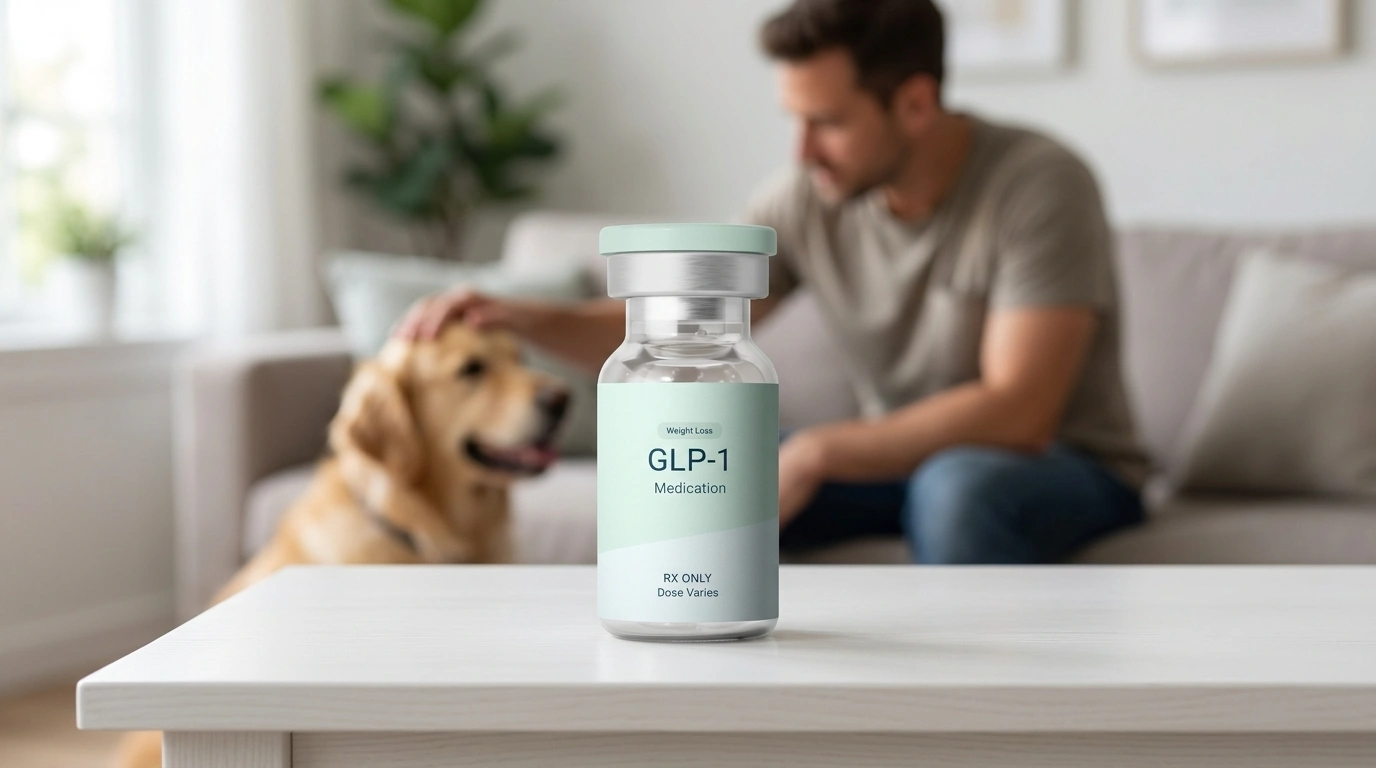
Weight Loss After Gallbladder Removal: Is Semaglutide a Viable Option?
Introduction
A significant number of individuals grapple with weight management, often exploring various avenues to achieve their health goals. For many, modern medical advancements, particularly GLP-1 receptor agonists like Semaglutide and Tirzepatide, represent a beacon of hope. These medications have demonstrated remarkable effectiveness in aiding weight loss and managing blood sugar levels, transforming lives across the nation. However, health journeys are rarely linear, and personal medical histories, such as having undergone gallbladder removal (cholecystectomy), introduce unique considerations. The question then naturally arises: can you take Semaglutide if you had your gallbladder removed? This question isn’t just about safety; it’s about optimizing your well-being and ensuring that your chosen path to health is both effective and aligns with your body’s specific needs.
Our purpose with this comprehensive guide is to meticulously explore the intersection of GLP-1 receptor agonist therapy and cholecystectomy. We understand the complexities involved in pursuing weight loss, especially when managing pre-existing conditions or past surgical procedures. Through this discussion, we aim to provide clarity, address common concerns, and empower you with the knowledge needed to make informed decisions about your health journey. We will delve into the critical functions of the gallbladder, the implications of its removal, and how these factors interact with the mechanisms of Semaglutide and Tirzepatide. Furthermore, we will highlight the importance of personalized medical supervision and holistic support, core tenets of our approach at TrimRx. By the end of this article, you will have a deeper understanding of whether these medications are a suitable option for you post-cholecystectomy, and how a dedicated, medically supervised program can pave the way for sustainable weight loss.
Understanding the Gallbladder and Its Role
To fully grasp the considerations surrounding Semaglutide and gallbladder removal, it’s essential to first understand what the gallbladder does and the changes that occur once it’s gone. This small, pear-shaped organ, tucked beneath the liver, plays a crucial, albeit often overlooked, role in our digestive system.
The Gallbladder’s Function in Digestion
The liver continuously produces a greenish-yellow fluid called bile. Bile is vital for digestion, particularly for breaking down fats in the small intestine, allowing for their absorption into the bloodstream. Think of the gallbladder as a small storage tank and concentrator for this bile. When we consume fatty foods, the gallbladder receives signals to contract, releasing a concentrated surge of bile into the small intestine, optimizing fat digestion. This precise and timely release is a hallmark of its function.
What Happens After Gallbladder Removal (Cholecystectomy)?
Gallbladder removal, medically known as a cholecystectomy, is a common surgical procedure, frequently performed to alleviate issues caused by gallstones or gallbladder inflammation. Once the gallbladder is removed, the liver continues to produce bile, as its production is an ongoing physiological process. However, without the storage and concentrating capabilities of the gallbladder, the bile no longer has a reservoir. Instead, it flows continuously and directly into the small intestine in a more diluted form.
Immediate Post-Surgery Adjustments
Following a cholecystectomy, most individuals recover relatively quickly, often being discharged from the hospital the same day or within a day or two. The body begins a period of adjustment to the new digestive dynamics. Initially, many healthcare providers recommend a diet low in fat to ease the transition, as the digestive system learns to cope with the continuous, less concentrated flow of bile. Monitoring how your body reacts to different foods and maintaining consistent communication with your healthcare team during this recovery phase is incredibly important.
Long-Term Digestive Changes
While many people adapt well to life without a gallbladder, some long-term digestive changes can occur. These might include:
- Altered Fat Digestion: While the liver still produces bile, its continuous, diluted flow can sometimes make fat digestion less efficient for some individuals, especially with larger, high-fat meals.
- Potential for Loose Stools or Diarrhea: A small percentage of individuals may experience chronic loose stools or diarrhea, sometimes linked to bile acid malabsorption (BAM), where excess bile acids irritate the colon.
- Increased Gas or Bloating: Some report heightened instances of gas or bloating as the digestive system recalibrates.
It’s also worth noting that research indicates a tendency for some individuals to experience modest weight gain following gallbladder removal, often around 3-5% of their pre-surgery weight within a couple of years. This can be attributed to various factors, including changes in bile flow affecting fat metabolism, dietary adjustments, or reduced physical activity during recovery. These long-term considerations are important to keep in mind, particularly when evaluating weight management strategies.
Semaglutide and Tirzepatide: A Closer Look at GLP-1 Receptor Agonists
With a clear understanding of the gallbladder’s role and the implications of its removal, let’s turn our attention to the medications in question: Semaglutide and Tirzepatide. These are powerful tools in modern weight management and diabetes care, and understanding their mechanism of action is key to addressing their suitability post-cholecystectomy.
How GLP-1 Receptor Agonists Work
Semaglutide and Tirzepatide belong to a class of drugs called glucagon-like peptide-1 (GLP-1) receptor agonists. They mimic the action of a natural hormone, GLP-1, which is released by the intestines in response to food intake. By activating GLP-1 receptors in the body, these medications initiate a cascade of beneficial effects:
- Blood Sugar Regulation: They stimulate insulin secretion in a glucose-dependent manner, meaning insulin is released when blood sugar levels are high, helping to lower them. They also suppress glucagon secretion, which further prevents the liver from releasing too much sugar. This makes them highly effective for managing type 2 diabetes.
- Appetite Suppression and Satiety: GLP-1 acts on the brain’s appetite centers, reducing feelings of hunger and increasing feelings of fullness (satiety) after meals. This naturally leads to reduced caloric intake.
- Slowed Gastric Emptying: These medications slow down the rate at which food leaves the stomach. This contributes to a prolonged feeling of fullness and can help prevent rapid spikes in blood sugar after eating.
While initially developed for type 2 diabetes, their profound impact on appetite and satiety quickly revealed their significant potential for weight loss. This dual benefit has positioned them as leading options for comprehensive metabolic health improvement. Our commitment at TrimRx is to leverage such advanced medical science, combined with modern technology, to offer compassionate care that respects every individual’s unique journey towards a healthier weight.
Our Personalized Weight Loss Programs
At TrimRx, our journey began with a shared vision to help individuals embrace healthier lifestyles by merging cutting-edge telehealth innovations with effective weight loss solutions. We understand that sustainable weight loss should be achieved through science, empathy, and a transparent approach. Our platform is designed as a user-friendly and supportive space where individuals receive personalized, medically supervised care. We believe that lasting change comes from tailored strategies, which is why we offer a range of clinically proven options.
Our personalized weight loss program, which requires a free assessment quiz to determine eligibility, includes prescription medications such as:
- Compounded Semaglutide
- Oral Semaglutide
- Ozempic®
- Compounded Tirzepatide
- Oral Tirzepatide
- Mounjaro®
- Zepbound®
- Wegovy®
We stress that our medications are provided through FDA-registered, inspected, and approved pharmacies. While branded medications like Ozempic®, Mounjaro®, Zepbound®, and Wegovy® are FDA-approved, compounded medications are not FDA-approved. This commitment to working exclusively with FDA-registered and inspected pharmacies is a cornerstone of our focus on safety. Our comprehensive service includes doctor consultations, medication, lab work, unlimited support, and shipping, all with no hidden fees, ensuring a transparent and predictable journey for you. To explore if these personalized solutions are right for your unique needs, we encourage you to take our free assessment quiz.
Can You Take Semaglutide If You Had Your Gallbladder Removed?
This brings us to the core of the matter: the suitability of GLP-1 receptor agonists for individuals who have undergone a cholecystectomy. The direct answer is yes, you can generally take Semaglutide or Tirzepatide after gallbladder removal. However, this affirmative comes with crucial caveats and necessitates a highly personalized approach, emphasizing medical consultation and diligent monitoring.
The Nuances of Post-Cholecystectomy GLP-1 RA Use
While there isn’t extensive long-term data specifically on the use of GLP-1 RAs in individuals without a gallbladder, current understanding and clinical practice suggest it is often safe and effective. The body’s digestive system adapts over time to the absence of the gallbladder, and the mechanisms of GLP-1 RAs primarily affect other aspects of digestion and metabolism.
However, the key is the interaction between the medications’ potential side effects and the existing digestive changes post-cholecystectomy. Both GLP-1 RAs and gallbladder removal can impact gastrointestinal function, which means careful consideration is paramount.
Why Medical Supervision is Essential
Because of the potential for overlapping gastrointestinal symptoms, consulting with a healthcare provider is not merely a recommendation but a necessity. A qualified medical professional can:
- Assess Your Specific History: They can review your complete medical history, including the reasons for your cholecystectomy, your recovery, and any ongoing digestive symptoms you may experience.
- Personalize the Treatment Plan: Based on this assessment, they can determine if Semaglutide or Tirzepatide is appropriate for your individual circumstances and develop a tailored treatment strategy.
- Monitor for Side Effects: They will closely monitor your response to the medication, particularly for any gastrointestinal issues, and adjust the treatment plan as needed.
- Address Concerns Proactively: Your provider can help differentiate between post-cholecystectomy symptoms and medication-induced side effects, ensuring appropriate management.
This comprehensive, medically supervised approach is central to TrimRx’s philosophy. We empower our members to work closely with their dedicated healthcare providers to ensure their weight loss journey is safe, effective, and truly personalized. Your unique health profile guides every decision, fostering a supportive environment where your well-being is always the top priority.
Benefits of GLP-1 Receptor Agonists After Gallbladder Removal
Even with the digestive adjustments that follow a cholecystectomy, GLP-1 receptor agonists offer significant benefits that can be particularly valuable for individuals in this situation. These advantages extend beyond mere weight loss, contributing to overall metabolic and cardiovascular health.
Counteracting Post-Surgery Weight Gain
As previously discussed, some individuals experience modest weight gain after gallbladder removal. This can be a frustrating development for those already striving for health improvements. Semaglutide and Tirzepatide, by reducing appetite and promoting satiety, can effectively counteract this tendency. By helping you consume fewer calories and manage cravings, these medications facilitate a consistent and sustainable path to weight loss, making it easier to achieve and maintain a healthy weight.
Enhancing Blood Sugar Regulation
Gallbladder removal has been linked in some studies to potential shifts in metabolic function, including an increased risk of insulin resistance in certain individuals. For those who may be at risk of or already managing type 2 diabetes, the blood sugar-regulating effects of GLP-1 RAs become even more significant. These medications improve the body’s response to insulin and help stabilize blood sugar levels, contributing to better glycemic control and reducing the risk of diabetes-related complications.
Supporting Cardiovascular Health
Weight loss and improved blood sugar control, both primary benefits of GLP-1 RAs, have a profound positive impact on cardiovascular health. Clinical research has shown that these medications can reduce the risk of major cardiovascular events such as heart attack and stroke. By improving various metabolic markers, including blood pressure and cholesterol profiles, Semaglutide and Tirzepatide contribute to a healthier heart and overall reduced cardiovascular risk, a benefit that is universally valuable.
At TrimRx, our goal is to provide solutions that don’t just focus on the number on the scale but foster comprehensive well-being. By integrating these effective medications into a personalized and medically supervised program, we support you in achieving not only your weight loss goals but also broader health improvements that are sustainable in the long term.
Navigating Potential Side Effects and Management Strategies
While the benefits of GLP-1 receptor agonists are substantial, it’s crucial to be aware of potential side effects, especially when considering them after gallbladder removal. Most side effects are gastrointestinal in nature and tend to be temporary, improving as your body adjusts to the medication. However, understanding how these might interact with your post-cholecystectomy digestive changes is key to effective management.
Common Gastrointestinal Side Effects
The most frequently reported side effects of Semaglutide and Tirzepatide include:
- Nausea
- Vomiting
- Diarrhea
- Constipation
- Abdominal pain or discomfort
These symptoms are often mild to moderate and are typically most noticeable during the initial weeks of treatment or when the dosage is increased. Our approach at TrimRx involves a gradual dose escalation to help minimize these effects, allowing your body to acclimate to the medication slowly.
Interplay with Post-Cholecystectomy Digestion
For individuals without a gallbladder, some digestive changes might already be present, such as a predisposition to looser stools or difficulty with high-fat foods. This means that starting a GLP-1 RA might initially exacerbate these symptoms or introduce new ones that require careful monitoring.
- Diarrhea and Constipation: While Semaglutide and Tirzepatide can cause both, the slowed gastric emptying might, in some cases, help mitigate post-cholecystectomy diarrhea for certain individuals. Conversely, if you are prone to constipation, the medication might worsen it.
- Nausea and Discomfort: These are common with GLP-1 RAs. It’s important to distinguish if they are primarily medication-related or due to your body’s ongoing adjustment to life without a gallbladder.
Gallbladder-Related Concerns in the General Population
It’s important to acknowledge that GLP-1 receptor agonists have been linked to an increased risk of gallstone formation and gallbladder disease in some cases within the general population. While the exact mechanisms are still being explored, this association is a key reason why the question of taking Semaglutide after gallbladder removal often arises. For those who have already had their gallbladder removed, the risk of developing new gallstones is eliminated. However, the mechanisms that contribute to these issues (e.g., changes in bile composition or gallbladder motility) are still a subject of ongoing research, making careful monitoring of overall digestive health paramount even post-cholecystectomy. Our commitment to transparent service means we openly discuss these considerations with our members.
Strategies for Managing Digestive Symptoms
Working closely with your healthcare provider is crucial for navigating any side effects. Here are some general strategies that can help:
- Dietary Adjustments: Focus on a balanced diet rich in fruits, vegetables, lean proteins, and whole grains. Initially, avoiding high-fat, fried, or greasy foods can reduce digestive discomfort, especially as your body adjusts to the medication and life without a gallbladder. Gradual introduction of healthy fats is often recommended.
- Smaller, More Frequent Meals: This can ease the digestive load and help accommodate the continuous bile flow and slowed gastric emptying.
- Hydration: Staying well-hydrated is always important, especially if experiencing diarrhea or nausea.
- Fiber Intake: Soluble fiber, found in oats, psyllium husk, fruits, and vegetables, can help bind excess bile acids and regulate bowel movements.
- Timely Dosing: Discuss with your provider if specific timing of medication or meals could alleviate symptoms.
Our holistic approach at TrimRx emphasizes not only medication but also comprehensive lifestyle support. This includes personalized nutrition plans and guidance on managing potential side effects, ensuring you have the tools and support needed for a comfortable and effective weight loss journey. Our Weight Loss Boost supplement, for example, is designed to support metabolism and energy without requiring a quiz, offering a convenient way to enhance your well-being. You can learn more and purchase Weight Loss Boost directly.
Pre- and Post-Surgery Considerations for GLP-1 RAs
Beyond the general suitability, there are specific perioperative considerations for individuals already taking Semaglutide or Tirzepatide who may be scheduled for any surgery, not just gallbladder removal. The unique pharmacological action of these medications requires careful planning around surgical procedures.
Halting Medication Before Surgery
One of the key actions of GLP-1 receptor agonists is slowing gastric emptying. This effect, while beneficial for weight loss and blood sugar control, can pose a risk during procedures requiring anesthesia or sedation. If food or liquid remains in the stomach, there’s an increased risk of pulmonary aspiration (when stomach contents enter the lungs), which can lead to serious complications.
For this reason, medical guidelines often recommend pausing GLP-1 RA treatment for about a week before scheduled surgeries or procedures involving anesthesia. The exact timing and duration will depend on the specific medication, the individual’s medical history, and the type of surgery. It is absolutely critical to discuss your medication regimen with your surgical and anesthesia teams well in advance of any planned procedure.
Restarting Medication After Surgery
The timing for restarting Semaglutide or Tirzepatide after surgery depends on several factors, including:
- Type of Surgery: The invasiveness and location of the surgery can influence recovery time and digestive function.
- Recovery Progress: Your overall healing, ability to tolerate oral intake, and resolution of any post-surgical digestive symptoms are key indicators.
- Hospital Stay and Monitoring: Whether you require extended hospital observation or can recover at home will also play a role.
- New or Worsened Symptoms: Any new or persistent gastrointestinal discomfort should be resolved or stable before restarting the medication.
Your healthcare provider, in consultation with your surgical team, will provide specific instructions on when it is safe to resume your GLP-1 RA therapy or begin any new medications. This phased approach ensures your safety and optimal recovery. Our commitment to safety and individualized care at TrimRx extends to every stage of your health journey, including navigating medical procedures. We prioritize your well-being by partnering with you and your medical team to ensure all aspects of your treatment plan are coordinated and safe.
Holistic Strategies for Sustainable Weight Loss Without a Gallbladder
While prescription medications like Semaglutide and Tirzepatide can be powerful tools, sustainable weight loss, especially after gallbladder removal, thrives on a holistic approach. Adopting comprehensive lifestyle changes ensures the best possible outcomes, supporting both your weight goals and overall digestive health.
Balanced and Mindful Nutrition
Post-cholecystectomy, dietary considerations become even more important. The goal is to support your body’s adjusted digestive system while promoting weight loss.
- Emphasize Whole Foods: Focus on a diet rich in fruits, vegetables, lean proteins (chicken, fish, beans, lentils), and whole grains. These foods provide essential nutrients and fiber without excessive unhealthy fats.
- Moderate Healthy Fats: While avoiding high-fat, fried, and greasy foods is often recommended, healthy fats (found in avocados, nuts, seeds, olive oil) are vital. Introduce them gradually and in moderate portions to gauge your body’s tolerance.
- Smaller, Frequent Meals: Instead of three large meals, consider 4-6 smaller meals throughout the day. This can aid digestion and help manage hunger, particularly beneficial when on GLP-1 RAs.
- Mindful Eating: Pay attention to hunger and fullness cues. Eating slowly, savoring your food, and avoiding distractions can enhance digestion and prevent overeating.
Regular Physical Activity
Exercise is a cornerstone of weight management and overall health. It burns calories, builds muscle mass (which boosts metabolism), improves cardiovascular health, and elevates mood.
- Aerobic Activity: Aim for at least 150 minutes of moderate-intensity aerobic activity per week (e.g., brisk walking, swimming, cycling).
- Strength Training: Incorporate muscle-strengthening activities on two or more days per week.
- Listen to Your Body: Especially after surgery, gradually increase your activity levels as your body recovers.
Prioritizing Quality Sleep
Often overlooked, sleep plays a critical role in weight management. Insufficient or poor-quality sleep can disrupt hormones that regulate appetite (ghrelin and leptin), leading to increased cravings and fat storage.
- Aim for 7-9 Hours: Consistent sleep supports hormonal balance, metabolic function, and energy levels, making healthy choices easier.
- Consistent Schedule: Going to bed and waking up at the same time each day, even on weekends, can regulate your body’s internal clock.
Effective Stress Management
Chronic stress can significantly impact weight loss efforts by increasing cortisol levels, which can promote fat storage, particularly around the abdomen. Stress can also lead to emotional eating.
- Mindfulness and Meditation: Practices like meditation, deep breathing exercises, and yoga can reduce stress hormones.
- Hobbies and Relaxation: Engaging in enjoyable activities provides a crucial outlet for stress.
- Support Systems: Lean on friends, family, or support groups to share challenges and successes.
At TrimRx, we believe in supporting your journey from every angle. Our personalized programs combine medically supervised weight loss medications with guidance on these essential lifestyle pillars. We offer unlimited support to help you integrate these changes, ensuring your path to a healthier weight is comprehensive and sustainable. For immediate support for your overall wellness during this journey, we also offer quick-access supplements like GLP-1 Daily Support, which can be purchased without a quiz.
When to Seek Medical Advice
While Semaglutide and Tirzepatide can be taken after gallbladder removal with appropriate supervision, it’s vital to recognize when certain symptoms warrant immediate medical attention. Your health and safety are always paramount.
Urgent Medical Consultation
Contact your doctor or seek urgent medical care if you experience any of the following symptoms while taking GLP-1 receptor agonists, particularly if you have had your gallbladder removed:
- Severe, Unrelenting Abdominal Pain: Pain that is intense, does not subside, or worsens significantly.
- Persistent Vomiting: Vomiting that lasts for more than 24 hours, or is severe and prevents you from keeping liquids down.
- Signs of Dehydration: Including extreme thirst, significantly dark urine, reduced urination, dizziness, or lightheadedness.
- Severe Diarrhea: More than six loose stools per day, or diarrhea that is debilitating.
- Blood in Stool or Black, Tarry Stools: These can indicate internal bleeding and require immediate evaluation.
- High Fever with Digestive Symptoms: Fever combined with abdominal pain, vomiting, or diarrhea can signal an infection or other serious complication.
- Yellowing of Skin or Eyes (Jaundice): This symptom can indicate liver or bile duct issues.
Routine Monitoring and Communication
For optimal safety and effectiveness, establishing regular communication and monitoring with your healthcare provider is crucial. This typically includes:
- Initial Assessment: A thorough evaluation of your medical history, including your cholecystectomy, before starting treatment.
- Symptom Review: Discussions about any digestive symptoms at each dose increase and throughout your treatment.
- Regular Check-ins: Consistent appointments, particularly during the first few months of therapy, to assess your progress and address concerns.
- Medication Review: Periodic reviews of all your medications to ensure there are no adverse interactions.
At TrimRx, our comprehensive service includes unlimited support, meaning you have continuous access to guidance and resources throughout your weight loss journey. This ongoing engagement with your medical team helps ensure that any concerns are addressed promptly and that your treatment plan remains perfectly aligned with your evolving health needs. Our brand is built on trust and support, providing compassionate care every step of the way.
Conclusion
Navigating your weight loss journey, especially with a specific medical history such as gallbladder removal, requires clear information, expert guidance, and a personalized approach. The good news is that for most individuals who have had their gallbladder removed, taking Semaglutide or Tirzepatide for weight management or blood sugar control is generally possible and can be highly effective. These GLP-1 receptor agonists offer significant benefits, from substantial weight loss and improved blood sugar regulation to enhanced cardiovascular health, all of which can be particularly advantageous in counteracting potential metabolic shifts post-cholecystectomy.
However, the key to a safe and successful experience lies in careful consideration and unwavering medical supervision. The potential overlap of gastrointestinal side effects from these medications with existing digestive adjustments after gallbladder removal underscores the absolute necessity of a personalized treatment plan. Your healthcare provider’s expertise is invaluable in assessing your individual health profile, monitoring your response to medication, and providing strategies to manage any potential side effects.
At TrimRx, we are dedicated to providing clinically proven, personalized weight loss solutions designed for safety and efficacy. Our journey began with a vision to merge cutting-edge telehealth innovations with effective weight loss programs, creating a supportive space for individuals to embrace healthier lifestyles. We believe that sustainable weight loss is achieved through a combination of science, empathy, and transparent, medically supervised care.
We offer a comprehensive service that includes doctor consultations, medication sourced from FDA-registered and inspected pharmacies, lab work, unlimited support, and convenient shipping—all without hidden fees. Whether you are exploring prescription medications like Compounded Semaglutide, Ozempic®, or Zepbound®, or seeking immediate support from our quick-access supplements like GLP-1 Daily Support or Weight Loss Boost, we are here to support you.
Your path to a healthier weight is unique, and we are committed to partnering with you on that journey. We invite you to take the first step towards a personalized and medically supervised weight loss solution that respects your body’s history and supports your future. Discover how our compassionate and results-oriented programs can make sustainable weight loss attainable for you. Take our free assessment quiz today to see if you qualify for our prescription weight loss medications and embark on a path tailored precisely to your needs.
Frequently Asked Questions
What are the main considerations when taking Semaglutide or Tirzepatide after gallbladder removal?
The primary considerations revolve around potential gastrointestinal side effects (nausea, vomiting, diarrhea, constipation) which can occur with GLP-1 receptor agonists and might interact with the digestive changes experienced after gallbladder removal. Close medical supervision is crucial to manage these symptoms and ensure the medication is well-tolerated. It’s also vital to communicate your full medical history, including your cholecystectomy, to your healthcare provider to ensure a personalized and safe treatment plan.
Will GLP-1 receptor agonists make my post-gallbladder removal digestive issues worse?
Not necessarily. While GLP-1 receptor agonists can cause digestive side effects, these don’t always worsen post-cholecystectomy symptoms. In some instances, the slowed gastric emptying effect of these medications may even help with certain types of diarrhea experienced by some individuals after gallbladder removal. However, individual responses vary greatly, and your doctor will monitor your symptoms closely, potentially adjusting doses or offering strategies to mitigate any discomfort.
Do I need special dietary changes if taking Semaglutide/Tirzepatide without a gallbladder?
Yes, integrating dietary adjustments that support both conditions is beneficial. It’s generally advisable to focus on a balanced diet rich in lean proteins, whole grains, fruits, and vegetables. Initially, you may need to limit high-fat, fried, or greasy foods, as your digestive system (without a gallbladder) may struggle to process them efficiently. Smaller, more frequent meals can also aid digestion. Your personalized TrimRx program includes nutritional guidance to help you navigate these dietary considerations effectively.
Is the dosing of Semaglutide or Tirzepatide different for people without a gallbladder?
Generally, the standard dosing protocols for Semaglutide and Tirzepatide apply regardless of whether you have had your gallbladder removed. The medication is typically started at a low dose and gradually increased over several weeks to minimize side effects. However, your healthcare provider might recommend a more gradual dose escalation or specific symptom management strategies if you experience significant or persistent digestive issues post-cholecystectomy. The overall approach remains personalized and medically supervised to ensure your comfort and safety.
Transforming Lives, One Step at a Time
Keep reading

How Fast Does Semaglutide Work: Early Signs It’s Working
Semaglutide begins acting in your body within the first 24 to 48 hours of your initial injection, but the effects most people care about,…
Creatine on Semaglutide: Does It Help Preserve Muscle
One of the most practical questions people ask once they’re a few months into semaglutide treatment is how to protect their muscle mass while…
Vitamin D and Semaglutide: What Patients Should Know
Vitamin D deficiency is remarkably common in people with obesity, and it’s one of the micronutrients most worth paying attention to when you start…