Can You Take Mounjaro a Day Late? What to Do Now
Introduction
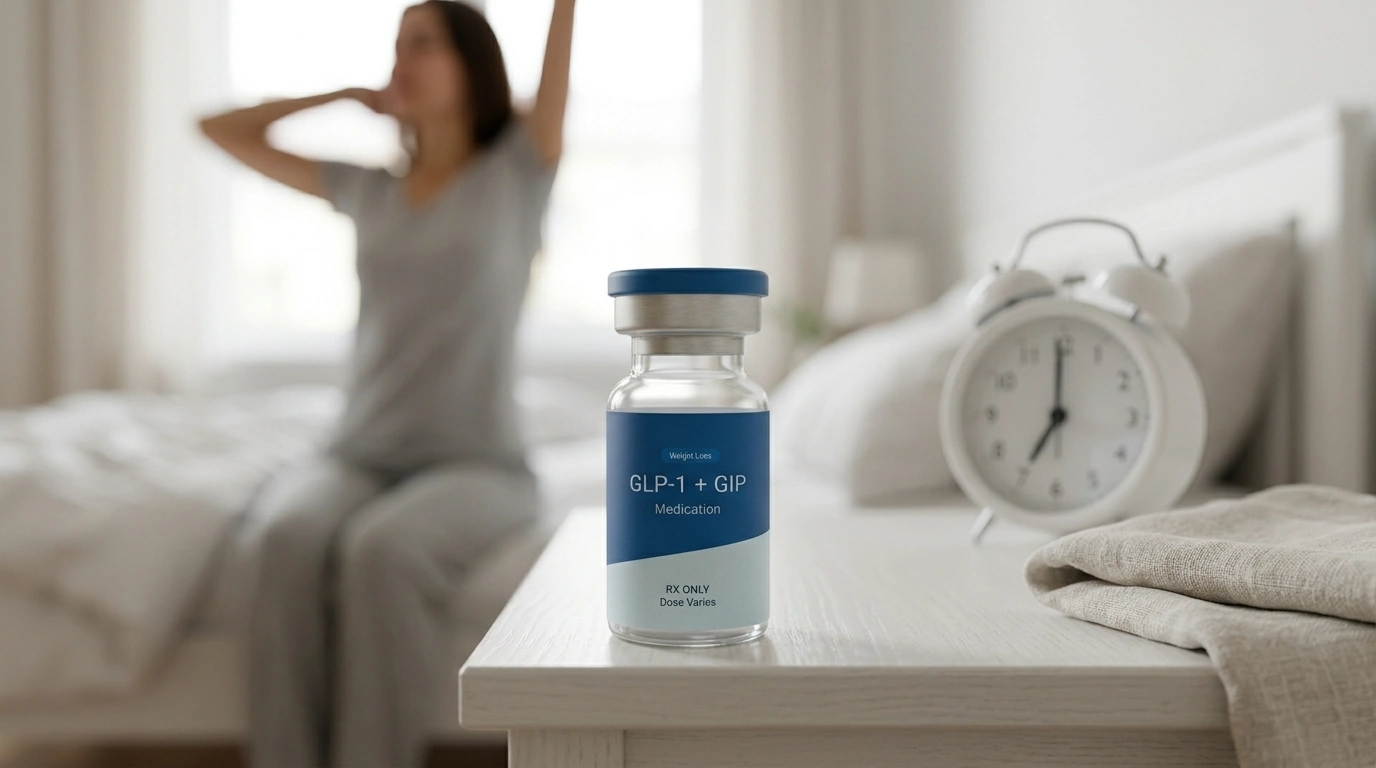
You are standing by the refrigerator, looking at your calendar, and realizing the day has slipped past. That moment of realization—that you missed your weekly injection—often brings a surge of anxiety. You might worry about your progress stalling or wonder if you have to start the whole process over. At TrimRx, we understand that life is busy and routines occasionally break. Whether it was a hectic workday, travel, or simply a lapse in memory, being a day late with your GLP-1 + GIP medication is a common experience. This article will explain exactly how to handle a missed dose, the safety rules for timing your next injection, and how to maintain your momentum. Missing a dose by one day is manageable and safe as long as you follow the specific timing protocols established by clinical guidelines.
Quick Answer: Yes, you can take your dose one day late. Clinical guidelines state you can take a missed dose up to 4 days (96 hours) after your scheduled time. If more than 4 days have passed, you should skip the dose and wait for your next regularly scheduled day.
The Four-Day Window for Missed Doses
When you are managing a weight loss journey with a GLP-1 + GIP (glucagon-like peptide-1 and glucose-dependent insulinotropic polypeptide) medication, consistency is your best friend. However, the manufacturers and clinical experts have built in a safety window for the occasional late dose. This window is exactly four days, or 96 hours, from your original scheduled time.
If you usually take your injection on a Tuesday morning and you realize on Wednesday morning that you forgot, you are well within the safe zone. You should take the medication as soon as you remember. Because the medication has a relatively long half-life—the time it takes for the concentration of the drug in your body to reduce by half—a 24-hour delay will not significantly disrupt the steady state of the medicine in your system.
If you find yourself approaching the end of that four-day window, the same rule applies. Even at three days late, you can still administer the dose. The primary goal is to keep the levels of the medication consistent enough to support appetite regulation and metabolic health without causing a sharp spike in side effects by taking doses too close together. For a broader overview, read about what to do after missing a weekly GLP-1 injection.
The 72-Hour Safety Rule
While the four-day rule tells you when you can take a late dose, the 72-hour rule tells you when it is safe to take your next one. This is arguably the most important safety protocol to remember. You must always ensure there are at least three full days (72 hours) between any two injections.
If you take your “late” dose on a Friday but your “normal” day is Sunday, you cannot take that Sunday dose. Taking two doses within a 48-hour or 60-hour window significantly increases the concentration of the medication in your bloodstream. This often leads to more intense gastrointestinal side effects, such as severe nausea, vomiting, or stomach discomfort.
In this scenario, you have two choices. You can either shift your “new” permanent day to Friday, or you can skip the Sunday dose entirely and resume the following Sunday. Most providers recommend picking a day that fits your lifestyle best and sticking to it moving forward. If you are unsure which option fits your treatment plan, complete a free eligibility assessment.
Key Takeaway: If you are 1 to 4 days late, take the dose immediately. If you are more than 4 days late, skip it. Always ensure a minimum of 72 hours between any two injections to avoid increased side effects.
How GLP-1 + GIP Medications Work in Your Body
To understand why a one-day delay isn’t a medical emergency, it helps to know how these medications function. These treatments are receptor agonists, meaning they mimic natural hormones in your body. The GLP-1 component helps regulate hunger signals in the brain and slows down how quickly your stomach empties. The GIP component provides additional support for fat metabolism and blood sugar regulation.
When you take your injection weekly, the medication slowly builds up to what is known as a “steady state.” This means the amount of medicine entering your system matches the amount being cleared out. Because the half-life of these medications is approximately five days, the medicine stays in your system for quite a while. For additional background, review how GLP-1 medications work.
What happens during a 24-hour delay:
- Appetite signals: You might notice a slight return of “food noise” or hunger pangs. This is simply the medication level dipping slightly below its peak.
- Blood sugar stability: For most individuals, blood sugar remains relatively stable during a short delay, though this should be monitored if you have underlying metabolic conditions.
- Weight loss progress: A single day will not reverse the physiological changes or fat loss you have achieved. Consistency over months is what drives results, not the exact hour of a single dose.
Managing the Return of “Food Noise”
One of the most common concerns when taking a dose a day late is the return of hunger. Many patients report that by day six or seven of their weekly cycle, they start to feel their appetite returning. When you push that to day eight, that sensation can become more pronounced.
This experience is often called “food noise”—the intrusive thoughts about food and the next meal that the medication typically quietens. If you are a day late, do not view this return of hunger as a failure of the program or a sign that the medication has stopped working. It is a natural physical response to the slowing of the medication’s release.
During this 24-hour gap, focus on high-protein snacks and staying hydrated. Protein helps maintain satiety even when the hormonal signals from the medication are at their weekly low. Once you administer the late dose, most people find that the appetite suppression returns within a few hours to a full day. You can also review common appetite issues on GLP-1 medications for related information.
What to Do If You Are More Than Four Days Late
If you realize you are five or six days late, the clinical guidance changes. At this point, you are very close to your next scheduled dose. Taking a dose five days late and then another dose just two days later would violate the 72-hour safety rule and likely make you feel quite ill.
The protocol for a significant delay is simple:
- Skip the missed dose entirely: Do not try to “catch up” by taking it late.
- Wait for your next scheduled day: If you usually inject on Mondays and it is now Saturday, just wait until Monday.
- Do not double the dose: Never take two injections at once to make up for the one you missed. This does not “boost” your weight loss; it only increases the risk of toxicity and severe side effects.
If you miss more than two doses in a row, it is essential to consult with a licensed healthcare provider. When you go several weeks without the medication, your body’s tolerance may decrease. Jumping back in at a high dosage after a long break can lead to significant gastrointestinal distress. A provider may recommend restarting at a lower “induction” dose to let your body acclimate again.
Tips for Staying Consistent
While being a day late is okay once in a while, the best results come from long-term adherence. Our goal at TrimRx is to help you build sustainable habits that make your health journey feel like a natural part of your life rather than a chore. For more practical ideas, see these tips for sticking to GLP-1 injection schedules.
Consider these strategies to help you remember your weekly day:
- Habit Stacking: Associate your injection with a weekly task you never forget. This might be taking out the trash, doing your Sunday meal prep, or watching a specific weekly television show.
- Digital Reminders: Set a recurring alarm on your phone. Many people find it helpful to set the alarm for 15 minutes before they actually plan to take the dose so they can remove the medication from the refrigerator to let it reach room temperature.
- Visual Cues: If safe to do so (keeping it out of reach of children and pets), keep a calendar on your fridge where you check off each dose.
- Morning vs. Evening: If you find you often forget your morning dose because of a chaotic start to the day, try switching to an evening routine when things are calmer.
Why Personalization Matters in Your Journey
Every body reacts differently to timing changes. Some individuals are very sensitive to the dip in medication levels and may feel significant hunger if they are even 12 hours late. Others may not notice a difference for several days. This is why a personalized approach to weight loss is so effective.
Through the TrimRx platform, we connect you with licensed providers who can offer guidance tailored to your specific health profile and reaction to the medication. Whether you are using compounded GLP-1 or GLP-1 + GIP options from FDA-registered and inspected compounding pharmacies, having a dedicated team to answer these “what if” questions is invaluable. Our programs are designed to provide not just the medication, but the support system required to navigate the ups and downs of a real-world schedule.
Myth: If I miss a dose, I will immediately gain back the weight I lost. Fact: Weight loss is a long-term metabolic process. A single missed or late dose will not cause instant weight regain, though you may experience temporary water retention or increased hunger.
Handling Side Effects After a Late Dose
Sometimes, taking a dose a day late can lead to a slight increase in side effects once you finally inject. This happens because the level of the medication in your body had dropped lower than usual, creating a slightly larger “jump” in concentration when you re-administer it.
If you feel slightly more nauseated than usual after a late dose, focus on gentle nutrition.
- Sip on ginger tea or peppermint tea to soothe the stomach.
- Eat small, frequent meals rather than three large ones.
- Avoid highly processed, fatty, or fried foods, which can slow digestion even further and worsen nausea.
- Ensure you are meeting your hydration goals, as dehydration can mimic and worsen the side effects of GLP-1 medications.
If side effects become severe—such as persistent vomiting or intense abdominal pain—you should contact a healthcare professional immediately. You can also review common GLP-1 side effects and what to expect.
The Role of Telehealth Support
One of the major benefits of a telehealth-first program is the ability to get answers quickly without sitting in a waiting room. When you have a question like “Can I take my dose a day late?” you shouldn’t have to wait weeks for an appointment.
At TrimRx, our model prioritizes this accessibility. By managing your program online, you have 24/7 access to resources and a team that understands the nuances of GLP-1 therapy. This constant connection helps turn a moment of panic into a simple, actionable plan. It also ensures that if you do experience side effects from a timing change, you have professional guidance on how to manage them safely. If you are considering a prescription program, start the assessment process.
Step-by-Step: What to Do Right Now
If you are currently sitting with your medication, wondering if you should click that pen or take that dose, follow these steps:
- Step 1: Check the clock. Calculate exactly how many hours it has been since your scheduled dose. If it is under 96 hours, you are clear to proceed.
- Step 2: Check your upcoming week. Look at the next three days. Do you have at least 72 hours before your next “regular” day? If not, you will need to shift your schedule.
- Step 3: Administer the dose. Inject your medication as you normally would, following all standard safety and site-rotation protocols.
- Step 4: Update your reminders. If you decide to keep this new day as your permanent schedule, update your phone alarms and calendar right now.
- Step 5: Monitor your symptoms. Pay attention to your hunger levels and any potential side effects over the next 24 hours.
Long-term Success and Consistency
Weight management is rarely a straight line. There will be weeks where everything goes perfectly and weeks where you forget your dose, travel across time zones, or face unexpected stress. The secret to the success stories you see is not perfection; it is the ability to get back on track quickly.
Taking a dose a day late is a minor detour. By following the 4-day and 72-hour rules, you protect your physical health and ensure the medication continues to work effectively. We believe that with the right tools and a supportive community, these small hiccups won’t stand in the way of your ultimate health goals.
Bottom line: A one-day delay is safe and easily corrected. Simply take the dose as soon as possible, ensure your next dose is at least three days away, and continue your journey toward sustainable health.
Conclusion
Missing a dose of your medication can feel like a setback, but in the context of a months-long journey, it is a very small event. The key is to act decisively: if you are within four days of your scheduled time, take the dose and move forward. If you have passed that window, skip it and wait for your next regular day. At TrimRx, we are committed to helping you navigate these moments with confidence, providing a science-backed and empathetic framework for your weight loss journey. Our personalized programs are built to accommodate the realities of daily life while keeping your metabolic health as the top priority.
- Always prioritize the 72-hour gap between doses for safety.
- Use the 4-day window as your guide for late injections.
- Focus on protein and hydration if hunger returns during a delay.
- Consult a provider if you miss more than two consecutive doses.
“The path to health isn’t about being perfect every single day; it’s about the consistent choices you make over time. A single day’s delay is just a moment to reset and refocus on your goals.”
If you’re looking for a weight loss program that fits your life and provides the expert oversight you need for moments just like this, we are here to help. Taking the first step is simple and starts with understanding your unique health profile.
Ready to see if a personalized program is right for you? Take the free assessment quiz to get started today.
FAQ
Can I take my injection two days late instead of just one?
Yes, you can take your injection up to four days (96 hours) late. If you are two days late, simply administer the dose as soon as you remember and ensure your next dose is at least 72 hours away.
Will I lose less weight if I frequently take my dose a day late?
While an occasional late dose won’t impact long-term results, frequent inconsistency can lead to fluctuating medication levels in your blood. This might make appetite control less predictable and could slightly slow your overall progress compared to a consistent weekly schedule.
I took my dose a day late; should I change my “regular” day now?
You can either return to your original day (as long as it’s 72 hours away) or make the new day your permanent schedule. Many people find it easier to simply move their weekly “dose day” to the new day to ensure they always have a full week between injections. For more scheduling guidance, read about the best time to inject GLP-1 medication.
What if I accidentally took two doses because I forgot I already took one?
You should contact a healthcare provider or a poison control center immediately if you take a double dose. Taking too much GLP-1 + GIP medication at once can lead to severe nausea, vomiting, and dangerously low blood sugar in some individuals.
TrimRX does not practice medicine or prescribe medications. Compounded medications are not FDA-approved and are not evaluated by the FDA for safety or efficacy. Results vary by individual and are not guaranteed.
Disclaimer: This content is for informational purposes only and does not constitute medical advice. It is not intended to diagnose, treat, cure, or prevent any disease or condition. Individual results may vary. Always consult a qualified healthcare professional before starting any weight loss program or medication.

Transforming Lives, One Step at a Time
Keep reading

Mounjaro Alternatives: What Else to Consider
If Mounjaro isn’t the right fit, the closest alternatives are other GLP-1 medications, chiefly semaglutide (Ozempic for diabetes, Wegovy for weight), along with a…

Mounjaro vs Zepbound: Same Drug, Two Brands
Like their semaglutide counterparts, Mounjaro and Zepbound are the same medication (tirzepatide) sold under two names for two purposes: Mounjaro is approved for type…
Retatrutide vs Mounjaro: Triple Agonist vs Dual Agonist
The core difference between retatrutide and Mounjaro comes down to how many hormone targets each hits: retatrutide activates three receptors, while Mounjaro (tirzepatide) activates…


