When Is the Best Time to Inject GLP-1 for Weight Loss Success

Introduction
Standing in your kitchen with a new medication pen in your hand can feel like a major turning point. After years of struggling with traditional diets and weight fluctuations, you finally have a tool designed to work with your body’s biology rather than against it. But then the questions start: Should I do this now? Should I wait until bedtime? Will I feel sick at work tomorrow if I take it this morning?
At TrimRx, we believe that the logistics of your treatment should never be a source of stress. Finding the right rhythm for your medication is a key part of your journey toward a healthier lifestyle. This article explores the biological and practical factors that determine the best time to inject your GLP-1 medication, how to manage potential side effects through smart scheduling, and how to build a routine that feels natural. If you are considering prescription treatment, you can complete a free eligibility assessment. By the end of this guide, you will have a clear plan for when and how to administer your dose for the best possible experience.
Quick Answer: There is no single “perfect” time for everyone, but consistency is critical. Many people prefer evening injections to sleep through early side effects like nausea, while others choose morning injections to align with a consistent daily routine. The most important factor is injecting on the same day every week.
The Science of GLP-1 Timing
To understand when to take your medication, it helps to understand how it works in your body. GLP-1 stands for glucagon-like peptide-1. This is a hormone your body naturally produces in the gut after you eat. It tells your brain you are full, slows down how fast your stomach empties (gastric emptying), and helps your pancreas manage insulin levels.
Medications like Semaglutide and Tirzepatide are known as GLP-1 receptor agonists. They “mimic” that natural hormone but are designed to last much longer in your system. While your natural GLP-1 hormone disappears in minutes, these medications have a “half-life” of about seven days. This means it takes a full week for half of the medication to leave your system.
For a broader explanation of how weekly dosing and timing work, read this guide to the best time of day to take GLP-1 medication.
Why Consistency Outranks Timing
Because these medications stay in your body for a long time, the exact hour you inject is less important than the day you choose. When you take your dose on the same day every week, you maintain a “steady state.” This means the level of medication in your blood remains relatively stable, providing consistent appetite suppression and blood sugar support.
If you frequently shift your injection day, those levels can fluctuate. This might lead to “food noise” (intrusive thoughts about eating) returning early or a sudden spike in side effects when you finally do take the dose.
Morning vs. Evening Injections
Most people choose between a morning or evening injection based on their personal schedule and how they react to the medication. Neither is clinically “better” for weight loss, but each has distinct advantages.
The Case for Morning Injections
Boldly starting your day with your injection can be highly effective for those who thrive on structure. If you have a solid morning routine—perhaps you always take your vitamins with your first glass of water—adding your injection to this window ensures you never forget.
- Routine Reinforcement: It is often easier to remember a task at the start of the day before the distractions of work and family take over.
- Energy Monitoring: Some individuals report feeling a slight “boost” or increased focus after their dose. Taking it in the morning allows you to utilize that energy throughout the day.
- Managing Evening Hunger: For those who struggle with late-night snacking, a morning dose may provide peak appetite suppression during the evening hours.
The Case for Evening Injections
Many healthcare providers suggest evening injections, particularly for new patients. The logic here is centered on comfort. Because the medication begins to work on your digestive system quickly, the most common side effects—like nausea or a “heavy” stomach feeling—often peak a few hours after the shot.
- Sleeping Through Side Effects: By injecting shortly before bed, you may be able to sleep through the initial peak of nausea.
- Reduced Workday Disruption: If you do feel slightly queasy or fatigued after a dose, it is often easier to manage this at home in the evening than in a professional setting or while commuting.
- Flexibility: Evenings are often less rushed for many people, allowing for a calm, sterile environment to prepare the injection without pressure.
For additional guidance on handling digestive discomfort, review this guide to tirzepatide side effects and management strategies.
| Consideration | Morning Injection | Evening Injection |
|---|---|---|
| Consistency | High (tied to morning routine) | Moderate (social events may interfere) |
| Nausea Management | May experience during the day | Often sleep through the peak |
| Appetite Suppression | Strongest in the afternoon/evening | Strongest overnight and next morning |
| Convenience | Good for busy evenings | Good for rushed mornings |
Navigating the “Side Effect Window”
When you are on a personalized program, like the ones we facilitate, managing your comfort is just as important as the number on the scale. Most people notice that side effects are most prominent 24 to 48 hours after their injection. This is when the medication reaches its peak concentration in your bloodstream.
If you want to see whether a personalized prescription program may be appropriate for you, take the free assessment quiz.
The “Weekend Warrior” Strategy
If you work a traditional Monday-through-Friday job, you might consider injecting on Thursday evening or Friday morning. This way, if you experience fatigue or nausea, it occurs over the weekend when you have more flexibility to rest and hydrate.
The “Mid-Week” Strategy
Conversely, some people prefer to be “at their best” for weekend social events or family activities. In this case, injecting on a Monday or Tuesday ensures that by the time Saturday rolls around, your body has processed the peak of the dose, and any side effects have likely subsided.
Key Takeaway: Your “best” time is the window that minimizes interference with your highest-priority activities. If you have a major presentation every Tuesday, avoid a Monday injection.
Food and Your Injection
One of the most common questions we hear is whether you should eat before or after your injection. For injectable medications like Ozempic®, Wegovy®, Mounjaro®, and Zepbound®, the answer is flexible: you can take them with or without food.
Injecting on an Empty Stomach
Some patients find that injecting on an empty stomach (such as first thing in the morning) reduces the likelihood of nausea. Because GLP-1s slow down stomach emptying, having a very full stomach when you inject can sometimes lead to a feeling of intense “fullness” or indigestion as the medication begins to take effect.
The “Light Snack” Approach
If you are prone to low blood sugar or feel lightheaded when you haven’t eaten, having a small, protein-rich snack (like a piece of turkey or a few almonds) before your injection can provide stability. Avoid high-fat or greasy meals right before your shot, as these are the most likely to trigger gastrointestinal upset.
For more context about food, meal timing, and injections, read this guide to timing tirzepatide around meals.
Note: Always consult with a licensed healthcare provider to determine the best approach for your specific health profile, especially if you have underlying conditions like Type 2 diabetes.
Special Considerations for Oral Medications
While most of this discussion focuses on injections, it is important to mention oral formats, such as Rybelsus® or Oral Semaglutide. These follow much stricter timing rules because of how they are absorbed in the stomach.
Oral GLP-1 medications must be taken:
- First thing in the morning.
- On an empty stomach.
- With no more than 4 ounces of plain water.
- At least 30 minutes before eating, drinking anything else, or taking other oral medications.
If you do not follow this specific window, the medication may not be absorbed effectively, and you may not see the results you expect.
Building Your Injection Ritual
Creating a consistent “ritual” around your treatment can reduce anxiety and ensure safety. Our team at TrimRx recommends a simple, repeatable process.
Step 1: Choose Your Zone.
Select a clean, well-lit area. Ensure you have your medication pen, a fresh needle, an alcohol swab, and a sharps container.
Step 2: Check the Medication.
The liquid should be clear and colorless. If it looks cloudy or contains particles, do not use it and contact your provider.
Step 3: Rotate Your Site.
You can inject into your abdomen (staying two inches away from the belly button), the front of your thighs, or the back of your upper arms. Rotating your site every week is crucial to prevent the skin from becoming hard or lumpy.
For more practical guidance, read this GLP-1 injection site guide.
Step 4: The Injection.
Clean the skin with alcohol. Follow the instructions for your specific pen device. Most pens require you to hold the needle in the skin for 5 to 10 seconds after the dose counter reaches zero to ensure the full dose is delivered.
Step 5: Log It.
Use a calendar or a dedicated app to note the date, time, and the site you used (e.g., “Friday, 8:00 PM, Left Thigh”). This helps you keep track of your rotation and ensures you don’t accidentally skip or double a dose.
Managing a Missed Dose
Life happens. You might forget your pen on a weekend trip or simply lose track of the day. If you miss your scheduled injection, do not panic.
- The 5-Day Rule: Most manufacturers suggest that if you are within 5 days of your original scheduled day, you should take the missed dose as soon as you remember.
- The “Wait and Resume” Rule: If more than 5 days have passed since your missed dose, skip it entirely. Take your next dose on your usual scheduled day. Never take two doses at once to “make up” for a missed one.
- Long Gaps: If you miss two or more doses in a row, contact your healthcare provider. You may need to restart at a lower dose to avoid severe side effects, as the level of medication in your system will have dropped significantly.
For a detailed walkthrough, read what to do if you miss a dose of GLP-1 medication.
Traveling and Time Zones
If you are a frequent traveler, maintaining your GLP-1 schedule requires a little extra planning.
- Keep it Cool: Most GLP-1 pens can stay at room temperature (up to 86°F) for 21 to 56 days (depending on the brand) once they are in use. However, for long flights or hot climates, use a small insulated travel case with a gel pack.
- Shifting Time Zones: If you are traveling across several time zones, try to stick as closely as possible to your “home” time for the first week, then gradually adjust to the local time for your next dose. Because the medication lasts a week, a few hours of difference won’t impact its effectiveness.
- Documentation: Always carry your medication in its original packaging with the prescription label visible to avoid issues at airport security.
For more information about storage and travel planning, review this GLP-1 medication storage and handling guide.
Supporting Your Body’s Natural Path
Choosing the right time for your injection is an act of self-care. It’s about listening to your body and giving it the best environment to succeed. At TrimRx, our mission is to support this process with science and empathy. We believe weight loss is not just about the medication—it is about the personalized support and clinical guidance that helps you navigate these daily decisions.
Our platform connects you with licensed providers who can help tailor these timing strategies to your specific biology. Whether you are using Compounded Semaglutide or Compounded Tirzepatide from FDA-registered compounding pharmacies, or exploring other options, the goal remains the same: sustainable, healthy progress.
For nutritional support during treatment, explore the GLP-1 Daily Support supplement.
Bottom line: The “best” time is the one you can stick to every single week with minimal stress. Consistency creates the foundation for long-term health.
Conclusion
Finding the ideal time for your GLP-1 injection is a personal journey that may involve a bit of trial and error. Whether you choose the quiet routine of a Saturday morning or the convenience of a Sunday night, your focus should always be on maintaining a steady rhythm. By aligning your dose with your lifestyle and being mindful of how your body reacts, you turn a clinical requirement into a seamless part of your wellness routine.
If you are ready to take the next step in your health journey, we invite you to take the free assessment quiz to see which personalized program is right for you. For those already on their way, our GLP-1 Daily Support and Weight Loss Boost supplements are designed to provide extra nutritional foundations as you navigate your treatment.
Remember, you are not just managing a number on a scale; you are reclaiming your metabolic health one consistent dose at a time.
FAQ
Can I change my injection day after I’ve already started?
Yes, you can change your injection day as long as there are at least 3 days (72 hours) between your last dose and your new scheduled day. Once you make the switch, stay consistent with the new day to maintain steady levels of the medication in your body.
Should I eat a large meal before my injection to prevent hunger?
It is generally better to avoid large, heavy, or high-fat meals immediately before your injection. Because the medication slows down your digestion, a very large meal can lead to uncomfortable bloating, nausea, or indigestion as the dose begins to take effect.
Is it better to inject in the morning or night to avoid nausea?
Many people find that injecting at night allows them to sleep through the initial peak of nausea, which typically occurs a few hours after the dose. However, if you find that the injection makes you feel restless or interferes with your sleep, a morning injection might be a better choice for you.
What should I do if I forget what day I usually take my shot?
Check your medication log or your calendar to see when you last administered a dose. If you cannot find a record, contact your healthcare provider or our support team at TrimRx for guidance on how to safely reset your schedule without triggering intense side effects. If you are considering a personalized program, you can complete a free eligibility assessment.
Disclaimer: This content is for informational purposes only and does not constitute medical advice. It is not intended to diagnose, treat, cure, or prevent any disease or condition. Individual results may vary. Always consult a qualified healthcare professional before starting any weight loss program or medication.

Transforming Lives, One Step at a Time
Keep reading
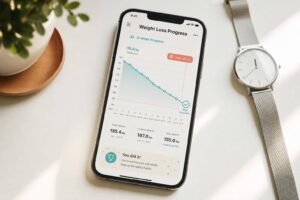
Weight Loss Progress Tracker
Track your weight loss over time, see progress clearly, and stay motivated with simple charts, summaries, and goal-based insights.
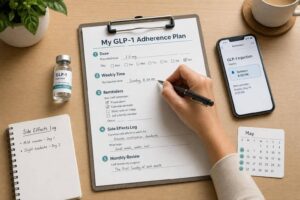
How to Create a Personalized Adherence Plan
Build a one-page GLP-1 adherence plan: record dose, pick a weekly time, set reminders, log side effects, and review monthly.

Weight Loss Medication Dosage Calculator
Estimate weight loss medication doses by weight and drug type, with starting guidance, dose progression info, and a clear medical disclaimer.


