Can You Take L-Carnitine With Semaglutide?
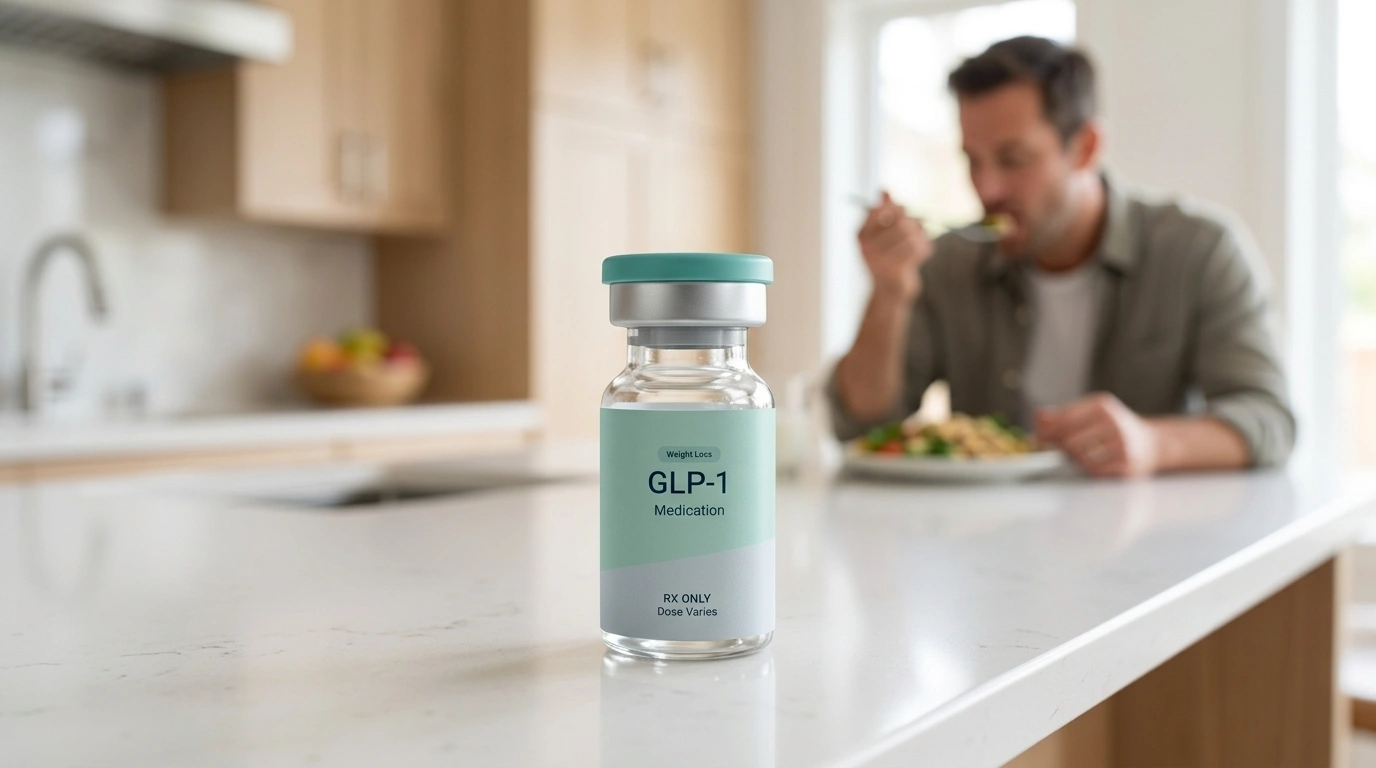
Introduction
Starting a weight loss journey often brings up a series of questions about how to maximize results safely. You might be successfully using a GLP-1 medication but find yourself wondering if adding a supplement could help with energy levels or fat metabolism. Many people ask, “can you take L-carnitine with semaglutide,” especially when they feel their energy dipping as their caloric intake decreases. At TrimRx, we focus on providing a clear, science-backed path to weight management that prioritizes both safety and efficacy. This article covers how these two substances interact, the potential benefits of combining them, and what you should consider before adding any supplement to your prescription program. We explore the synergy between metabolic support and appetite regulation to help you determine the best approach for your health goals.
Quick Answer: Yes, you can take L-carnitine with semaglutide, and many clinicians even prescribe them together. While semaglutide works to reduce appetite and improve insulin sensitivity, L-carnitine supports the transport of fatty acids into cells to be burned for energy, potentially helping to maintain energy levels during weight loss.
Understanding Semaglutide and Its Role in Weight Loss
Semaglutide is a medication known as a GLP-1 receptor agonist. This means it mimics a natural hormone in your body called glucagon-like peptide-1. This hormone is responsible for several key functions in your metabolism, including signaling your brain that you are full and slowing down the rate at which your stomach empties. By mimicking this hormone, the medication helps individuals reduce their overall calorie intake without the intense hunger pangs that often lead to “diet failure.” For a deeper explanation, read about what the GLP-1 hormone does in metabolism and weight management.
The medication also helps regulate blood sugar levels. It prompts the pancreas to release the right amount of insulin when blood sugar is high and reduces the amount of sugar the liver produces. Originally developed for type 2 diabetes, branded versions like Ozempic® and Wegovy® have become well-known for their effectiveness in chronic weight management.
Personalized programs often utilize compounded semaglutide. Compounded medications are prepared by FDA-registered, inspected compounding pharmacies to meet specific patient needs. While these compounded versions are not FDA-approved, they allow for tailored dosages and are often combined with other nutrients to support the patient’s overall well-being during the weight loss process.
What is L-Carnitine?
L-carnitine is an amino acid derivative found in nearly all cells of the body. Its primary job is to act as a transport vehicle. It picks up long-chain fatty acids and carries them into the mitochondria, which are often described as the “powerhouses” of the cell. Once inside the mitochondria, these fats are oxidized—or burned—to create usable energy for the body.
The body produces some L-carnitine naturally. It is synthesized in the liver and kidneys from the amino acids lysine and methionine. Most people also get it through their diet, particularly from red meat and dairy products. However, during periods of significant weight loss or intense physical activity, some individuals choose to supplement to ensure their cellular “transport system” is working at its peak.
There are several different forms of this nutrient. L-carnitine tartrate is frequently used in fitness and weight loss circles due to its rapid absorption rate. Acetyl-L-carnitine is another common form that is often studied for its potential effects on brain health and cognitive function. When people discuss combining it with weight loss medications, they are typically referring to its fat-metabolizing properties.
The Potential Synergy: How They Work Together
Combining semaglutide and L-carnitine addresses weight loss from two different angles. Semaglutide acts primarily on the signals that control “input”—it reduces how much you want to eat. L-carnitine acts on the “output”—it helps ensure that the fat your body is breaking down is actually being converted into energy efficiently.
This combination may help address the “energy gap” many feel during a caloric deficit. When you eat significantly less, your body may initially struggle to keep up its energy levels. By supporting the transport of fat into the cellular furnaces, L-carnitine may help bridge this gap. This is particularly relevant for those who are incorporating exercise into their weight loss plan. For more context, explore how semaglutide-related fatigue may develop and improve.
Key Takeaway: Semaglutide focuses on appetite suppression and satiety, while L-carnitine supports the cellular process of turning fat into energy. Together, they target both the intake and the metabolic processing of nutrients.
Comparing Semaglutide and L-Carnitine
| Feature | Semaglutide (GLP-1) | L-Carnitine |
|---|---|---|
| Primary Function | Appetite suppression & insulin regulation | Fat transport & energy production |
| Mechanism | Mimics GLP-1 hormone in the brain/gut | Moves fatty acids into mitochondria |
| Common Format | Subcutaneous injection or oral tablet | Injection, capsule, or liquid |
| Prescription Required | Yes | No (unless in specific high-dose compounds) |
| Main Benefit | Significant weight reduction | Support for metabolism & energy |
Benefits of Combining L-Carnitine with Semaglutide
One of the most reported benefits is the preservation of energy levels. One common complaint of those starting GLP-1 therapy is a feeling of lethargy or fatigue. This often happens because the body is adjusting to a lower calorie intake. Supporting the body’s natural ability to burn stored fat for fuel can help mitigate this sluggishness.
Improved fat metabolism is a key goal of this pairing. While semaglutide ensures you are in a caloric deficit, L-carnitine ensures your body has the tools it needs to process that deficit. For an individual with a BMI over 30 who is working to improve metabolic health, this dual approach can feel more holistic than medication alone.
Some research suggests L-carnitine may support muscle recovery. During weight loss, there is always a risk of losing lean muscle mass along with body fat. L-carnitine has been studied for its role in reducing muscle soreness and markers of muscle damage after exercise. Maintaining muscle is crucial for keeping the metabolism high over the long term.
Enhanced insulin sensitivity is another potential overlapping benefit. While semaglutide is a powerful tool for blood sugar regulation, L-carnitine has also shown promise in supporting insulin action in the cells. When the body is more sensitive to insulin, it is better at using carbohydrates for energy rather than storing them as fat.
Safety and Side Effects
Semaglutide is associated with gastrointestinal side effects. These most commonly include nausea, vomiting, diarrhea, and constipation. These effects are usually most prominent when first starting the medication or when increasing the dosage. Most people find that these symptoms subside as their body adjusts to the treatment over several weeks. You can also review this guide to common semaglutide side effects and practical management strategies.
L-carnitine is generally considered safe but can have its own side effects. At high doses, some people may experience stomach cramps, nausea, or a “fishy” body odor. This odor is caused by the breakdown of carnitine in the gut. Using an injectable form or a high-quality oral supplement can often reduce the likelihood of these issues.
Combining the two does not typically increase the risk of severe reactions. However, because both can cause mild nausea, some individuals might find their digestive system is more sensitive when starting both at the same time. It is often recommended to stabilize on your GLP-1 medication before adding new supplements to your routine.
There are specific contraindications to keep in mind. For example, people with a history of seizures should be cautious with L-carnitine, as it may increase the frequency or severity of episodes in some cases. Additionally, those with kidney disease or thyroid issues should always consult a provider.
Note: Always inform your healthcare provider of all supplements you are taking. Even over-the-counter nutrients can interact with prescription medications or underlying health conditions.
Managing the Side Effect Profile
Hydration is the first line of defense against many side effects. Both GLP-1 medications and metabolic supplements work best when the body is well-hydrated. Water helps the kidneys process the breakdown of fat and can help alleviate the constipation sometimes associated with semaglutide.
Small, frequent meals can help with nausea. Instead of three large meals, try eating smaller portions throughout the day. This keeps the stomach from becoming too full, which is when semaglutide-induced nausea often peaks. Adding L-carnitine to a small meal can also help reduce the chance of stomach upset from the supplement itself.
Slowly increasing the dosage is standard practice. Most providers will start you on a low dose of semaglutide and gradually titrate—or increase—the dose over several months. This same “low and slow” approach can be applied to supplements like L-carnitine to ensure your body tolerates the combination well.
How to Get Started with a Personalized Program
The first step is always a professional health assessment. At TrimRx, we connect you with licensed healthcare providers who evaluate your medical history, current health status, and weight loss goals. This ensures that any medication prescribed, whether it is compounded semaglutide or tirzepatide, is appropriate for your specific needs. If you are considering prescription treatment, you can complete a free eligibility assessment.
A telehealth consultation offers convenience and privacy. You do not need to sit in a waiting room or take time off work for an in-person visit. The entire process, from the initial health quiz to the doctor’s consultation, happens online. This modern approach makes it easier to stay consistent with your program.
Medications are shipped directly to your door. Once a provider determines that a GLP-1 medication is right for you, it is filled by a licensed compounding pharmacy and shipped to your home. These pharmacies are FDA-registered and inspected, ensuring high standards of quality and safety in the preparation of your treatment.
Ongoing support is a vital part of long-term success. Weight loss is not a one-time event; it is a journey. Our program includes 24/7 access to specialists who can answer questions about your medication, help you manage side effects, and provide guidance on how to optimize your results through lifestyle changes.
Step-by-Step: Starting Your Weight Loss Journey
Step 1: Complete the online assessment. / Fill out a detailed health quiz that covers your BMI, medical history, and weight loss goals.
Step 2: Consult with a licensed provider. / A healthcare professional will review your information to determine if you are a candidate for GLP-1 therapy.
Step 3: Receive your personalized plan. / If eligible, you will receive a treatment plan that may include compounded medications tailored to your needs.
Step 4: Begin your medication and support. / Your medication arrives at your home, and you gain access to our team for continuous guidance and dose management.
The Role of Supplements in GLP-1 Therapy
Supplements can play a supportive role in a broader health strategy. While the GLP-1 medication does the “heavy lifting” regarding appetite, supplements like our GLP-1 Daily Support supplement are designed to fill nutritional gaps that may occur when you are eating less.
Micronutrients are essential when caloric intake is low. When you reduce the volume of food you eat, it becomes harder to get all the vitamins and minerals your body needs. Using a targeted supplement can help ensure your hair, skin, and energy levels remain healthy throughout your transformation. For more perspective on supplement options, read what supplements may help support weight loss.
Weight Loss Boost supplements can provide an extra edge. These are often formulated with ingredients like L-carnitine, B-vitamins, or green tea extract. They are intended to support the metabolic rate and can be purchased directly without a prescription, making them an accessible addition to your daily routine. You can explore the Weight Loss Boost supplement as one option for metabolic and energy support.
Myth vs. Fact
Myth: L-carnitine is a “miracle” fat burner that works without diet or exercise.
Fact: L-carnitine is a support tool. It helps transport fat to be burned, but you still need to be in a caloric deficit (which semaglutide helps with) for actual fat loss to occur.
Myth: You can only get L-carnitine through injections.
Fact: While injections are highly bioavailable, L-carnitine is also effective in oral forms like capsules or liquids, and it is naturally found in foods like beef and whole milk.
Myth: Combining supplements with semaglutide is dangerous for the heart.
Fact: For most healthy individuals, this combination is safe. However, semaglutide can increase heart rate, and some supplements have stimulant effects, so medical supervision is necessary to monitor your cardiovascular health.
Nutrition and Lifestyle Tips
Prioritize protein at every meal. When losing weight quickly, your body may look to muscle tissue for energy. Consuming adequate protein—such as lean meats, tofu, or protein shakes—helps protect your muscle mass. This is especially important when taking L-carnitine, as you want the “fuel” being burned to come from fat stores, not muscle.
Incorporate resistance training. While walking is great for cardiovascular health, lifting weights or using resistance bands tells your body to keep its muscle. The more muscle you have, the higher your resting metabolic rate will be, which helps prevent the “rebound” weight gain many fear after stopping medication.
Monitor your progress beyond the scale. Pay attention to how your clothes fit, your energy levels throughout the day, and your performance during workouts. Sometimes the scale doesn’t move because you are gaining muscle while losing fat—a process known as body recomposition. L-carnitine is often favored by those looking to achieve this specific goal.
Practice mindful eating. Even though semaglutide reduces your hunger, it is still important to choose nutrient-dense foods. Focus on whole grains, colorful vegetables, and healthy fats. This ensures that the calories you do consume provide the maximum benefit to your body.
The Importance of Medical Supervision
A provider helps you navigate the complexities of dosing. If you are not seeing the results you expect, or if side effects are too intense, a licensed professional can adjust your dosage or suggest changes to your supplement routine. This level of personalization is what sets a professional program apart from a DIY approach.
Safety monitoring is non-negotiable. Regular check-ins allow your care team to monitor for rare but serious side effects, such as gallbladder issues or pancreatitis. While these are uncommon, having a dedicated medical team ensures that any red flags are caught early.
Telehealth provides a bridge to expert care. In the past, accessing these types of medications required multiple trips to a specialist’s office. Today, platforms like ours make it possible for people across the country to receive the same high-level clinical guidance from the comfort of their homes.
Conclusion
The journey to a healthier weight is personal, and the tools you use should be just as unique as you are. Understanding how different substances like semaglutide and L-carnitine interact allows you to make informed decisions about your health. By combining the appetite-regulating power of a GLP-1 medication with the metabolic support of L-carnitine, many individuals find a sustainable path to reaching their goals. Our mission at TrimRx is to provide you with the clinical expertise, high-quality treatments, and empathetic support needed to navigate this process with confidence. Whether you are just starting out or looking to optimize your current results, a science-backed, personalized approach is the most effective way to transform your metabolic health. If you are ready to explore whether prescription GLP-1 treatment may fit your needs, see if you qualify for a personalized program.
Bottom line: L-carnitine and semaglutide can be a powerful pair for fat loss and energy management, provided they are used as part of a medically supervised program that includes a healthy diet and regular physical activity.
FAQ
Does L-carnitine help with the fatigue caused by semaglutide?
Many users find that L-carnitine supports their energy levels by helping the body more efficiently convert stored fat into usable energy. While semaglutide can cause a temporary dip in energy due to lower calorie intake, L-carnitine aids the cellular processes that power your muscles and brain. However, fatigue can also be caused by dehydration or lack of sleep, so it is important to address those factors as well. You can read more about fatigue during semaglutide treatment.
Can I take L-carnitine as a pill, or does it have to be an injection?
L-carnitine is available in both oral (pills/liquids) and injectable forms. Injections are often preferred in clinical settings because they bypass the digestive system, leading to higher absorption rates. That said, high-quality oral supplements are still effective for many people and are a more convenient option for those who want to avoid extra needles.
Is it safe to buy L-carnitine over the counter while on a prescription?
Generally, L-carnitine is a safe supplement for most people, but you should always verify this with your prescribing doctor. Some over-the-counter supplements contain hidden stimulants or fillers that could interact with your weight loss medication. Choosing a transparent, high-quality supplement or getting it through your weight loss program is the safest way to ensure purity and correct dosing.
Will taking L-carnitine make me lose weight faster?
While L-carnitine supports fat metabolism, it is not a weight loss “shortcut.” It works best when your body is already in a fat-burning state, which semaglutide helps achieve by reducing your calorie intake. Think of semaglutide as the driver of the car and L-carnitine as a high-quality fuel that helps the engine run more smoothly during the trip.
Disclaimer: This content is for informational purposes only and does not constitute medical advice. It is not intended to diagnose, treat, cure, or prevent any disease or condition. Individual results may vary. Always consult a qualified healthcare professional before starting any weight loss program or medication.

Transforming Lives, One Step at a Time
Keep reading

Hair Shedding Months Into Semaglutide
It shows up in the shower drain first, then on the pillow, then in the brush. By the time most people search this, they…

Vision Changes on Semaglutide: What to Know
Three different things get bundled together under this question, and they carry very different levels of urgency. Separating them is most of the work….

High-Altitude Hiking on Semaglutide
You have a trip booked and an appetite that already does not work the way it used to. The worry is reasonable, and there…


