Can Ozempic and Glipizide Be Taken Together?
Introduction
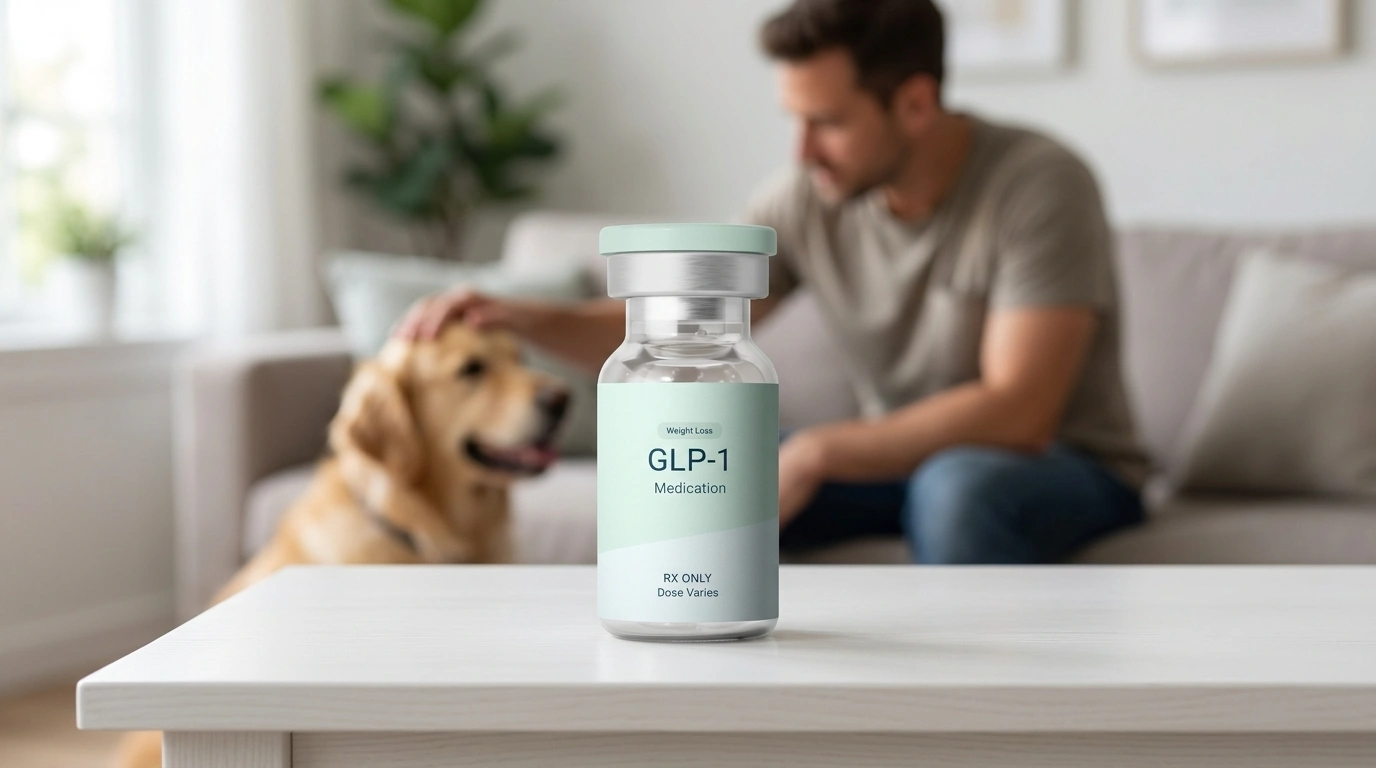
Managing Type 2 diabetes often feels like a balancing act between different medications, lifestyle changes, and constant monitoring. You might have been taking a traditional medication like glipizide for years, only to have your healthcare provider suggest adding a newer option like Ozempic®. While combining treatments can be a highly effective way to manage blood sugar, it also introduces new questions about safety and side effects.
At TrimRx, we believe that understanding how your medications interact is the first step toward a successful health journey. This post will examine the specific relationship between Ozempic and glipizide, the potential risks of using them together, and how to stay safe while optimizing your treatment. We will also explore how personalized programs can help you navigate these complexities. The short answer is that these medications can be taken together, but they require careful medical supervision and specific adjustments to prevent blood sugar from dropping too low.
If you are considering a GLP-1 medication, you can complete a free eligibility assessment to begin discussing your options with a qualified provider.
Quick Answer: Yes, Ozempic and glipizide can be taken together under the guidance of a healthcare provider. However, this combination significantly increases the risk of hypoglycemia (low blood sugar), often requiring a dose reduction of the glipizide.
What is Ozempic?
Ozempic® (semaglutide) belongs to a class of medications known as GLP-1 receptor agonists. GLP-1 stands for glucagon-like peptide-1, which is a natural hormone your body produces to help regulate blood sugar. When you take a GLP-1 medication, it mimics this hormone to perform several key tasks.
First, it signals the pancreas to release more insulin, but only when your blood sugar is actually high. This is often called a “glucose-dependent” mechanism. Second, it prevents the liver from releasing too much stored sugar into your bloodstream. Finally, it slows down gastric emptying, which is the speed at which food leaves your stomach. This helps you feel full longer and prevents sharp spikes in blood sugar after meals.
For a broader explanation of how semaglutide works, read this guide to GLP-1 medications and their effects on the body.
What is Glipizide?
Glipizide is part of an older class of medications called sulfonylureas. Unlike GLP-1 medications, sulfonylureas work by directly stimulating the beta cells in your pancreas to release more insulin throughout the day.
This mechanism is not glucose-dependent. This means glipizide tells your body to produce insulin regardless of whether your blood sugar is high or low. While this makes it a very powerful tool for lowering blood glucose, it also carries a higher inherent risk of causing blood sugar to drop below the healthy range. Glipizide is commonly sold under brand names like Glucotrol®.
The Interaction Between Ozempic and Glipizide
When you take Ozempic and glipizide at the same time, you are using two different pathways to increase insulin and lower blood sugar. This “double-down” effect can be very effective for people whose blood sugar is difficult to control with one medication alone. However, the primary concern is an increased risk of hypoglycemia.
Because glipizide forces insulin production and Ozempic enhances the body’s response to glucose, the combination can sometimes lower blood sugar too much. Clinical studies have shown that patients adding a GLP-1 to a sulfonylurea are much more likely to experience low blood sugar events than those using a GLP-1 alone.
For more information about medications that may require careful management with Ozempic, review this guide to Ozempic and medication interactions.
Why the Risk Increases
The constant insulin push from glipizide. Since glipizide does not “turn off” when blood sugar is normal, it continues to work even as the Ozempic is making your body more efficient at processing sugar.
Delayed stomach emptying. Ozempic slows down digestion. If your insulin levels are high from glipizide but your food is taking longer to digest and enter your bloodstream, your blood sugar may drop before the glucose from your meal arrives to balance it out.
Key Takeaway: Combining a GLP-1 like Ozempic with a sulfonylurea like glipizide creates a synergistic effect that lowers blood sugar more than either drug alone, but it requires a “start low and go slow” approach to dosing.
Recognizing the Symptoms of Hypoglycemia
If you and your doctor decide to use these two medications together, you must be able to recognize the signs of low blood sugar. Hypoglycemia is typically defined as a blood sugar level below 70 mg/dL.
Early symptoms of low blood sugar include:
- Shakiness or tremors
- Sudden sweating or chills
- Dizziness or lightheadedness
- A rapid or pounding heartbeat
- Intense hunger (often called “hangry” feelings)
- Nervousness or anxiety
More severe symptoms can include:
- Confusion or difficulty concentrating
- Blurred vision
- Slurred speech
- Extreme drowsiness or weakness
- Seizures or loss of consciousness (in rare, emergency cases)
If you notice these signs, you should check your blood sugar immediately. Many providers recommend the “15-15 Rule”: consume 15 grams of fast-acting carbohydrates, such as four ounces of juice or glucose tablets, wait 15 minutes, and check your levels again.
You can also review this resource on Ozempic, hypoglycemia symptoms, and safety risks.
Managing the Combination Safely
Safety is the priority when mixing Ozempic® and glipizide. Your healthcare provider will likely take several steps to ensure your blood sugar remains in a healthy range.
Dose Adjustments
When starting Ozempic, it is common for providers to preemptively reduce the dose of glipizide. By lowering the “base” amount of insulin-stimulating medication, there is more room for the GLP-1 to work without causing a dangerous drop. You should never adjust your own doses without a direct instruction from your medical team.
Frequent Monitoring
You will likely need to check your blood sugar more often during the first few weeks of the combination therapy. This helps you and your provider see how your body is reacting to the new balance of medications. Keeping a log of these readings can be incredibly helpful for your follow-up appointments.
Telehealth and Personalized Care
Platforms like TrimRx provide an avenue for consistent, medically supervised weight and metabolic management. When you use our platform, you are connected with licensed providers who evaluate your entire health profile, including existing medications like glipizide.
Our personalized programs are designed to monitor your progress and side effects closely. This telehealth-first approach means you have access to a dedicated team to discuss concerns about blood sugar fluctuations without needing to wait weeks for an in-person appointment.
To understand what a medically supervised online process may involve, read how online GLP-1 prescriptions work.
Comparison of Mechanisms
| Feature | Ozempic® (Semaglutide) | Glipizide (Sulfonylurea) |
|---|---|---|
| Primary Function | Mimics GLP-1 hormone | Stimulates insulin release |
| Glucose Dependent? | Yes (Works when sugar is high) | No (Works continuously) |
| Effect on Appetite | Reduces hunger and slows digestion | Minimal effect on hunger |
| Hypoglycemia Risk | Low when used alone | Moderate to high |
| Administration | Weekly injection or daily tablet | Daily oral tablet |
Lifestyle Considerations
Your daily habits play a major role in how Ozempic and glipizide interact in your body. Being mindful of your routine can help minimize the risk of side effects.
The Role of Alcohol
Alcohol can significantly affect blood sugar levels, especially when you are on medications that increase insulin. Alcohol can cause both high and low blood sugar, depending on the amount and whether you have eaten. Because both glipizide and Ozempic are already working to lower your glucose, drinking alcohol on an empty stomach can lead to severe hypoglycemia. It is generally best to limit alcohol or avoid it entirely while adjusting to this combination.
Consistent Meal Patterns
Because glipizide works regardless of when you eat, skipping meals can be dangerous. When you add Ozempic—which further slows digestion—missing a meal can cause your blood sugar to plummet. Try to maintain a consistent schedule for meals and snacks to provide your body with a steady source of glucose.
Myth: “If I take Ozempic, I can stop my glipizide immediately.”
Fact: Stopping glipizide abruptly can cause a dangerous spike in blood sugar (hyperglycemia). Any transition between these medications must be managed by a healthcare professional, often involving a gradual tapering of the older medication.
Who Should Exercise Extra Caution?
While many people can safely take these medications together, certain health conditions require extra vigilance.
Kidney and Liver Health
Glipizide is primarily metabolized in the liver and excreted through the kidneys. If you have impaired kidney or liver function, the medication can stay in your system longer, increasing the risk of prolonged hypoglycemia. Similarly, while Ozempic is generally safe for the kidneys, dehydration from side effects like vomiting or diarrhea can cause temporary kidney strain.
History of Thyroid Conditions
Ozempic® and other semaglutide products carry a warning regarding a personal or family history of medullary thyroid carcinoma (MTC) or Multiple Endocrine Neoplasia syndrome type 2 (MEN 2). While this is unrelated to glipizide, it is a critical safety check for anyone starting a GLP-1 medication.
The TrimRx Approach to Metabolic Health
At TrimRx, we understand that weight loss and blood sugar management are deeply personal. We don’t believe in a one-size-fits-all solution. Our mission is to provide a transparent, science-backed platform where you can access the care you need from the comfort of your home.
Whether you are curious about compounded semaglutide or are currently taking branded medications like Ozempic®, our platform connects you with providers who can help you determine the safest path forward.
Note: Compounded semaglutide and compounded tirzepatide are prepared by FDA-registered, inspected compounding pharmacies. While these specific formulations are not FDA-approved, they allow for personalized dosing and access when traditional branded medications are in short supply.
Moving Toward Sustainable Results
If you are struggling to manage your weight or blood sugar with glipizide alone, adding a GLP-1 medication may be a powerful next step. The goal of any treatment plan is not just to lower numbers on a screen or a scale, but to help you feel better and live a more active life.
By working with a clinical team to monitor the interaction between Ozempic and glipizide, you can enjoy the benefits of both while minimizing the risks. This often leads to better long-term outcomes and a more sustainable approach to metabolic health.
Steps to Take Before Starting the Combination
- Request a full medication review: Ensure your provider knows every supplement and prescription you take.
- Learn to use a glucose monitor: If you don’t already check your sugar at home, now is the time to start.
- Complete a health assessment: Use tools like our free assessment quiz to provide a clear picture of your health history.
- Discuss a “rescue plan”: Talk to your doctor about what to do if your blood sugar drops too low.
Side Effect Support
When taking Ozempic and glipizide, you may experience common GLP-1 side effects such as nausea or stomach upset in addition to the risk of low blood sugar. To help manage these changes, we offer specialized supplements like GLP-1 Daily Support. This formula is designed to help your body adapt to the medication while maintaining essential nutrient levels.
We also offer a Weight Loss Boost supplement for those looking to optimize their metabolic rate alongside their prescribed program. These over-the-counter options do not require a prescription and can be a helpful addition to your daily routine.
Conclusion
Combining Ozempic and glipizide is a common clinical practice, but it must be handled with care. The primary goal is to harness the blood sugar-lowering power of both medications without crossing the line into hypoglycemia. By monitoring your glucose levels closely, staying consistent with your meals, and working with a dedicated medical team, you can safely navigate this treatment path.
Our mission at TrimRx is to simplify this journey. We merge clinical expertise with modern technology to deliver personalized, medically supervised programs that focus on your long-term wellness. If you are ready to explore how a tailored weight loss or metabolic health program can fit into your life, the first step is easy.
Next Step: Take the free assessment quiz to see which personalized program is right for your unique health profile and goals.
FAQ
Does Ozempic replace glipizide?
In some cases, a healthcare provider may eventually transition a patient off glipizide once the Ozempic® dose is high enough to manage blood sugar on its own. However, many people continue to take both in smaller doses to achieve optimal glucose control. You should never stop taking glipizide unless specifically instructed to do so by your doctor.
What should I do if my blood sugar drops while taking both?
If you experience symptoms of hypoglycemia, such as shakiness or confusion, check your blood sugar immediately. If it is below 70 mg/dL, follow the 15-15 rule by consuming 15 grams of simple carbohydrates and re-checking in 15 minutes. Contact your healthcare provider to discuss a dose adjustment if these events happen frequently.
For additional context, read about medications that may interact with Ozempic.
Can I take Ozempic if I have a history of liver disease?
Glipizide requires caution in patients with liver disease because the liver processes the medication, but Ozempic is generally considered safe for the liver. However, a provider must review your specific medical history to determine if the combination is appropriate for your level of liver function.
How often should I check my blood sugar when starting this combination?
Most providers recommend checking your blood sugar several times a day when first adding Ozempic to a glipizide regimen. This usually includes testing before meals and at bedtime. Once your doses are stable and your levels are in the target range, your provider may allow you to check less frequently.
If you are considering a medically supervised GLP-1 program, find out whether you may qualify based on your health history.
Disclaimer: This content is for informational purposes only and does not constitute medical advice. It is not intended to diagnose, treat, cure, or prevent any disease or condition. Individual results may vary. Always consult a qualified healthcare professional before starting any weight loss program or medication.

Transforming Lives, One Step at a Time
Keep reading
Can You Take Melatonin on Ozempic?
Generally yes, and it is worth mentioning to your provider as you would any supplement. There is no known interaction between melatonin and semaglutide….
Can You Take Ibuprofen on Ozempic?
For occasional use in someone who is well hydrated and has healthy kidneys, ibuprofen is generally considered reasonable, and it is worth checking with…

Why Do I Feel Best Two Days After My Ozempic Injection?
Because you are noticing the shape of a weekly dose, and day two often sits in a useful window: the initial side effects have…


