Can You Take Creatine on Tirzepatide? What You Need to Know
Introduction
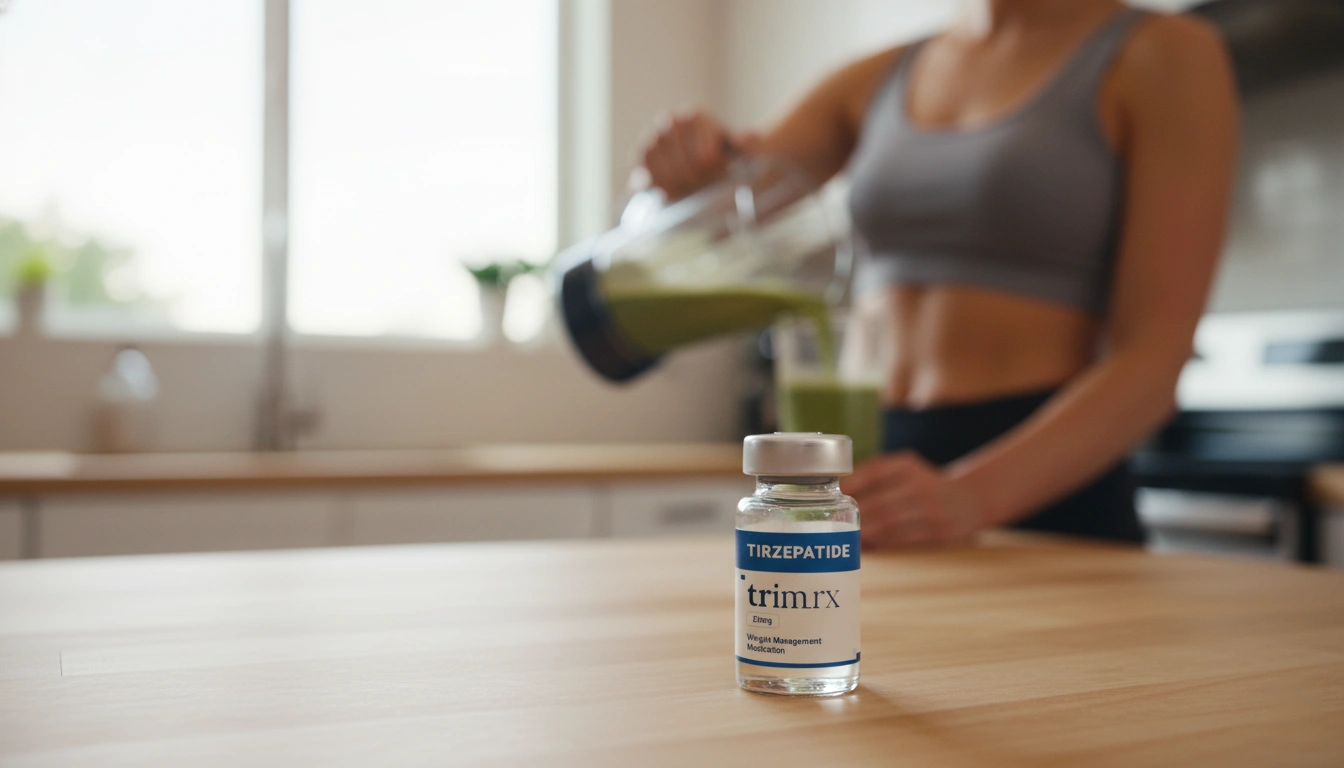
Watching the number on the scale drop can feel like a major victory. However, many people on a weight loss journey eventually notice a frustrating side effect: they feel weaker or lose their “toned” look. This happens because rapid weight loss often includes the loss of lean muscle mass along with body fat. If you are using a GLP-1 or GIP medication like tirzepatide, you might be wondering if supplements like creatine can help you protect your strength.
At TrimRx, we believe that sustainable weight loss is about more than just a number; it is about maintaining a healthy, functional body. Many individuals consider adding creatine to their routine to support muscle preservation while their medication handles appetite control. This article explores whether it is safe to combine these two tools, how they interact in your body, and what you should watch out for. Creatine is generally considered safe to take with tirzepatide, provided you prioritize hydration and professional medical guidance. If you are considering a prescription weight loss program, you can complete a free eligibility assessment.
How Tirzepatide and Creatine Work Together
To understand if these two are compatible, we must first look at what they do in the body. Tirzepatide is a dual-agonist medication. This means it targets two different hormone receptors: glucagon-like peptide-1 (GLP-1) and glucose-dependent insulinotropic polypeptide (GIP). These hormones help regulate blood sugar, slow down digestion, and signal to your brain that you are full. For more background, read this guide to building muscle while on GLP-1 medications.
Creatine is a naturally occurring compound found in your muscle cells. It is a tripeptide derivative, which is a fancy way of saying it is made from three amino acids. Its primary job is to help your muscles produce energy during heavy lifting or high-intensity exercise. It does this by increasing your stores of phosphocreatine, which helps your body recreate ATP (adenosine triphosphate). ATP is the primary energy currency of your cells.
There is no documented evidence suggesting that tirzepatide and creatine interfere with each other. They operate through entirely different pathways. Tirzepatide works on hormones and the digestive system. Creatine works inside the skeletal muscle. Because they do not compete for the same receptors or metabolic pathways, they can often be used side-by-side.
Quick Answer: Yes, you can typically take creatine while on tirzepatide. There are no known drug interactions between the two, but you must drink significantly more water to avoid dehydration and kidney strain.
The Challenge of Muscle Loss on GLP-1 Medications
One of the biggest concerns with modern weight loss medications is the loss of lean mass. Clinical trials for medications like Mounjaro® and Zepbound® (branded versions of tirzepatide) have shown that a significant portion of weight lost can come from muscle tissue. In some cases, as much as 25% to 40% of the total weight lost is lean mass rather than fat. This is why many people explore muscle-preservation strategies during GLP-1 weight loss.
Losing muscle is not just about aesthetics. Muscle is metabolically active tissue. This means the more muscle you have, the more calories your body burns at rest. If you lose too much muscle, your metabolic rate may drop, making it harder to maintain your weight loss in the long term. This is why many providers recommend resistance training and high protein intake for anyone on a personalized weight loss program.
Why Muscle Protection Matters
- Metabolic Rate: Muscle burns more calories than fat, even when you are sleeping.
- Physical Function: Maintaining strength helps you stay active and reduces the risk of injury.
- Blood Sugar Control: Muscle tissue is a primary site for glucose (sugar) disposal in the body.
- Long-term Success: Preserving muscle makes it easier to keep the weight off once you reach your goal.
The Benefits of Using Creatine on Tirzepatide
Creatine is one of the most researched supplements in the world. It is well-known for its ability to help people gain strength and muscle mass. When you are on a medication like tirzepatide, creatine may offer specific advantages that counteract the side effects of a caloric deficit.
Preserving Lean Mass
When you eat fewer calories, your body may look to muscle tissue for energy. Creatine helps provide an extra “energy buffer” for your muscles. This allows you to maintain your workout intensity even when your appetite is low. By keeping your strength up, you send a signal to your body to keep its muscle and burn fat instead.
Cell Hydration and Recovery
Creatine works by drawing water into your muscle cells. This is known as “cell volumization.” This internal hydration can help with muscle protein synthesis, which is the process your body uses to repair and build muscle tissue. Better hydration within the muscle may also lead to faster recovery after a workout.
Improved Exercise Performance
Tirzepatide can sometimes cause fatigue as your body adjusts to a lower calorie intake. Creatine helps replenish the rapid energy stores used during short bursts of activity. This might make the difference between skipping a workout and having a productive session at the gym. For additional energy support while losing weight, consider the Weight Loss Boost supplement.
Key Takeaway: Creatine is a strategic tool for those on tirzepatide because it directly addresses the risk of muscle wasting by supporting energy production and cell hydration during caloric restriction.
The Critical Importance of Hydration
The most important factor when combining creatine and tirzepatide is water. Both substances change how your body handles fluids. Creatine draws water out of the bloodstream and into the muscle cells. Tirzepatide can cause side effects like nausea, vomiting, or diarrhea, all of which can lead to fluid loss. For more practical guidance, read this hydration guide for people taking tirzepatide.
If you are not careful, the combination can lead to dehydration. Dehydration is not just about feeling thirsty; it can put unnecessary stress on your kidneys. Since your kidneys are responsible for clearing both medications and supplements from your system, keeping them hydrated is vital.
Hydration Strategies for Success:
- Aim for a Baseline: Drink at least 2 to 3 liters of water daily.
- Watch for Signs: Dark urine, dizziness, and a dry mouth are early warnings of dehydration.
- Electrolytes Matter: If you experience digestive side effects from your medication, consider adding an electrolyte supplement to your water.
- Adjust for Exercise: If you are sweating during a workout, you need even more fluid to compensate for the creatine’s water-draw.
Managing Potential Side Effects
While both are generally safe, they can share some common side effects. Tirzepatide is known for causing gastrointestinal (GI) issues, especially when you first start or increase your dose. Creatine, particularly in high doses, can also cause stomach upset or bloating. Review this tirzepatide side effects management guide for additional context.
If you experience significant nausea or diarrhea from your medication, adding a “loading phase” of creatine (taking 20 grams a day for a week) might be too much for your stomach to handle. Most experts recommend skipping the loading phase and starting with a standard maintenance dose of 3 to 5 grams per day. This slower approach is much gentler on the digestive system.
When to Pause Creatine: If you are experiencing a “flare-up” of GI side effects from your tirzepatide, it is okay to stop taking creatine for a few days. Once your stomach settles, you can resume your daily dose. Consistency over months is more important than missing a few days during a rough week.
Myths About Creatine and Weight Loss
Many people are afraid to take creatine because they have heard it causes weight gain. This is a common misconception that can lead people to avoid a beneficial supplement.
Myth: Creatine will make me gain fat and ruin my weight loss progress. Fact: Creatine causes “water weight” gain inside the muscles, not fat gain. This weight is actually a sign that your muscles are becoming better hydrated and more capable of performing work.
The scale might go up by two or three pounds when you first start creatine. This is not fat. It is water being stored exactly where you want it: in your lean tissue. Over time, the improved muscle mass will help you burn more fat, which is the ultimate goal of your program.
Another common myth is that creatine is bad for your kidneys. For individuals with healthy kidney function, decades of research show that standard doses of creatine do not cause damage. However, if you have a history of kidney disease, you must speak with your healthcare provider before adding any new supplement to your routine.
How to Start a Creatine Routine Safely
If you have decided to add creatine to your weight loss journey, follow these steps to ensure you are doing it safely and effectively.
Step 1: Consult Your Healthcare Provider. Before starting any supplement while on prescription medication, get clearance from your doctor. They can check your baseline kidney function and ensure you are a good candidate.
Step 2: Choose Creatine Monohydrate. There are many versions of creatine on the market. However, creatine monohydrate is the most studied and most effective form.
Step 3: Determine Your Dosage. Skip the heavy loading phases. A simple daily dose of 3 to 5 grams is enough to saturate your muscles over a few weeks without causing significant stomach distress.
Step 4: Establish a Consistent Timing. Creatine works based on “saturation,” meaning it builds up in your system over time. It does not matter much if you take it in the morning or at night, as long as you take it every single day.
Step 5: Prioritize Protein and Resistance Training. Creatine is not a “magic pill” for muscle. It works best when paired with resistance training (like lifting weights or using bands) and a diet high in protein. Our platform emphasizes that medications like tirzepatide work best as part of a comprehensive lifestyle change. Explore these resistance-training strategies for GLP-1 users as you build your routine.
Supporting Your Journey with TrimRx
At TrimRx, we focus on a telehealth-first approach that prioritizes the whole person. We understand that navigating the world of GLP-1 and GIP medications can be confusing. That is why our personalized programs are designed to provide the clinical oversight you need from the comfort of your home.
We connect you with licensed providers who can evaluate your health history and goals. If a prescription is appropriate, it is filled by FDA-registered, inspected compounding pharmacies and shipped directly to you. This model ensures you have access to high-quality care without the stress of waiting rooms or hidden fees. We are here to support your metabolic health through science, empathy, and transparent guidance. To see whether a personalized program may fit your needs, take the free assessment quiz.
Monitoring Your Progress Beyond the Scale
When you combine tirzepatide with a muscle-supporting supplement like creatine, the scale might not tell the whole story. Because you are preserving muscle while losing fat, your body composition is changing in a healthy way.
Consider using other methods to track your success:
- Body Measurements: Use a tape measure to track your waist, hips, and arms.
- Clothing Fit: Notice how your clothes feel. You may lose two pant sizes even if the scale stays the same for a week.
- Strength Levels: Track your workouts. If you are getting stronger while losing weight, you are doing it right.
- Energy Levels: Pay attention to your daily stamina. Better muscle health usually leads to better energy.
Bottom line: Success on tirzepatide is measured by fat loss and health improvement, not just the total weight lost. Creatine helps ensure that the weight you lose is the weight you don’t want.
Conclusion
Combining creatine with tirzepatide is a proactive way to manage your body composition during weight loss. While tirzepatide helps you manage your appetite and metabolic health, creatine acts as a protective shield for your lean muscle tissue. The most important rules to remember are to stay hydrated, start with a modest dose, and always work under the guidance of a healthcare professional.
Sustainable weight loss is a marathon, not a sprint. By focusing on muscle preservation now, you are setting yourself up for a stronger, healthier future. Our team at TrimRx is dedicated to helping you find the right balance of medication, lifestyle, and support to reach your goals. If you are ready to take the next step in your health journey, complete your personalized assessment to begin the process.
FAQ
Does creatine affect how tirzepatide works for weight loss?
No, there is no evidence that creatine interferes with the weight loss mechanism of tirzepatide. Creatine focuses on muscle energy and hydration, while tirzepatide focuses on hormone regulation and appetite. Using them together may actually improve the “quality” of your weight loss by helping you retain muscle.
Should I take creatine if I have nausea from my medication?
If you are currently struggling with nausea or stomach upset from tirzepatide, it may be best to wait until your symptoms subside before starting creatine. While creatine is generally easy on the stomach at low doses, adding anything new to a sensitive digestive system can make symptoms worse. Always start with a low dose of 3 grams rather than a loading phase.
Will taking creatine make me look bulky?
No, creatine will not make you look bulky, especially while you are in a caloric deficit on a weight loss medication. It primarily helps your muscles look “fuller” and stay stronger. Most people find that it helps them achieve a “toned” or “firm” appearance rather than a bulky one.
Is it safe for my kidneys to take both at once?
In healthy individuals, combining these is generally safe for the kidneys, but hydration is the deciding factor. Because creatine moves water into muscles and tirzepatide can cause fluid loss through GI side effects, you must drink plenty of water. If you have any history of kidney issues, you must consult your doctor before using creatine.
Disclaimer: This content is for informational purposes only and does not constitute medical advice. It is not intended to diagnose, treat, cure, or prevent any disease or condition. Individual results may vary. Always consult a qualified healthcare professional before starting any weight loss program or medication.

Transforming Lives, One Step at a Time
Keep reading

Should You Taper Off Tirzepatide or Just Stop? What the Evidence Says
There is very little direct evidence either way, and anyone who tells you otherwise is filling a gap with confidence. The withdrawal trials that…
Stalled on Tirzepatide Even After a Dose Increase: Your Options
The first thing to check is how long it has been since the increase, because most people ask this question too early. A dose…

Why Did Tirzepatide Stop Working After Three Months of Fast Loss?
Five things explain almost all of it, and the first is the least satisfying: the fast stretch was never going to last. Weight loss…


